









WASHINGTON — In a dramatic escalation of an ongoing confrontation with international judicial bodies, U.S. Secretary of State Marco Rubio announced targeted financial sanctions on Tuesday, August 18, against International Criminal Court (ICC) President Tomoko Akane of Japan and Senior Trial Lawyer Abdoulaye Seye of Senegal.
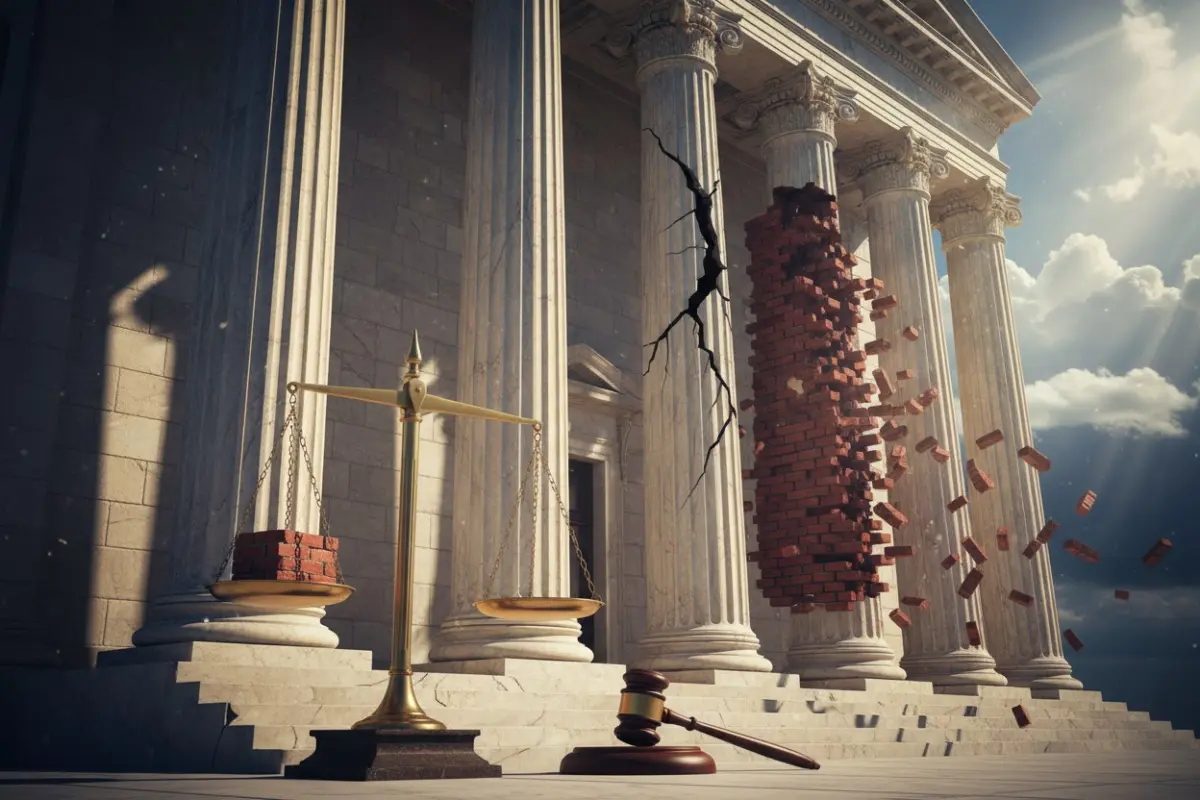
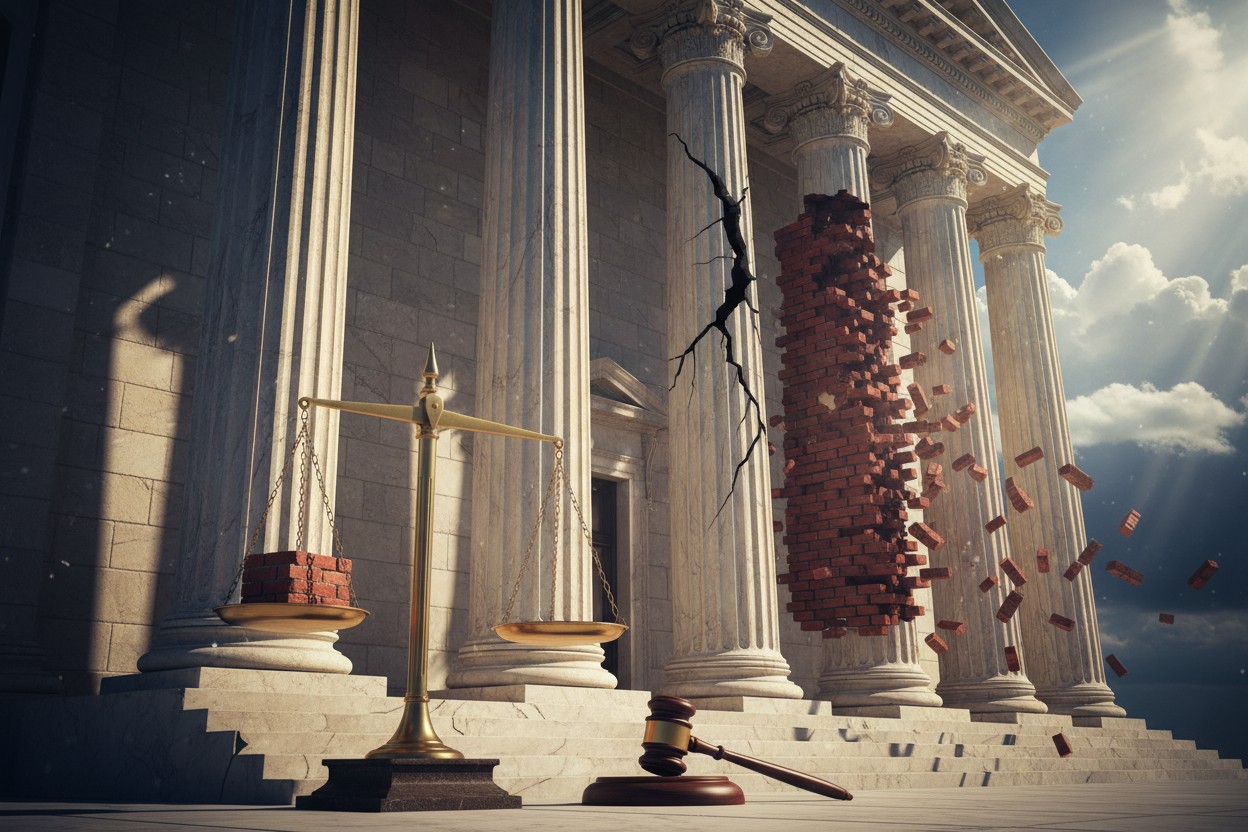
The punitive measures represent the latest manifestation of a sweeping Trump administration campaign aimed at dismantling the tribunal "brick by brick." Washington has increasingly cast the court as an existential threat to American sovereignty and national security. The designations have sent shockwaves through international legal circles, drawing swift condemnation from the ICC leadership, sharp rebukes from European capitals, and a cautious defense from nations historically opposed to the court’s expansive jurisdiction.
Main Facts: The Sanctions and Target Profiles
The designations announced by Secretary Rubio freeze any assets held by Judge Akane and Prosecutor Seye within the United States, bar them from entering the country, and prohibit U.S. persons and entities from engaging in financial transactions with them. These measures mirror financial sanctions imposed earlier in 2025 against four other high-ranking ICC officials, including two judges and two prosecutors.
At the core of Washington’s grievances is the ICC’s assertion of jurisdiction over nationals of states that have neither signed nor ratified the Rome Statute—the 1998 treaty that established the court. With over 120 member states globally, the ICC is empowered to investigate and prosecute genocide, crimes against humanity, war crimes, and the crime of aggression. However, because the United States is not a party to the Rome Statute, Washington maintains that any attempt by the court to investigate American military or intelligence personnel is an unlawful overreach of judicial authority.
The newly sanctioned individuals occupy pivotal roles within the international tribunal:
- Judge Tomoko Akane: Serving as President of the ICC, the Japanese jurist has overseen the institution during a period of unprecedented institutional stress, navigating contentious arrest warrants and mounting geopolitical pressures from superpowers.
- Abdoulaye Seye: The Senegalese Senior Trial Lawyer was directly involved in high-profile prosecution teams, notably working on the complex evidentiary portfolio concerning alleged war crimes in Gaza. Reports indicate Seye also oversaw investigations regarding the financing of Israeli West Bank settlements and the supply of weaponry to settlers.
Chronology of Escalation: From Afghanistan to Gaza and Beyond
The collision course between Washington and The Hague has developed over several years, marked by escalating legal actions and legislative countermeasures:
- 1998: The Rome Statute is adopted by a diplomatic conference, creating the framework for the permanent International Criminal Court. The United States signs the treaty under President Bill Clinton but never submits it to the Senate for ratification, later formally withdrawing its signature under President George W. Bush.
- March 2023: The ICC issues high-profile arrest warrants for Russian President Vladimir Putin and Children’s Rights Commissioner Maria Lvova-Belova over the alleged unlawful deportation of Ukrainian children. While welcomed by Western allies, this action demonstrated the court’s willingness to target heads of state, setting a precedent that worried other non-member states, including the U.S.
- 2024: The ICC issues arrest warrants for Israeli Prime Minister Benjamin Netanyahu and then-Defense Minister Yoav Gallant over alleged war crimes and crimes against humanity in Gaza. The move triggers intense backlash in Washington, leading to immediate bipartisan legislative pushes.
- January 2025: Amid shifting congressional majorities, the U.S. House of Representatives passes the Illegitimate Court Counteraction Act with a robust bipartisan vote of 243 in favor, designed to penalize individuals assisting ICC investigations into allied nations.
- March 2025: Former Philippine President Rodrigo Duterte is arrested under an ICC warrant and transferred to The Hague, despite the Philippines having officially withdrawn from the court in 2019—a testament to the court’s insistence on retaining jurisdiction over crimes committed during a state’s active membership window.
- July 2025–July 2026: Internal turmoil hits the court when Chief Prosecutor Karim Khan is removed in July 2026 by a secret ballot of 82 state parties following an internal oversight finding of a "serious breach of duty and serious misconduct." Meanwhile, nations such as Venezuela, Burkina Faso, Mali, Niger, and Chad initiate or complete withdrawal proceedings from the Rome Statute, frequently aligning with rhetoric critical of Western-backed international oversight.
- August 18, 2026: Secretary of State Rubio formalizes the designations against ICC President Akane and Senior Trial Lawyer Seye, cementing the administration’s stated objective to dismantle the institution.
Supporting Data and Legal Context
The legal architecture underpinning the ICC has long been a flashpoint in international law. Proponents of the court argue that without a supranational mechanism, perpetrators of mass atrocities—particularly in nations with compromised domestic judiciaries—will enjoy absolute impunity. Citing historical precedents such as the Nuremberg and Tokyo tribunals, advocates maintain that international crimes demand global accountability.
Conversely, critics point out structural vulnerabilities within the court. In his scathing op-ed published in the Wall Street Journal, Secretary Rubio summarized the American skeptical view: "America never agreed to a world tribunal that can override our own courts and the Constitution." Rubio has consistently characterized the ICC as a "corrupt and fatally politicized supranational court" that has "maliciously abused its authority and exceeded its mandate."
Data compiled regarding the court’s docket reveals mounting friction points:
- Jurisdictional Reach: The ICC has persistently pursued investigations into non-member states, including the preliminary and formal probes into U.S. military conduct in Afghanistan. In August, ICC judges ordered prosecutors to open a separate case examining Taliban abuses tied directly to the broader Afghanistan investigation—a probe that continues to shadow American nationals.
- Geopolitical Realignment: The desertion of several African states and Venezuela’s recent withdrawal announcement have provided ammunition to Washington’s narrative. Venezuelan state media and the U.S. State Department both framed Caracas’s withdrawal as a victory against what they term a "worthless" institution.
Official Responses and Global Repercussions
The international community has fractured along predictable geopolitical lines in the wake of the August sanctions.
The ICC and Legal Defenders
The International Criminal Court issued a robust statement on Wednesday, August 19, declaring that it "strongly rejects" the U.S. designations, labeling them "a flagrant attack against the independence of an impartial judicial institution."
Civil society has also mobilized. On August 11, a coalition of four U.S.-based human rights organizations, including Human Rights Watch, filed a federal lawsuit against the Trump administration over its ICC sanctions. The plaintiffs argue that the measures unlawfully block victims of international war crimes from pursuing justice and violate constitutional free speech and due process protections.
European and Allied Reactions
European nations have expressed deep alarm over the financial targeting of judicial officers. Spanish Prime Minister Pedro Sanchez publicly called upon the European Commission to activate the EU Blocking Statute—a legislative tool designed to shield European and international entities from the extraterritorial effects of U.S. sanctions.
Opposing Perspectives
Prime Minister Benjamin Netanyahu of Israel welcomed the U.S. sanctions, dismissing the ICC as a "kangaroo court" following its attempts to prosecute Israeli leadership over Gaza military operations. Similarly, Moscow—which has faced its own ICC arrest warrants over the conflict in Ukraine—has consistently dismissed the tribunal’s actions as legally null and void, defending its evacuation of children from conflict zones as humanitarian rather than criminal.
Broader Implications for Global Justice
The direct sanctioning of sitting international judges and prosecutors by a global superpower marks a profound watershed moment for the post-World War II international legal order.
If powerful nations can systematically penalize judicial officers for executing institutional mandates, the long-term viability of international criminal jurisprudence faces an existential threat. Conversely, if the ICC continues to assert universal jurisdiction over non-member states without effective enforcement mechanisms, it risks severe institutional delegitimization and fragmentation.
As litigation proceeds in U.S. federal courts and European leaders weigh defensive economic measures, the battle over accountability, sovereignty, and the rule of law enters an increasingly volatile and unpredictable phase.