






Main Facts: Navigating North America’s Premier Crystal Expos
For rock hounds, metaphysical practitioners, lapidary artists, and professional mineralogists, attending one of North America’s mega-gem shows is the ultimate bucket-list experience. Annually, the global crystal community converges on two massive epicenters: the Tucson Gem, Mineral & Fossil Showcase in Arizona and the Colossal Denver Mineral, Fossil, Gem & Jewelry Show in Colorado.
While both events celebrate the breathtaking artistry of the Earth’s crust, they offer distinct experiences, logistical challenges, and commercial environments. To demystify these massive gatherings, Team HM member and Crystal Coach Lisa recently broke down the differences in an exclusive video comparison. From towering Fire and Ice Quartz clusters to multi-ton Smoky Quartz "Earth Keepers," these exhibitions represent the pinnacle of the global crystal trade.
However, preparing for these events requires more than just enthusiasm. Attendees must navigate sprawling venues, wholesale versus retail restrictions, and overwhelming sensory environments. Understanding how the Tucson and Denver shows compare is essential for anyone planning a pilgrimage to either destination.
Chronology: The Evolution of the Modern Gem Show Circuit
The Historical Roots
The tradition of large-scale mineral exhibitions in the United States grew out of local mineralogical clubs and scientific societies in the mid-20th century. What began as modest gatherings for academic geologists and local hobbyists steadily evolved into international trade empires.
- Tucson’s Origins: The Tucson Gem and Mineral Show started modestly in the basement of a local elementary school in the mid-1950s. Over decades, it expanded across dozens of hotels, convention centers, and tents throughout the city, eventually becoming the largest gem and mineral event in the world.
- Denver’s Rise: While Tucson captured the winter market, Denver established itself as a premier autumn destination. Capitalizing on Colorado’s rich mining history and central geographic location, the Denver show grew into a massive multi-venue operation that draws tens of thousands of visitors every September.
The Modern Event Cycle
Today, the gem show calendar follows a strict rhythm that dictates the global movement of mineral specimens, fossils, and finished jewelry:
- Late Summer (September): The Denver show kicks off the North American fall circuit, offering buyers an extensive look at newly mined specimens, beads, and lapidary materials ahead of the holiday season.
- Late Winter (January–February): The Tucson showcase takes over Southern Arizona for nearly three weeks, transforming the desert city into a sprawling network of over 40 distinct shows catering to everyone from multi-national wholesale buyers to retail crystal enthusiasts.
Supporting Data and Highlights: What Awaits at the Shows
Both exhibitions serve up visual feasts that highlight the incredible diversity of the mineral kingdom. Visitors are consistently met with specimens of staggering scale and intricate craftsmanship.
Clear Quartz: The Undisputed Rock Star
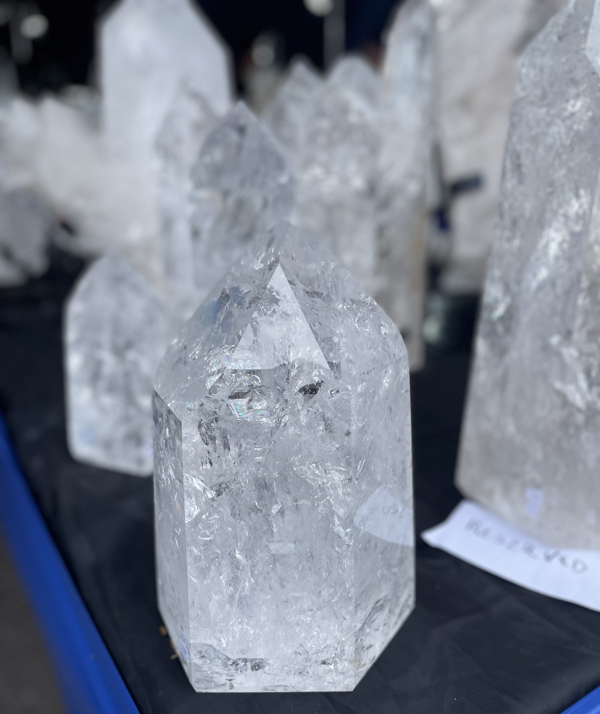
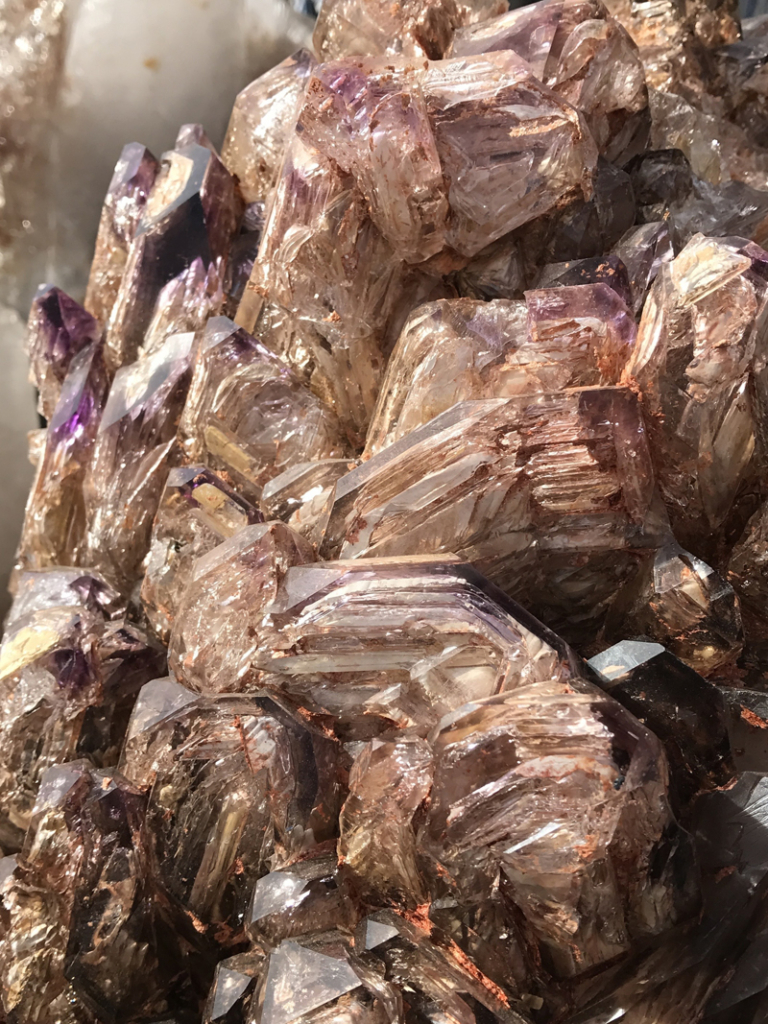
Clear quartz remains one of the most abundant, versatile, and revered minerals in existence. At both Denver and Tucson, towers of "Fire and Ice" quartz—characterized by internal fractures that refract light into brilliant rainbow inclusions—dominate many vendor displays. For those interested in the deeper energetic properties of these stones, clear quartz acts as a master healer and amplifier of intention.
Smokey Quartz "Earth Keepers"
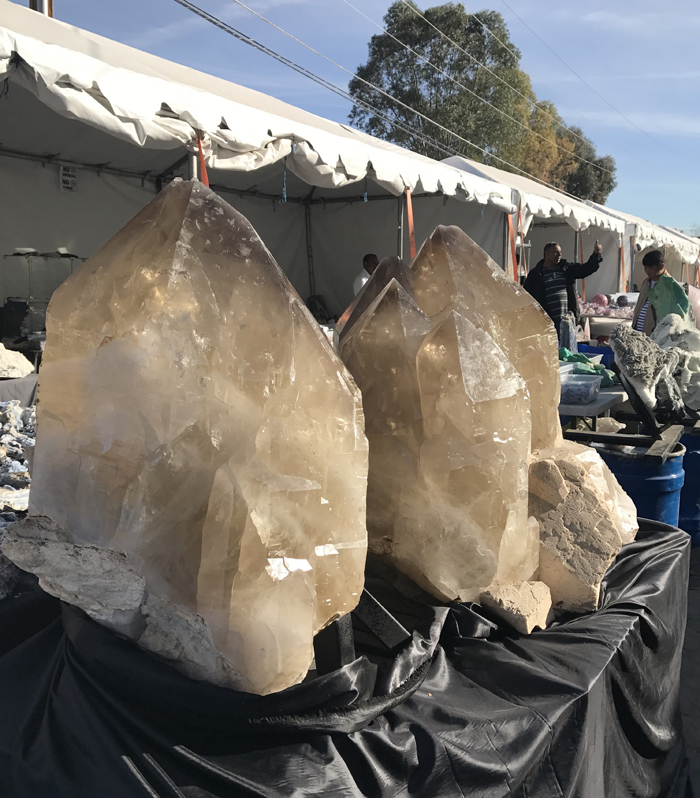
Among the most awe-inspiring sights at the Tucson Gem Show are massive Smokey Quartz "Earth Keepers." These colossal crystals weigh hundreds of pounds and possess profound energetic presence. Master lapidary artists and curators often note that stepping into the energy field—or "torus"—of such massive specimens offers a tangible shift in ambient frequency.
The Art of Carving and Lapidary Excellence
Beyond raw clusters, the shows highlight human artistry applied to geological canvas. Intricate masterworks, such as detailed Hindu deities carved from multi-hued lepidolite at the Denver show, showcase the extraordinary skill of international lapidary artisans. Similarly, massive Lemurian seed crystal points with their characteristic striations offer visitors an up-close look at high-grade metaphysical quartz.
Official Perspectives and Expert Insights
Navigating events of this magnitude requires insider knowledge. According to Crystal Coach Lisa and veteran crystal educator Hibiscus Moon, preparation is the key to transforming an overwhelming trip into a deeply rewarding journey.

Key Considerations Before You Go
- Wholesale vs. Retail Access: Many venues at major shows—particularly in Tucson—require a business license or tax ID for entry during the first few days. Attendees must verify whether specific shows or tents are open to the general public or restricted to wholesale buyers.
- Physical Stamina and Logistics: Spanning multiple city blocks or sprawling convention complexes, the shows demand heavy walking, often in desert heat (Tucson) or crisp mountain air (Denver). Comfortable footwear, hydration, and wheeled carts for purchases are non-negotiable essentials.
- Budgetary Discipline: With thousands of stunning specimens, crystals, beads, and artisan jewelry pieces vying for attention, impulse buying is a significant hazard. Setting a clear budget prior to arrival helps maintain focus.
Implications: The Cultural and Economic Impact of the Crystal Trade
The Tucson and Denver gem shows are far more than mere marketplaces; they are vital economic and cultural nexuses for the global metaphysical and geological communities.
Economic Lifeline for Artisans and Miners
These events provide a direct economic bridge between local miners in countries like Brazil, Madagascar, India, and Pakistan, and international markets in North America. By purchasing direct from wholesalers, small business owners, crystal shop proprietors, and jewelry makers sustain their livelihoods while supporting ethical harvesting practices where traceable.
Educational and Energetic Exchange
Beyond commerce, the shows function as massive educational forums. Gemologists, lapidary experts, and crystal healers share methodologies regarding stone authenticity, energetic programming, and geological provenance. Attendees leave not only with physical treasures—whether giant quartz clusters or delicate gemstone beads—but with an enriched understanding of Earth science and holistic wellness.
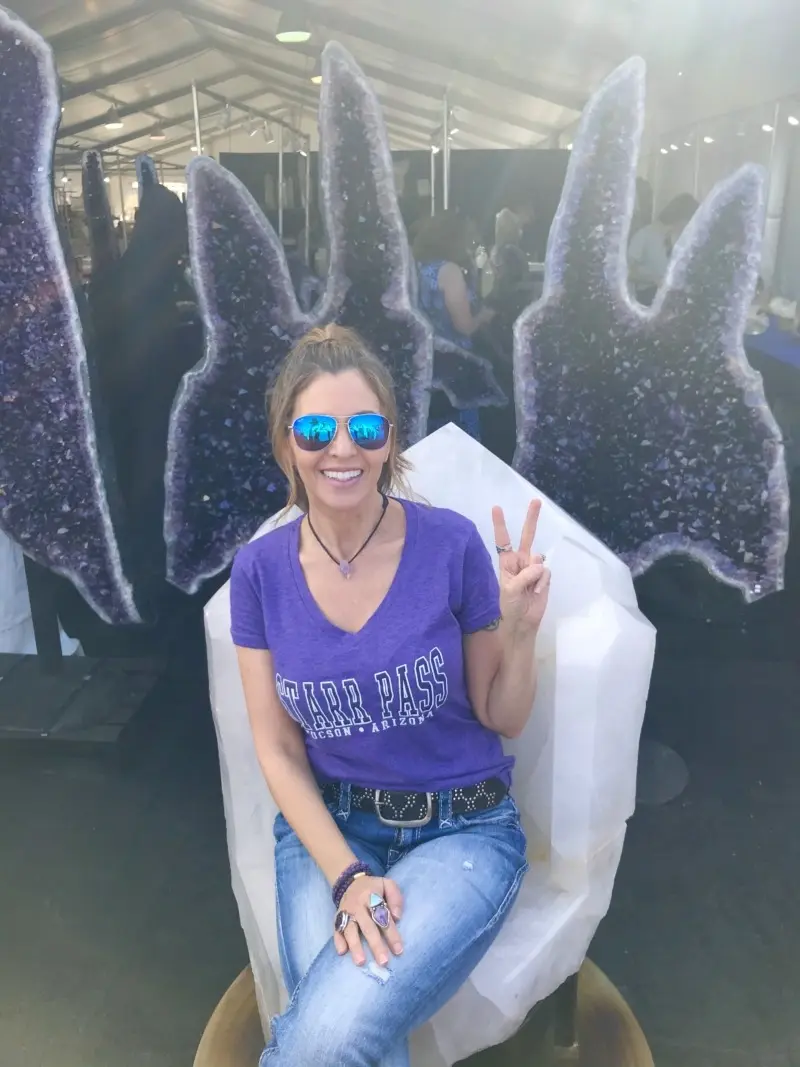
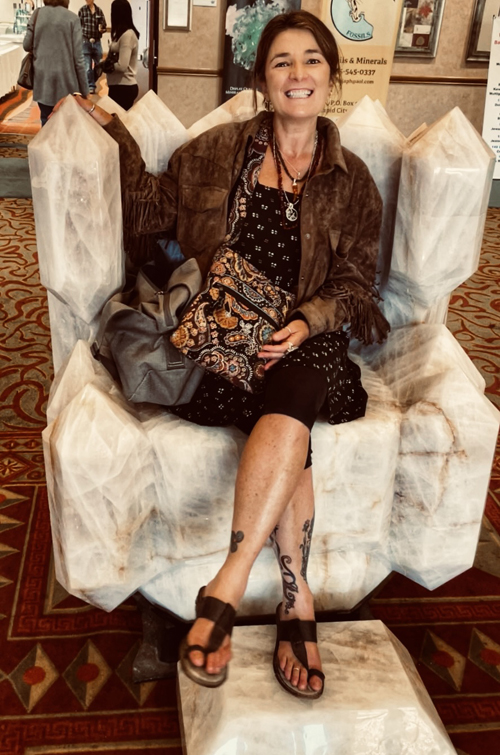
Whether you are looking to sit on a milky quartz throne in Tucson, admire rows of gemstone beads in Denver, or simply bask in the collective vibrational energy of thousands of crystal lovers, attending a major gem show is an unforgettable journey into the heart of the natural world.