By Manny Tejeda y Moreno
Published: August 7, 2026
Category: Culture / Science & Society
Main Facts
From the rhythmic thrum of drums at seasonal equinox gatherings to the hushed reverence of stadium crowds and the vibrant chaos of city-wide carnivals, communal rituals remain a fundamental pillar of the human experience. While modern skepticism often reduces these traditions to mere entertainment or outdated superstition, an evolving body of psychological and sociological research points to a very different conclusion.
A landmark study published in Frontiers in Psychology offers compelling empirical evidence that shared ritual experiences do far more than entertain—they actively generate measurable psychological benefits. Specifically, participating in large-scale communal rituals can evoke profound states of awe, strengthen local and national identities, and remarkably, expand an individual’s sense of connection to humanity as a whole.
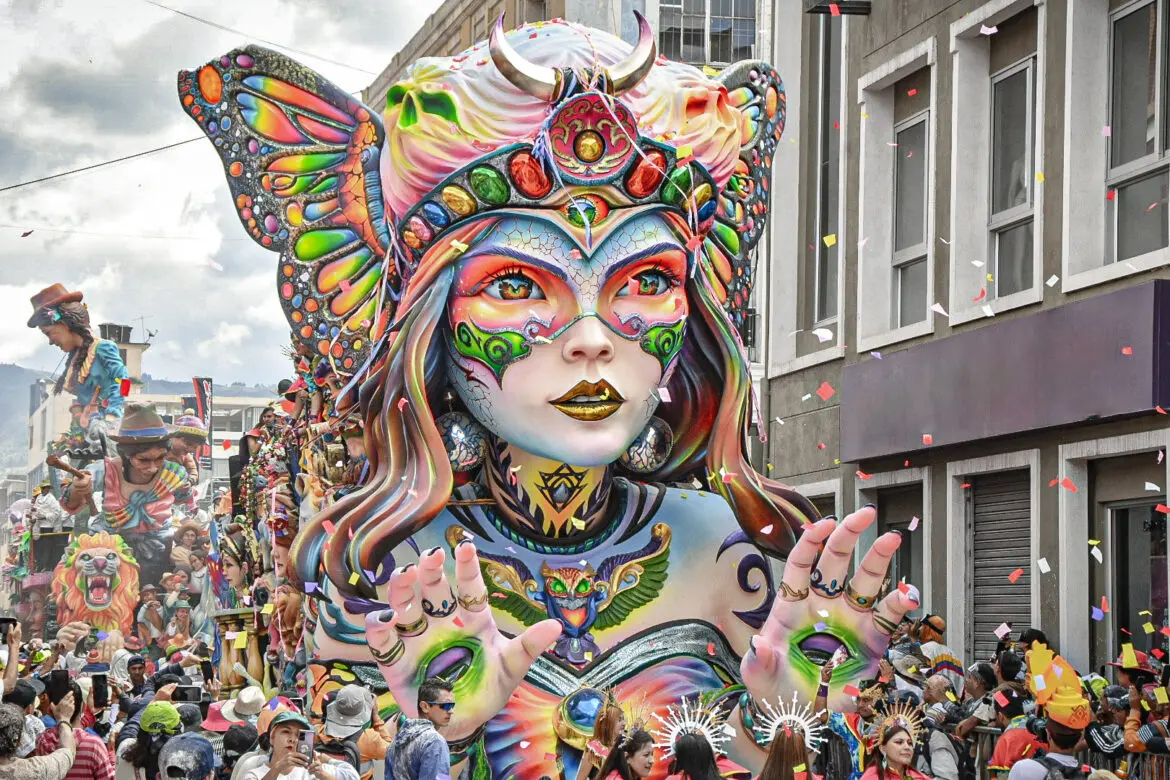
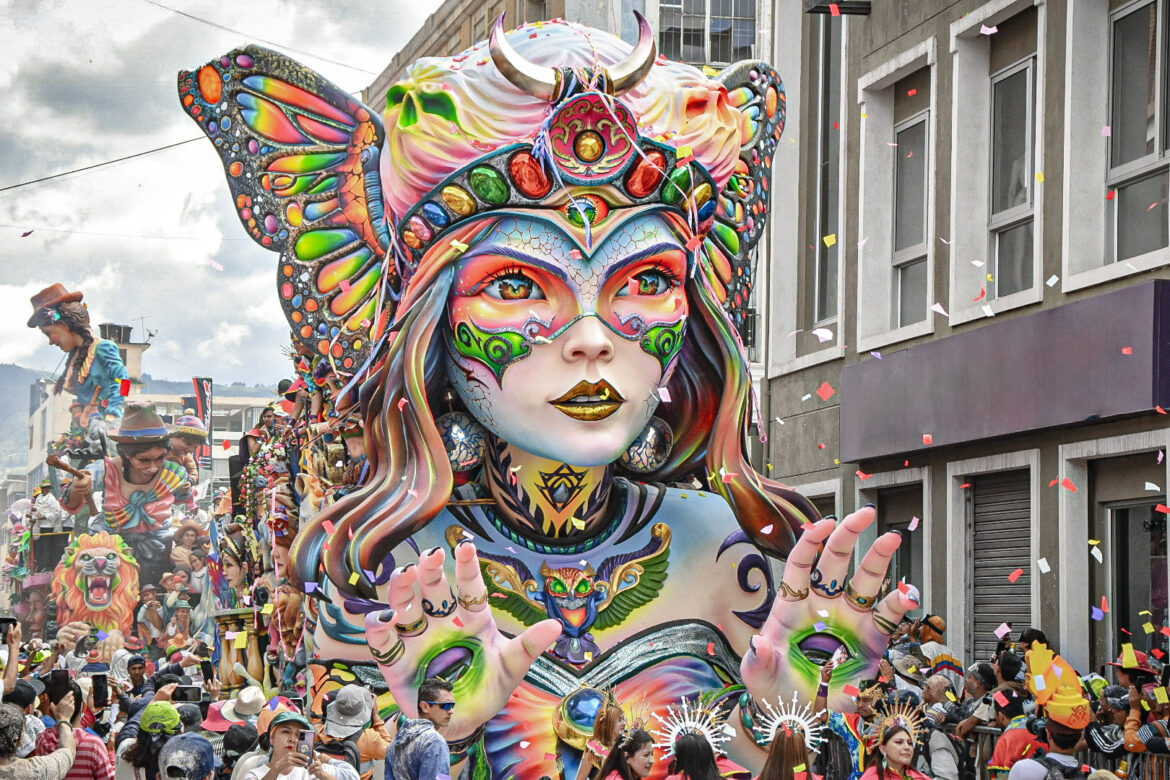
The research centers on the Carnaval de Negros y Blancos (Blacks and Whites’ Carnival) in Pasto, Colombia. Designated by UNESCO as an Intangible Cultural Heritage of Humanity, this centuries-old festival blends Indigenous, African, and European roots into an explosion of parades, music, and dance. By examining the psychological states of thousands of attendees, researchers set out to answer a fundamental question: What happens to the human psyche when a crowd moves, sings, and celebrates as one?
The core findings indicate that the psychological power of these gatherings is driven by "collective effervescence"—a heightened emotional synchronization among participants. Those who experienced high levels of collective effervescence also reported spikes in feelings of awe, stronger social cohesion, and a heightened willingness to engage in prosocial behavior. Crucially, the data challenges the long-held assumption that tight-knit community rituals foster an insular "us versus them" mentality. Instead, participants demonstrated a dual expansion of empathy, feeling simultaneously closer to their immediate neighbors and more deeply connected to the global human family.
Chronology
To understand how modern science has come to evaluate ritual, it is necessary to trace both the evolution of sociological theory and the timeline of recent psychological investigations:
- 1912 (The Theoretical Foundation): French sociologist Émile Durkheim published his seminal work, The Elementary Forms of Religious Life. Drawing on observations of indigenous Australian societies, Durkheim coined the term "collective effervescence" to describe the transcendent, hyper-energized state individuals experience when participating in group rituals. He argued that this shared emotional current is the foundational mortar that builds and sustains human societies.
- Decades of Cultural Practice: Across generations, diverse groups—from secular sports fans and family holiday gatherers to modern Pagans celebrating the Wheel of the Year—continued to utilize ritual for grounding, anxiety relief, and cultural transmission. However, these practices were largely studied through anthropological lenses rather than rigorous psychological metrics.
- Early 2020s (Recent TWH Coverage): The Wild Hunt reported on a growing wave of contemporary psychological studies. Research highlighted in 2020 demonstrated that individual and structured rituals effectively reduce anxiety by providing predictability during times of uncertainty. Follow-up studies in early 2021 revealed that sacred and awe-inspiring experiences yield lasting psychological stability and cognitive benefits.
- Late 2025 (The Pasto Study): Researchers published their investigation into the Carnaval de Negros y Blancos in Frontiers in Psychology. By bridging Durkheim’s century-old sociological theories with modern psychometrics, the study provided quantitative data on how massive, synchronized cultural celebrations impact human emotion, social identity, and global empathy.
- August 2026 (Current Synthesis): The implications of these findings ripple across cultural, religious, and psychological spheres, validating what practitioners of traditional, Pagan, and secular communal arts have argued for generations: that the true magic of ritual lies in the profound neurological and emotional synchronization of shared human experience.
Supporting Data and Methodology
The study published in Frontiers in Psychology moves past anecdotal observations by employing rigorous quantitative metrics to evaluate the psychological states of festival-goers in Pasto, Colombia.
Researchers utilized psychological scales to measure several distinct variables among participants before, during, and after the Carnaval de Negros y Blancos:
- Collective Effervescence: Measured by assessing participants’ feelings of emotional alignment, energy transfer, and interpersonal resonance with the surrounding crowd.
- Awe: Quantified using standardized psychological frameworks that evaluate encounters with vastness—moments that force individuals to accommodate new information into their mental schemas.
- Identity Expansion: Evaluated through nested social identification scales, which measure how strongly an individual identifies with local peer groups, national citizenship, and universal humanity.
Key Data Insights:
- The Awe Factor: A direct statistical correlation emerged between collective effervescence and the experience of awe. Participants who felt the deepest emotional synchronization with the crowd were exponentially more likely to report feelings of vastness and transcendence.
- Prosocial Projections: Moments of awe directly predicted an increased willingness to engage in altruistic acts and support community welfare.
- The In-Group/Out-Group Paradox: Historically, sociologists feared that tight community bonding created defensive, xenophobic boundaries. However, the data revealed that heightened collective effervescence correlated positively with both local/national pride and an expanded identification with humanity at large. Rather than narrowing horizons, the ritual acted as a lens that focused local identity while simultaneously widening global empathy.
While the study’s authors note that causality cannot be definitively proven—it remains statistically possible that individuals who are already more empathetic are simply more likely to feel collective effervescence—the empirical link between synchronized group celebration and positive psychological outcomes is robust.
Official Responses and Perspectives
The implications of this research resonate far beyond academic psychology journals, drawing commentary from cultural historians, community leaders, and practitioners of ancient traditions alike.
Rev. Selena Fox of Circle Sanctuary has long championed the psychological and spiritual dimensions of group ceremonies. Reflecting on the intersection of modern science and ancient practice, Fox has noted:
"Through rituals, Pagans deepen their relationship with the Divine in one or more sacred forms. Through rituals, Pagan culture flourishes and evolves."
Fox’s perspective aligns closely with the findings of the Frontiers in Psychology study, emphasizing that structured ceremonies do not merely serve aesthetic or dogmatic purposes; they act as active spaces for internal reflection and community fortification.
Sociologists and cultural preservationists studying the Carnaval de Negros y Blancos have similarly emphasized the protective nature of these traditions. UNESCO’s recognition of the festival highlights its role in maintaining historical continuity across diverse ethnic populations. Representatives of the carnival have frequently pointed out that the chaotic, joyful merging of paint, talcum, and music breaks down rigid social hierarchies, allowing participants from vastly different walks of life to experience a temporary, yet transformative, state of radical equality and shared joy.

Furthermore, psychological researchers studying the mechanics of ritual point out that the human brain is inherently wired for synchronization. Neurological studies outside of this specific paper have repeatedly shown that when humans sing, dance, or move in unison, their heart rates begin to synchronize, and neurochemicals such as endorphins and oxytocin are released. These biological mechanisms provide the physical foundation for what Durkheim termed collective effervescence.
Broader Implications
The validation of collective effervescence and its psychological aftermath carries profound implications for a modern world increasingly plagued by isolation, polarization, and mental health crises.
1. Combating the Epidemic of Loneliness
Public health officials across the globe have increasingly recognized loneliness as a public health hazard on par with smoking or obesity. As institutional religious participation declines in many Western nations, the traditional avenues for regular, structured communal gatherings are evaporating. However, the psychological data suggests that humanity’s need for ritual has not disappeared—it has merely shifted. Whether through secular music festivals, public protests, athletic events, or modern Pagan gatherings around the Wheel of the Year, people continue to seek out spaces of shared emotional resonance. Recognizing rituals as vital mental health interventions could reshape how cities plan public spaces and community programming.
2. Bridging Cultural Divides
Perhaps the most encouraging takeaway from the Pasto study is its defiance of tribalistic inevitabilities. In an era marked by intense political polarization and rising nationalist exclusionism, the finding that communal awe expands global empathy is a vital counter-narrative. When rituals are designed to celebrate shared human values rather than enforce exclusionary dogmas, they do not build walls; they build bridges. They teach the human psyche that celebrating one’s local roots does not require the devaluation of the broader human family.
3. Validation for Marginalized and Alternative Spiritualities
For minority spiritual communities—including modern Pagans, Wiccans, Druids, and indigenous revivalists—the scientific validation of ritual mechanics offers a welcome breath of fresh air. For decades, practitioners have understood through personal and communal experience that casting a circle, chanting under a full moon, or marking the solstices produces a deep, transformative shift in consciousness. Having empirical science confirm that these practices foster emotional regulation, social bonding, and cognitive expansion elevates these traditions from the margins of cultural dismissed oddities to recognized technologies of human well-being.
Ultimately, whether a ritual takes the form of a massive, city-wide South American carnival, a quiet coven gathering in a woodland clearing, or a family holiday tradition passed down through generations, the message from contemporary psychology is clear. Ritual is not a relic of the past; it is an essential technology of the human heart. Its true power lies not solely in ancient symbols or rigid dogmas, but in the radical, transformative beauty of human beings coming together to share an experience greater than themselves.