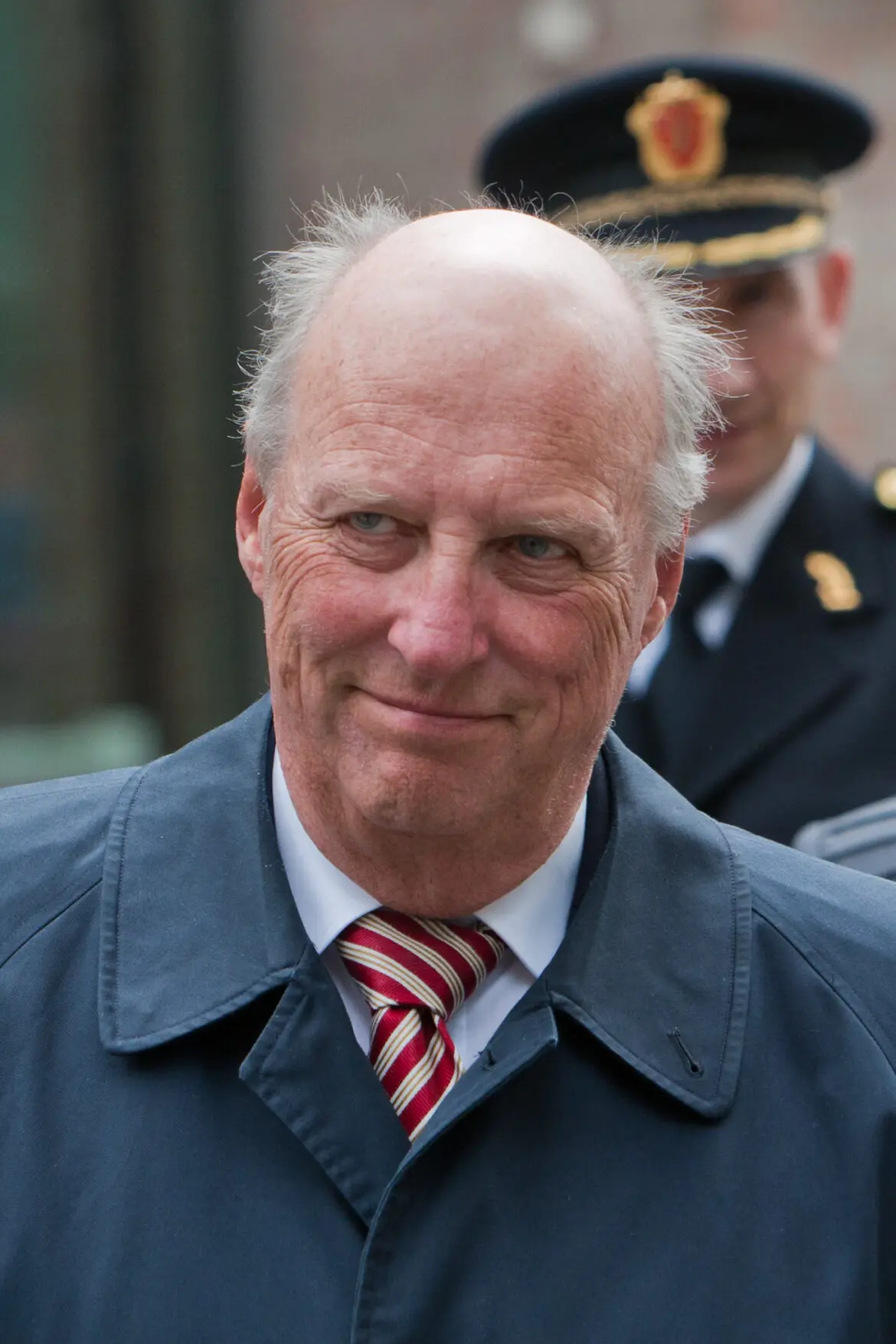
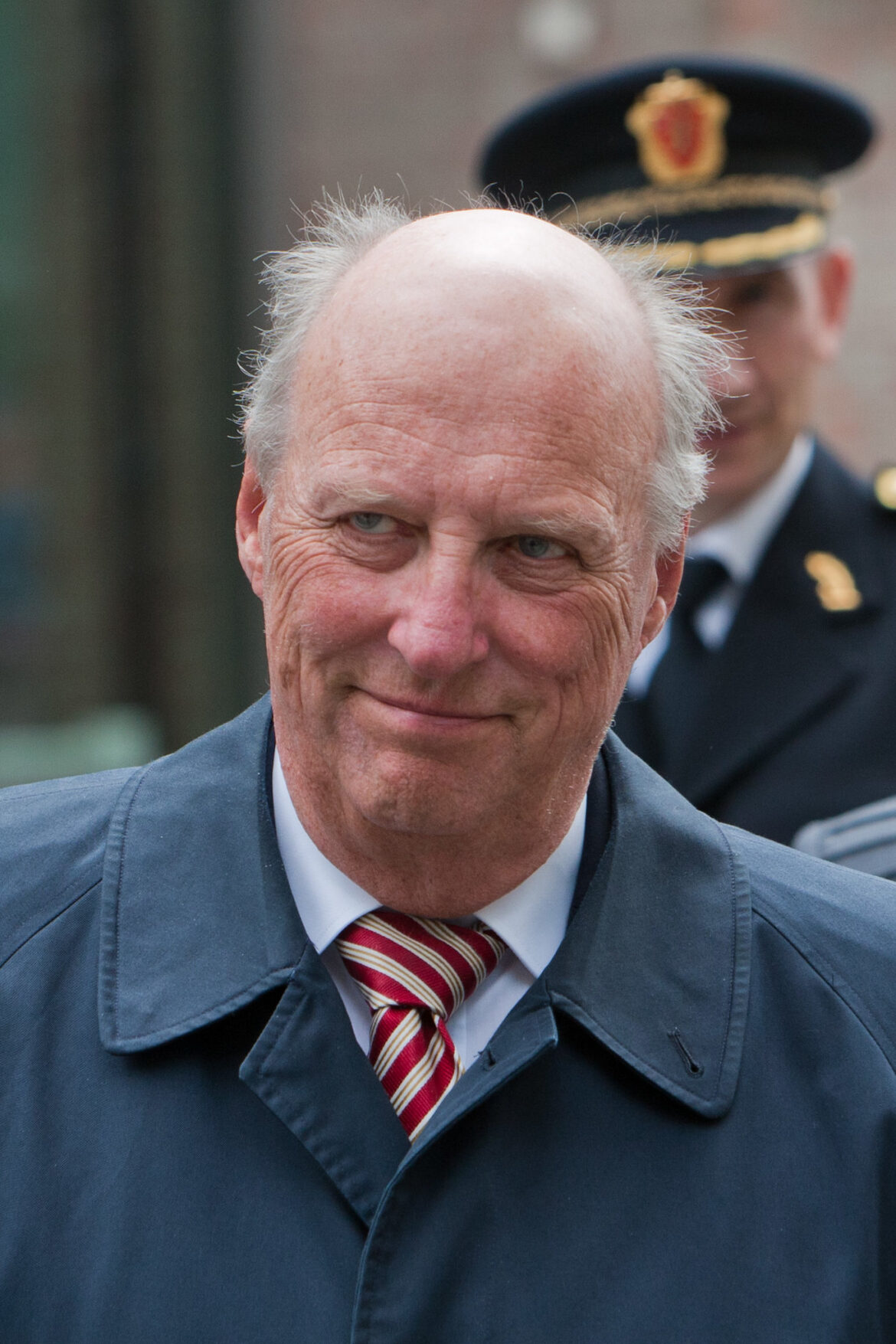
OSLO, Norway — On Friday, August 28, His Majesty King Harald V of Norway passed away at Oslo University Hospital at the age of 89. His death marks the close of a remarkable 35-year reign that saw the Scandinavian nation navigate dramatic socio-cultural shifts, profound national tragedies, and the delicate evolution of its relationship between church and state.
As Norway transitions into a new era under his successor, King Haakon VIII, the nation reflects on a sovereign who transcended traditional political boundaries to become not only a constitutional head of state, but a beloved civic deity and moral compass for a fiercely egalitarian society.
Main Facts: The End of an Era
King Harald V’s death at Oslo University Hospital prompted an outpouring of grief across Norway and the international community. Ascending the throne following the death of his father, King Olav V, in 1991, Harald was the third monarch of the reigning House of Glücksburg, which has occupied the Norwegian throne since the nation regained full independence in 1905.
Throughout his tenure, "Harald Rex" earned deep-seated affection from the Norwegian public. His life story bridged modern history and ancient lore: born in 1937 at the royal estate of Skaugum, he became the first Norwegian monarch born on home soil since the 14th century. His dynastic lineage linked him to nearly every major European royal house, and, according to medieval and Viking-Age genealogies, a legendary ancestry tracing back to pre-Christian Norse deities.
Despite this mythic heritage, King Harald anchored his reign in modern democratic values. He was a champion of inclusivity, defending the rights of minority groups, Indigenous populations, and the LGBTQ+ community, all while serving as a stabilizing, unifying force through some of modern Norway’s darkest hours.
Chronology: From Wartime Exile to the Throne
To understand King Harald’s unique place in the Norwegian consciousness, one must trace a life defined by extraordinary historical milestones:
1937: Harald is born at Skaugum estate near Asker, bringing the first native-born prince to the Norwegian line of succession in centuries.
1940: Following the sudden Nazi German invasion of Norway during World War II, young Prince Harald and his family are forced to flee. He spends five years under American protection in Washington, D.C., and Maryland, forming a close bond with U.S. President Franklin D. Roosevelt.
1957: Following the death of his grandfather, Haakon VII, Harald becomes Crown Prince upon his father’s accession as Olav V.
1968: In a move that challenged royal convention, Harald marries commoner Sonja Haraldsen after a nearly decade-long courtship, paving the way for a more modern monarchy.
1991: Upon the death of King Olav V on January 17, Harald ascends the throne as King Harald V.
1997: During a historic visit to the Norwegian Sámi Parliament (Sámediggi), King Harald formally asks the Indigenous Sámi people for forgiveness for past state assimilation and Norwegianization policies.
2011: In the wake of the July 22 terror attacks—the deadliest tragedy in modern Norwegian history—King Harald delivers powerful, unifying speeches that guide a grieving nation toward solidarity and resilience.
2016: King Harald delivers a widely praised, highly publicized speech celebrating diversity, proclaiming that Norwegians come from all walks of life, faiths, ethnicities, and sexual orientations.
August 28, 2026: King Harald V passes away peacefully at Oslo University Hospital at age 89.
September 1, 2026: His mortal remains are moved to the Royal Palace chapel for public viewings, while his son, King Haakon VIII, formally swears his oath before the Storting (parliament).
Supporting Data: Lineage, Monarchy, and Modernity
King Harald’s reign was characterized by a distinct paradox: he headed a historically rooted institution in one of the world’s most secular and egalitarian democracies.
Constitutionally, the Norwegian monarch historically served as the supreme governor of the Evangelical Lutheran Church of Norway, to which the vast majority of citizens historically belonged. When late-2000s legislative reforms sought to fundamentally sever the ties between church and state, King Harald took an active, quiet hand in negotiations. Rather than abolishing the requirement that the reigning monarch must belong to the national Lutheran Church, compromises were reached, keeping the throne linked to the institutional church while modernizing broader state-religion dynamics.
Simultaneously, Harald proved remarkably progressive. His marriage to Queen Sonja broke centuries of aristocratic precedent. Furthermore, his 2016 address cemented his reputation as an inclusive moral leader. In the speech, he famously noted:
"Norwegians are girls who love girls, boys who love boys, and boys and girls who love each other. Norwegians believe in God, in Allah, in nothing, and in everything."
Cultural analysts have noted that in a country where institutional religious adherence has sharply declined, the monarchy filled a vital socio-spiritual vacuum. Writing on the Brute Norse Podcast, author and artist Erik Storesund observed that King Harald functioned as a kind of "domestic deity" or civic focal point:
"To some degree, the King has been something of a domestic deity, an object of civic worship, who in return provides moral support in times of need and crisis… In a country as secular as Norway, the King is kind of a surrogate deity. Many people don’t identify with the church of Norway… and as such the King serves as a replacement for state religion."
Official Responses: Tributes Across Faiths and Communities
Following the announcement of his death, national institutions, religious organizations, and minority faith communities across Norway released formal statements honoring his legacy.
In a rare show of cross-confessional unity, traditional Christian bodies were joined by diverse religious and minority groups in mourning the king. Statements of condolence and remembrance were issued by:
Ásatrufellesskapet Bifrost, representing Norwegian Heathens and modern polytheists.
The Norwegian Buddhist Union.
Gurduara Sri Guru Nanak Dev Ji, representing the nation’s Sikh community.
Sanatan Mandir Sabha, representing the Hindu religious community.
These organizations highlighted King Harald’s dedication to pluralism, religious freedom, and mutual respect. His ability to make every citizen feel seen—regardless of creed or background—earned him deep loyalty from groups far outside the traditional Lutheran majority.
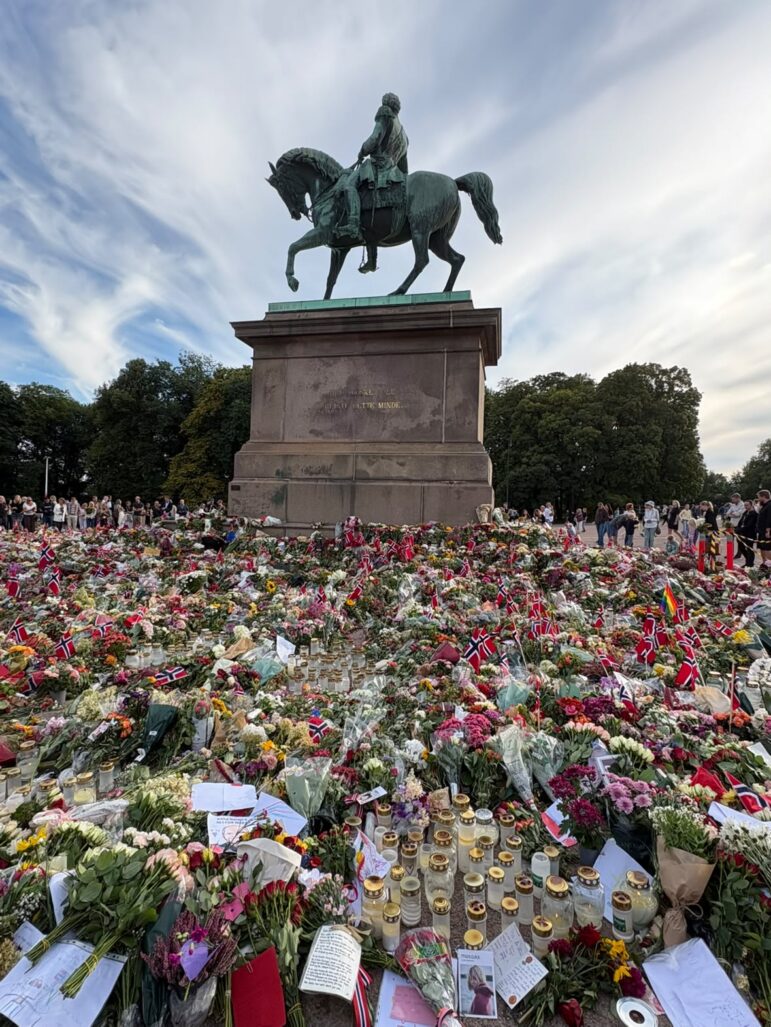
Citizens also flooded the streets of Oslo, leaving massive displays of floral tributes and handwritten notes in front of the Royal Palace. The national grief echoed the solemn unity displayed during the aftermath of the 2011 terror attacks, where King Harald’s steady, empathetic voice helped soothe a traumatized nation.
Implications: The Transition to King Haakon VIII
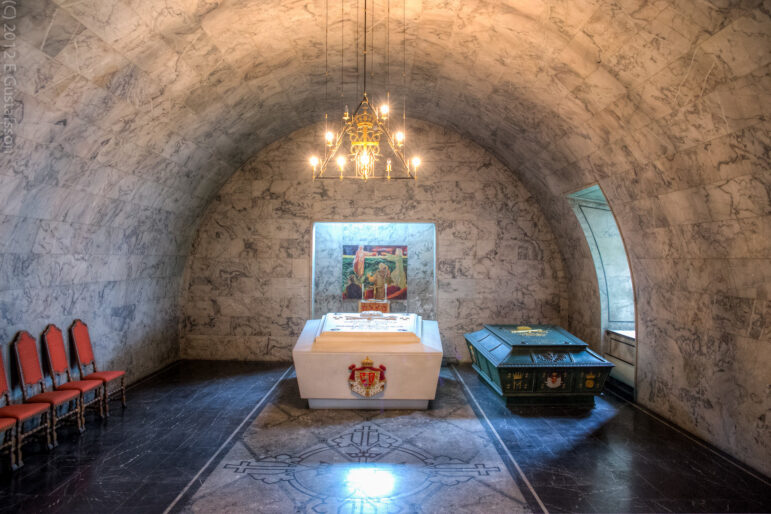
The passing of King Harald V initiates a significant transitional period for Norway. On Tuesday, September 1, as the late king’s remains rested in the Royal Palace chapel ahead of their final entombment in the historic crypt at Akershus Fortress—where his predecessors Haakon VII and Olav V lie—the crown officially passed.
King Haakon VIII formally swore his constitutional oaths before the Norwegian parliament (Stortinget), committing to uphold the nation’s laws and democratic framework. In a solemn tradition honoring unbroken continuity, King Haakon VIII announced the same royal motto chosen by his father, grandfather, and great-grandfather:
“Alt for Norge” — All for Norway.
As Norway bids farewell to a monarch who successfully balanced ancient heritage with modern human rights, the institution of the monarchy faces the future. King Haakon VIII inherits a crown defined not by absolute political power, but by the profound moral authority, inclusivity, and deep civic affection cultivated by his father over three and a half decades.
The public will continue to pay their final respects over the coming week before King Harald V is laid to rest beside his royal ancestors, leaving behind a legacy as the people’s king—a steady, unifying anchor in an ever-changing world.