







By Lyonel Perabo
Published: September 6, 2026
Category: Europe / The Wild Hunt
Main Facts
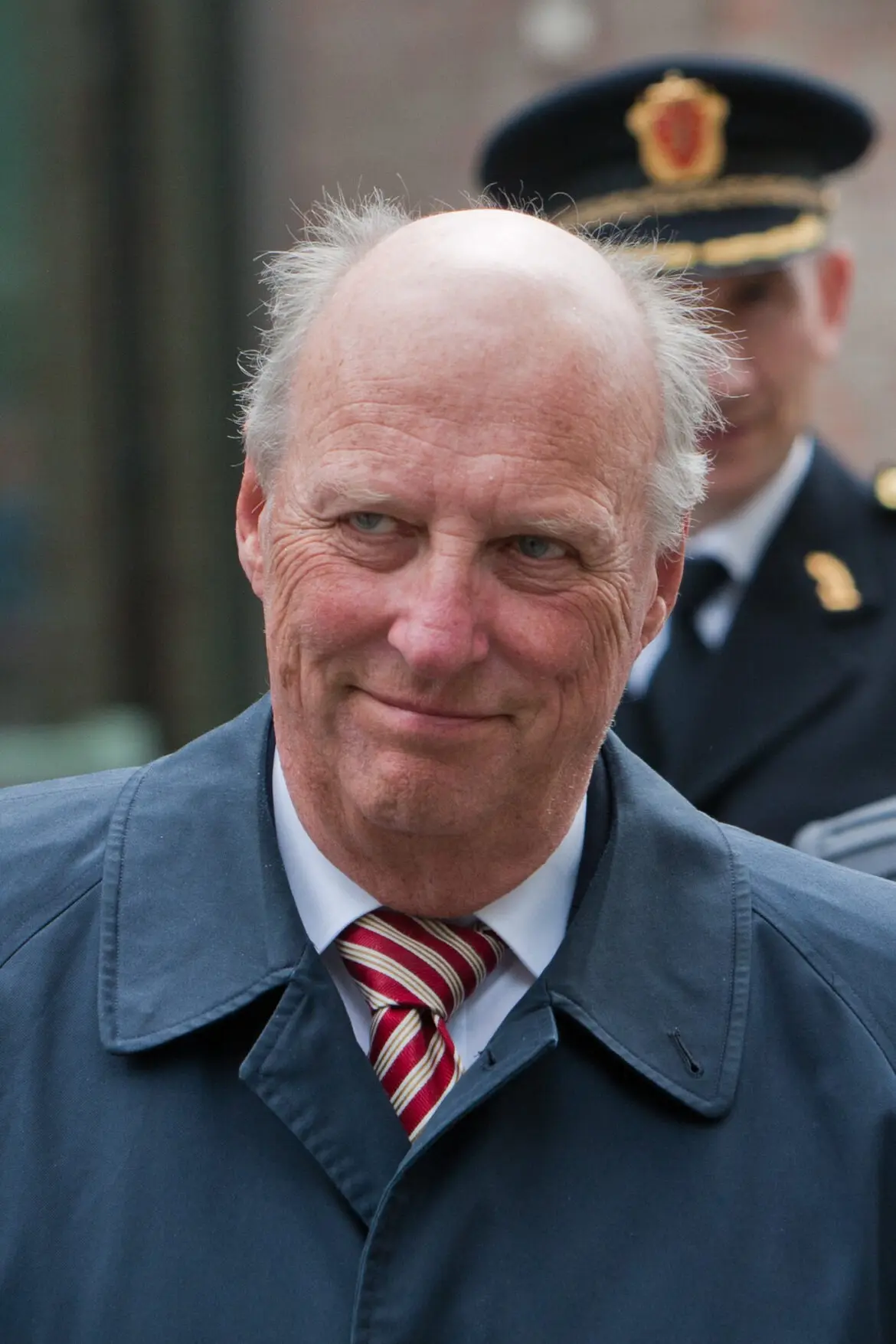
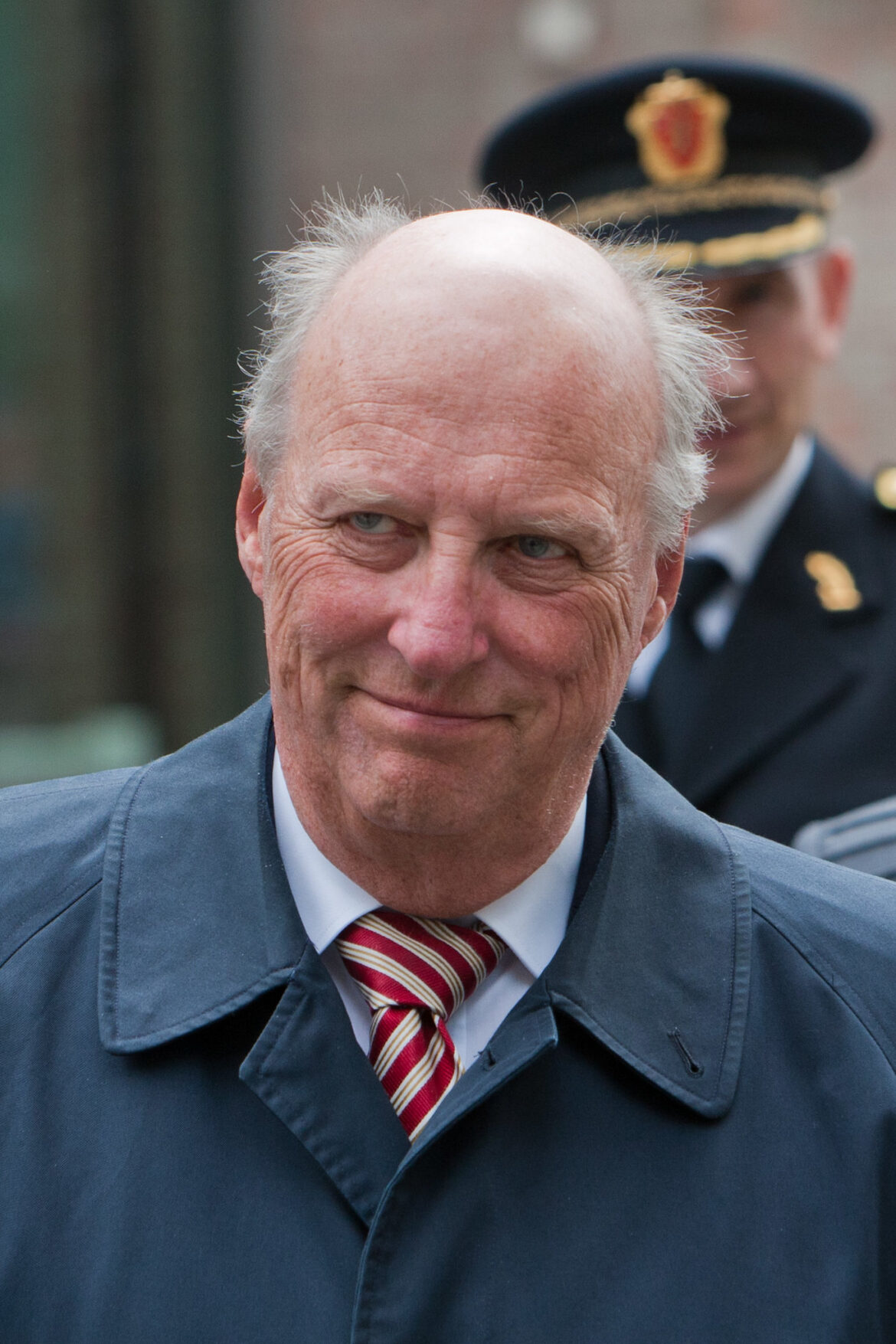
On Friday, August 28, 2026, His Majesty King Harald V of Norway passed away at Oslo University Hospital at the age of 89. His death marks the end of a remarkable 35-year reign that defined modern Norway, blending deep-rooted historical continuity with progressive social values. As the sovereign who anchored the nation through times of immense joy and profound tragedy, King Harald was far more than a constitutional figurehead; to many Norwegians, he functioned as a unifying secular anchor, a moral compass, and a beloved national symbol.
King Harald’s passing initiates a seamless constitutional transition. His son and heir, formerly Crown Prince Haakon, has officially ascended to the throne as King Haakon VIII. Following traditional solemnities, King Haakon formally swore his oath to the Norwegian Storting (parliament), pledging to uphold the nation’s laws and constitution. In keeping with a proud dynastic tradition shared by his father, grandfather, and great-grandfather, King Haakon VIII announced his royal motto: Alt for Norge—"All for Norway."
While the royal household prepares for the state funeral and the transfer of King Harald’s remains to the royal crypt at Akershus Fortress, tributes have flooded in from across the globe. Domestically, the response has transcended political, cultural, and religious lines, with minority faith groups, indigenous Sámi leaders, and secular organizations uniting to honor a monarch who spent decades championing inclusivity, pluralism, and human dignity.
Chronology of a Royal Life
The life of King Harald V spanned nearly nine decades of sweeping geopolitical transformation, bridging the turbulence of the Second World War with the digital, multicultural Norway of the 21st century.
- February 21, 1937: Harald is born at the royal estate of Skaugum outside Oslo, making him the first Norwegian monarch born on domestic soil since the 14th century—a fact that heavily reinforced his status as a native son of the nation.
- April 1940: Following the sudden Nazi German invasion of Norway, the young prince and his family are forced into a harrowing flight. While other family members seek refuge elsewhere, Harald and his immediate family spend the next five years under American protection, residing in Washington, D.C., and Maryland, where he forms a close acquaintance with U.S. President Franklin D. Roosevelt.
- 1957: Following the death of his grandfather, Haakon VII, Harald’s father ascends the throne as King Olav V. Harald becomes Crown Prince, stepping increasingly into public duties and representing Norway internationally, including as an accomplished Olympic sailor.
- 1968: In a move that challenges traditional royal protocols and sparks intense public debate, Crown Prince Harald marries commoner Sonja Haraldsen after a nearly decade-long courtship, cementing a partnership that would profoundly humanize the modern Norwegian monarchy.
- January 17, 1991: Following the death of King Olav V, Harald ascends the throne as King Harald V at the age of 53.
- 1997: During an official visit to the Norwegian Sámi Parliament (Sámediggi), King Harald issues an extraordinary and historic apology to the indigenous Sámi people for the state’s historical assimilation and "Norwegianization" policies.
- July and August 2011: In the wake of the devastating July 22 terrorist attacks by far-right extremist Anders Behring Breivik—which claim 77 lives—King Harald delivers a series of addresses that articulate the nation’s collective grief, emphasizing democracy, openness, and human warmth over hatred and fear.
- 2016: King Harald delivers a viral, widely publicized speech on the grounds of the Royal Palace grounds championing diversity, stating unequivocally that Norwegians come from all walks of life, faiths, ethnicities, and sexual orientations.
- August 28, 2026: King Harald V passes away peacefully at Oslo University Hospital at the age of 89, surrounded by his family.
- September 1, 2026: King Harald’s remains are moved to the Royal Palace chapel to lie in state, while Crown Prince Haakon formally takes his constitutional oath before the Storting as King Haakon VIII.
Supporting Data and Heritage
King Harald V’s genealogical lineage positioned him at the center of European royal history. Through his Danish and Swedish ancestry, he was closely tied to nearly every reigning and deposed royal house on the continent. Furthermore, genealogical lore—traceable down through medieval and Viking Age chronicles—linked the House of Glücksburg to the semi-legendary, pre-Christian rulers of Scandinavia.

Despite these ancient roots, the modern Norwegian monarchy operates strictly within a constitutional framework. Yet, King Harald actively engaged with the institutional mechanisms of the state, particularly when church-state relations were reformed in the late 2000s. While secular politicians pushed to entirely sever ties between the government and the state Church of Norway, King Harald intervened behind the scenes. Consequently, proposals to completely abolish the constitutional requirement that reigning monarchs must adhere to the Evangelical-Lutheran faith were modified, preserving a centuries-old tradition where the King serves as the nominal supreme governor of the national church.
Beyond governance, King Harald’s cultural footprint was measured by his ability to transcend partisan politics. As noted by Norwegian cultural commentator and podcaster Erik Storesund, the King functioned as a "domestic deity" or an "object of civic worship" in a largely secularized society. In a country where church attendance has plummeted and formal religious identification has waned, the monarchy serves as a psychological and cultural replacement for state religion—an enduring focal point for community solidarity during times of national trauma or celebration.
Official Responses and Pluralistic Tributes
In the hours following the announcement of King Harald’s death, expressions of grief and admiration poured in from every corner of Norwegian society. What makes the national mourning unique is the broad-based endorsement from minority faith communities, who praised the King’s lifelong commitment to religious freedom and social inclusion.

- Åsatrufellesskapet Bifrost: The primary national organization for modern Norse Paganism and Heathenry in Norway issued a warm and respectful tribute. Highlighting the King’s ancestral ties to the mythological fabric of early Scandinavia, the organization praised his modern stewardship of tolerance and pluralism.
- The Norwegian Buddhist Union: Released a statement acknowledging King Harald’s unwavering defense of minority rights, noting that under his reign, all spiritual paths found a protected and respected place within Norwegian society.
- Sikh and Hindu Communities: Representatives from the Gurduara Sri Guru Nanak Dev Ji and the Hindu religious community Sanatan Mandir Sabha released joint statements expressing deep condolences, emphasizing that King Harald’s 2016 speech on Norwegian identity made immigrants and religious minorities feel truly at home in the Nordic country.
- Political Leadership: Prime Minister and parliamentary leaders from across the political spectrum suspended ordinary political debates to pay homage. Tributes underscored how King Harald managed the delicate balance of reigning over a democratic welfare state without ever alienating any political faction.
International leaders, including the monarchs of Sweden, Denmark, the United Kingdom, and heads of state across the European Union, also transmitted formal condolences, noting King Harald’s personal warmth, humility, and steady diplomatic presence on the world stage.
Implications for the Future
The transition from King Harald V to King Haakon VIII marks a pivotal psychological milestone for Norway. For three and a half decades, Harald was a permanent fixture of national stability—a grandfatherly figure who steered the ship of state through economic shifts, technological revolutions, and unimaginable tragedies like the 2011 Utøya massacre.
The immediate implication of this succession is continuity. King Haakon VIII has spent decades preparing for this exact role, working alongside his father as Crown Prince Regent during Harald’s periodic health battles in recent years. By choosing the traditional royal motto Alt for Norge, Haakon VIII signals a fierce dedication to preserving the core values of his forebears: public service, national unity, and constitutional loyalty.
However, the new monarch inherits a rapidly evolving nation. Modern Norway is increasingly multicultural, secular, and digitally interconnected. The challenge for King Haakon VIII will be to maintain the intimate, almost mythical bond that his father forged with the Norwegian populace while adapting the institution of the crown to a younger generation that may view traditional structures with greater skepticism.
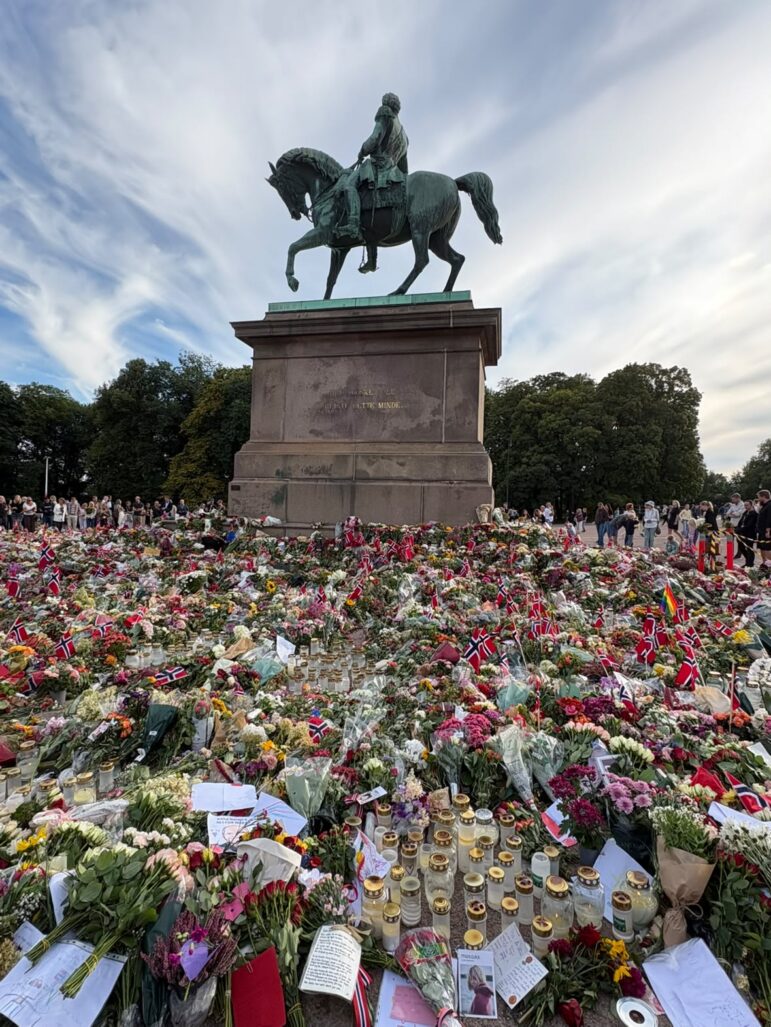
As thousands of mourners continue to lay floral tributes outside the Royal Palace in Oslo, and as King Harald’s body prepares to join those of his father (Olv V) and grandfather (Haakon VII) in the dark stone crypt of Akershus Fortress, the nation pauses. The "domestic deity" of modern Norway has laid down his crown, but the legacy of Harald Rex—defined not by raw power, but by radical empathy, inclusivity, and quiet strength—will echo through Norwegian history for generations to come.