






By the Global Crystal Watch Desk
Published: October/November 2024
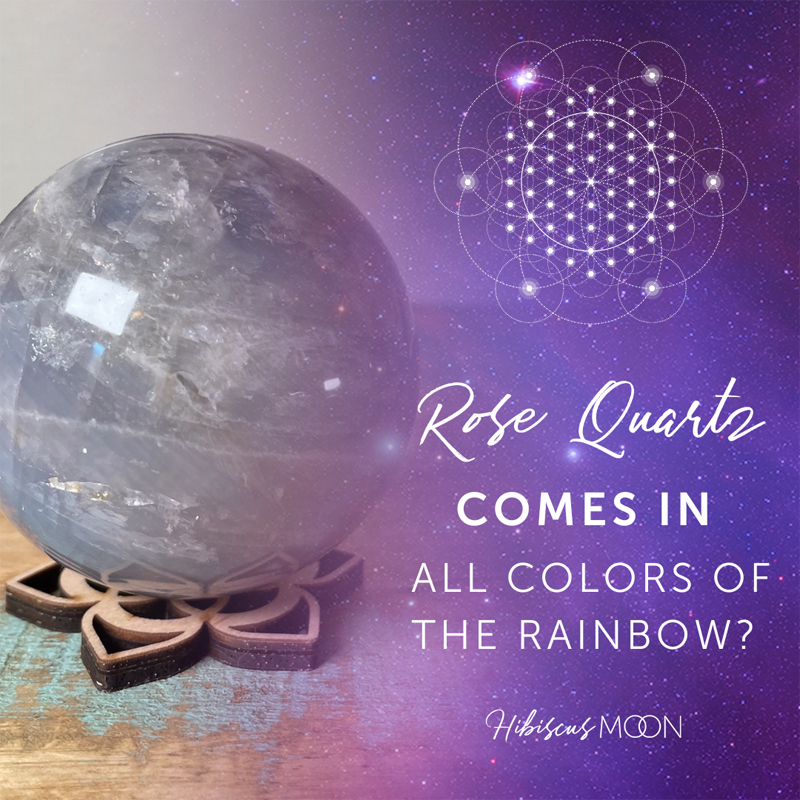
Main Facts: Unmasking the "Blue Rose Quartz" Trend
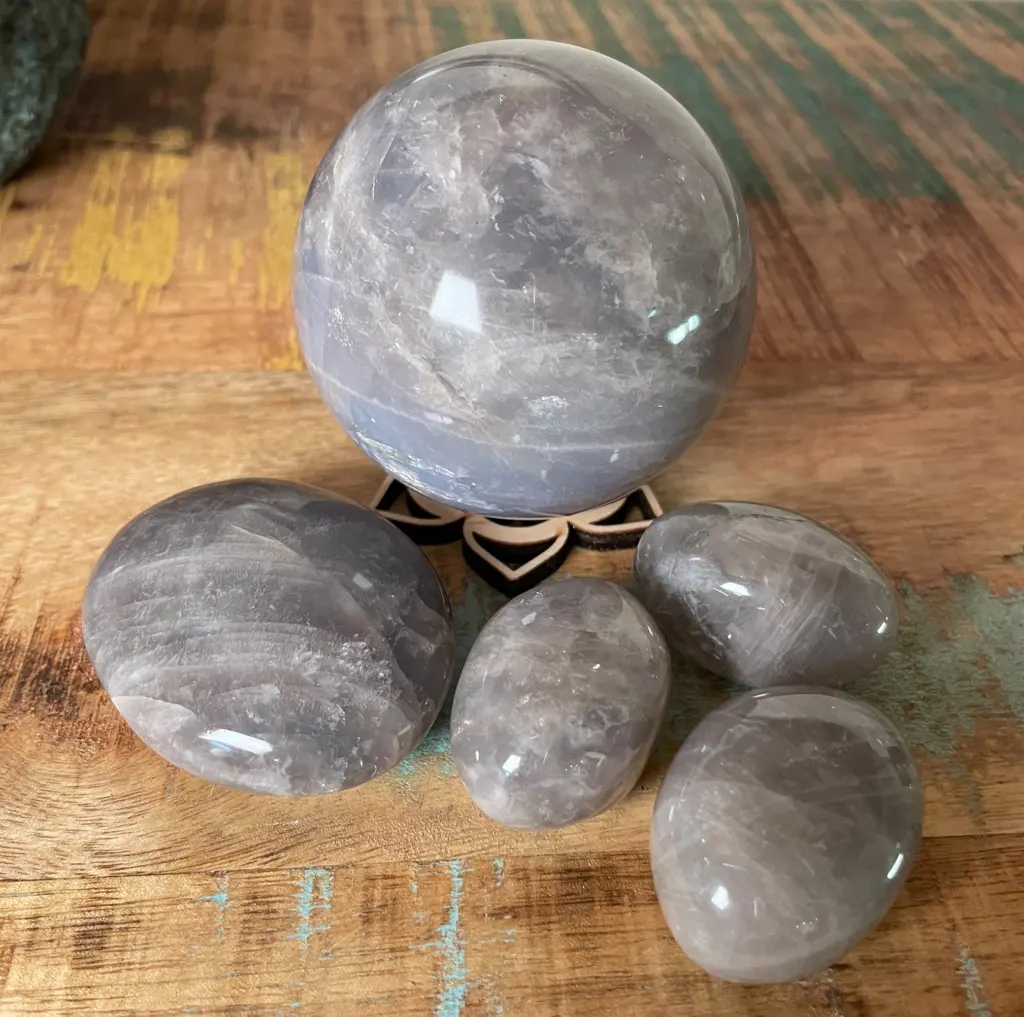
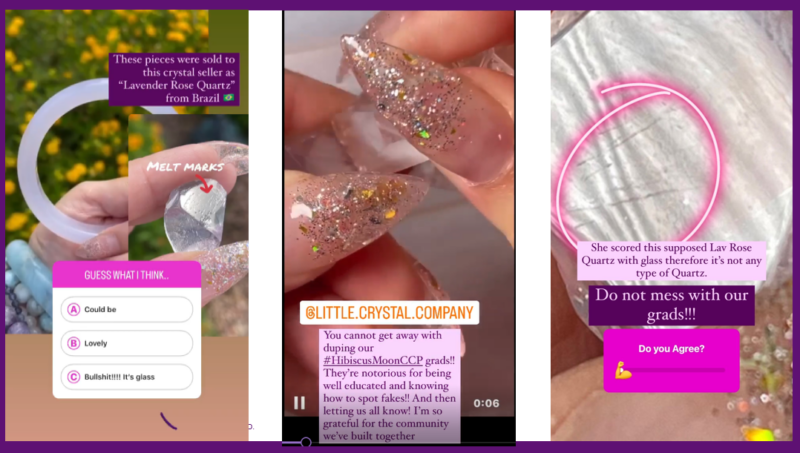
In the ever-expanding global crystal and metaphysical market, consumers are increasingly targeted by clever marketing terminology that masks the true geological identity of mineral specimens. The latest focal point of deception and misrepresentation is a material commercialized widely as "Blue Rose Quartz" or "Lavender Rose Quartz," often touted as an exotic, high-grade import originating from Madagascar.
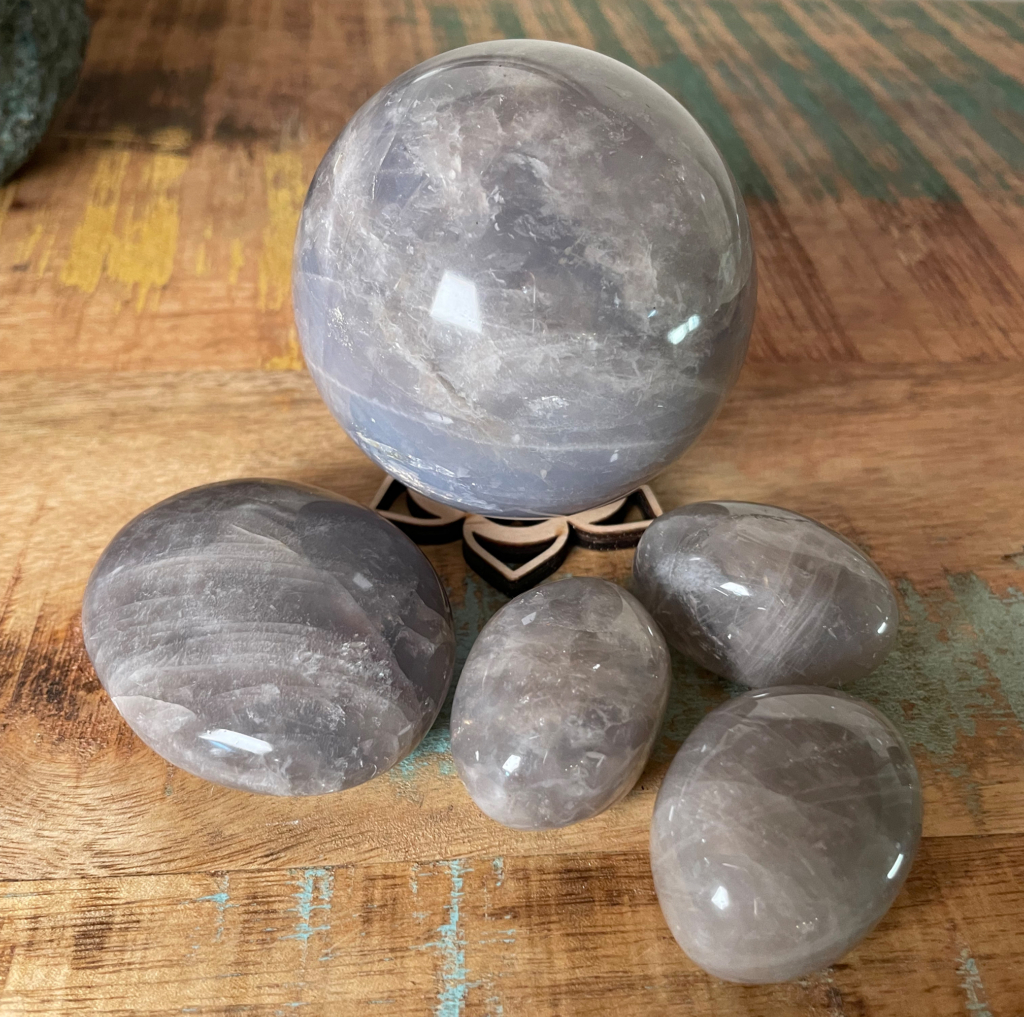
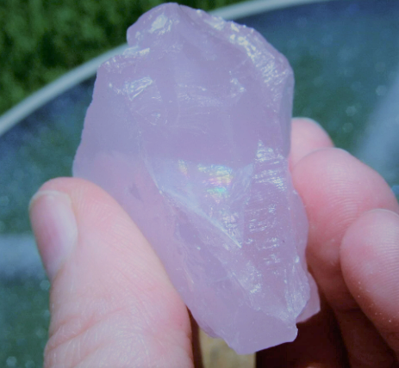
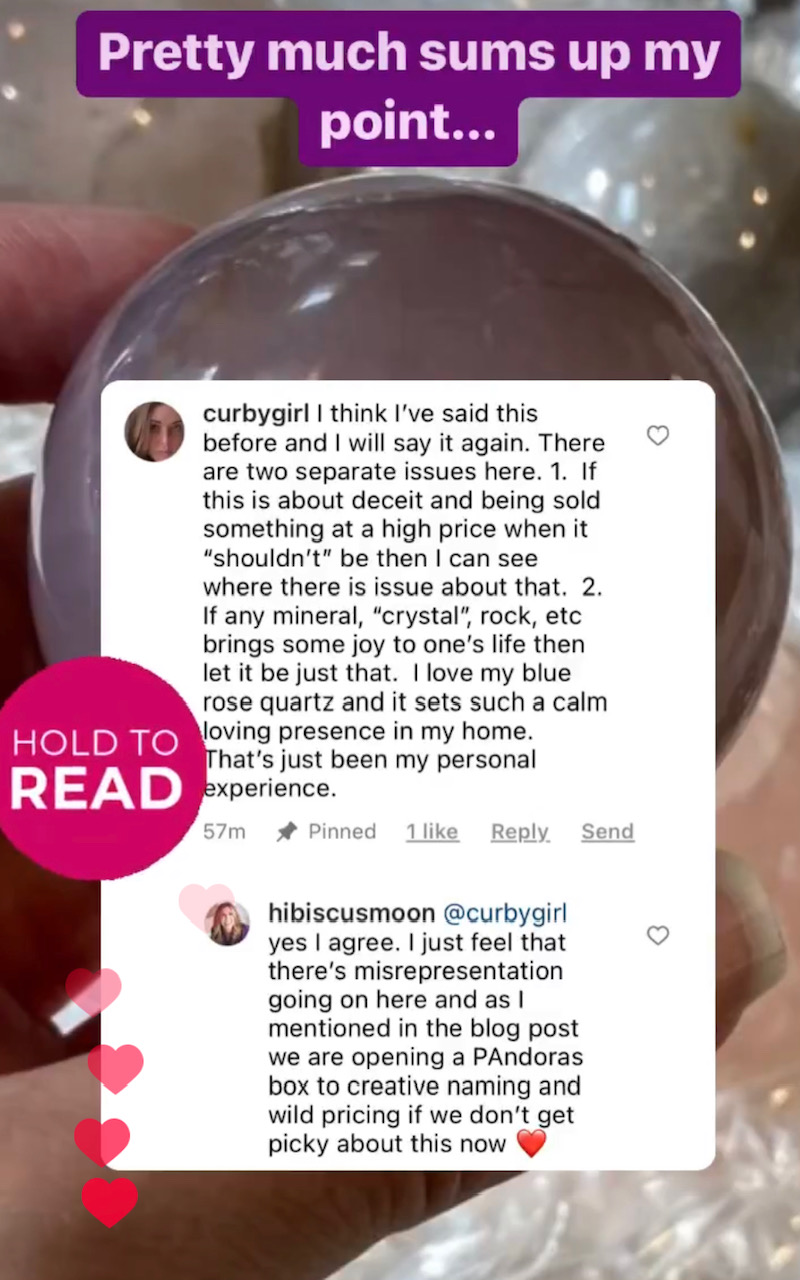
According to geological experts, veteran educators, and certified gemological assay reports, "Blue Rose Quartz" is a misnomer. Geologically, authentic rose quartz owes its signature pink hue to microscopic, nanofibrous mineral inclusions—specifically, a material closely related to dumortierite—embedded within the macrocrystalline quartz matrix. By definition, if a quartz specimen lacks this characteristic pink coloration and presents instead as blue, lilac, or bluish-white, it cannot scientifically be classified as rose quartz.
Instead, much of the material circulating under these ethereal marketing names falls into one of several mundane categories:
- Low-Grade Quartz and Amethyst: Historically graded by stone-selling markets as low-tier ("Grade D" or "Grade C") milky quartz or heat-bleached low-grade amethyst. When certain quartz varieties are subjected to high thermal treatments (exceeding 500°C or 932°F), their original coloration shifts or fades, frequently leaving behind a hazy, milky, or slightly bluish translucent appearance.
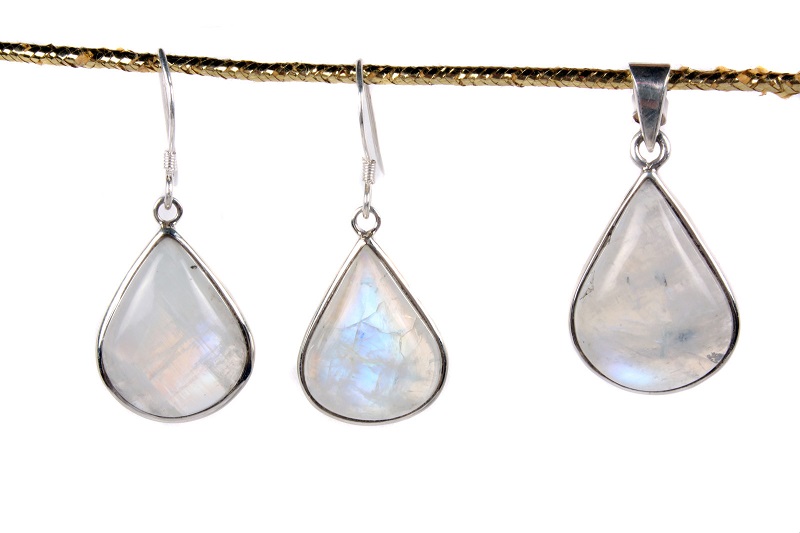
- Girasol Opalized Quartz: Some specimens exhibit the "girasol effect"—an optical phenomenon characterized by a milky, glowing, or ghost-like bluish-white light scattering caused by tiny water droplets trapped within the silica matrix during formation. While visually striking, this is a form of opalized quartz rather than genuine rose quartz.
- Direct Imitations: In the worst-case scenarios, manufactured glass or synthetic composites are passed off to unsuspecting buyers under exotic trade names.
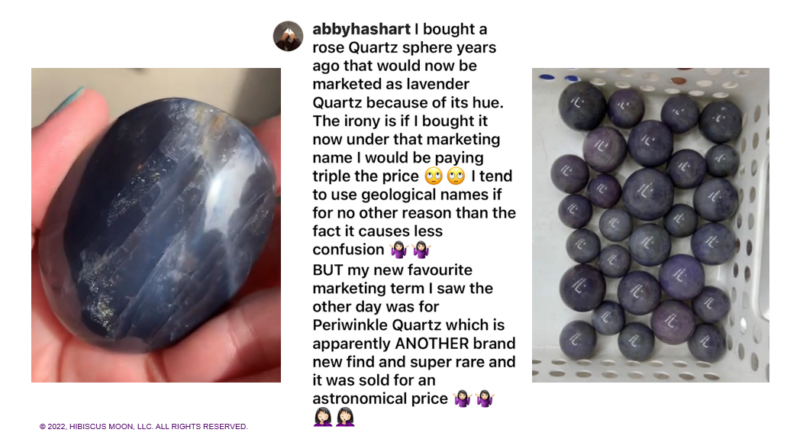
Industry veterans argue that the rise of "Blue Rose Quartz" and its dark counterpart, "Black Rose Quartz," represents a lucrative pivot by vendors. Rather than selling abundant, low-tier mineral stock under traditional, budget-friendly grading systems, marketers have rebranded these common stones with spiritualized, high-end terminology to drastically inflate retail prices.
Chronology of an Industry Misrepresentation
The timeline of how this trend developed highlights the growing gap between commercial marketing and foundational geological science within the metaphysical community:
- Pre-2010s: Low-grade, hazy, and pale lilac or milky quartz variants were widely recognized across wholesale and retail gem markets as budget-friendly, lower-tier stones. They were typically sold transparently as pale amethyst, common milky quartz, or low-grade rose quartz without inflated price tags.
- The 2010 Shift: Veteran crystal educators and geology advocates began publishing early warnings and educational series regarding "crystal fakes" and market misrepresentations to bridge the information gap for everyday consumers.
- Late 2022: A sudden surge of inquiries flooded crystal education academies, such as the Hibiscus Moon Crystal Academy. Certified Crystal Practitioner (CCP) students and independent collectors began reporting an influx of stones marketed explicitly as "Blue Rose Quartz from Madagascar" appearing across digital storefronts and social media platforms.
- Late 2022 Onward: Dedicated gemstone retailers and mineralogical researchers initiated independent mineral testing. Specialized distributors, such as Little Lemuria, commissioned formal geological assay reports to scientifically analyze the composition of these trending stones, confirming their true mineralogical makeup and pushing back against misleading trade names. Concurrently, online communities mobilized to educate buyers, shifting the burden of consumer protection onto an empowered network of mineral enthusiasts.
Supporting Data and Scientific Analysis
To understand the mechanics behind the "Blue Rose Quartz" phenomenon, one must examine the baseline mineralogy of quartz ($SiO_2$) and the thermal or structural anomalies that alter its appearance.
Mineralogical Assays and Testing
When independent gemstone retailers subjected samples of the commercialized "Blue Rose Quartz" to rigorous mineralogical testing, the results consistently contradicted the marketing claims. Assays revealed that the stones lacked the specific structural inclusions definitive of authentic rose quartz. Instead, the samples aligned more closely with heat-treated amorphous silicas, opalized quartz, or low-crystallinity quartz matrices influenced by trace elemental inclusions.
The Thermal Alteration of Quartz
Geological experiments demonstrate that applying intense heat—often in industrial settings to artificially enhance or alter stone colors—can radically change a mineral’s optical properties:
- Amethyst Bleaching: Low-grade amethyst heated above 932°F (500°C) loses its characteristic purple or violet color.
- Fluid Inclusion Activation: The extreme heat can force microscopic water droplets to coalesce within the crystal lattice.
- The Girasol Effect: This internal moisture dispersion creates a hazy, milky-blue optical phenomenon known as girasol (derived from the Italian for "turning sun"). While aesthetically unique, this process transforms the stone into an opalized quartz variant, entirely distinct from rose quartz.
The Pricing Disconnect
Market analysis reveals a stark contrast in economic valuation:

| Material Classification | Traditional Market Perception | Modern Rebranded Marketing |
|---|---|---|
| Low-Grade Milky Quartz / Pale Amethyst | Plentiful, inexpensive, low-tier ("Grade D") | "Blue Rose Quartz" / "Lavender Rose Quartz" |
| Pric Point Impact | Sold by weight at very low margins | Sold at a premium due to "rare spiritual properties" |
Experts emphasize that while these stones are not inherently "worthless" in terms of aesthetic or personal enjoyment, the deliberate obfuscation of their geological identity to justify exorbitant markups is deceptive.

Official Responses and Industry Perspectives
The community response to the proliferation of "Blue Rose Quartz" has been spearheaded by independent mineralogists, former science educators, and certified crystal practitioners who advocate for radical transparency in the gem trade.

The Educator’s Stance
Prominent figures in crystal education have continuously criticized the trend of inventing poetic, unscientific trade names for common minerals. Former science department heads and geology postgraduates have pointed out that allowing this trend to proceed unchecked will inevitably lead to an endless cascade of fictitious marketing names—such as the recently documented "Black Rose Quartz."

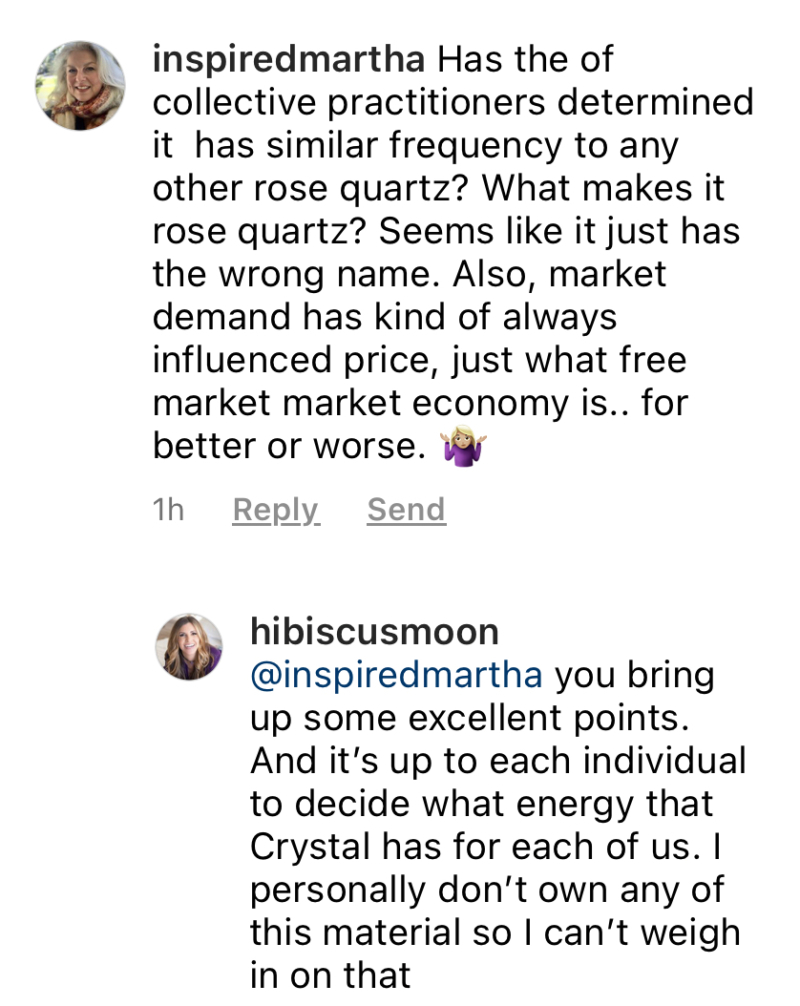
Educators emphasize a critical distinction: calling out a misrepresentation is not an indictment of the stone’s energetic or aesthetic value. Beauty remains subjective, and a lower-grade mineral can still bring joy and personal resonance to a practitioner. However, the objection lies squarely in the realm of consumer fraud: renaming abundant, low-cost inventory to manufacture artificial scarcity and inflate prices violates ethical retail standards.

Retailer Accountability
Forward-thinking crystal enterprises have taken proactive measures, including publishing transparent mineral assay reports on public platforms to educate their customer base. These retailers emphasize that consumer empowerment relies on verifiable scientific data rather than anecdotal marketing claims.

Furthermore, community guidelines established across major crystal education platforms strictly prohibit public shaming, doxxing, or aggressive attacks against individual sellers. Instead, the focus remains strictly on education, elevating industry standards, and encouraging buyers to ask critical questions about provenance and composition.

Implications for Consumers and the Global Crystal Market
The normalisation of mislabeled minerals carries significant implications for both the metaphysical community and the broader gemstone trade.

1. Financial Exploitation and Consumer Trust
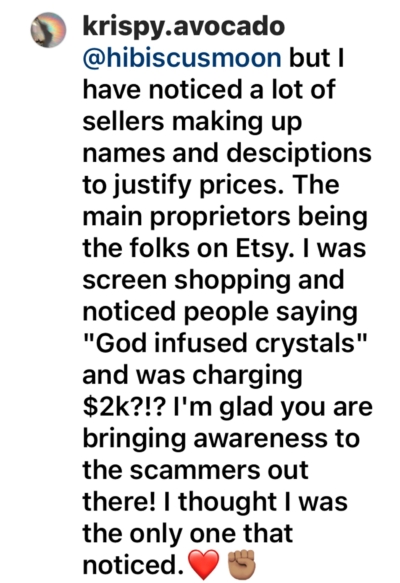
When common minerals are deceptively marketed as rare geological anomalies, consumers pay inflated prices based on false premises. Over time, this erodes trust between buyers and retailers, harming ethical small-business owners who pride themselves on accurate labeling and sourcing transparency.

2. The Dilution of Mineralogical Literacy
As marketing terms overshadow scientific nomenclature, the general public’s understanding of foundational geology declines. Terms like "Rose Quartz," "Amethyst," and "Opal" carry specific scientific definitions based on chemical composition and crystal systems. Blurring these lines hinders educational efforts and makes consumers more vulnerable to sophisticated marketing tricks.

3. Empowerment Through Education
The silver lining of the "Blue Rose Quartz" controversy is the mobilization of an informed consumer base. Armed with geological knowledge, crystal practitioners are increasingly performing their own due diligence, demanding assay reports, and holding suppliers accountable.

As veteran educators note, the ultimate defense against market trickery is proactive learning:

- Verify the Source: Purchase from reputable dealers who demonstrate deep knowledge of mineralogy.
- Question the Pricing: If a supposedly "rare" variety is abundantly available in massive quantities at high prices, investigate further.
- Look Beyond the Name: Understand that color variations outside the scientific definition of a mineral (such as blue quartz sold as rose quartz) indicate a different mineral species or an artificial treatment.
Ultimately, the crystal community stands at a crossroads. By rejecting deceptive marketing ploys and embracing scientific literacy, buyers and sellers alike can preserve the integrity of the mineral market for generations to come.