








September 17, 2026
By Sela Breen
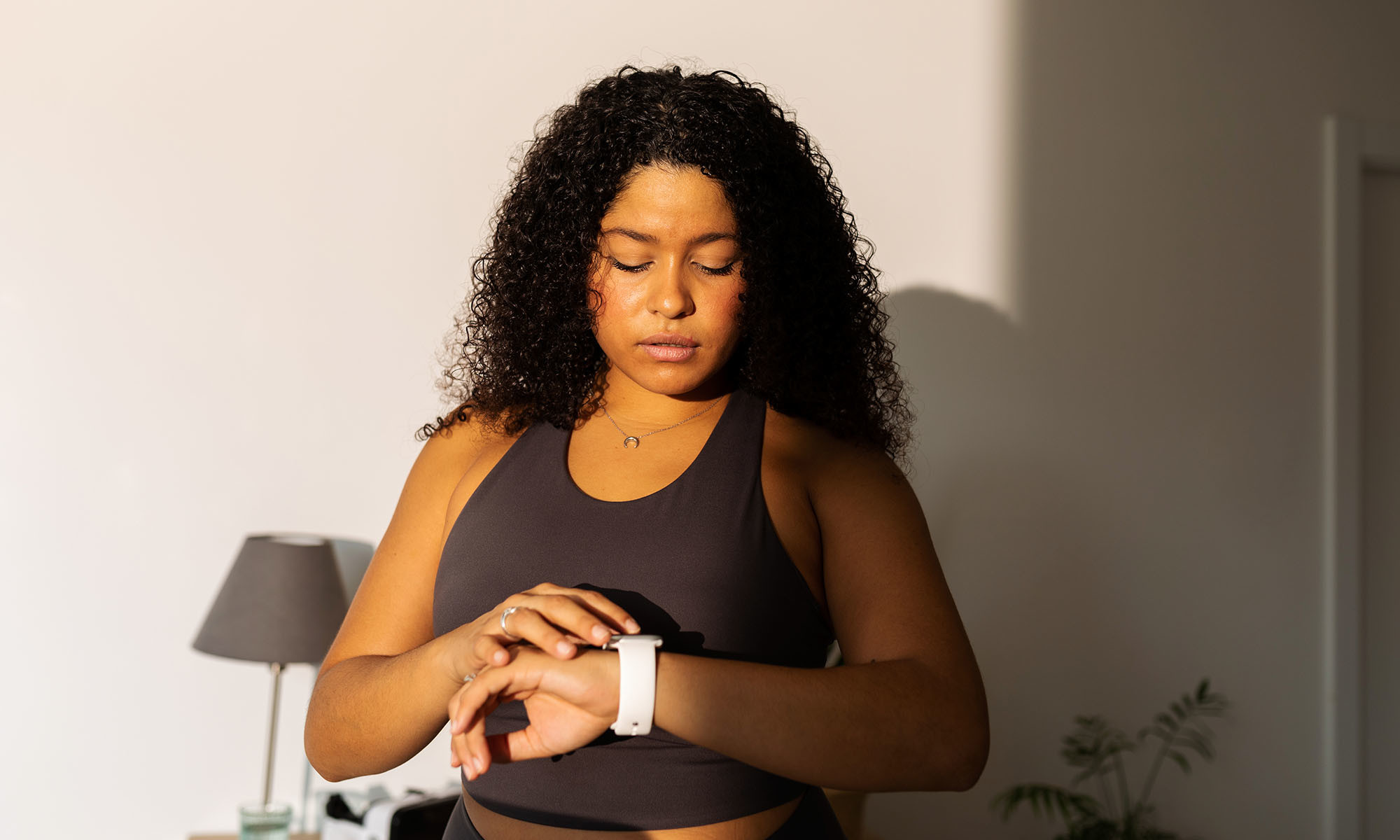
For millions of people around the globe, checking a smartphone or smartwatch first thing in the morning has become as routine as brewing coffee. Before even getting out of bed, users swipe through sleek mobile applications to review their nightly sleep scores, parsing out percentages of deep sleep, rapid eye movement (REM) phases, and overall restfulness. According to the American Academy of Sleep Medicine (AASM), nearly half of all American adults now regularly use some form of consumer sleep-tracking device.
Yet, a growing body of sleep science suggests that the rosy numbers glowing from our wrists may be painting an overly optimistic picture of our actual rest. Recent clinical research comparing consumer- and research-grade wearables directly against gold-standard laboratory tests reveals a noticeable gap between what trackers think is happening under the covers and the physiological reality of human sleep. While these gadgets offer a convenient lens into our daily routines, experts warn that treating a wearable’s sleep score as an infallible medical diagnosis could be leading many astray.
Main Facts: Wearables vs. The Sleep Lab
To understand the discrepancy between consumer technology and clinical diagnostics, researchers must first look at how each system measures sleep.
Consumer and research-grade wearables—such as actigraphy watches, smart rings, and fitness bands—primarily rely on accelerometers and photoplethysmography (PPG) sensors. Accelerometers track physical movement, registering stillness as sleep and motion as wakefulness. PPG sensors use light to monitor heart rate and blood flow, estimating autonomic nervous system activity throughout the night.
In contrast, clinical sleep diagnostics rely on polysomnography (PSG), conducted in specialized sleep laboratories or through comprehensive at-home kits. Polysomnography is universally considered the gold standard of sleep medicine because it captures a holistic view of neurological and physiological activity. It simultaneously records:
- Electroencephalography (EEG): Brain wave activity, which allows technicians to map specific sleep stages (light, deep, and REM).
- Electrooculography (EOG): Eye movements, crucial for identifying REM sleep.
- Electromyography (EMG): Muscle tension and movement, helping detect conditions like periodic limb movement disorder.
- Cardiorespiratory measurements: Heart rhythms, blood oxygen levels, airflow, and respiratory effort.
When a recent study evaluated 107 patients over eight nights at a sleep clinic, the limitations of non-clinical devices became apparent. While participants underwent polysomnography, they simultaneously wore a research-grade actigraphy device (the MotionWatch 8) to test how accurately movement-based trackers capture sleep metrics.
The findings showed that while wearables are generally reliable at estimating total sleep time in a broad sense, they stumble when evaluating nuances like sleep fragmentation, restlessness, and micro-awakenings. On average, the devices:
- Overestimated total sleep time by 27 minutes.
- Overestimated sleep efficiency (the percentage of time in bed actually spent asleep) by 6%.
- Underestimated time spent awake during the night by 15 minutes.
In short, your wearable knows roughly how many hours you spent in bed, but it routinely misses the subtle, choppy disruptions that prevent true restorative sleep.
Chronology of Sleep Tracking: From Lab Mystique to Wrist-Bound Routine
The journey toward modern sleep tracking spans nearly a century of medical breakthroughs, shifting the study of slumber from mysterious hospital basements to consumer wrists.
- 1929 – The Discovery of Brain Waves: German psychiatrist Hans Berger invents the electroencephalogram (EEG), recording human brain electrical activity for the first time. This foundational discovery paves the way for modern sleep stage categorization.
- 1953 – The Discovery of REM Sleep: Researchers Eugene Aserinsky and Nathaniel Kleitman identify Rapid Eye Movement (REM) sleep, linking it to dreaming and proving that sleep is a dynamic, highly active neurological state rather than a simple blackout period.
- 1970s–1980s – The Birth of Polysomnography: Sleep medicine formalizes as a distinct medical discipline. Polysomnography becomes the established diagnostic tool for sleep disorders like obstructive sleep apnea and insomnia, requiring patients to spend a night wired to dozens of sensors in a clinical setting.
- 1990s – The Rise of Actigraphy: Medical researchers begin utilizing wrist-worn actigraphs—devices resembling rugged digital watches—to monitor circadian rhythms and movement patterns over weeks at a time, moving beyond single-night lab tests.
- 2010s – The Consumer Tech Boom: Accelerometers shrink dramatically in size and cost, enabling fitness trackers and smartwatches to enter the consumer market. Sleep tracking shifts from a clinical diagnostic specialty to a mainstream wellness metric.
- Mid-2020s – The Validation Gap: As nearly 50% of the population adopts wearable sleep tech, sleep scientists launch widespread comparative studies to evaluate how commercial algorithms hold up against actual clinical data, revealing systemic biases toward "optimistic" sleep scoring.
Supporting Data and Variables Affecting Sleep Scores
The recent study highlights that wearable accuracy is not uniform across all demographics or environments. Several key variables influence how closely a device’s readings align with polysomnography results:
1. Age and Neurological Changes
As humans age, sleep architecture naturally shifts. Older adults tend to experience more fragmented sleep, lighter sleep stages, and increased nocturnal awakenings. The study found that tracking accuracy varied across age groups, as algorithms optimized for average or younger adult physiology struggled to correctly classify the more complex sleep patterns of older demographics.
2. Physical Conditions and Parasomnias
Underlying medical issues severely test the limits of movement-based algorithms. For instance, periodic limb movement disorder (PLMD)—characterized by involuntary leg twitching or jerking during sleep—frequently confuses wearable devices. Because the tracker registers physical movement, it may misinterpret a limb twitch as an indicator of wakefulness, or conversely, fail to recognize that restless physical micro-movements are preventing the sleeper from reaching deep, restorative sleep stages.
3. The "First-Night Effect" and Environmental Settings
Where you sleep matters immensely. Sleep clinics are inherently clinical, unfamiliar environments filled with medical equipment, which naturally induces mild anxiety and alters a patient’s natural sleep architecture—a phenomenon known in sleep medicine as the "first-night effect."
When the exact same monitoring devices are used in a lab versus a familiar home bedroom, the resulting data shifts. Wearable algorithms often struggle to separate environmental novelty stress from true pathological sleep disturbances. Consequently, comparing a night spent in a restless hotel room to a comfortable night at home can drastically skew your morning sleep score, regardless of how well the device is functioning.
Official Responses and Medical Perspectives
Medical professionals and sleep specialists emphasize that the recent findings should not cause panic among consumers, but rather prompt a reevaluation of how people interpret health data.

"Your sleep tracker isn’t lying to you—it’s simply doing the best it can with the limited physiological data it has access to," notes clinical sleep research literature. Wearable devices possess an inherent algorithm bias toward optimism, smoothing over minor restlessness and underreporting nighttime awakenings to deliver a neat, satisfying numerical score each morning.
The American Academy of Sleep Medicine (AASM) has frequently cautioned that consumer sleep tech is not cleared or designed for medical diagnostics. Sleep physicians point out that while a smartwatch can flag broad lifestyle trends—such as the impact of late-night alcohol consumption, irregular bedtimes, or high stress levels—it cannot diagnose complex medical conditions like sleep apnea, restless legs syndrome, or chronic clinical insomnia.
Furthermore, psychologists have identified a emerging psychological phenomenon known as orthosomnia: an unhealthy fixation on achieving a "perfect" sleep score on a wearable device. Ironically, the anxiety caused by obsessing over a low sleep score often exacerbates insomnia, creating a vicious cycle of stress and poor rest.
Implications: How to Use Your Tracker Wisely
Given that consumer sleep wearables tend to overestimate sleep duration and efficiency while glossing over night-time restlessness, how should modern users interact with their devices? Experts recommend shifting perspective from viewing wearables as rigid medical monitors to treating them as general wellness guides.
Practical Steps for Smarter Tracking:
- Focus on Trends, Not Single Nights: A single low sleep score should not ruin your morning. Instead of reacting to isolated daily metrics, look at rolling 7-day or 30-day averages to spot genuine behavioral trends.
- Use Data as a Behavioral Nudge: Let your device guide lifestyle adjustments. If you notice your deep sleep consistently drops after consuming caffeine late in the afternoon or eating heavy meals before bed, use that insight to modify your evening habits.
- Recognize the Device’s Limits: Accept that your wrist-worn gadget is estimating your sleep based primarily on movement and heart rate. It cannot read your brain waves or definitively confirm whether you were in light or deep sleep.
- Consult Professionals for Persistent Issues: If you suffer from chronic fatigue, loud snoring, morning headaches, or unrefreshing sleep despite logging "good" scores on your app, bypass the tech and consult a board-certified sleep specialist for a comprehensive clinical evaluation.
The Takeaway
Consumer sleep trackers have revolutionized how the public thinks about rest, turning an invisible nightly necessity into an engaging, quantifiable metric. Yet, science confirms that a smartwatch on your wrist is no substitute for the electrodes and clinical precision of a sleep laboratory.
By understanding the inherent limitations of wearable algorithms—specifically their tendency to overestimate total sleep time and underestimate restlessness—users can reclaim a healthier relationship with their data. Rather than treating a morning sleep score as gospel, treat it as a helpful weather vane: useful for catching general trends, but ultimately secondary to how you actually feel when you wake up.