








Introduction: The Warrior Retreats Behind the Castle Walls
In the relentless machinery of the cosmos, planetary transits dictate the shifting tides of human behavior, societal priorities, and psychological impulses. Among the most fascinating and emotionally charged of these celestial shifts is the movement of Mars—the traditional astrological significator of drive, ambition, aggression, and raw physical energy—into the sensitive, water-dominant sign of Cancer.
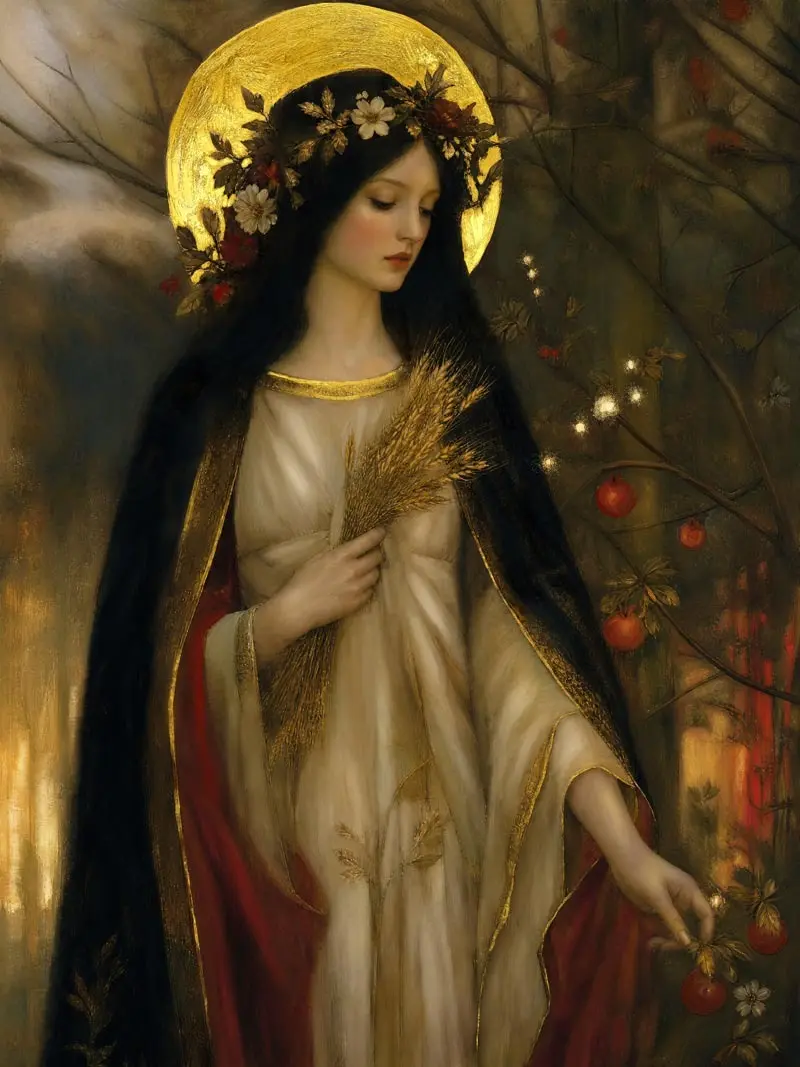
When Mars transits through Cancer, the traditional archetype of the charging warrior undergoes a profound metamorphosis. The sword is not discarded, but it is repurposed; the soldier steps back from the open battlefield and retreats behind the thick, weathered stone of castle walls. In this domestic domain, action is no longer guided by reckless impulse or the sheer desire for conquest. Instead, motivation becomes intrinsically tied to emotion. Courage is expressed not through the subjugation of external territories, but through the fierce, unyielding protection of what is held most dear.
Mars in Cancer ceases to fight simply for the sake of winning. Under this celestial influence, humanity is called to battle for survival, emotional security, memory, family, and home. The resulting astrological climate is simultaneously deeply nurturing and surprisingly formidable. While Mars usually prefers to charge headfirst into the fray, Cancer’s deeply protective, shell-bound nature redirects that fiery kinetic energy. The focus shifts toward safeguarding loved ones, preserving fragile emotional bonds, and fortifying the foundations of our personal lives.
As this transit unfolds, it reveals the duality of the human spirit: our tender vulnerability paired with a terrifyingly tenacious instinct for self-preservation. Buried feelings are stirred from the deep, motivating individuals and communities alike to stand up for what matters most, even if that defense is executed from the shadows of emotional withdrawal rather than the glaring light of open confrontation.
Chronology and Astrological Mechanics: Understanding the Transit
To fully comprehend the societal and psychological implications of Mars in Cancer, one must examine the mechanics of the transit and its historical behavior within the zodiacal wheel. Astrologically, Mars is considered to be in its "fall" when placed in the sign of Cancer. This designation does not mean the transit is inherently negative or powerless; rather, it indicates that the assertive, fiery nature of Mars is fundamentally uncomfortable in the watery, subjective, and cardinal domain ruled by the Moon.
The Friction of Elements
Fire and water form an inherently volatile astrological combination. When Mars (fire) enters Cancer (water), the energy does not extinguish—instead, it turns to steam. This creates a pressurized, highly emotional environment where actions are deeply internalized.
- Phase One: The Gathering of Intellect and Emotion. As Mars first crosses the threshold into Cancer, the initial days are marked by a subtle psychological shift. Public discourse and private thoughts alike begin to pivot away from outward-facing ambitions, career milestones, and competitive drives. Instead, attention is drawn inward. People begin to evaluate the safety and stability of their domestic environments. Questions of housing, family stability, and emotional validation take center stage.
- Phase Two: The Fortification of Boundaries. As the transit deepens, the defensive mechanisms of the collective psyche harden. Individuals become acutely sensitive to perceived threats—not necessarily physical dangers, but emotional slights, boundary violations, and instability within family structures. This is the period when people retreat into their "shells," investing heavily in home improvements, community security, and internal processing.
- Phase Three: The Boiling Point and Breakthrough. Because Mars in Cancer struggles to express anger through direct, healthy confrontation, the latter stages of the transit frequently see an accumulation of passive-aggressive tension. Suppressed grievances, unhealed family dynamics, and historical emotional wounds bubble to the surface. This phase is characterized by sudden emotional breakthroughs, where long-standing resentments are either violently fractured or alchemized into deep, protective compassion.
Supporting Data and Psychological Implications: The Anatomy of Defensive Energy
Psychologists and astrologers tracking the behavioral trends associated with Mars in Cancer note a distinct shift in how individuals handle conflict, stress, and motivation during this period. Unlike the fiery impulsivity of Mars in Aries or the cool, calculating strategy of Mars in Capricorn, Cancerian Mars operates on intuition, instinct, and visceral emotional memory.
Behavioral Manifestations in the Collective Psyche
- Fierce Loyalty and Tribalism: The protective instinct of Cancer extends outward to immediate family, close friends, and trusted community members. This creates an environment of intense loyalty, but it also fosters a dangerous "us versus them" mentality. Tribalism can spike during this transit as groups circle the wagons against outsiders or opposing ideologies.
- Passive-Aggressive Resistance: Open warfare is rarely the method of choice for Mars in Cancer. When crossed, individuals are far more likely to employ silent treatments, cold shoulders, guilt trips, or covert maneuvers. The aggression is hidden behind a quiet, seemingly passive exterior, making it difficult to address conflicts directly.
- The Power of the Sanctuary: Real estate markets, home renovation industries, and interior design sectors often see shifts during water-sign transits that emphasize domesticity. People feel an urgent psychological need to transform their living spaces into impregnable sanctuaries. The home ceases to be merely a place to sleep; it becomes a psychological fortress against the chaos of the outside world.
- Resurfacing of Ancestral and Childhood Wounds: Because Cancer rules the past, root systems, and maternal dynamics, Mars acts as a catalyst that irritates old psychological scars. Unresolved issues with parents, particularly maternal figures, often rise to the surface. While painful, this exposure provides a vital window for therapeutic healing and emotional closure.
Official Perspectives and Expert Analysis: Insights from Astrologers and Cultural Commentators
Contemporary astrologers view the Mars in Cancer transit as a crucial corrective period. In a modern society that constantly demands hyper-productivity, constant output, and relentless forward momentum, Mars in Cancer forces an abrupt, necessary halt.
"We live in a culture that worships the Mars-in-Aries archetype—always pushing, always fighting, always winning," notes lead astrologer and researcher Elena Vance. "Mars in Cancer reminds us that burnout is real and that constant external conquest is spiritually bankrupt if our internal foundation is rotting. This transit forces us to ask: What are we actually fighting for? If our homes are broken and our emotional lives are in ruins, what is the point of the victory?"
Furthermore, cultural analysts point out that Mars in Cancer often shifts political and social discourse toward issues of caregiving, domestic policy, child welfare, and community defense. Movements centered around food security, housing rights, and the protection of vulnerable populations frequently gain emotional traction during this transit, as the collective conscience rallies around the archetype of the caregiver and the defender of the hearth.
The Archetype of the Compassionate Warrior: The Lessons of Quan Yin
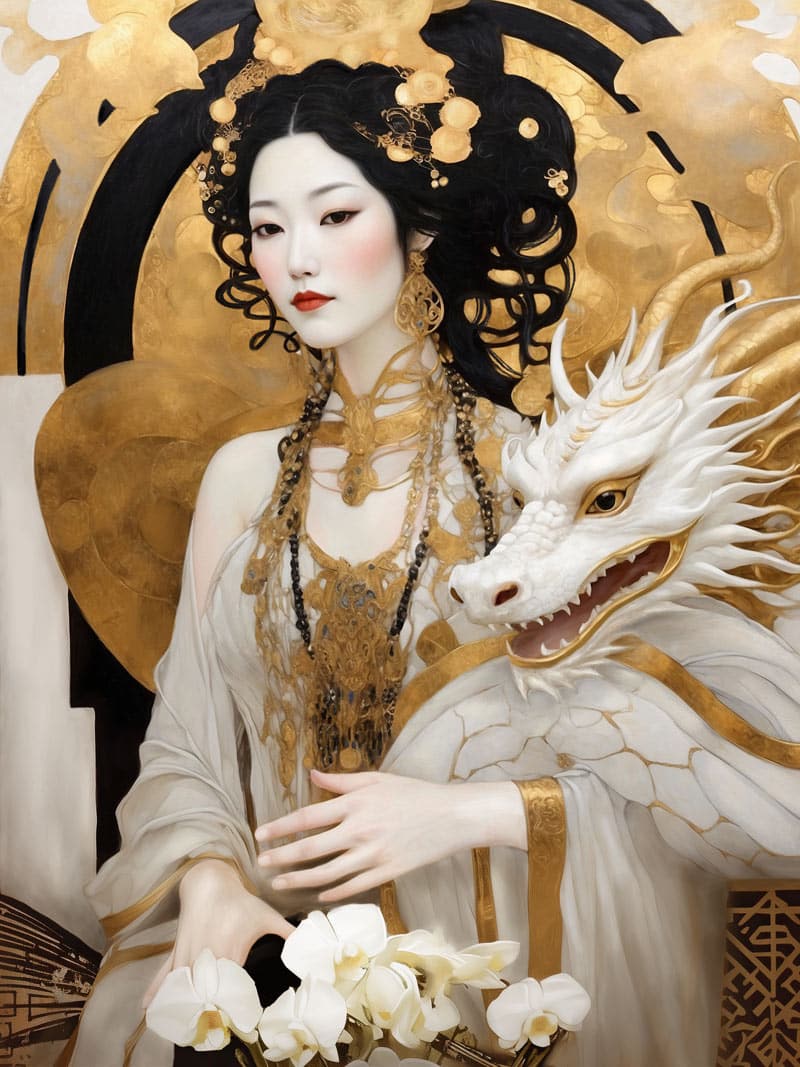
To understand the highest, most evolved expression of Mars in Cancer, one must look beyond traditional martial symbolism and examine spiritual archetypes that embody fierce, unconditional love. A prime example of this energy is the Bodhisattva Quan Yin.
Although Quan Yin is universally recognized as the embodiment of infinite compassion rather than a traditional warrior deity, her mythology and spiritual presence mirror the exact paradoxical nature of Mars in Cancer. Quan Yin’s compassion is not passive, weak, or yielding; it is fiercely protective, deeply resilient, and unyielding in its devotion to the alleviation of suffering.

When humanity faces the turbulent waters of Mars in Cancer, the archetype of Quan Yin serves as a guiding light. It demonstrates that true courage does not stem from a desire to dominate, conquer, or destroy. Instead, true courage is born from the heart. It is found in the willingness to stand in the gap for the vulnerable, to nurture life in the face of hostility, and to use emotional intelligence as a weapon against cruelty.
Quan Yin reminds the collective consciousness that the greatest strength often wears a gentle face. It is the power of the mother protecting her child, the community sheltering the outcast, and the individual refusing to let their heart turn to stone despite the hardships of the world. Mars in Cancer, viewed through this elevated lens, transforms from a transit of moody defensiveness into a masterclass in sacred protection.
Conclusion: Embracing the Quiet Power Within
As the astrological wheel turns and Mars navigates the sensitive, intuitive waters of Cancer, humanity is granted an invaluable opportunity for deep emotional recalibration. By stepping back from the superficial battlefields of ego and ambition, we are invited to inspect the foundations of our emotional lives.
The warrior behind the castle walls is not hiding out of cowardice; they are gathering their strength, tending to their wounds, and preparing to defend the sacred spaces of their existence. Whether through confronting old family traumas, fortifying our homes, or extending fierce, unconditional compassion to those in need, Mars in Cancer teaches us that our truest power lies not in how hard we strike, but in how deeply we love, how fiercely we protect, and how bravely we care for the human heart.