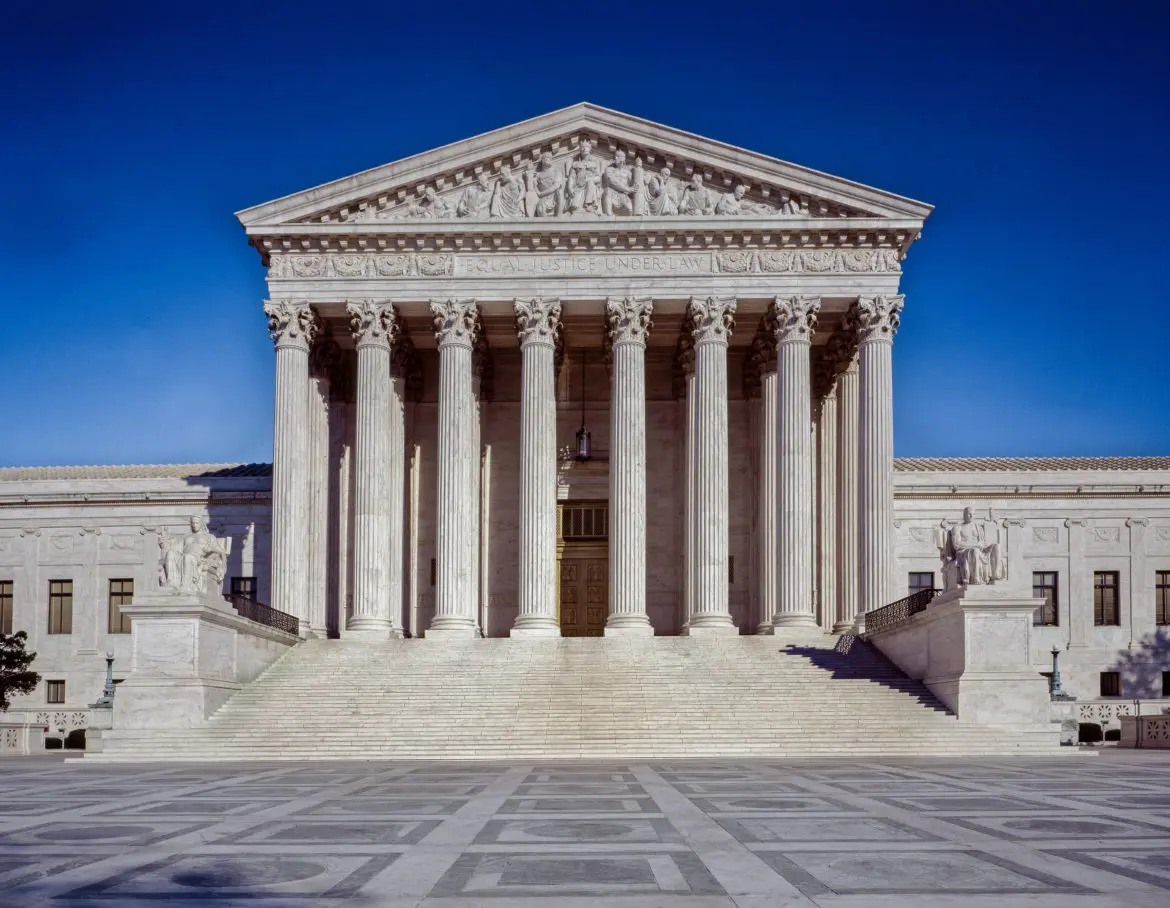
WASHINGTON — The United States Supreme Court is set to hear oral arguments on November 3 in St. Mary Catholic Parish v. Roy, a high-stakes legal battle centered on Colorado’s Universal Preschool Program. While the immediate dispute involves Catholic parish schools and state nondiscrimination mandates, the implications of the case extend far beyond traditional Christian education. Legal analysts suggest the Court’s eventual ruling could dramatically redefine how religious accommodations interact with civil rights protections, creating ripple effects for minority faiths, including Pagan, Indigenous, Jewish, Muslim, and Hindu communities across the nation.
Main Facts of the Case
At the heart of the litigation is Colorado’s Universal Preschool Program (UPK), an ambitious state initiative designed to provide publicly funded preschool education for four-year-old children. The program allows families to choose from a diverse network of participating providers, ranging from secular public schools to private and religious institutions. In exchange for state funding, however, providers must agree to adhere to program guidelines that prohibit discrimination in admissions based on race, disability, religious affiliation, sexual orientation, and gender identity.
Two Catholic parish preschools operating under the Archdiocese of Denver applied to participate in the UPK program. While they wished to access the state funds, they also sought to maintain their traditional religious admissions policies, which require families to support Catholic teachings—specifically regarding sexuality, marriage, and gender identity.
When state officials denied their request for an exemption from the nondiscrimination rules, the schools filed a federal lawsuit. Represented by the Becket Fund for Religious Liberty, the plaintiffs argue that forcing religious institutions to choose between participating in a widely available public benefit and operating in accordance with their core theological beliefs is a direct violation of the First Amendment’s Free Exercise Clause.
Conversely, the state of Colorado maintains that its requirements are constitutional. State officials argue that while religious schools are fully eligible to join the UPK program, any institution accepting public funds must comply with neutral rules designed to guarantee equal access for all families and children.
Chronology of the Legal Battle
The path to the nation’s highest court has been marked by significant lower-court rulings and key constitutional milestones:
- 1990: The Supreme Court issues its landmark ruling in Employment Division v. Smith, holding that the Free Exercise Clause does not typically exempt individuals or religious organizations from neutral laws of general applicability. This precedent has long governed religious-liberty jurisprudence.
- 2022: The Supreme Court decides Carson v. Makin, ruling that Maine could not exclude religious schools from a tuition-assistance program solely because they provided religious instruction. This heightened protections for religious institutions seeking access to public funding.
- September 2025: The U.S. Court of Appeals for the Tenth Circuit affirms a lower federal district court decision, rejecting the Catholic plaintiffs’ constitutional claims against Colorado’s UPK rules and upholding the state’s authority to enforce nondiscrimination provisions.
- August 12, 2026: The U.S. Supreme Court formally schedules oral arguments in St. Mary Catholic Parish v. Roy for November 3, 2026.
- November 3, 2026 (Upcoming): Oral arguments are scheduled to take place before the Supreme Court justices.
- June 2027 (Expected): A final ruling from the Supreme Court is anticipated before the conclusion of the 2026–2027 term.
Supporting Data and Legal Frameworks
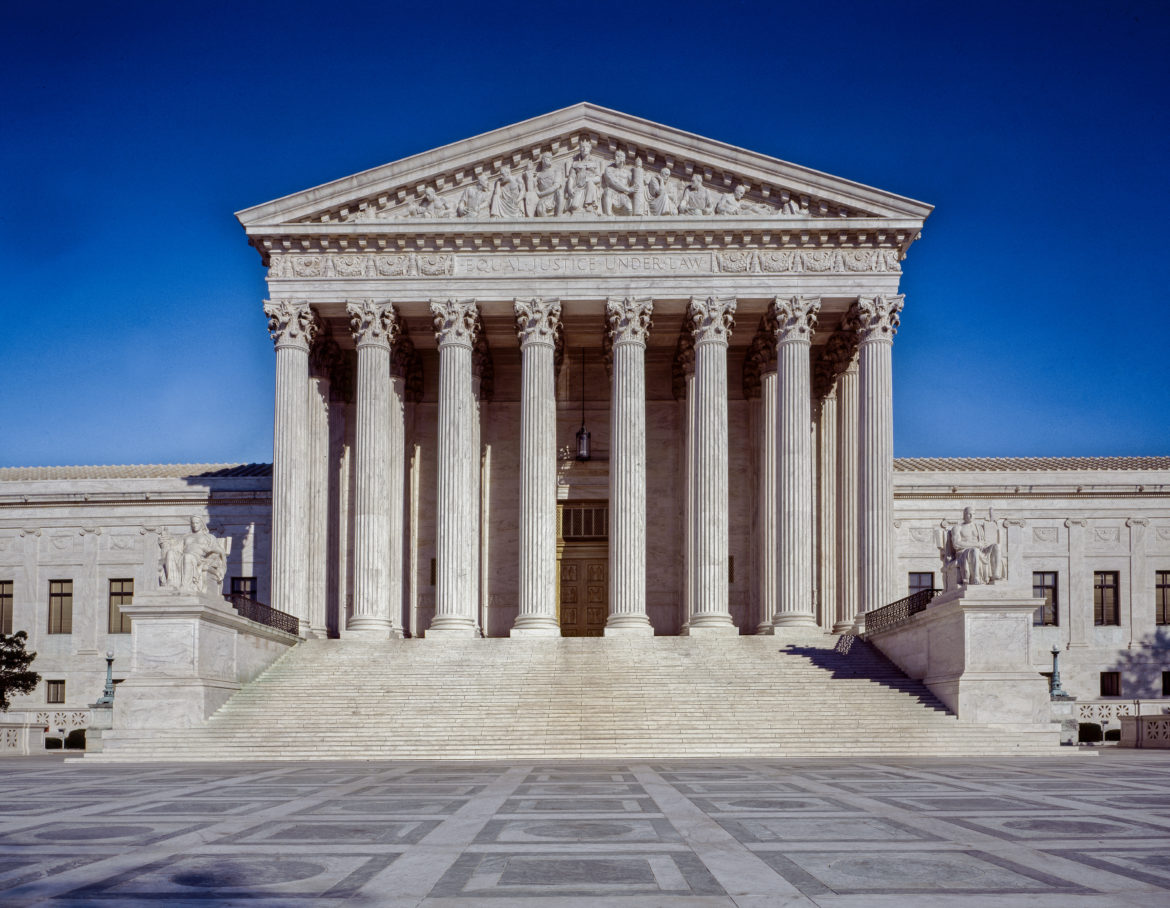
The Supreme Court has agreed to address two specific questions arising from the Tenth Circuit’s decision, steering clear of an outright challenge to older, settled precedents while focusing tightly on the application of recent rulings:
- The "General Applicability" Standard under Smith: The Catholic schools argue that Colorado’s rules are not genuinely "generally applicable" because the state permits various exceptions and enrollment preferences for secular purposes while denying similar flexibility to religious organizations.
- The Reach of Carson v. Makin: The Court will evaluate how the principles established in Carson—which barred discrimination based on a school’s religious identity—apply when a government’s objections are instead directed at an institution’s religiously motivated conduct or policies.
Notably, the justices declined to hear a third question raised by the plaintiffs: whether the foundational Employment Division v. Smith decision should be formally overruled. Consequently, while Smith remains technically intact, the Court’s analysis of whether Colorado’s exceptions render its laws non-neutral could substantially weaken or clarify how lower courts apply the Smith standard in future disputes.
Official Responses and Arguments
Representing the plaintiffs, attorneys from the Becket Fund for Religious Liberty emphasize that the government should not penalize religious organizations for living out their faith. "Religious schools should not be forced to secularize or forfeit public benefits simply because they adhere to traditional teachings," legal advocates for the Archdiocese have argued in court filings. They assert that allowing secular preferences while banning religious exceptions amounts to unconstitutional targeting of religious exercise.
The state of Colorado, however, frames the issue as a matter of equal access and administrative integrity for public programs. State lawyers contend that the nondiscrimination requirements apply equally to all participating providers and do not target religion. Furthermore, state officials argue that the specialized exceptions permitted within the UPK framework—such as prioritization for children with disabilities or economically disadvantaged backgrounds—serve specific programmatic goals and do not constitute arbitrary carve-outs that would trigger heightened constitutional scrutiny under the Free Exercise Clause.
Implications for Pagan and Minority Religious Communities
While the litigants in St. Mary Catholic Parish v. Roy are Catholic, the fallout from the case carries profound implications for minority religious traditions, including Pagans, Indigenous spiritual practitioners, Jews, Muslims, and Hindus.
The Double-Edged Sword of Free Exercise
For minority religions, the legal terrain of religious liberty is notoriously complex. On one hand, robust Free Exercise protections are vital. Small, unfamiliar, or non-mainstream religions frequently encounter bureaucratic hurdles, zoning restrictions, and government regulations that burden sacred practices—ranging from ritual gatherings and the use of sacred spaces to dietary laws, sacred clothing, and the possession of ritually significant natural objects.
If the Supreme Court expands the circumstances under which secular exceptions require comparable religious accommodations, minority faiths could gain powerful new legal tools to challenge government regulations that infringe upon their practices. Indeed, the historical Employment Division v. Smith case itself involved members of a minority tradition—the Native American Church—highlighting how deeply these constitutional debates affect non-Christian communities.
The Counterweight of Civil Rights
At the same time, St. Mary Catholic Parish highlights the other side of the legal equation: the protections guaranteed by the underlying nondiscrimination laws. Civil rights protections safeguard marginalized groups, including individuals targeted based on sexual orientation, gender identity, or minority religious affiliation.

If the Court issues a sweeping ruling in favor of the religious plaintiffs, it could significantly expand the rights of religious organizations receiving public funds to decline compliance with nondiscrimination mandates. For members of minority faiths who rely on public services, employment, and educational programs, the erosion of such protections could introduce new vulnerabilities.
This dynamic leaves many within minority religious communities navigating a difficult conceptual landscape. They often require strong legal shields to protect their own distinct practices from government overreach, yet they simultaneously depend upon robust civil rights and nondiscrimination frameworks to ensure equitable treatment in public life.
Looking Ahead
As the legal community prepares for the November 3 oral arguments, attention remains focused on how the justices will navigate the delicate line between accommodating religious exercise and enforcing conditions tied to public assistance.
The outcome of St. Mary Catholic Parish v. Roy will establish a critical precedent for church-state relations in the United States. Whether the ruling expands pathways for religious exemptions or reinforces the state’s authority to enforce universal civil rights standards, its echoes will be felt across school systems, social services, and religious communities of every scale for years to come.
The Wild Hunt will continue to monitor developments in this case as it approaches oral arguments before the Supreme Court.