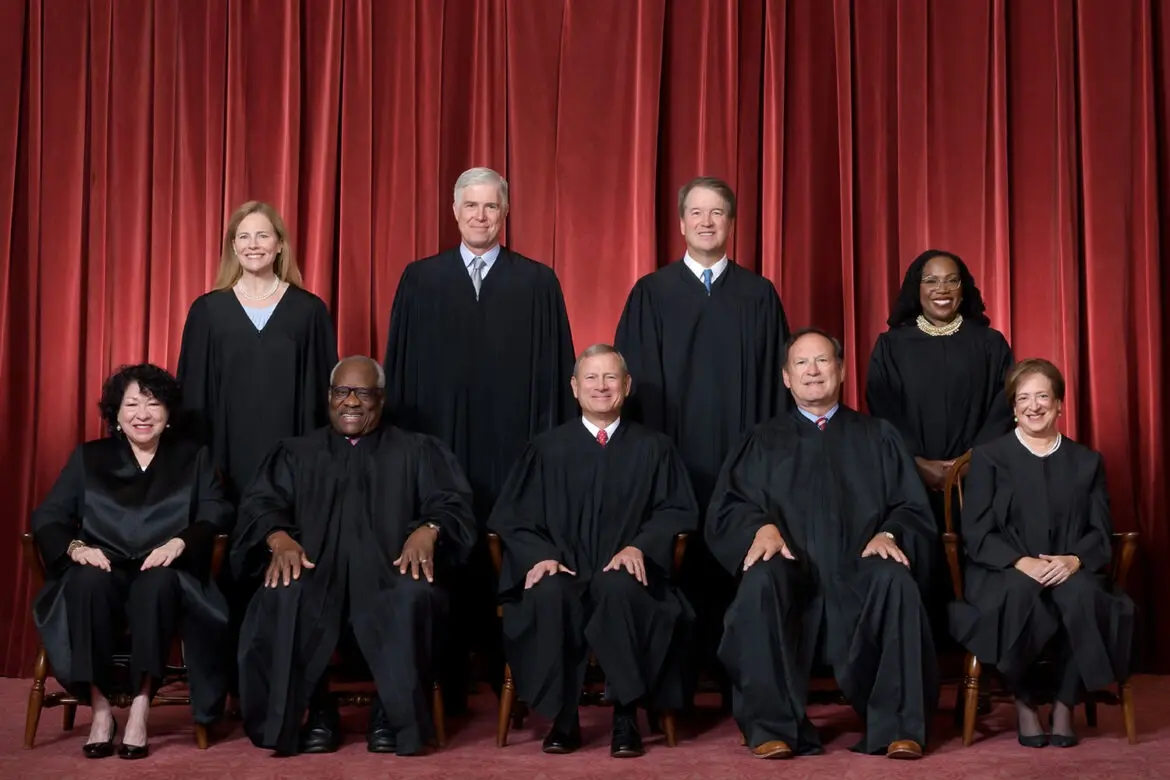
WASHINGTON — The U.S. Supreme Court officially opened its 2026–2027 term with an assertive docket that places foundational questions of corporate accountability, property rights, and the boundaries of religious liberty squarely before the bench. While the primary litigants in these high-profile disputes hail from mainstream Christian traditions or multinational energy conglomerates, the outcomes threaten to reshape the legal landscape for Pagan, Earth-centered, and minority faith communities across the United States.
From local zoning disputes over sacred spaces to the complex intersections of public funding and anti-discrimination laws, the decisions handed down by the high court over the coming months will establish legal precedents extending far beyond the courtroom door.
Main Facts
The Supreme Court’s new term features three distinct legal battlegrounds that directly intersect with the core concerns of environmentalists, minority spiritual traditions, and civil rights advocates:
- Corporate Climate Accountability: In Suncor Energy v. Board of County Commissioners of Boulder County, the justices are weighing whether local and state governments can sue fossil-fuel giants under state tort law for the financial burdens imposed by climate change, such as extreme weather, wildfires, and rising sea levels. Nearly 60 similar lawsuits nationwide hang in the balance.
- Religious Land Use Protections: The case Missionaries of Saint John the Baptist v. Frederic challenges a Kentucky Supreme Court ruling regarding the Religious Land Use and Institutionalized Persons Act (RLUIPA). The central question asks what constitutes a "substantial burden" when local zoning boards deny permits for religious structures.
- Public Funding and Anti-Discrimination: In St. Mary Catholic Parish v. Roy, the court is evaluating whether states can condition participation in publicly funded educational programs—specifically, a universal preschool initiative—on compliance with state non-discrimination mandates that may conflict with an institution’s religious doctrines.
Chronology
The pathway to the current Supreme Court term has been paved by years of lower-court litigation, legislative battles, and shifting constitutional doctrines:
- 2000: Congress enacts the Religious Land Use and Institutionalized Persons Act (RLUIPA) in a rare display of bipartisan consensus, aiming to protect religious institutions from discriminatory or unduly restrictive local zoning laws.
- 2017–2022: A series of Supreme Court decisions (Trinity Lutheran Church v. Comer, Espinoza v. Montana Department of Revenue, and Carson v. Makin) systematically expand the rights of religious organizations to participate in public benefit programs, ruling that governments cannot exclude institutions simply because of their religious identity.
- Early 2024–2025: Colorado state courts rule that lawsuits brought by Boulder County and other municipal bodies against energy companies like Suncor and ExxonMobil can proceed under state law, rejecting corporate arguments that federal clean-air statutes preempt such claims.
- February 2026: The U.S. Supreme Court agrees to review the Colorado climate liability litigation, setting up a showdown over state versus federal jurisdiction in environmental tort claims.
- October 1, 2026: The Supreme Court grants review in the Kentucky RLUIPA dispute, focusing strictly on the threshold for a "substantial burden" on religious exercise.
- October 5, 2026: The Supreme Court officially convenes its 2026–2027 term, hearing oral arguments in the Suncor climate accountability case as Justice Samuel Alito recuses himself, leaving an eight-member bench to deliberate.
- November 2026 (Upcoming): Oral arguments are scheduled for St. Mary Catholic Parish v. Roy, testing the limits of religious exemptions within state-funded educational frameworks.
Supporting Data and Legal Context
The legal mechanisms governing this term’s docket involve intricate statutes and sweeping constitutional interpretations:
The Climate Litigation Wave
According to data compiled by environmental legal monitors and Reuters, nearly 60 coordinated lawsuits have been filed by municipalities and states against major energy corporations. These legal challenges bypass federal environmental laws like the Clean Air Act, utilizing state-level consumer protection and public nuisance statutes instead.
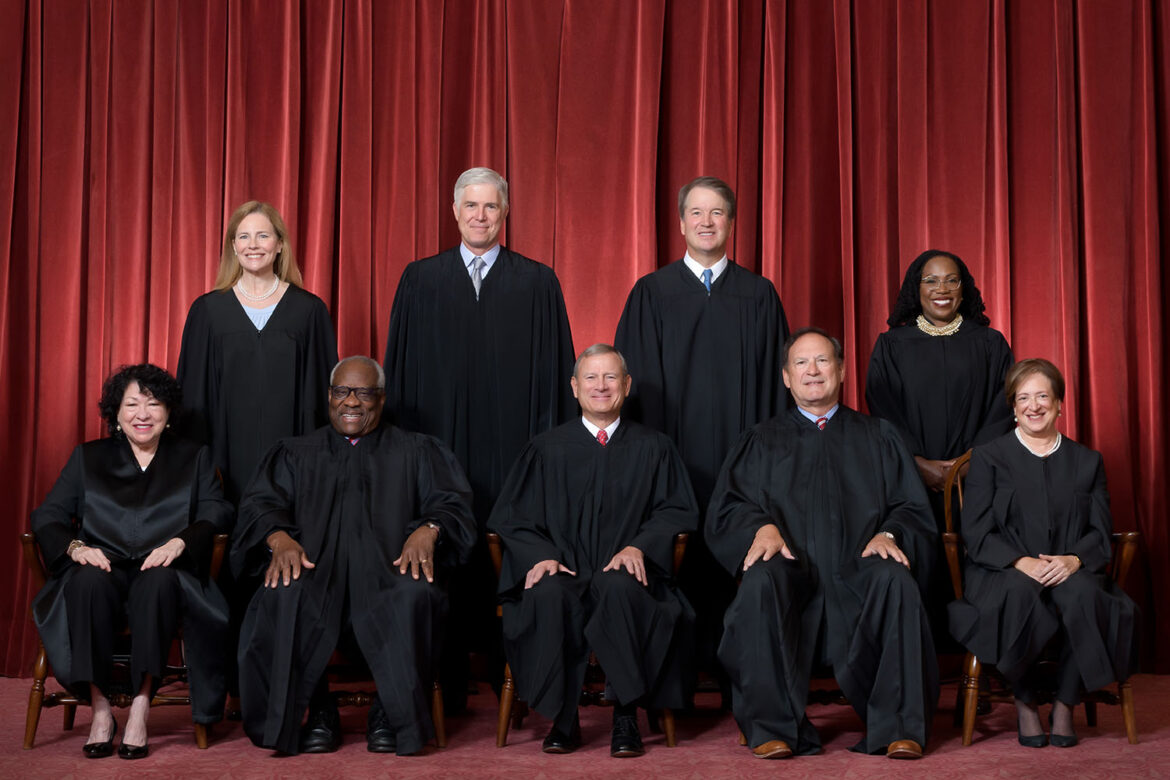
Energy companies counter that global climate change is a collective atmospheric phenomenon governed exclusively by federal statute and international diplomacy, rendering localized state tort litigation unconstitutional. With Justice Samuel Alito recused, the remaining eight justices face a finely balanced bench where a 4-4 split would leave the lower court’s greenlight for the lawsuits intact, albeit without establishing a nationwide precedent.
RLUIPA and Land Use Statistics
Enacted under Section 3 of the Fourteenth Amendment and the Commerce Clause, RLUIPA was designed to shield houses of worship and religious assemblies from arbitrary zoning discrimination.
However, interpretation of what qualifies as a "substantial burden" varies wildly across federal circuit courts and state supreme courts. While some jurisdictions treat any restriction on a preferred religious site as burdensome, others—such as the Kentucky Supreme Court in the Missionaries of Saint John the Baptist case—evaluate whether alternative spaces are available on the same property or if the applicant purchased the land with prior knowledge of existing zoning limitations.
Official Responses and Arguments
Legal teams and advocacy groups on all sides have staked out uncompromising positions as the term gets underway:
- The Energy Sector and Corporate Defense: Representatives for Suncor Energy and ExxonMobil argue that allowing individual states to penalize energy companies for global greenhouse gas emissions creates a chaotic patchwork of liability. "The regulation of interstate and international emissions is a federal prerogative," legal briefs argue, warning that state tort law cannot be weaponized to manage global climate policy.
- Municipal and Environmental Plaintiffs: Boulder County and co-plaintiffs emphasize that fossil-fuel companies engaged in deliberate misinformation campaigns regarding the known risks of their products. County officials maintain that local taxpayers should not bear the sole financial brunt of rebuilding infrastructure destroyed by climate-fueled wildfires, floods, and droughts.
- Religious Institutions and Zoning Advocates: Attorneys for the Missionaries of Saint John the Baptist contend that local zoning boards frequently use traffic, noise, and aesthetic pretexts to subtly discriminate against religious expressions they find undesirable. They argue that narrowing the definition of a "substantial burden" guts RLUIPA of its protective intent.
- State Governments: Defending Colorado’s preschool program mandates, state attorneys argue that public funds must be distributed fairly and without discrimination. "When a religious institution chooses to accept taxpayer dollars for a public benefit program, it must abide by neutral, generally applicable laws designed to protect children and families from discrimination," state filings assert.
Implications for Pagan and Earth-Centered Communities
Although none of the primary litigants in these specific Supreme Court cases belong to Pagan, Wiccan, polytheistic, or non-traditional Earth-centered spiritualities, the rulings will inevitably cast a long shadow over these minority communities.
Environmental Stewardship and Climate Action
For Pagan and Indigenous traditions that view the Earth as sacred, the climate liability cases represent more than just economic policy. They concern accountability for environmental degradation.
If the Supreme Court rules in favor of fossil-fuel companies and bars state-level lawsuits, communities heavily impacted by ecological collapse will lose a vital legal mechanism for seeking restitution and corporate restraint. Conversely, a victory for local governments could validate state-level legal avenues for ecological protection, providing a blueprint for communities seeking to hold polluters accountable.
Securing Sacred Space and Ritual Grounds
The RLUIPA case holds profound implications for minority faiths attempting to establish temples, groves, sanctuaries, and outdoor ritual spaces. Pagan organizations frequently encounter suspicion, misunderstanding, and overt resistance from local zoning boards when attempting to purchase and adapt rural land or suburban properties for religious use.

If the high court adopts a narrow interpretation of "substantial burden"—allowing local governments to block projects simply because alternative locations exist or because applicants bought land knowing zoning was restrictive—Pagan groups could find it significantly harder to legally defend their sacred spaces against hostile municipal planning commissions.
The Double-Edged Sword of Public Funding and Exemptions
The debate over religious exemptions in public programs (St. Mary Catholic Parish v. Roy) presents a complex paradox for minority religious traditions.
On one hand, expanded constitutional protections for religious institutions participating in public programs could empower Pagan and minority-faith social service organizations, schools, or community centers to access government grants and benefits without being forced to compromise their internal practices or beliefs.
On the other hand, a sweeping ruling that grants religious organizations broad exemptions from anti-discrimination laws while accepting public funds could create an uneven playing field. It may complicate broader civil rights enforcement and leave minority families vulnerable in publicly funded spaces that do not align with their values.
As the Supreme Court begins hearing arguments this term, the American spiritual landscape waits with bated breath. The fine lines drawn by the justices in the coming months will determine not only how corporate giants and religious institutions operate, but how the most vulnerable and minority faith communities navigate their rights to the land, the environment, and the public square.