






By Karl E. H. Seigfried
Published in Culture
Main Facts
In the opening days of September 2026, an ideological and economic shockwave rippled through the American entertainment industry, catalyzed by an unexpected venue: the pop-music stage. Rapper Macklemore, performing as an opening act on Ed Sheeran’s national stadium tour, used his platform to speak out against the ongoing humanitarian catastrophe in Gaza. His remarks—calling for a "free Palestine," acknowledging student-led anti-war encampments, and condemning the systemic slaughter of children—triggered an immediate and severe corporate backlash.
Within 48 hours of his second speech at New Jersey’s Gillette Stadium, Macklemore was removed from the remainder of the tour. The ban was spearheaded by the venue’s 85-year-old billionaire owner, Robert Kraft, who has a long, documented history of multi-million-dollar donations to pro-Israel advocacy and lobbying groups. The incident quickly metastasized into a broader industry boycott. Major supporting acts, including Finneas (brother of pop star Billie Eilish) and Ed Sheeran’s own backing band, voluntarily exited the tour in protest, citing the vital necessity of free speech and open dialogue regarding the plight of Palestinians.
Yet, as tickets plunged, public backlash mounted, and millions of dollars in economic fallout reverberated across Ticketmaster and streaming platforms, the core debate transcended the bounds of celebrity gossip. For practitioners of progressive Ásatrú—a modern reconstruction of Northern European paganism—the crisis serves as a modern theological test case. Drawing upon foundational myths of Norse deities like Týr and Thor, scholars and practitioners argue that the ethical imperative to confront systemic injustice, regardless of personal cost, remains a non-negotiable spiritual and civic duty.
Chronology
The sequence of events leading up to the September 2026 tour collapse and subsequent cultural debate unfolded rapidly across several days:
- September 4, 2026: During his opening set for Ed Sheeran at Gillette Stadium in New Jersey, Macklemore delivers a brief speech calling for a "free Palestine," thanking student activists at Columbia University and other institutions for risking their academic standing to protest the war, and advocating for global human rights across Palestine, Lebanon, Cuba, Congo, and Sudan.
- September 5, 2026: Performing at the exact same venue for a second consecutive night, Macklemore expands his remarks, focusing explicitly on the killing of children in Gaza. He contrasts his profound love for his 11-year-old daughter, Sloane, with the terrifying reality faced by parents in conflict zones who cannot guarantee their children’s safety.
- September 7, 2026: Macklemore formally announces via Instagram that Ed Sheeran’s team has removed him from the tour. Reports emerge that Gillette Stadium owner Robert Kraft personally banned the rapper and pressured other venue owners to follow suit.
- September 8–10, 2026: A mass defection hits the tour. Ed Sheeran’s backing band resigns, stating their belief in dialogue for the Palestinian people. All remaining opening acts, including Finneas, quit in solidarity, declaring that artists must not be silenced when advocating for the oppressed.
- September 11, 2026: Performing alone on stage in Philadelphia, Ed Sheeran reads a neutral, "both sides" prepared statement insisting that opposing views are welcome at his concerts. The response is swift: Sheeran loses over 500,000 Instagram followers in days, and ticket prices plummet.
- Mid-September 2026: Corporate media outlets dredge up Macklemore’s 2014 costume controversy in Seattle to reframe the debate, prompting polarized statements from organizations such as the Anti-Defamation League (ADL), while political and economic fallout continues to dominate headlines.
Supporting Data and Mythological Frameworks
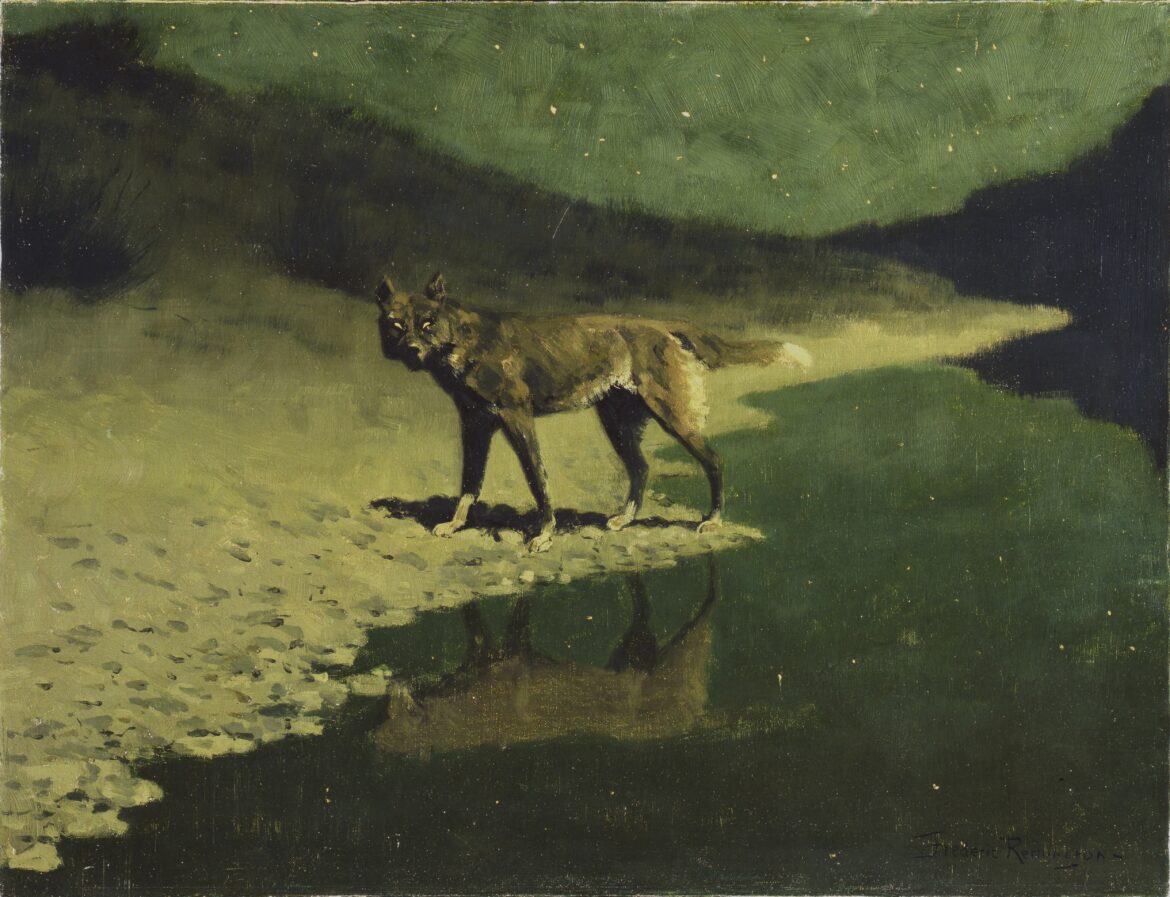
To understand the deeper currents of this cultural clash, one must look beyond the immediate headlines of the music business and examine the theological architecture proposed by modern Heathens. In Norse mythology, tales of gods confronting monsters serve as direct demonstrations of ethical principles. Unlike modern fantasy adaptations that sanitize figures like Loki or treat mythical beasts like harmless creatures, traditional lore presents the children of Loki—such as the World Serpent and the monstrous wolf Fenrir—as symbols of absolute harm and destruction to the community.
Two core narratives anchor this theological worldview:
Týr and the Wolf
Relatively early in the mythic timeline, the monstrous wolf Fenrir grows to terrifying proportions among the gods. Knowing through prophecy that the beast is destined to destroy Asgard, the gods resolve to bind it. Suspicious of their intentions, Fenrir demands that a god place a hand in its mouth as a pledge of good faith.
Only Týr, the god of single-minded bravery and legal oaths, steps forward. Fully aware that he will lose his right hand in the process, Týr accepts the permanent mutilation to protect the divine community. He receives no grand reward—only the laughter of the gods as the wolf is neutralized. Týr models the acceptance of personal sacrifice for the greater good.
Thor and the Serpent
In a parallel narrative, Thor wages a lifelong war against Jörmungandr, the World Serpent that encircles Midgard. Through three distinct encounters—masked by illusion, revealed in divine stature, and finally culminated at Ragnarök—Thor embraces his role as Miðgarðs véurr (Midgard’s defender). Like Týr, Thor acts without regard for his personal safety, consumed by righteous anger against a beast whose poison threatens all life. Ultimately, Thor slays the serpent but succumbs to its venom, stepping back nine paces before falling.
Within progressive Ásatrú, these myths are not merely historical relics; they are blueprints for modern action. The gods do not protect insular subgroups or exclusive tribes; they protect Midgard—the shared human realm. Consequently, contemporary practitioners argue that modern humans possess an absolute responsibility to stand against systemic evils, whether those evils manifest as racism, sexism, war crimes, genocide, or the widespread slaughter of children.
Official Responses and Institutional Reactions
The fallout from Macklemore’s statements laid bare the entrenched power dynamics between corporate wealth, political lobbying, and public expression.

- Robert Kraft and Venue Owners: Robert Kraft, owner of the New England Patriots and Gillette Stadium, took immediate punitive action. Having donated nearly $25 million since 2006 to pro-Israel advocacy groups—including organizations that lobby against critics of Israeli military policy—Kraft exercised absolute corporate control to ban Macklemore from major venues, effectively blacklisting the artist from standard commercial stadium circuits.
- The Anti-Defamation League (ADL): Following the controversy, corporate media resurrected a 2014 incident wherein Macklemore wore an impromptu disguise during a secret show in Seattle, which critics later claimed resembled an antisemitic caricature. Though Macklemore apologized at the time—an apology unreservedly accepted by the ADL in 2014—the organization sharply reversed its stance in 2026. The ADL condemned Macklemore’s "free Palestine" remarks as "performative, biased and hateful," accusing him of a record of demonizing Israel.
- Supporting Artists: Artists who abandoned the tour offered starkly opposing viewpoints. Finneas released a definitive public statement asserting: "Artists must not be silenced when they speak up for the oppressed… I stand with Palestine and its people." Ed Sheeran’s backing band similarly emphasized that dialogue remains the only viable pathway toward progressing the basic human rights of Palestinians.
- Ed Sheeran: Attempting to navigate the economic wreckage, Sheeran delivered a carefully scripted neutral address in Philadelphia, invoking rhetoric reminiscent of "both sides" political discourse. The fence-sitting approach failed to appease either faction, resulting in a catastrophic loss of half a million social media followers and plummeting ticket values.
Implications
The convergence of ancient Heathen theology, modern pop-culture politics, and geopolitical violence forces a sobering question upon the contemporary public: What are the tangible costs of standing up against injustice?
The data regarding the human cost in the Middle East remains staggering. According to official Israeli data, 36 children were among the 695 civilians killed during the October 7, 2023, Hamas-led attacks. In the subsequent military campaigns by Israel, the Ministry of Health in Gaza reports a Palestinian death toll exceeding 73,000, a figure that includes more than 21,280 children. For critics of these operations, such metrics defy any proportional definition of defense, falling squarely into the category of unmitigated war crimes.
Yet, institutional structures in Western nations—ranging from multi-billion-dollar arms deals, such as the U.S. administration’s $2.8-billion weapons package supplying thousands of 2,000-pound bombs, to corporate blacklists enforced by billionaires—actively subsidize and protect the machinery of destruction. Those who participate in or enable this labor through tax dollars and economic compliance are structurally tied to the horror.
For progressive Ásatrú practitioners, remaining silent in the face of such disproportionate slaughter is a betrayal of the theological models set by Týr and Thor. Just as the ancient gods stepped forward to face the wolf and the serpent knowing the high price of engagement, modern individuals are called to acknowledge two fundamental truths with absolute integrity:
- Human beings of all backgrounds deserve safety, dignity, and freedom from state-sponsored violence.
- Systemic evils—whether framed as genocide, war crimes, Islamophobia, or antisemitism—must be actively resisted, regardless of the tribal or national affiliations of those committing them.
The modern entertainment industry may attempt to silence dissenting voices through corporate blacklists, venue bans, and economic coercion, but the underlying moral imperative remains unchanged. Monsters change faces across generations, but the horror of indifference persists. For those who choose to live by the worldview of the old myths, standing up against the modern serpents and wolves is not merely a political option; it is an unavoidable theological necessity.