








By Clio Ajana
Published August 9, 2026
Main Facts
In an introspective personal essay published by The Wild Hunt, writer, community pillar, and occasional speaker Clio Ajana explores the psychological and physical intersections of failure, major surgery, and modern productivity culture. Reflecting on a significant medical intervention she underwent five months prior, Ajana details how a sudden health crisis disrupted her life—forcing the cancellation of her scheduled numerology and astrology presentations at the Paganicon conference—and fundamentally shifted her relationship with rest, boundaries, and personal identity.
Drawing on literary touchstones like Dorothy Allison’s seminal 1995 memoir, Two or Three Things I Know for Sure, Ajana uses her recovery as a narrative lens to critique a fast-paced, work-obsessed American culture that treats rest as an unaffordable luxury. Ultimately, the essay frames unexpected medical emergencies not as personal failures, but as vital, albeit jarring, interventions that demand a renegotiation of how human beings value time, physical limits, and spiritual equilibrium.
Chronology of a Crisis: From Fast-Paced Life to Hospital Routine
The trajectory of Ajana’s narrative moves from a high-velocity lifestyle characterized by community engagement and multiple income streams to the stark, artificial environment of a post-operative hospital room, and finally to the slow, tentative steps of domestic recovery.
- Five Months Prior: Warning signs and internal wisdom are repeatedly ignored as Ajana maintains a heavy, fast-paced workload, juggling the demands of modern employment where "saying ‘no’ can be problematic."
- The Breaking Point: A medical emergency necessitates major surgery, abruptly halting Ajana’s life and forcing her into a hospital bed. Planned speaking engagements at the Paganicon conference—events she deeply anticipated due to her love of human connection and community interaction—must be canceled.
- The Hospital Stay: Days blur together amidst the mechanical symphony of hospital equipment. Ajana recalls the jarring interruptions of 5:00 AM blood draws and the agonizing physical sensation of potassium IVs—a treatment so painful it required warm compresses to prevent her from ripping the lines out of her hands in frustration.
- Immediate Post-Discharge: Returning home proves psychologically and sensory-overloading. A simple, twenty-five-minute excursion to a local grocery store to pick up a prescription and a couple of food items triggers an intense out-of-body experience, leading to fleeting fears of agoraphobia driven by hyper-sensitive emotional receptors.
- The Turn Toward Recovery: Over the ensuing months, Ajana learns to surrender to "nap attacks" lasting three to five hours, trading the toxic productivity of the modern grind for intentional stillness, unstructured daydreaming, and bodily grace.
Supporting Data & Cultural Context: The Economics of Burnout
To contextualize her personal narrative, Ajana weaves in broader socio-economic realities and philosophical traditions, examining why modern individuals routinely push past their biological breaking points.
The Myth of Accessible Rest
In contemporary society, rest is frequently commodified, marketed as an expensive spa retreat rather than a biological necessity. Ajana notes that true rest requires two primary resources that a vast portion of the population simply lacks: time and money. In an economy where workers must frequently cobble together multiple jobs just to secure a living wage, individuals are forced into a relentless cycle of production.

[Modern Economic Pressures]
       │
       ├──> Rising costs (Food, Rent, Medicine, Transportation)
       ├──> The "Hustle" Culture (Cobbling multiple jobs together)
       └──> Fear of Saying "No" (Job insecurity & social pressure)
              │
              ▼
[Systemic Exhaustion & Ignored Body Signals]
              │
              ▼
[Catastrophic Interruption: Medical Emergency / Surgery]
The Icarus Complex
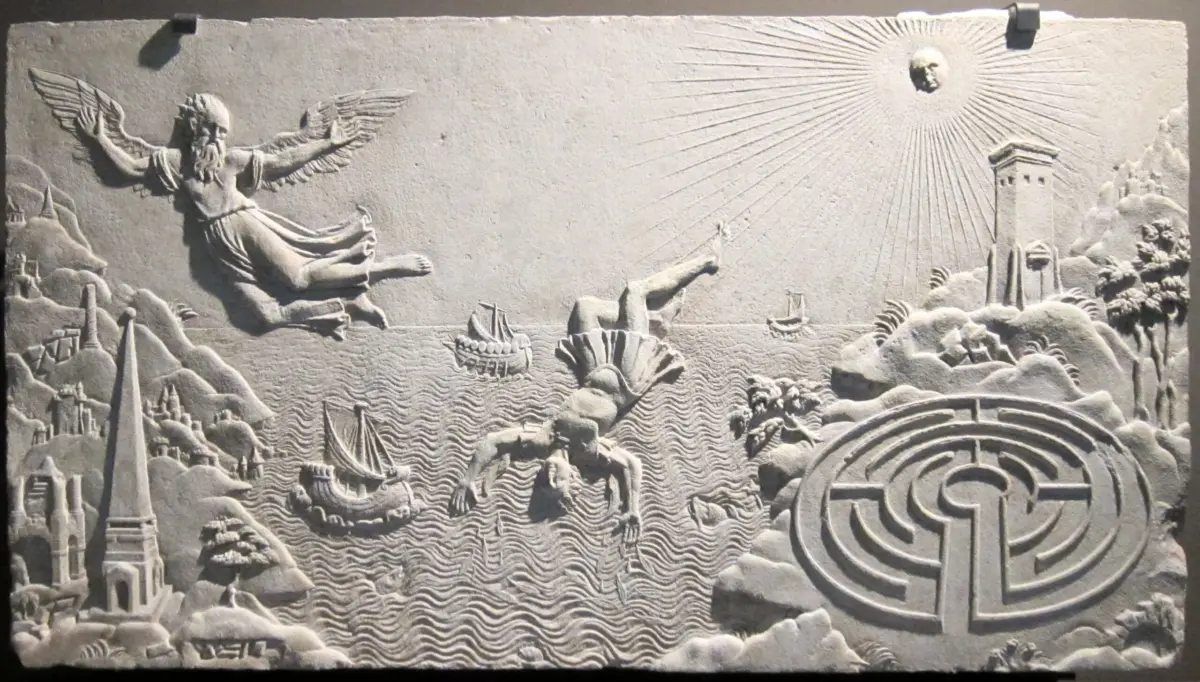
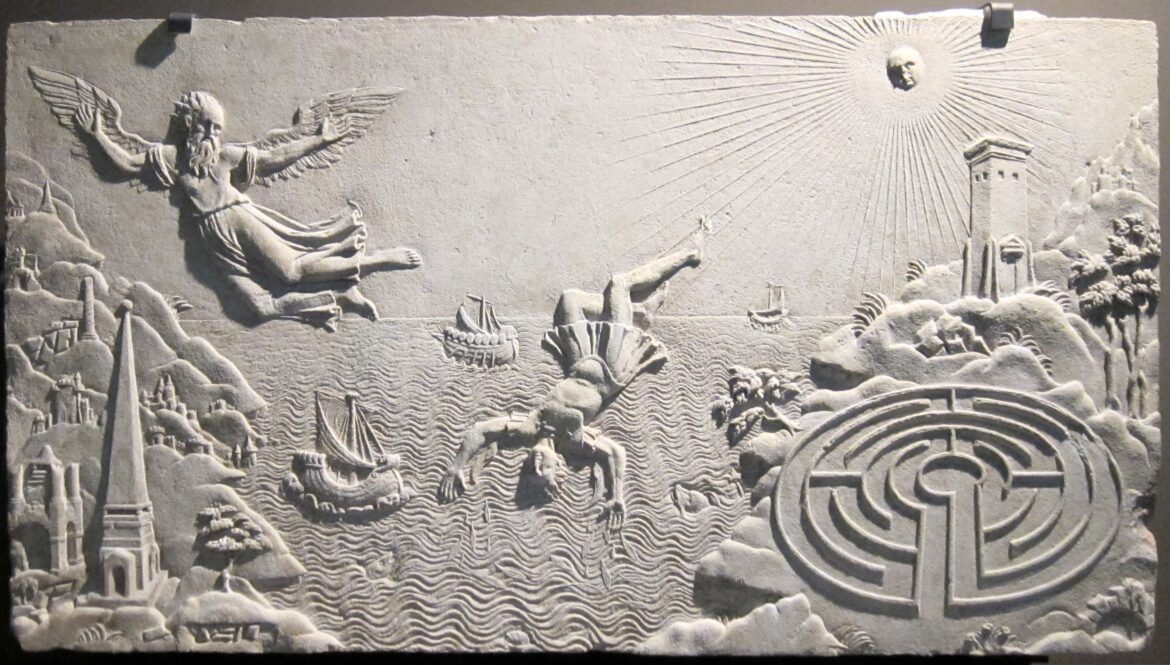
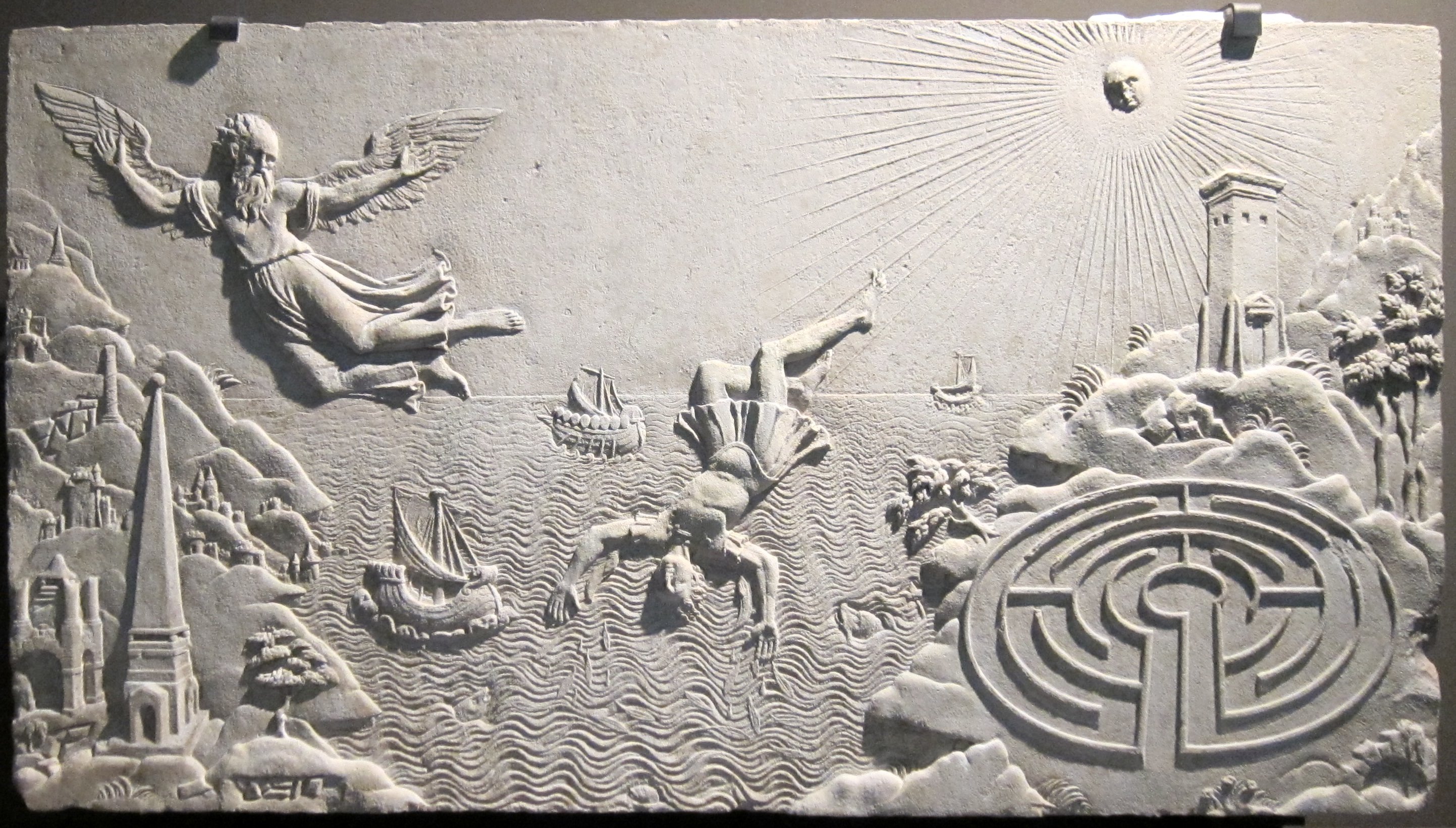
Ajana invokes the classic mythological figure of Icarus—not merely as a warning against hubris, but as a metaphor for modern humanity. When individuals ignore the internal warnings of their own wisdom and push their capacities past safe limits, their psychological and physical "wings" melt under the unrelenting heat of societal expectations.
Healing Capacities of the Human Machine
Contrasting the societal demand for perpetual motion with the biological reality of the human body, Ajana highlights the remarkable regenerative capacity of physical forms. Just as broken bones require rigid immobilization via casts and weeks of patient knitting to heal correctly, soft tissues, internal organs, and psychological wounds demand absolute periods of decompression.
Official and Community Responses
While Ajana’s essay is deeply personal, it speaks directly to broader conversations within contemporary Pagan, Earth-based, and wellness communities regarding burnout, invisible disabilities, and mental health.

- Community Solidarity: The cancellation of Ajana’s Paganicon presentations highlighted the fragility of event-dependent community leaders and the vulnerability inherent in public-facing spiritual work. Peers and community members have rallied around her narrative of forced vulnerability, opening dialogues online—including The Wild Hunt’s dedicated Reddit community—about the necessity of accommodating chronic illness and post-surgical recovery within event planning.
- Literary Echoes: By invoking Dorothy Allison’s observation that "Change, when it comes, cracks everything open," Ajana aligns her medical trauma with a rich tradition of queer and marginalized storytelling that views survival and structural disruption as catalysts for profound self-redefinition. The quote serves as a community touchstone for reconciling personal identity with sudden physical limitations.
Implications: Re-evaluating Success, Failure, and Grace
Ajana’s reflective account carries profound implications for how individuals—particularly those within counter-cultural, earth-based, and activist movements—define productivity, self-worth, and spiritual alignment.
1. Deconstructing the Stigma of "Failure"
The core thesis of the essay challenges the automatic linkage between physical downtime and personal failure. Ajana confesses her initial anger at her body for "failing" her, a reaction rooted in a cultural programming that equates stillness with worthlessness. By reframing her surgery as an ultimate victory—she emerged alive, renewed, and spiritually awakened—she advocates for a semantic and emotional re-evaluation of life’s interruptions.
2. The Spiritual Necessity of Stillness
For practitioners of Earth-based traditions who emphasize attunement to natural cycles, Ajana’s journey serves as a reminder that human biology is tethered to rhythms larger than human ambition. Nature does not rush its seasons; winter is a mandatory period of dormancy that precedes spring growth. By treating her recovery as a personal winter—watching the rain fall under a down comforter, soaking in unhurried sunshine, and allowing her brain to wander without objective—she models a sustainable spiritual practice based on grace rather than output.
3. Cultivating Resilience Through Acceptance
Ultimately, Ajana concludes that striving to return to the pre-surgery "status quo" is a counterproductive endeavor. Healing requires moving forward into the unfamiliar, accepting the tentative nature of a changed body, and trusting that spiritual wholeness—whether anchored in connections to gods, ancestors, or elements—survives the moments when life refuses to follow a carefully scripted plan.
As Ajana notes, failure is frequently nothing more than a life-saving wake-up call: an insistent, biological demand to slow down, listen closely, and rediscover the sacred art of simply being.