







Nostalgia is a soft, insulating substance used to defend against a bitter world, much like birds lining their nests with downy feathers and shed fur through the spring thaw. Cultural consumers have long retreated into the familiar comforts of reruns, vintage aesthetics, and cinematic comfort food to ward off a reality that grows increasingly unintelligible. Yet, in an era of rapid cultural acceleration, this reliance on the past has morphed into a frantic defensive mechanism.
It was in this aggrieved spirit—akin to drinking spoiled wine from long-faded bottles—that audiences recently lined up for the theatrical release of Practical Magic 2. Directed by Susanne Bier and based on Alice Hoffman’s novel The Book of Magic, the sequel arrives nearly three decades after the beloved 1998 original. However, rather than expanding upon a rich cinematic universe, the film serves up a hollowed-out retread that trades genuine magic for algorithmic calculations, biological elitism, and aggressive corporate synergy.
Chronology of a Legacy Squandered: From 1998 to the Present
To understand the profound disappointment of Practical Magic 2, one must trace the trajectory of the property within modern pop culture.
- October 1998: Warner Bros. releases the original Practical Magic, directed by Griffin Dunne and starring Sandra Bullock and Nicole Kidman as Sally and Gillian Owens. Though a modest box-office performer initially, the film achieves enduring cult status. It is embraced by pagan and alternative communities for its depiction of everyday witchcraft, sisterhood, and the subversion of patriarchal isolation—famously encapsulated by the spontaneous, PTA-driven coven that rallies to protect the Owens sisters.
- The Intervening Decades: Over the next twenty-six years, the original film cements itself as a seasonal touchstone, inspiring countless viewings, themed merchandise, and a distinct aesthetic of autumnal whimsy. Meanwhile, author Alice Hoffman continues the literary saga, eventually publishing The Book of Magic in 2021.
- Development and Production: Warner Bros. greenlights a cinematic continuation, tapping Susanne Bier to direct. The production reunites original leads Sandra Bullock and Nicole Kidman, while casting Maisie Williams and Joey King to portray Sally’s grown daughters, Antonia and Kylie.
- September 2026: Practical Magic 2 premieres in theaters nationwide, drawing audiences adorned in felted pointy hats and celestial-patterned attire, only to meet a starkly subdued critical and public reception.
Narrative Breakdown and Structural Failings
At its core, Practical Magic 2 attempts to resurrect the central conflict of its predecessor while inverting the themes that made the original resonate. The premise centers once more on the doomed Owens bloodline: an ancient curse dictates that every woman born to the family will lose her male lovers to premature, violent deaths.
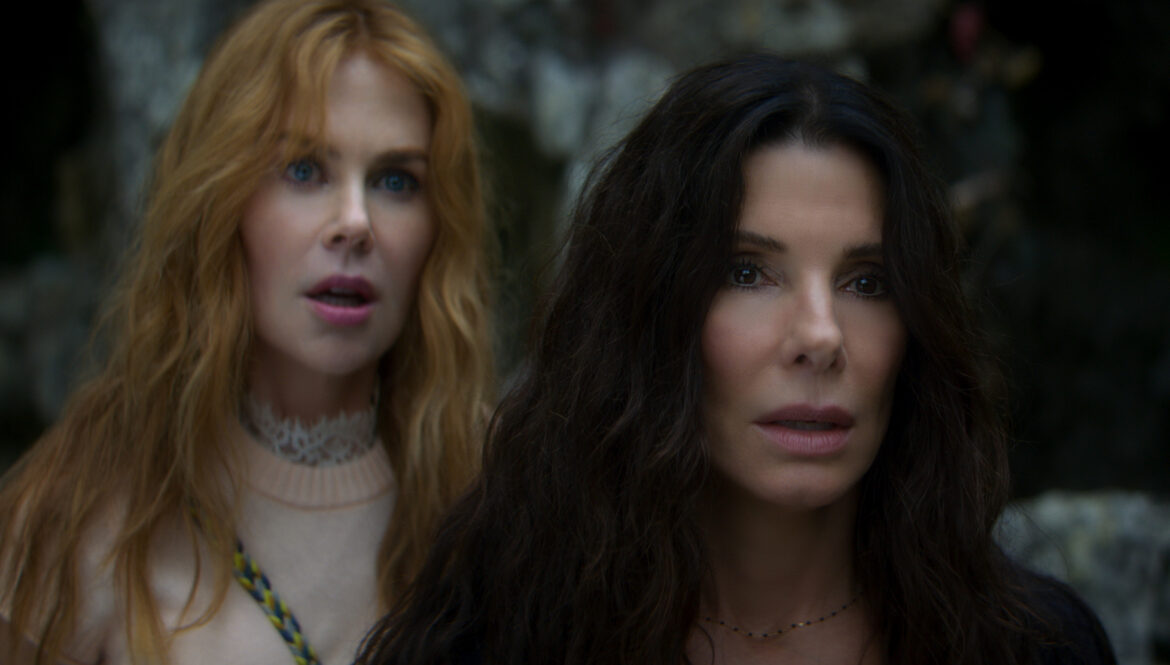
While the 1998 film was ultimately about breaking this generational doom through the radical power of sisterhood and collective female solidarity, the sequel posits that they failed. The characters must try again, presumably leaving room for a potential third installment if studio accountants demand further blood from the stone.
The narrative mechanics quickly unravel:
- Sally Owens (Sandra Bullock) has two adult daughters: Antonia (Maisie Williams), who possesses a conventional job and virtually no narrative agency, and Kylie (Joey King), a red-haired romantic whose subplot drives the film.
- Despite their familial legacy, Sally has once again lied to her children about their magical heritage, a baffling narrative repeat of the first film’s central conflict.
- Aunts Bridget (Stockard Channing) and Frances (Dianne Wiest) return, though their vibrant maximalism is diminished, used largely as background decoration.
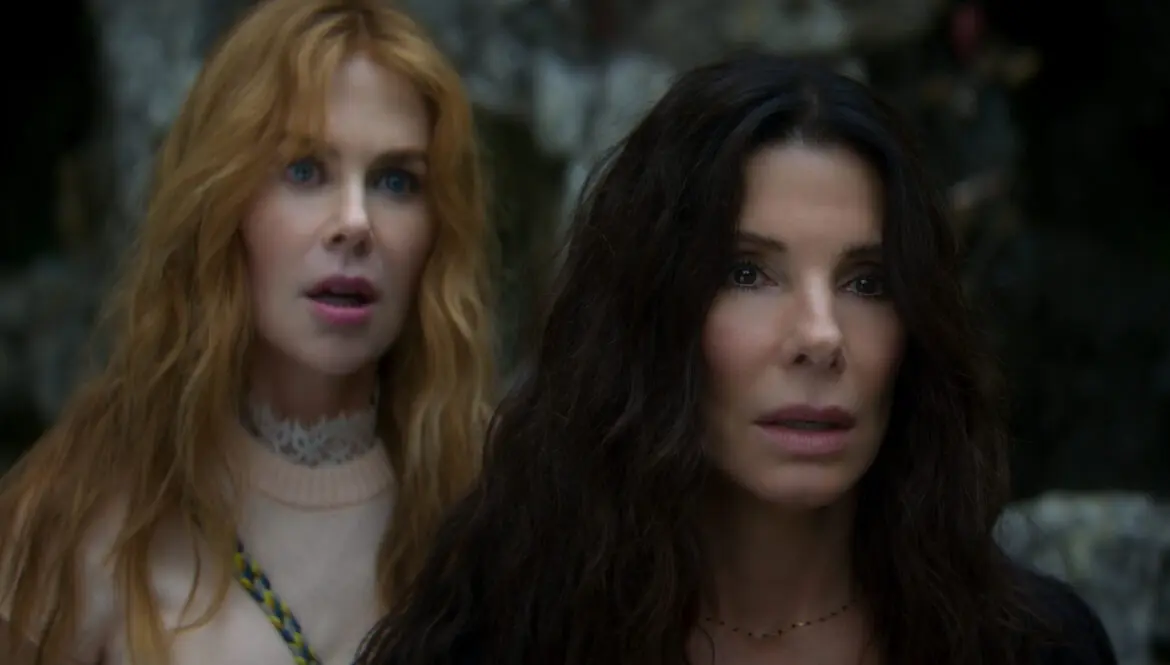
- Gillian Owens (Nicole Kidman) remains the oversexed, wine-drinking counterweight to Sally, though her character beats are largely played for cheap laughs.
Misinformed by her mother’s secrecy, Kylie falls prey to dark magic wielded by a frustrated antagonist played by Solly McLeod. She is subsequently saved by a tattooed protector wielding esoteric knowledge, played by Lee Pace.
Supporting Data, Aesthetics, and Production Values
From a technical and artistic standpoint, Practical Magic 2 buckles under the weight of modern Hollywood’s digital homogenization.

- Cinematography and Visuals: The film suffers from an over-reliance on digital clarity. Rather than evoking the moody, atmospheric coastal setting of the original Cape Cod aesthetic, the modern digital lenses render the sets looking flat, artificial, and sterile.
- The Uncanny Valley: Both Bullock and Kidman deliver earnest performances, working valiantly against radically altered visages that evoke a jarring uncanny valley effect. This disjunction reaches its peak in an ill-advised third-act flashback to the 1998 film, which forces viewers to confront the artificiality of modern digital facial alteration. Furthermore, the decision to recast the daughters—ignoring original child actors Evan Rachel Wood and Alexandra Artrip—stems from a refusal to realistically map aging onto a fictional timeline.
- Audio and Score: Composed by Rupert Gregson-Williams, the musical score is sparse and timid, acting as a hollow echo of Alan Silvestri’s memorable 1998 orchestral work. Iconic needle-drops—such as Harry Nilsson’s tunes accompanying the legendary midnight margaritas—are recycled without contextual evolution, functioning more as checklist items than emotional beats.
- Product Placement: The film leans heavily into transparent, QVC-style corporate partnerships. Viewers are treated to prominent displays of blenders, American whiskey brands, and commercial airlines, turning what should be an enchanting escape into an extended commercial break.
Official Responses and Box Office Realities
Studio executives at Warner Bros. framed Practical Magic 2 as a celebratory homecoming for fans of 90s cinema, banking heavily on pre-existing intellectual property and seasonal counter-programming. Promotional campaigns heavily emphasized the return of Bullock and Kidman, aiming to capture the lucrative demographic of adult women seeking cinematic comfort during the autumn transition.
However, public reaction within theater lobbies told a different story. Critics and audiences alike noted the stark quietude of venue restrooms following screenings—a stark contrast to the lively, costumed anticipation displayed in lines outside. Rather than sparking community or joy, the film left audiences unsmiling and alienated. Cultural commentators have increasingly grouped Practical Magic 2 alongside other misfire sequels and reboots—such as The Craft: Legacy—that fail to capture the grassroots spirit of their source material.
Broader Implications: Bloodlines, Class, and Corporate Nostalgia
Beyond its artistic shortcomings, Practical Magic 2 introduces troubling ideological undertones that mark a distinct regression from the original film.
The Ideology of Purity
In the 1998 original, the magic of the Owens family was fundamentally democratic in spirit. It culminated in an egalitarian moment where everyday women—neighbors, mothers, and friends utilizing a local phone tree—could summon an impromptu coven. Magic was woven into the mundane fabric of community.

In stark contrast, the sequel doubles down on biological essentialism. Lee Pace’s character explicitly insists that magic resides within RNA and inherited bloodlines. In an era marked by rising authoritarianism and racial nationalism, the film’s narrative obsession with defending the purity and privileges of a nepo-baby magical aristocracy from low-born upstarts feels tone-deaf at best and ideologically regressive at worst. Throughout the 130-minute runtime, characters of color are virtually absent, relegated to silent background acknowledgments in the final moments.
The Traps of Commodification
Ultimately, Practical Magic 2 stands as a casualty of the modern entertainment industry’s reliance on synthetic nostalgia. As reviewer Meg Elison notes, the film demonstrates how our cultural attachments are too often monetized:
"These are the betrayals of nostalgia, the moments when we realize that we’ve not woven our nests with fur and wool but acrylics and microplastics."
By sanding down the rough, messy edges of the original story in favor of algorithmic safety, franchise expansion, and heavy-handed product placement, the filmmakers transformed a celebration of feminine rebellion into a lifeless corporate product. For audiences seeking genuine enchantment in cold times, Practical Magic 2 serves as a sobering reminder that the past, when packaged by modern Hollywood, is no longer a sanctuary—it is simply another market to be mined.