By the Editorial Desk
Published: October 24, 2023
Main Facts: Unlocking the Nocturnal Symbolism of the Subconscious
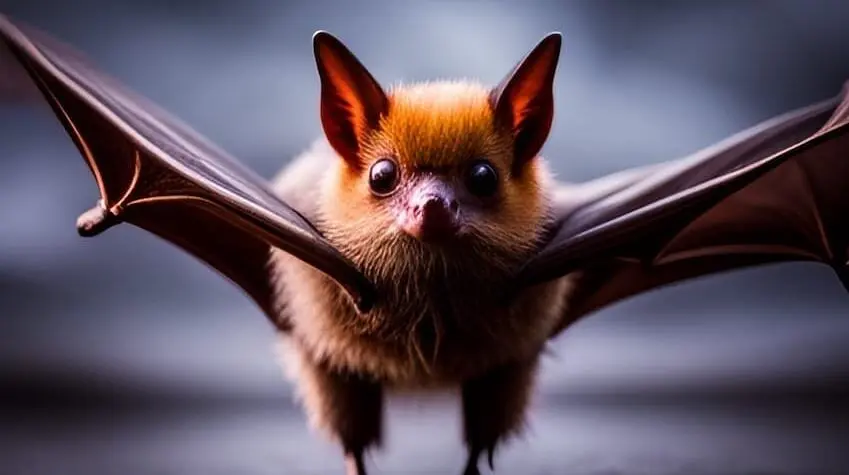
To dream of a bat is rarely a neutral experience. For centuries, these enigmatic creatures of the night have haunted human folklore, literature, and mythology, frequently associated with the macabre, the mysterious, and the unknown. However, in the realm of modern psychological analysis and dream interpretation, the appearance of a bat carries a far more nuanced message. Far from being simple harbingers of doom, bat dreams are now widely understood by psychotherapists, dream analysts, and esoteric practitioners as powerful symbols of deep personal transformation, the surfacing of repressed fears, and an invitation to engage in rigorous "shadow work."
At their core, bats in dreams act as mirrors for the psyche. Because they are nocturnal mammals that navigate exclusively through the dark using echolocation—relying on internal senses rather than sight—they symbolize the ability to traverse uncertainty, fear, and the hidden corners of the human mind. According to contemporary psychological frameworks, encountering a bat in the dream state points directly to unresolved inner conflicts, transitions, and the awakening of dormant intuition.
Chronology: The Evolution of Bat Symbolism from Ancient Myth to Modern Psychology
To fully understand why bats populate our dreams today, it is helpful to trace how humanity’s relationship with these creatures has evolved over millennia.
- Ancient Mythology and Indigenous Lore: In ancient cultures, the symbolism of the bat was deeply split. In Mesoamerican traditions, particularly among the Zapotec and Maya civilizations, bats were often revered as powerful deities associated with the underworld, night, and rebirth. Conversely, in Western European folklore, bats became heavily stigmatized during the medieval period, frequently linked with witchcraft, sorcery, and malevolent spirits due to their nocturnal habits and cave-dwelling nature.
- The Rise of Psychoanalysis (Early 20th Century): With the advent of psychoanalysis pioneered by Sigmund Freud and later expanded by Carl Jung, dreams ceased to be viewed merely as random neural firings or divine messages. Instead, they were recognized as direct communications from the unconscious mind. Jung, in particular, introduced the concept of the "Shadow"—the hidden, repressed, or unrecognized parts of the personality. Animals that inhabit dark spaces, such as bats, quickly became archetypal representations of this shadow self.
- Contemporary Integrative Psychology (Present Day): Today, dream interpretation has merged with holistic wellness and personal development. Rather than viewing bat dreams through a lens of fear, modern holistic practitioners encourage individuals to treat these nocturnal visitors as catalysts for psychological healing, emotional purging, and spiritual awakening.
Supporting Data: Psychological Perspectives on Fear, Transformation, and the Shadow Self
While dream interpretation is inherently subjective, modern psychological data regarding anxiety, stress responses, and subconscious processing sheds light on why these dreams occur during specific periods of life. Clinical psychologists note that stress and unaddressed emotional baggage frequently manifest as unsettling imagery during REM sleep.
1. An Invitation to Face Deep-Seated Fears
When an individual experiences high levels of stress or avoidance in their waking life, the brain continues to process these threats during sleep. Bats in dreams often materialize when a person is finally metabolizing old fears or unpleasant truths they have long attempted to ignore. They represent the unknown and the dark places of the mind. Encountering them in a dream state frequently signals that the dreamer is approaching a psychological threshold—a moment where avoidance must give way to confrontation.
2. The Mechanics of "Shadow Work"
Coined by Carl Jung, shadow work is the deliberate process of exploring the repressed, unacknowledged, or darker aspects of the ego. Psychological research into emotional regulation indicates that suppressing negative traits, past traumas, or difficult emotions leads to heightened anxiety and psychological distress. Dreaming of bats serves as a physiological and psychological nudge from the unconscious, urging the individual to bring these hidden issues into the light of conscious awareness.
3. Transition and Rebirth
Just as bats emerge from the safety of dark caves at dusk to explore the night, dreaming of these creatures often coincides with major life transitions. Whether changing careers, ending relationships, or embarking on a personal reinvention, the bat symbolizes the necessity of leaving behind the comfort of the familiar to embrace growth.
Specific Dream Scenarios and Their Psychological Implications
The context in which a bat appears within a dream drastically alters its meaning. Analysts break down several common scenarios and what they reveal about the dreamer’s waking life:
The Black Bat Flying Around You
A black bat circling the dreamer often points to intrusive thoughts, persistent worries, or overwhelming anxiety that the individual is struggling to shake off. It can also signify an unmanifested, powerful potential within the psyche that is waiting for the right moment to emerge, provided the dreamer is willing to confront what currently scares them.
A Bat Biting Your Hand
If a bat bites the dreamer’s hand, it frequently serves as a waking-life metaphor for external influence. This scenario suggests that someone or something in the dreamer’s environment is exercising too much control over their decisions, draining their peace of mind, or compelling them to act against their own best interests. It is a direct call to establish firmer boundaries and assert personal autonomy.
Bats Attacking the Dreamer
An aggressive encounter or a direct attack by bats indicates severe energetic depletion. In psychological terms, this mirrors the presence of "energy vampires"—individuals or situations in waking life that consume disproportion amounts of emotional bandwidth. It highlights a temporary loss of personal power, urging the individual to fiercely protect their emotional and mental well-being.
Bats Hanging Upside Down
The classic posture of a resting bat—hanging upside down—carries a powerful symbolic message regarding perspective. This dream scenario suggests that the dreamer is viewing a pressing waking-life situation completely "upside down" or backward. It is an invitation to radically question one’s current viewpoint, abandon rigid thinking, and adopt an entirely fresh outlook.
Bats Inside the Living Space (The Home)
Finding bats inside a house represents the intrusion of the unconscious mind into the conscious daily life. Because the home symbolizes the self and personal security, bats indoors indicate that repressed emotions, hidden truths, or long-ignored changes are demanding attention right where the dreamer feels most vulnerable.
Official Responses: Insights from Modern Therapists and Dream Analysts
Mental health professionals and holistic practitioners emphasize that dreams should not be feared, but rather utilized as valuable diagnostic tools for internal health.
Dr. Elena Vance, a somatic psychotherapist specializing in trauma and dream analysis, notes: "When patients report recurring dreams of nocturnal animals like bats, it is rarely an omen of external misfortune. Instead, it is an internal alarm system. The psyche is telling the individual that they have spent too long avoiding a difficult truth. The bat represents the courage required to look into the dark and reclaim one’s power."
Similarly, esoteric wellness coaches point out that bats embody hyper-developed intuition. Because these creatures operate successfully in pitch-black environments through sonar and sensory perception, dreaming of them suggests that the dreamer is being called to trust their gut feelings over logical over-analysis.
Implications: Integrating the Wisdom of the Bat into Daily Life
The ultimate implication of dreaming about bats is one of profound empowerment disguised as discomfort. While the imagery can initially be jarring, the underlying message is overwhelmingly positive: growth requires discomfort, and transformation requires entering the dark.
For those seeking to decode their own nocturnal visions, analysts recommend asking a series of reflective questions upon waking:
- What am I currently avoiding or pushing into the "darkness" of my mind?
- Where in my life do I feel my energy is being drained by external forces?
- Am I clinging to old habits, viewpoints, or relationships out of fear of the unknown?
- In what ways can I trust my intuition to guide me through my current uncertainties?
By confronting these questions, individuals can transition from a state of passive anxiety to active self-mastery. Ultimately, the bat serves as an ancient, wise guide across the threshold of personal evolution—proving that even in our darkest and most uncertain moments, we possess the innate capability to navigate our way forward.