August 22, 2026
By Storm Faerywolf
Category: Book Reviews | Culture
Main Facts: A Generational Shift in Pagan and Esoteric Publishing
The contemporary landscape of modern Paganism, Wicca, and witchcraft is experiencing a distinct literary renaissance. Far from slowing down, the genre is expanding into specialized subfields, bridging historical revivals with contemporary sociopolitical realities, bodily autonomy, and modern identity.
In a recent literary survey, author and esoteric practitioner Storm Faerywolf highlighted six notable titles making waves across major independent and traditional publishers, including Llewellyn Publications and Crossed Crow Books. The selection features a mix of newly minted classics, groundbreaking debuts, and deep-dive technical manuals.
The books evaluated in this survey include:

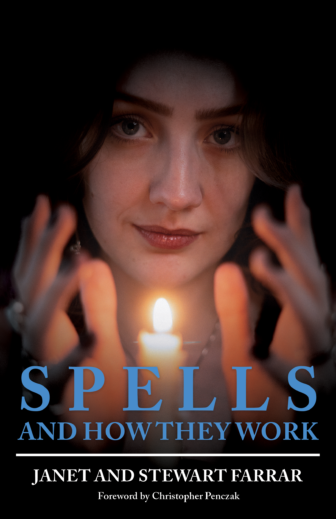
- Spells and How They Work by Janet and Stewart Farrar (Crossed Crow Books, reissued)
- Ecstaticism: A Transmission from the Threshold by Kaelan Strouse (Debut)
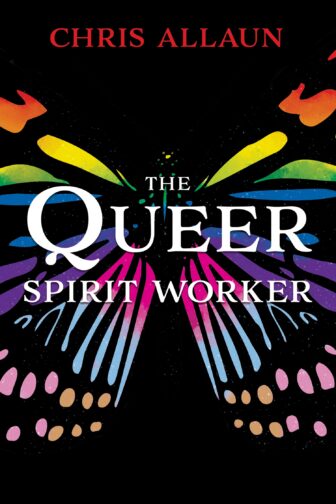
- The Queer Spirit Worker by Chris Allaun (Crossed Crow Books)
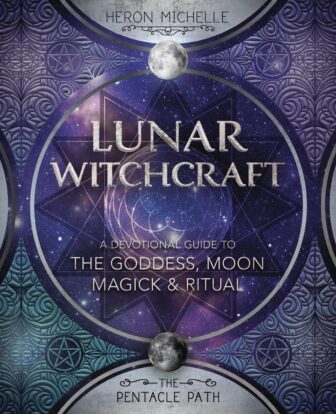
- Lunar Witchcraft: A Devotional Guide to the Goddess, Moon Magick & Ritual by Heron Michelle (Llewellyn)
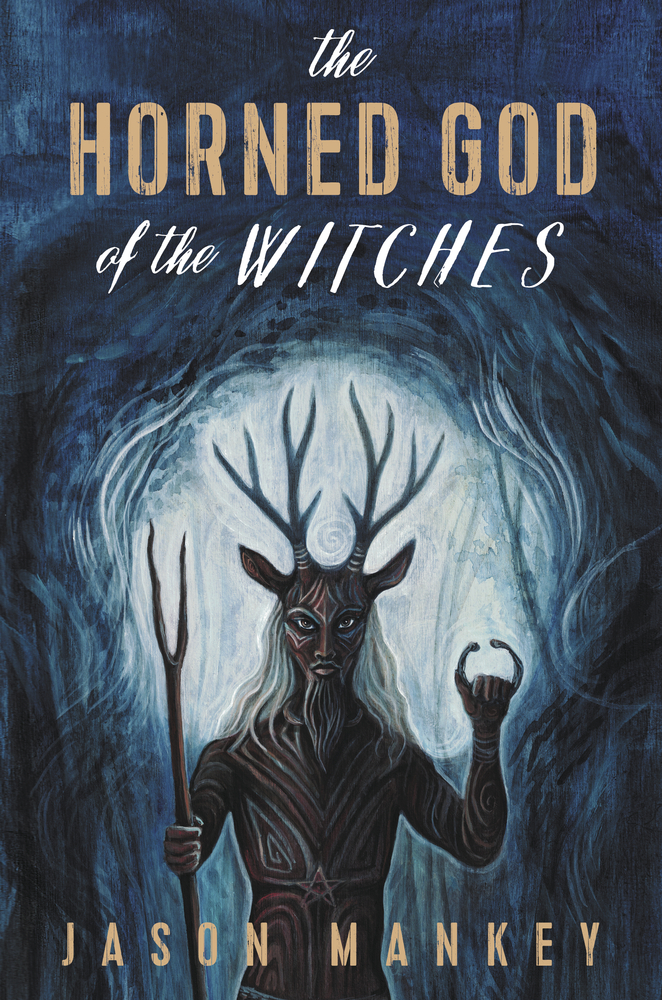
- The Horned God of the Witches by Jason Mankey (Llewellyn)
- Tattoo Magick: Drawing on New and Old Ink for Spells and Spiritual Connections by Jake Morningstar (Llewellyn)
Together, these works illustrate an evolving esoteric community that values historical preservation while aggressively carving out inclusive, individualized paths for modern practitioners.
Chronology: From Craft Elders to Cutting-Edge Explorations
The timeline of modern witchcraft literature spans decades of continuous evolution. Understanding where contemporary works fit requires a brief look at the trajectory of Craft publishing, moving from the foundational texts of the late 20th century to the hyper-targeted, identity-inclusive manuals of the mid-2020s.

1990s Foundation: The Wisdom of the Elders
The literary lineage represented in this current wave stretches back to pivotal works like Janet and Stewart Farrar’s Spells and How They Work. Originally published in 1990, the Farrars’ text captured the mechanics of traditional Wiccan spellcraft during a period when the Craft was fighting for mainstream religious recognition and standardizing its instructional texts.
The Mid-2010s to 2020s: Expansion and Specialization
As the internet decentralized esoteric education, publishers began pivoting toward granular topics—focusing on specific deities, unique cultural intersections, and specialized magical modalities. Authors like Jason Mankey began unpacking historical archetypes with academic rigor mixed with accessible humor. Concurrently, independent presses like Crossed Crow Books stepped in to rescue foundational titles from out-of-print obscurity while championing daring, counter-cultural voices.
The 2026 Landscape: Embodied and Inclusive Spirituality
The current publishing cycle reflects a distinct maturation in the Pagan community. Books like Kaelan Strouse’s Ecstaticism and Chris Allaun’s The Queer Spirit Worker mark a departure from dogmatic, hierarchical frameworks. Instead, they center personal bodily autonomy, queer identity, and liminal experiences as primary vehicles for divine connection. Meanwhile, technical manuals like Jake Morningstar’s Tattoo Magick and Heron Michelle’s Lunar Witchcraft demonstrate that practitioners increasingly expect both exhaustive academic research and highly pragmatic, actionable rituals.
Supporting Data: Deep Dive into the Featured Titles
To fully understand the scope of contemporary magical publishing, each of the six highlighted works offers distinct insights into the modern practitioner’s library.

1. Spells and How They Work by Janet & Stewart Farrar
- Publisher: Crossed Crow Books
- Focus: Wiccan philosophy, global spellcraft traditions, and ethics.
- Analysis: While rooted in traditional Wicca, the Farrars’ classic work transcends denominational lines. Rather than serving as a rigid spellbook meant to be followed blindly, the text explores the underlying mechanisms of magic. It contextualizes love, problem-solving, and protection spells within strict ethical frameworks, making it an invaluable bridge between 20th-century Craft foundationalism and 21st-century adaptive magic.
2. Ecstaticism: A Transmission from the Threshold by Kaelan Strouse
- Publisher: Independent / Debut
- Focus: Memoir, queer spirituality, embodied divinity, and liminality.
- Analysis: Strouse’s debut presents a radical departure from traditional guru-led spiritualities. Written through the lens of a queer man, the text rejects hierarchical control and puritanical shame, framing sexual pleasure, empathy, and kindness as sacred acts. It serves as both a personal memoir and a visionary quest, offering a psychological and spiritual balm for those recovering from toxic religious upbringings.
3. The Queer Spirit Worker by Chris Allaun
- Publisher: Crossed Crow Books
- Focus: Inclusive ritual design, queer deities, spirits, and historical figures.
- Analysis: Allaun gathers perspectives from across the queer spiritual spectrum to help readers build workable, inclusive practices. Eschewing dry academic prose in favor of a conversational, grounded tone, the book catalogs the historical figures, spirits, and paradigms that have shaped modern queer esoteric culture, proving that inclusive spaces yield potent magic.
4. Lunar Witchcraft: A Devotional Guide to the Goddess, Moon Magick & Ritual by Heron Michelle
- Publisher: Llewellyn Publications
- Focus: Comprehensive lunar lore, science, history, astrology, and ritual.
- Analysis: Michelle moves far beyond superficial moon-phase tracking. This heavy tome integrates hard science with esoteric traditions, drawing connections between the lunar sphere, tarot, Qabalah, and ancient deity work. It provides both theoretical frameworks and robust, step-by-step ritual instructions designed to help practitioners forge a lifelong, devotional relationship with Earth’s satellite.
5. The Horned God of the Witches by Jason Mankey
- Publisher: Llewellyn Publications
- Focus: Historical and contemporary evolution of horned deities.
- Analysis: Mankey tackles one of the most frequently misunderstood archetypes in modern witchcraft. Tracing the evolution of the Horned God from Margaret Murray’s early theories through traditional Wicca and modern Traditional Craft, Mankey utilizes his signature humor and rigorous research to demystify "Old Horny." The book bridges historical analysis with actionable rituals, filling a historical gap in the literature of the Craft.
6. Tattoo Magick: Drawing on New and Old Ink for Spells and Spiritual Connections by Jake Morningstar
- Publisher: Llewellyn Publications
- Focus: Permanent body modification as a magical act.
- Analysis: Addressing an increasingly popular intersection of modern art and esotericism, Morningstar provides an exhaustive guide to magical tattooing. The book explores cultural histories, color symbolism, anatomical placement, and rituals for activating ink. Furthermore, it offers practical guidance on vetting and working with professional tattoo artists, acknowledging the deep synergy between body art and spiritual identity.
Official Perspectives and Industry Reception
The modern esoteric publishing ecosystem relies heavily on peer endorsement, cross-pollination, and community validation. Authors writing within the Pagan and occult spaces frequently act as both creators and critics, vetting advanced reading copies (ARCs) to guide their readers through an increasingly crowded market.
In his evaluation, Storm Faerywolf notes the shifting dynamics of authorial workloads:
"One of the perks of being a published author is an increased opportunity to read advanced copies of other author’s works… Most of these I was recently asked to read and endorse, as they are not yet published, while others have been sitting on my TBR pile for some time."
Publishing houses like Llewellyn and Crossed Crow Books continue to dominate the market by balancing mass-market accessibility with niche ideological demands. Llewellyn’s commitment to exhaustive reference guides (such as Michelle’s lunar study and Mankey’s horned deity exploration) contrasts with Crossed Crow’s agile, counter-cultural output, which frequently centers marginalized identities and reclamation narratives.
Implications: Where Modern Witchcraft Is Headed
The trends highlighted in this literary survey point to several significant shifts within the global esoteric community:
- Decentralization of Authority: The rejection of rigid, hierarchical traditions in favor of self-authored, embodied spiritual practices (as seen in Strouse and Allaun’s work) indicates that modern practitioners are increasingly trusting their own internal authority and lived experiences.
- Integration of the Physical and Spiritual: Books addressing body modification (Tattoo Magick) and sensory pleasure (Ecstaticism) signal a move away from ascetic, world-denying spiritual models toward immanent, earth-based religions that celebrate physical existence.
- Cross-Generational Dialogue: By reissuing foundational texts like the Farrars’ Spells and How They Work alongside contemporary innovations, publishers are ensuring that modern witches remain connected to the historical roots of the 20th-century Craft revival while adapting those tools to 21st-century realities.
As these titles hit shelves throughout 2026, they provide practitioners with the intellectual and practical framework necessary to navigate an increasingly complex spiritual world. Whether seeking historical context, community-building tools, or personal liberation through ink and ritual, the modern occult library has never been more diverse or robust.