SAN FRANCISCO — In the ever-expanding literary landscape of contemporary paganism and witchcraft, sorting through the sheer volume of new releases can prove a daunting task for practitioners. Fortunately, seasoned authors and Craft elders often serve as trusted guides through the noise. In a recent literary round-up published by The Wild Hunt, noted author, teacher, and Faery Witch Storm Faerywolf offered a curated look at six notable titles currently sitting on his reading and review pile.
Spanning reissued Wiccan classics, deeply personal memoirs, explorations of queer spirituality, lunar devotion, traditional theology, and body modification magic, these works reflect the diverse and evolving nature of modern occult publishing. Featuring prominent voices from across the magical community—including Janet and Stewart Farrar, Jason Mankey, Heron Michelle, Chris Allaun, Jake Morningstar, and Kaelan Strouse—the selection highlights how contemporary magical literature continues to bridge historical foundations with modern, inclusive praxis.
Main Facts: A Snapshot of Current Occult Publishing
The modern occult publishing market is experiencing a significant renaissance, marked by a dual trend: the preservation of foundational historical texts through high-quality reissues, and the emergence of specialized, identity-driven, and experiential magic books.
Faerywolf’s recent survey brings attention to this dynamic landscape, spotlighting titles published by prominent houses such as Llewellyn Worldwide and Crossed Crow Books. Among the highlights are:

- The Revival of Elders’ Wisdom: Crossed Crow Books’ new lease on Janet and Stewart Farrar’s 1990 classic, Spells and How They Work.
- Intersectionality and Identity: Works addressing queer spirituality and lived experience, specifically Chris Allaun’s The Queer Spirit Worker and Kaelan Strouse’s debut, Ecstaticism: A Transmission from the Threshold.
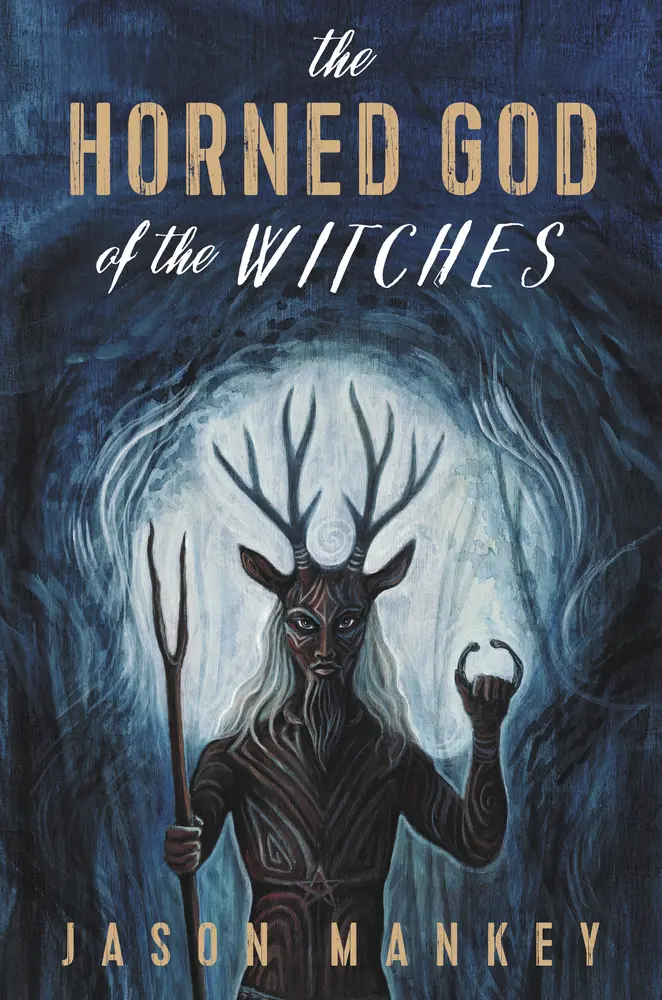
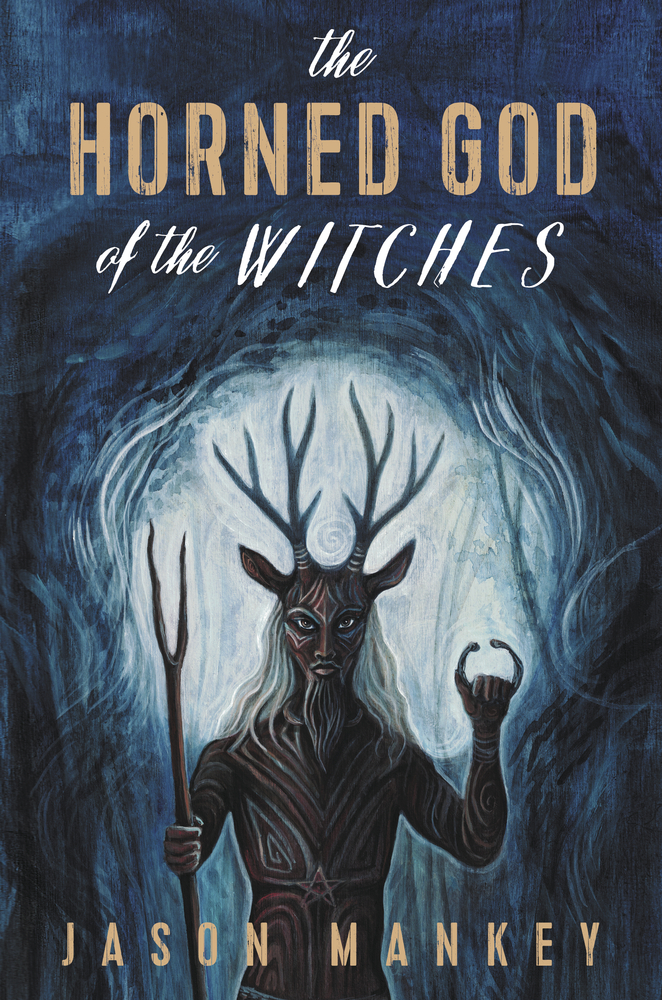
- Deep Theological Dives: Jason Mankey’s comprehensive examination of historical and modern horned deities in The Horned God of the Witches.
- Specialized Practical Magic: Heron Michelle’s encyclopedic Lunar Witchcraft and Jake Morningstar’s innovative exploration of body modification in Tattoo Magick.
Chronology and Publication Background
The selected texts represent a timeline stretching from foundational Wiccan history to cutting-edge contemporary practice, capturing how the genre has matured over the last several decades.
1990s Roots: The Legacy of the Farrars
- Publication Era: 1990 (Original); 2026 (Crossed Crow Books Reissue).
- Spells and How They Work by Janet and Stewart Farrar.
- Context: Long before the era of internet-based spellcraft and aesthetic-driven witchcraft on social media, Janet and Stewart Farrar were foundational architects of modern Wiccan education. Their return to print via Crossed Crow Books serves as a vital bridge, connecting contemporary practitioners to the philosophies, ethical considerations, and multicultural roots taught by the Craft’s elders.
The Contemporary Wave: 2023–2026 Releases
The remaining titles on Faerywolf’s list represent recent and forthcoming contributions from major occult publishers, reflecting the community’s growing appetite for niche, highly personalized, and intensely researched magical frameworks.

- Kaelan Strouse’s Ecstaticism: A poetic, paradigm-shifting debut that frames spirituality not through rigid hierarchical control, but through bodily affirmation, empathy, and personal initiation from a queer perspective.
- Chris Allaun’s The Queer Spirit Worker: Published by Crossed Crow Books, this volume taps into the burgeoning movement of LGBTQIA+ practitioners building autonomous, inclusive, and historically grounded spiritual containers.
- Heron Michelle’s Lunar Witchcraft (Llewellyn): A sweeping, encyclopedic volume tackling the science, mythology, tarot, Qabalah, and ritual application of Earth’s natural satellite.
- Jason Mankey’s The Horned God of the Witches (Llewellyn): A long-overdue, comprehensive look at "Old Horny," tracing the evolution of horned deities from Margaret Murray’s controversial theories through traditional craft and modern Wicca.
- Jake Morningstar’s Tattoo Magick (Llewellyn): A pioneering manual examining the intersection of body ink, cultural history, symbolic anatomy, and active spellcasting.
Supporting Data and Detailed Overviews of the Featured Titles
To better understand the scope of Faerywolf’s recommendations, a closer look at the content, structure, and intended audience of each book reveals why these particular volumes stand out in the current literary market.
1. Spells and How They Work by Janet & Stewart Farrar
- Publisher: Crossed Crow Books
- Focus: Spellcraft mechanics, global magical philosophies, and ethics.
- Key Takeaway: While distinctly Wiccan in its foundational framework, the book transcends sectarian boundaries. Rather than offering spells strictly to be copied verbatim ("as is"), the Farrars dedicate significant page-space to exploring why spells work, examining psychological, energetic, and spiritual mechanisms. Faerywolf notes that this text acts as essential food for thought for Witches of all backgrounds looking to design their own authentic workings.
2. Ecstaticism: A Transmission from the Threshold by Kaelan Strouse
- Publisher/Format: Debut Memoir / Vision Quest
- Focus: Embodied spirituality, liminality, and queer liberation.
- Key Takeaway: Strouse’s book moves away from traditional, dogmatic guru-ism. Written through the lens of a queer man, the text rejects shame-based religious structures and instead finds the divine within bodily pleasure, empathy, and everyday kindness. Faerywolf hails the book as a "much-needed balm for the soul" for seekers who have found traditional, hierarchical esoteric paths toxic or restrictive.
3. The Queer Spirit Worker by Chris Allaun
- Publisher: Crossed Crow Books
- Focus: Community building, queer-centered deities, and inclusive ritual.
- Key Takeaway: Allaun curates perspectives, historical figures, spirits, and deities relevant to the LGBTQIA+ magical community. Utilizing a conversational, down-to-earth tone, the book acts as a manual for practitioners seeking to forge potent, identity-affirming spiritual practices that honor queer history and resilience.
4. Lunar Witchcraft: A Devotional Guide to the Goddess, Moon Magick & Ritual by Heron Michelle
- Publisher: Llewellyn Worldwide
- Focus: Comprehensive lunar lore, science, astrology, and ritual practice.
- Key Takeaway: Michelle moves far beyond superficial moon-phase tracking. By integrating hard science with esoteric systems—including tarot, Qabalah, and deity work—the book provides a robust framework for practitioners aiming to deepen their lifelong relationship with the lunar sphere.
5. The Horned God of the Witches by Jason Mankey
- Publisher: Llewellyn Worldwide
- Focus: Historical and theological evolution of horned deities.
- Key Takeaway: Mankey tackles one of the most widely discussed and frequently misunderstood archetypes in Western esotericism. Tracing the deity from early anthropological theories (such as those of Margaret Murray) into modern Wicca and Traditional Craft, Mankey pairs rigorous historical research with practical rituals. His signature humorous and conversational style makes complex theological history accessible and engaging.
6. Tattoo Magick: Drawing on New and Old Ink for Spells and Spiritual Connections by Jake Morningstar
- Publisher: Llewellyn Worldwide
- Focus: Body modification as an active magical discipline.
- Key Takeaway: A notably thorough manual addressing an increasingly popular intersection of modern art and occultism. Morningstar covers cultural history, bodily anatomy, symbolic color theory, and ritual integration. Crucially, the book also includes practical guidance on selecting the right tattoo artist, making it an invaluable resource for both tattooed practitioners and those contemplating their first piece of magical ink.
Official Perspectives and Industry Insights
The publishing ecosystem surrounding contemporary witchcraft has evolved dramatically over the last two decades. Publishers like Llewellyn and Crossed Crow Books increasingly rely on endorsements and critical reviews from established authors like Storm Faerywolf to help readers navigate an increasingly crowded marketplace.

In his commentary, Faerywolf offers a transparent look behind the scenes of the writing and publishing community. Acknowledging that time constraints—specifically his own looming book deadlines—occasionally delay his ability to provide timely blurbs for upcoming releases, he emphasizes the importance of championing strong work regardless of publication windows.
"One of the perks of being a published author is an increased opportunity to read advanced copies of other author’s works," Faerywolf notes. By dedicating space to uplift fellow writers, established figures help foster a culture of mutual support within the pagan and occult literary sphere, ensuring that diverse voices—ranging from queer perspectives to historical deep-dives—find their intended audiences.

Implications for the Modern Witchcraft Community
The curation highlighted by Faerywolf points to several broader cultural and practical shifts within modern paganism:
- Decentralization of Authority: Books like Strouse’s Ecstaticism and Allaun’s The Queer Spirit Worker signal a continued departure from rigid, hierarchical lineage models. Modern seekers are increasingly empowered to construct personalized, identity-affirming spiritual paths that validate lived experience and bodily autonomy.
- Academic Rigor Meets Practical Devotion: Titles by authors like Jason Mankey and Heron Michelle demonstrate a growing demand for well-researched theology and comprehensive magical systems. Practitioners are no longer satisfied with surface-level instructions; they want to understand the historical, scientific, and esoteric underpinnings of their practices.
- Integration of Modern Subcultures: The inclusion of Jake Morningstar’s Tattoo Magick highlights how contemporary witchcraft continually absorbs and sacralizes modern artistic expressions, turning permanent body modification into an intentional, ritualized act of spiritual connection.
- Preservation of Elder Wisdom: By reissuing foundational works from authors like the Farrars, publishers ensure that the historical roots of contemporary ritual magic are not lost to time, providing a solid historical foundation for newer generations of Witches.
As these titles make their way from advanced reading copies onto bookshelves worldwide, they collectively enrich the toolkit of the modern magical practitioner, proving that the Craft remains as vital, diverse, and dynamic as ever.