
By Clio Ajana
Published: October 4, 2026
Category: Living / Cultural Commentary
Main Facts: Navigating the Precipice of Autumn
As the autumnal equinox yields to the deepening shadows of October, a profound seasonal shift occurs across the landscape and within the human psyche. The crisp autumn winds herald a time of reflection, marking an interval where the veil between the living and the dead is traditionally believed to grow thin. Against a backdrop of economic strain, societal polarization, and collective exhaustion, contemporary society stands at a metaphorical precipice.
The core narrative of this transitional season explores how individuals confront personal and collective fractures. Rather than succumbing to erasure or the pursuit of unblemished, unattainable perfection, cultural commentators and wellness practitioners are increasingly turning to ancient philosophies—most notably the Japanese art of kintsugi—to reframe human trauma, economic hardship, and kinetic stress. Concurrently, as communities welcome their ancestors into their homes and practices during the lead-up to Samhain, a broader conversation is taking place regarding the transmission, recognition, and eventual healing of intergenerational trauma.
Chronology: The Seasonal Cycle and the Digital Divide
The progression into the darker months of the year follows a well-established rhythm of agricultural, psychological, and cultural markers:
- Late September (The Autumnal Equinox): The official turning of the season sets off a physiological and psychological adjustment as daylight wanes and temperatures cool.
- Early October: Leaves change color and begin to fall, serving as a visceral, natural reminder of mortality, release, and the thinning of the spiritual veil.
- The Late 20th to 21st Century Shift: Over the past two decades, the fabric of human community has undergone a radical restructuring. Traditional, face-to-face communal networks have largely been supplanted by digital communication, social media feeds, text messages, and voice notes. While designed to connect, this digital landscape has often exacerbated social isolation, deepening the emotional fractures of individuals who find themselves physically disconnected from their neighbors and support systems.
- Mid-October to Samhain: This sacred transitional window is traditionally marked by intentional ancestral reverence, personal introspection, and the conscious slowing down of kinetic and mental activity to combat modern anxiety.
Supporting Data: Economic Pressures and the Anatomy of Stress
The emotional and psychological fractures experienced by modern individuals do not occur in a vacuum; they are compounded by tangible economic pressures and somatic responses to chronic stress.
The Cost-of-Living Squeeze
Contemporary households face a compounding matrix of financial burdens. Inflationary pressures have fundamentally altered basic survival metrics:

- Fuel and Transportation: Fluctuating fuel prices directly impact the cost of commuting to work and accessing essential medical care.
- Shrinkflation and Grocery Costs: Package downsizing combined with increased transportation overhead means everyday staples have drastically risen in price. Families are routinely forced to substitute nutrient-dense proteins (such as beef, chicken, and fish) with lower-cost alternatives like beans, echoing economic precarity reminiscent of the Great Depression.
- Healthcare and Prescription Costs: The escalating cost of prescription medicine forces many individuals into impossible triage scenarios: choosing between adequate nutrition, vehicle fuel, required medication, and stable housing.
Somatic Stress and Kinetic Weakness
In traditional energetic frameworks, fear and anxiety are closely linked to the kidneys—the vital organs that regulate baseline resilience in the human body. Constant exposure to alarming news cycles, data-center environmental footprints, political polarization, and widening economic inequality triggers chronic fight-or-flight responses.
When humans constantly override these somatic signals through digital distraction or emotional suppression, it results in "kinetic weakness." Chronic physical tension—manifested as tight shoulders, shallow breathing, and systemic fatigue—disconnects the mental self from the physical vessel. Restorative practices such as deep sleep, targeted stretching, and Qigong are increasingly recognized as necessary interventions to mend this mind-body split.
Official Responses and Support Resources
The profound psychological tolls of military service, domestic abuse, and systemic oppression have generated institutional and community responses aimed at providing immediate, accessible intervention.

Military Trauma and Post-Traumatic Stress Disorder (PTSD)
Generational and personal trauma stemming from military service—including multiple deployments, combat exposure, and military sexual trauma—continues to affect veterans and their families. Many survivors experience invisible scars such as intrusive flashbacks, emotional withdrawal, and sleep disturbances, yet frequently hesitate to seek care.
- The U.S. Department of Veterans Affairs (VA): Provides comprehensive healthcare and resource listings for veterans navigating PTSD and readjustment challenges.
- Veterans Crisis Line: Available 24/7 to all veterans, regardless of enrollment status:
- Call: Dial
988and select1 - Text:
838255 - Confidential Chat: VeteransCrisisLine.net
- TTY Users: Call
711then988
- Call: Dial
Domestic Violence and Interpersonal Abuse
Intergenerational patterns of abuse—whether physical, emotional, or sexual—often flow silently through family lineages like an unaddressed river. Recognizing these fractures is the first step toward breaking the cycle.
- National Domestic Violence Hotline (U.S.):
- Call:
1-800-799-SAFE (7233) - Text: Send "START" to
88788 - Online Chat: Available live via TheHotline.org, featuring compassionate automated and live support options for those unable to speak aloud.
- Call:
Implications: Embracing the Kintsugi Philosophy and Ancestral Healing
The implications of this seasonal transition extend far beyond individual self-care; they touch upon how society addresses collective trauma, historical oppression, and personal resilience.
The Art of Living Kintsugi
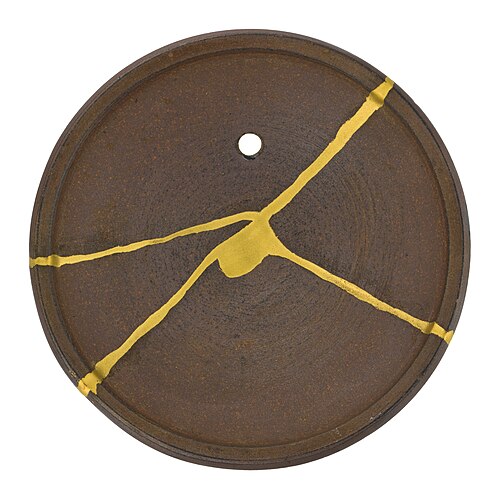
Just as kintsugi—the Japanese art of repairing broken pottery with lacquer dusted or mixed with powdered gold, silver, or platinum—highlights rather than disguises the fractures of a ceramic vessel, human beings must learn to honor their scars. Emotional fissures caused by trauma, grief, and economic stress do not render a person worthless. Instead, when treated with self-compassion and deliberate rest, these repaired places become testaments to endurance and survival. As demonstrated by body artists like Thomas Iser, who visually incorporates kintsugi designs onto the human form, acknowledging our vulnerabilities transforms them into expressions of unique beauty and strength.
Addressing Intergenerational Trauma
The burdens carried by modern individuals are frequently inherited. Whether through the long-term echoes of World War wars, the persistent weight of Post-Traumatic Slave Syndrome (as theorized by Dr. Joy DeGruy regarding the transmission of systemic oppression and vacant esteem), or the subtle dampening effects of intra-racial sabotage within educational and social systems, trauma flows across generations.
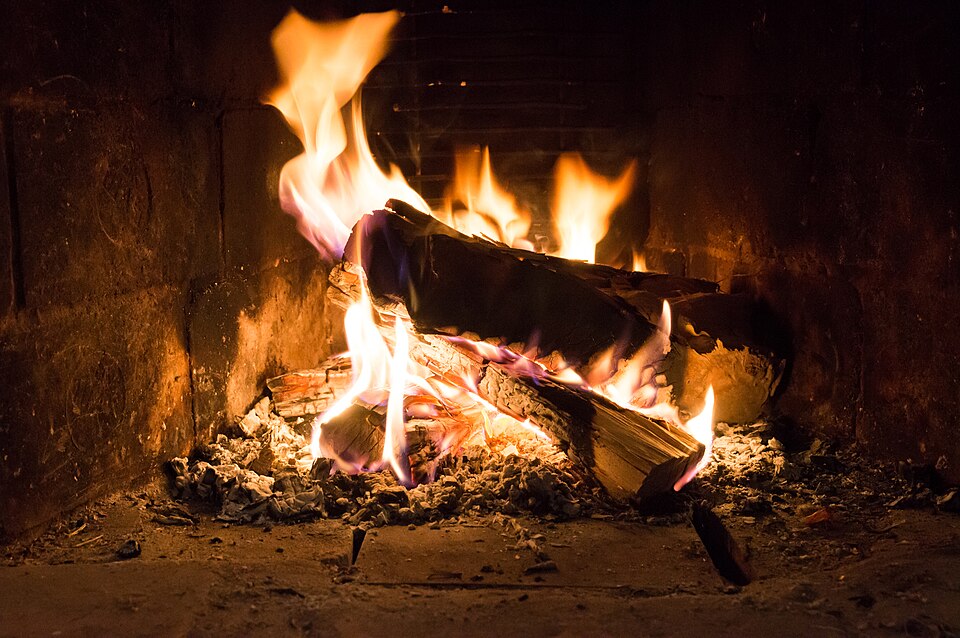
By turning inward during October and embracing the presence of ancestors, individuals find a vital conduit for healing. The thinning veil offers a sacred space to commune with those who survived historical cataclysms, systemic injustice, and domestic hardships. In doing so, modern descendants can draw upon an ancestral spirit of resilience, transforming grief and fear into a quiet, enduring peace as they sit by the fire and simply be.