By Manny Tejeda y Moreno Published: August 8, 2026
Main Facts
On August 9, 2026, the global community pauses to observe the International Day of the World’s Indigenous Peoples. Formally established by the United Nations General Assembly in 1994, this annual commemoration marks the anniversary of the inaugural meeting of the UN Working Group on Indigenous Populations, which first convened in 1982. This year, however, the global body has chosen a deeply specific, culturally resonant lens through which to view Indigenous sovereignty and resilience. Under the banner—"Honouring Indigenous Midwives: Safeguarding Life and Well-being"—the 2026 observance directs international attention to the vital intersection of maternal health, ancestral knowledge, and cultural continuity.
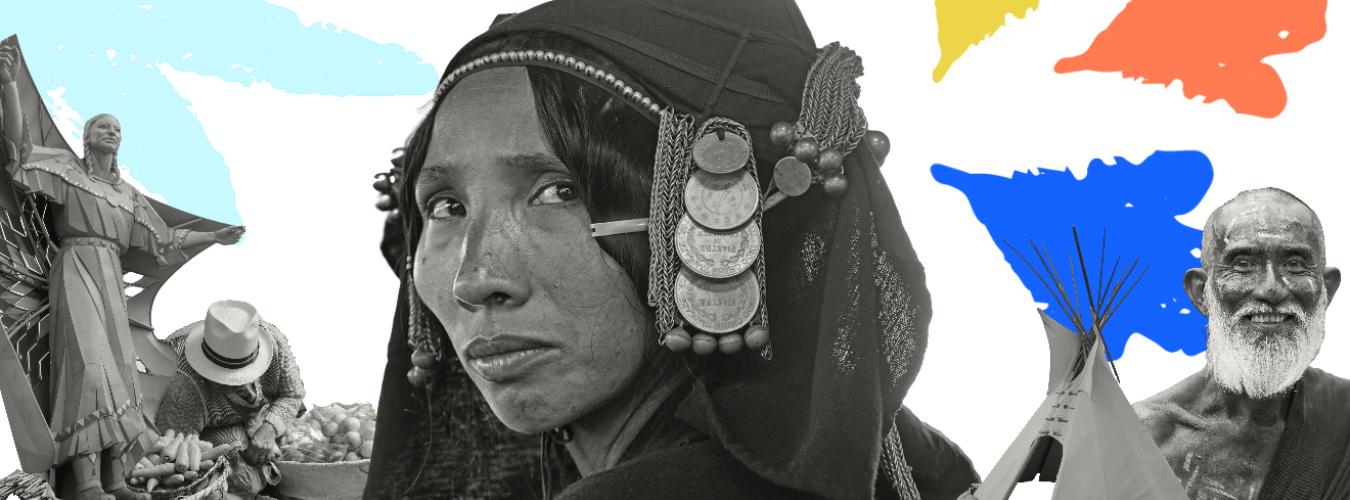
Representing an estimated 476 million individuals spread across more than 90 countries, Indigenous Peoples comprise thousands of distinct cultures and unique languages. Despite making up approximately 6% of the global population, these communities face staggering systemic disparities, accounting for at least 15% of all people living in extreme poverty worldwide. Beyond economic marginalization, Indigenous populations routinely grapple with land dispossession, ecological degradation, cultural suppression, and legal threats to their self-determination.
Yet, within the framework of this year’s UN observance, Indigenous midwifery is highlighted not merely as a localized form of maternal care, but as a holistic, living system of science, spirituality, and community leadership. Indigenous midwives serve as the frontline custodians of ancestral wisdom, bridging the gap between physical health, ecological stewardship, and the sacred continuum of life.
Chronology
To understand the weight of the 2026 observance, one must trace the historical milestones that brought Indigenous rights and traditional healthcare to the forefront of international diplomacy:
1982: The United Nations Economic and Social Council establishes the Working Group on Indigenous Populations, creating the first official UN forum to address the human rights and systemic struggles of Indigenous groups globally. The anniversary of its first meeting later becomes the foundational date for the annual Indigenous Peoples’ day.
1994: The UN General Assembly formally adopts Resolution 49/214, officially designating August 9 as the International Day of the World’s Indigenous Peoples, giving institutional momentum to global advocacy for land, language, and self-determination.
2007: After decades of tireless negotiation by Indigenous leaders and international advocates, the UN General Assembly adopts the Declaration on the Rights of Indigenous Peoples (UNDRIP). This non-legally binding yet morally authoritative text sets out individual and collective rights to culture, identity, health, and education.
August 8, 2026: Ahead of the global day of observance, international bodies and cultural publications, including The Wild Hunt, release previews framing the UN’s core focus on Indigenous midwives as a crucial test of modern human rights frameworks.
August 9, 2026: The official international observance day launches worldwide, drawing attention to the intersecting crises of maternal health disparities and the criminalization or marginalization of traditional birth practices.
August 10, 2026 (8:30 – 10:30 a.m. Eastern, UTC-4): The United Nations Department of Economic and Social Affairs (UNDESA) hosts a comprehensive two-hour virtual event. The program opens with a traditional Indigenous spiritual ceremony, followed by high-level statements, expert panels, and interactive dialogues focusing on structural reforms and the protection of Indigenous knowledge systems.
Supporting Data
The urgency of the 2026 UN theme is underscored by quantitative and qualitative data regarding Indigenous demographics, health outcomes, and systemic barriers:
Global Demographics: Approximately 476 million Indigenous people inhabit more than 90 countries, speaking thousands of distinct languages and embodying diverse governance and spiritual traditions.
Population Share vs. Poverty: While Indigenous Peoples account for roughly 6% of the world’s total human population, they represent a disproportionate 15% of the global population experiencing extreme poverty.
Health Outcomes: Empirical research compiled by public health agencies demonstrates that when supported and integrated respectfully, Indigenous midwives drastically improve birth outcomes for mothers and infants, bridge severe gaps of mistrust in institutional health systems, and guarantee holistic continuity of care.
The Transmission Crisis: The systemic erosion, stigmatization, or outright criminalization of traditional midwifery in various national jurisdictions does not merely impact birth statistics; it severs the chain of transmission for native languages, ceremonies, ecological knowledge, and community self-governance.
Official Responses
Global leaders and institutional representatives have emphasized that safeguarding Indigenous health systems is a fundamental matter of human rights and environmental sustainability.
In a formal statement released for the occasion, UN Secretary-General António Guterres underscored the irreplaceable role that Indigenous communities play in humanity’s collective future:
"Indigenous Peoples are guardians of cultural heritage, stewards of vital ecosystems and crucial contributors to our shared future. On this International Day of the World’s Indigenous Peoples, we celebrate Indigenous midwives. Evidence shows that they improve outcomes for mothers and babies, strengthen trust in health systems and ensure continuity of care. As knowledge holders and leaders, they also help preserve the languages, values and practices that sustain Indigenous cultures across generations."
Addressing the structural flaws of modern medical infrastructure, Guterres outlined ongoing collaborative efforts between the United Nations and Member States. These initiatives aim to address chronic data gaps—which frequently render Indigenous patients invisible in national health metrics—while scaling up investments in localized midwife training. Crucially, these efforts emphasize protecting the bodily autonomy and self-determination of Indigenous women.
The upcoming virtual dialogues are structured to bridge high-level diplomatic recognition with grassroots realities:
"Indigenous Midwives as Knowledge Holders and Guardians of Well-being": This panel treats midwifery as an expansive ecosystem of spiritual, physical, and cultural knowledge, examining the acute pressures practitioners face when trying to pass their sacred crafts down to younger generations.
"From Recognition to Action: Protecting and Supporting Indigenous Midwifery": Moving past symbolic rhetoric, this session evaluates legislative and policy reforms required to integrate traditional practitioners into broader health frameworks without stripping Indigenous communities of their institutional autonomy.
Implications
The spotlight on Indigenous midwifery goes far beyond the walls of conventional hospitals or the delivery rooms of remote communities. It forces a critical reckoning regarding institutional power, cultural sovereignty, and the definition of legitimate science.
For generations, state-run health systems across the globe have marginalized, delegitimized, or actively criminalized traditional birth attendants. By framing midwifery through the lens of Indigenous rights, the United Nations is raising complex structural questions: Who holds the authority to determine whether a medical or spiritual practice is legitimate? Who sets the standards for practitioners, and how can state governments provide financial and infrastructural resources without infringing upon Indigenous self-determination?
These inquiries tie directly back into the core tenets of the UN Declaration on the Rights of Indigenous Peoples (UNDRIP). When a government denies a community the right to birth their children according to ancestral traditions, it does more than deny healthcare—it assaults their cultural institutions and right to self-determination.
Conversely, when national health systems successfully partner with Indigenous midwives, the benefits ripple outward. Trust is restored, maternal mortality rates drop, and ancient ecological and medicinal knowledge is preserved for future generations. As Secretary-General Guterres aptly summarized: "Traditional wisdom can protect new life. Together, let us ensure that Indigenous midwives, and the communities they serve, have everything they need to thrive."
As the global community engages with the August 10 virtual dialogues hosted by UNDESA, the challenge for international policymakers will be turning well-intentioned recognition into enforceable, rights-based protections. Ensuring the survival of Indigenous midwifery is not merely an investment in maternal health; it is an affirmation of the enduring resilience of Indigenous cultures worldwide.