By Manny Tejeda y Moreno
Published: August 8, 2026
Main Facts
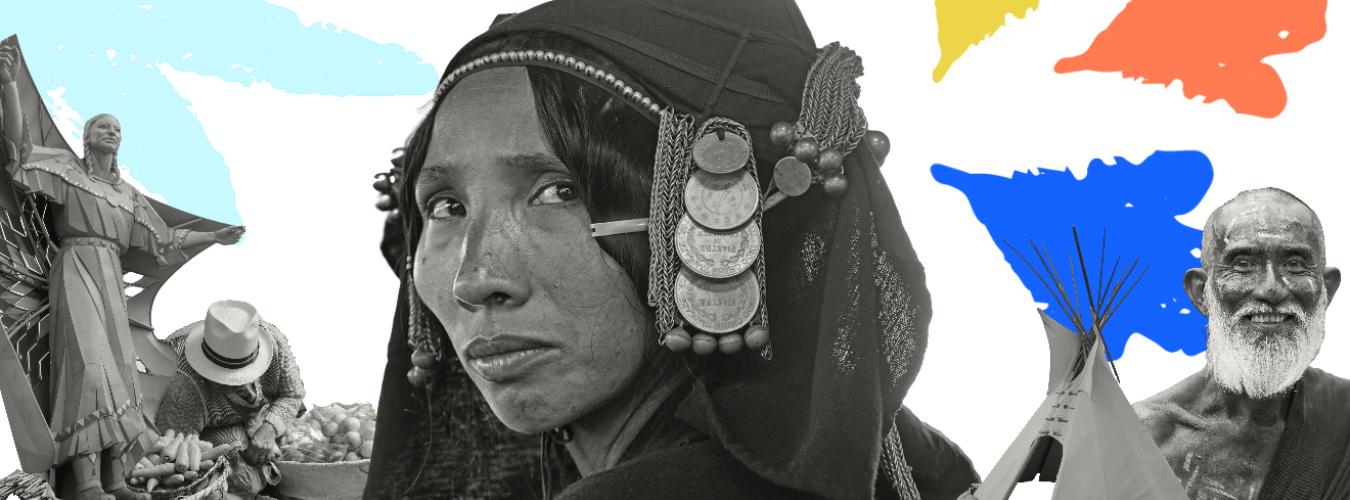
On August 9, 2026, the global community observed the United Nations International Day of the World’s Indigenous Peoples, turning a spotlight toward the invaluable contributions, profound spiritual traditions, and cultural continuity maintained by Indigenous communities worldwide. This year, the international observance centers on a theme of paramount importance: "Honouring Indigenous Midwives: Safeguarding Life and Well-being."
Formally proclaimed by the UN General Assembly in December 1994, this annual commemoration marks the anniversary of the inaugural session of the UN Working Group on Indigenous Populations held in 1982. Today, the global Indigenous population stands at an estimated 476 million individuals spread across more than 90 countries. These diverse populations represent thousands of distinct languages, complex governance structures, and vibrant cultural heritages.
Despite accounting for roughly 6% of the global population, Indigenous Peoples face staggering systemic disparities, representing at least 15% of all people living in extreme poverty. Beyond economic hardships, Indigenous communities frequently contend with land dispossession, resource extraction threats, linguistic erosion, and systemic discrimination. By focusing on Indigenous midwifery, the 2026 commemoration highlights how ancestral healthcare practices serve not only as vital maternal services, but as cornerstones of holistic health, cultural survival, and community sovereignty.
Chronology
- 1982: The United Nations Working Group on Indigenous Populations holds its foundational first meeting, a milestone later commemorated by the UN General Assembly.
- December 1994: The UN General Assembly formally adopts resolution 49/214, establishing August 9 as the International Day of the World’s Indigenous Peoples.
- August 8, 2026: Ahead of the global observance, international agencies, cultural outlets, and Indigenous advocates mobilize awareness campaigns emphasizing this year’s focus on maternal care and traditional knowledge.
- August 9, 2026: The official International Day of the World’s Indigenous Peoples is observed globally, emphasizing the theme of Indigenous midwifery, health equity, and cultural preservation.
- August 10, 2026 (8:30 – 10:30 a.m. EDT): The United Nations Department of Economic and Social Affairs (UN DESA) hosts a comprehensive, two-hour virtual high-level event featuring spiritual ceremonies, official addresses, and targeted moderated dialogues.
Supporting Data
The global demographic and socio-economic reality of Indigenous populations underscores the urgency of rights-based health initiatives:
- Global Population: Approximately 476 million Indigenous people reside globally.
- Geographic Spread: Indigenous communities inhabit more than 90 distinct nation-states.
- Demographic Weight: Indigenous Peoples comprise roughly 6% of the total human population on Earth.
- Poverty Disparity: Despite their small percentage of the global populace, Indigenous individuals account for at least 15% of the world’s extreme poor.
- Biodiversity Stewardship: Indigenous lands hold an estimated 80% of the planet’s remaining biodiversity, underlining the deep link between traditional ecological knowledge and environmental preservation.
- Health Outcomes: Data compiled by international health agencies consistently demonstrates that culturally grounded care—such as Indigenous-led midwifery—improves maternal and neonatal health outcomes, lowers intervention trauma, and builds crucial trust within marginalized populations.
Official Responses
The global observance drew powerful statements from international leadership, emphasizing a pivot from passive cultural recognition toward active, rights-based institutional support.
UN Secretary-General António Guterres issued a resounding endorsement of Indigenous healthcare systems, stating:
"Indigenous Peoples account for over 6 per cent of the world’s population. They are guardians of cultural heritage, stewards of vital ecosystems and crucial contributors to our shared future. On this International Day of the World’s Indigenous Peoples, we celebrate Indigenous midwives. Evidence shows that they improve outcomes for mothers and babies, strengthen trust in health systems and ensure continuity of care. As knowledge holders and leaders, they also help preserve the languages, values and practices that sustain Indigenous cultures across generations."
Guterres further detailed the United Nations’ ongoing collaboration with Member States to reform healthcare frameworks. Priorities include bridging severe data gaps that render Indigenous patients invisible in national registries, increasing financial investments in culturally safe natal training, and rigorously protecting the bodily autonomy and self-determination of Indigenous women.

The upcoming virtual UN event will feature further insights from the Chair of the Permanent Forum on Indigenous Issues, alongside global Indigenous leaders, medical practitioners, and human rights advocates. The agenda is structured around two distinct, high-level moderated panels:
- "Indigenous Midwives as Knowledge Holders and Guardians of Well-being": This session explores traditional midwifery as a living, holistic knowledge system. It addresses how these practitioners weave together medical care, spiritual guidance, and ecological wisdom, while examining the modern barriers that threaten the intergenerational transmission of these vital practices.
- "From Recognition to Action: Protecting and Supporting Indigenous Midwifery": Moving past mere symbolic acknowledgment, this panel evaluates policy reforms, legal protections, and practical mechanisms for integrating Indigenous-led care into national frameworks without compromising Indigenous autonomy or intellectual property rights.
Implications
The 2026 UN focus on Indigenous midwifery transcends the boundaries of conventional medicine, raising profound legal, ethical, and political questions regarding self-determination and the ownership of ancestral knowledge.
In many regions, Indigenous midwives operate under hostile conditions marked by institutional stigmatization, legal marginalization, and, in extreme cases, outright criminalization by state-run health authorities. When national medical boards refuse to recognize traditional certifications or force Indigenous women into rigid, culturally alienating clinical environments, the consequences extend far beyond compromised natal health.
The erosion of Indigenous midwifery directly threatens cultural continuity. Within many traditions, the birthing suite is a sacred space where newborn infants are welcomed into the community through specific songs, ceremonies, and linguistic expressions. Midwives are frequently the keepers of tribal genealogies, medicinal botany, and spiritual philosophy. Therefore, the suppression of traditional birth attendants accelerates the loss of endangered Indigenous languages and ancestral wisdom.
Furthermore, integrating Indigenous practices into formal health systems requires navigating complex questions of power and sovereignty. Policymakers must determine how to provide state resources and infrastructure without co-opting, regulating out of existence, or commodifying sacred traditions. True support requires adhering to the principles outlined in the UN Declaration on the Rights of Indigenous Peoples (UNDRIP), which affirms the right of Indigenous communities to maintain, control, and protect their traditional health institutions and cultural practices.
As Secretary-General Guterres aptly summarized:
"Traditional wisdom can protect new life. Together, let us ensure that Indigenous midwives, and the communities they serve, have everything they need to thrive."
By reframing maternal health as a matter of fundamental human rights and self-determination, the 2026 International Day of the World’s Indigenous Peoples challenges global institutions to move beyond rhetoric, ensuring that ancestral lifeways are not merely preserved in archives, but actively supported where they matter most: in the hands of the communities that practice them.