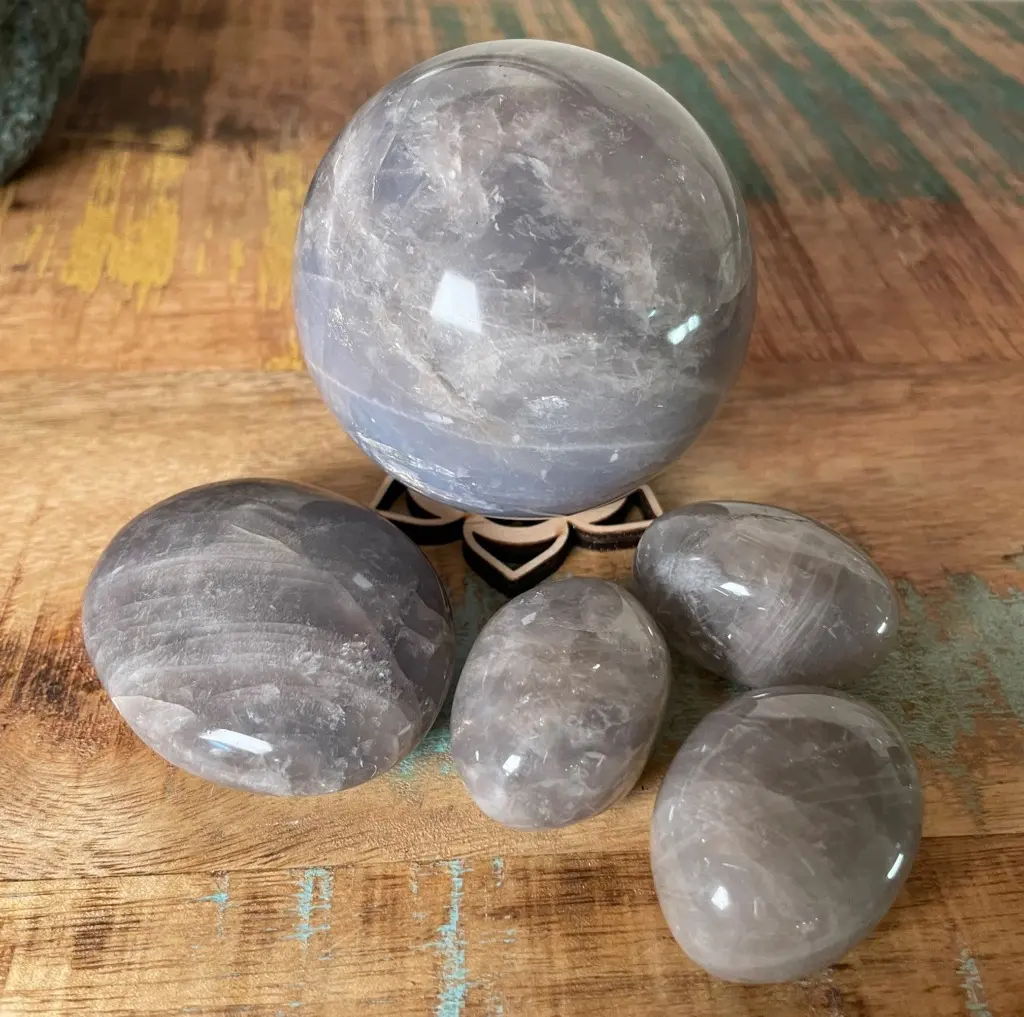
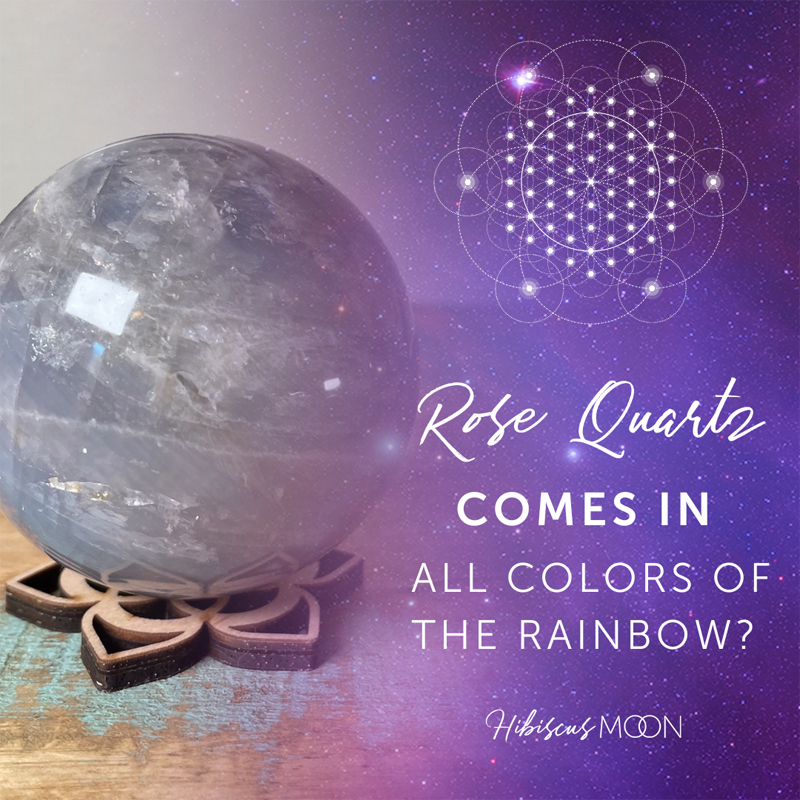
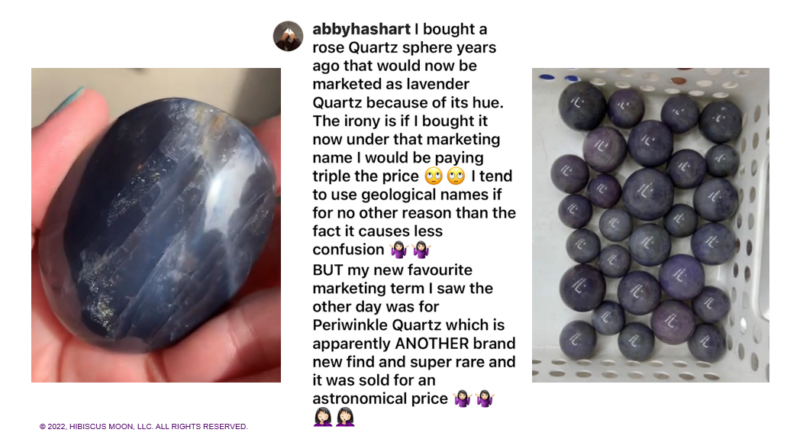
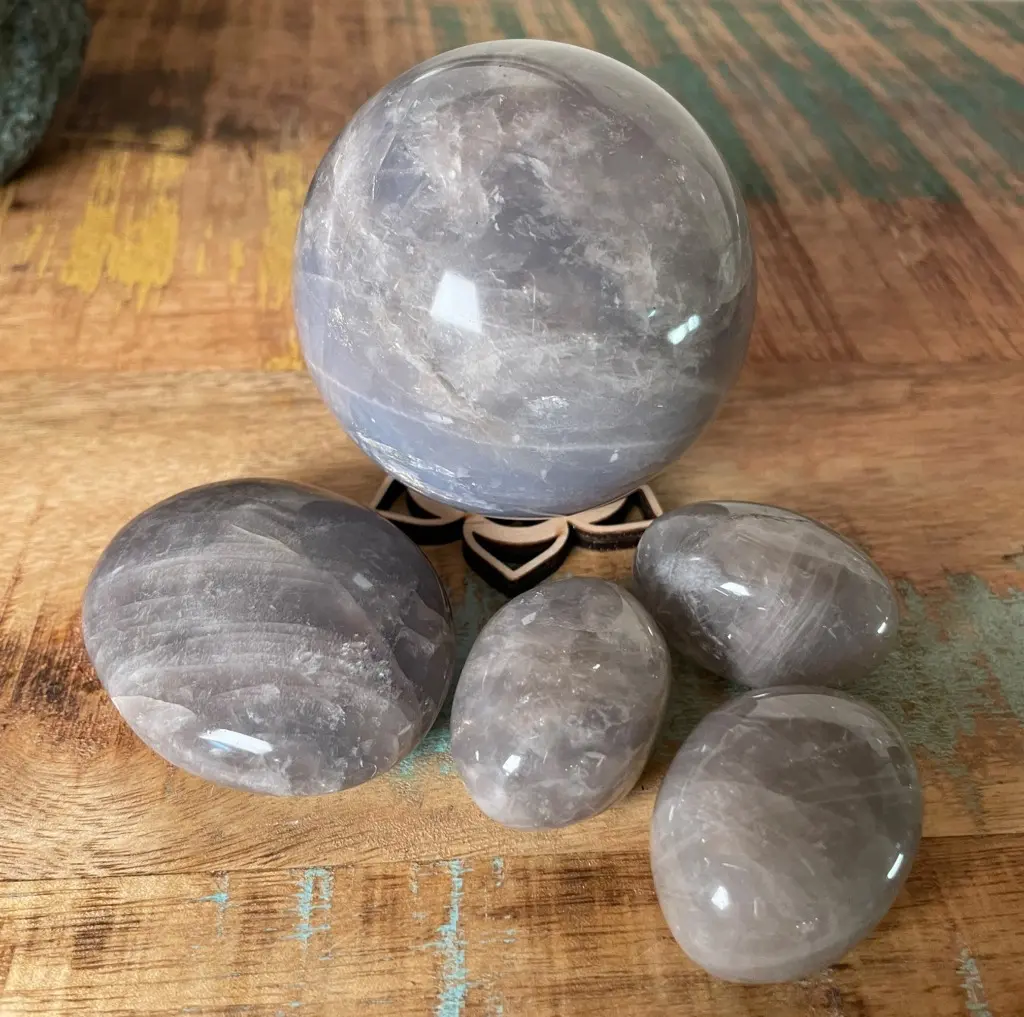
GEMSTONE MARKETPLACE — In the ever-expanding global crystal and metaphysical market, a new trend has sparked intense debate among geologists, retailers, and spiritual practitioners alike. The subject of scrutiny is "Blue Rose Quartz"—a material heavily marketed across online storefronts, social media platforms, and boutique crystal shops as a rare and spiritually potent variant of standard rose quartz, often sourced from Madagascar.
However, geological experts, academic researchers, and veteran crystal educators are pushing back. Labeling the trend as a triumph of clever marketing over scientific accuracy, experts argue that "Blue Rose Quartz" is not a distinct mineral variety at all. Instead, it is largely composed of low-grade quartz or treated stones renamed with ethereal monikers to artificially inflate market value.
This investigation explores the core facts of the controversy, the history of crystal misrepresentation, the scientific data behind these stones, industry reactions, and the broader implications for consumers and ethical sellers.
Main Facts: What is "Blue Rose Quartz"?
The core controversy centers on truth in labeling. According to mineralogical definitions, true rose quartz (silicon dioxide, or $textSiO_2$) owes its characteristic soft pink coloration to microscopic, nanofibrous inclusions of a mineral closely related to dumortierite.
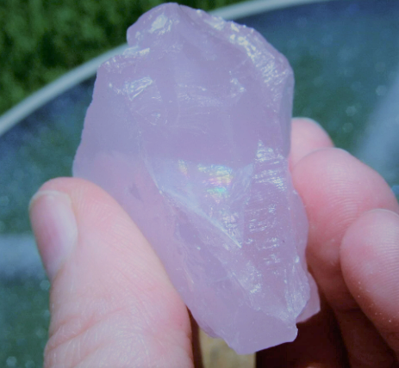
By definition, if a quartz specimen lacks this pink hue and presents as blue, lilac, lavender, or even mottled black and blue, it cannot scientifically be classified as rose quartz.
Key facts established by mineralogists and crystal educators include:
Misleading Nomenclature: The term "Blue Rose Quartz" is a marketing construct. Stones sold under this name are typically lower-grade quartz, pale amethyst, or occasionally glass and opalized quartz (Girasol).
The "Girasol" Connection: Some materials sold under this trendy moniker exhibit the girasol effect—a cloudy, milky, or bluish-white glow caused by light scattering. This can occur naturally or be induced in lower-grade amethyst and milky quartz through intense laboratory heating (exceeding 932°F / 500°C), which bleaches out purple hues and creates microscopic water droplets within the matrix.
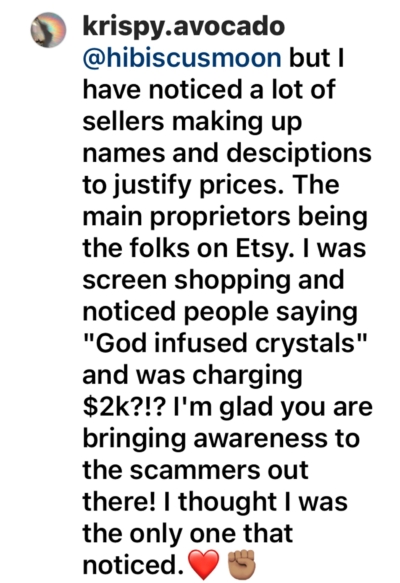
Price Inflation: Historically, lower-grade, hazy, or off-color quartz was considered abundant, inexpensive utility stock. By rebranding these stones with spiritual or hybridized names like "Blue Rose Quartz" or "Black Rose Quartz," sellers have been able to bypass traditional gemstone grading systems (such as the A-to-D scale) and command premium prices.
Chronology of a Trend: From Old Stock to Viral Sensation
While the marketing around "Blue Rose Quartz" gained significant momentum in the early 2020s, the underlying materials are far from novel.
Pre-2010s (The Utility Era): For decades, off-color, hazy, and pale quartz variations were categorized by wholesalers simply as low-grade or utility-grade stones. Retailers sold them transparently as pale amethyst, milky quartz, or low-tier rose quartz at accessible price points.
2010: Veteran educators and crystal authorities began launching early online blog series dedicated to identifying crystal fakes, synthetic alterations, and marketing misrepresentations.
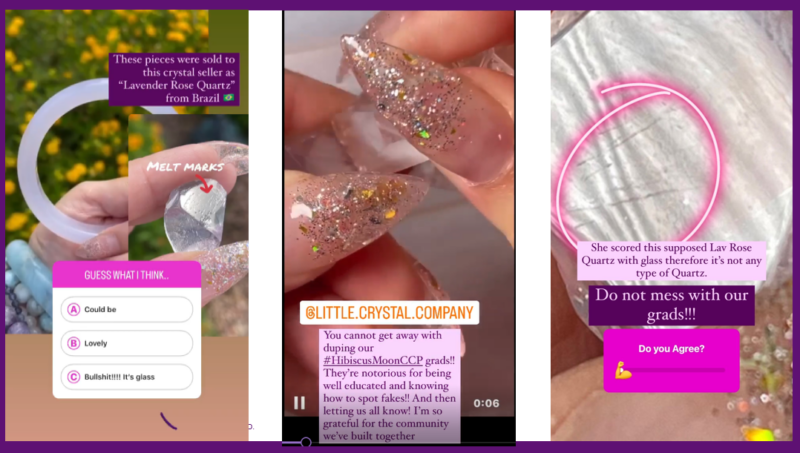
October 2022: A surge of inquiries hit crystal academies and geological forums. Certified Crystal Practitioner (CCP) students and independent retailers—notably figures associated with platforms like Little Lemuria and the Little Crystal Company—began noticing a sudden influx of vibrant "Blue Rose Quartz" and "Black Rose Quartz" flooding digital marketplaces.
Late 2022 to Present: Mineralogical testing and independent geological assays are conducted on disputed samples. Educational campaigns led by prominent crystal educators go viral via Instagram stories and dedicated blog posts, urging the crystal community to self-police marketing claims through rigorous education.
Supporting Data: Geological Testing and Industry Standards
To cut through the spiritual marketing claims, select independent retailers and gemological advocates took the unprecedented step of commissioning scientific mineral testing.
For instance, Jessica Watson of Little Lemuria commissioned a formal geological assay report on samples circulating as "Blue Rose Quartz." The findings reinforced what academic geologists had long suspected: the chemical composition and structural inclusion profiles of these stones align with standard, lower-grade quartz variants rather than any newly discovered, rare sub-species of rose quartz.
Traditional Grading vs. Modern Marketing
In traditional gem and mineral commerce, stones were rigorously assessed using a letter-grading matrix comparable to diamond evaluation:
AAA Grade: Exceptional clarity, deep or vibrant saturation, and minimal structural flaws.
C to D Grades: Low-grade, highly included, hazy, translucent, or unevenly colored specimens.
In the past, a pale, hazy, purplish-pink stone would be classified as a "D-grade" or "C-grade" pale amethyst or low-grade rose quartz. Today, rather than labeling a stone as low-grade—which might diminish its commercial appeal—some modern suppliers have found it significantly more lucrative to bypass the grading system entirely. By assigning mystical titles like "Blue Rose Quartz" or "Lavender Girasol," common or low-tier minerals are successfully marketed as exotic, high-vibration rarities.
Official Responses and Perspectives
The crystal community’s response to the "Blue Rose Quartz" trend is divided into two primary camps: commercial suppliers seeking to capture consumer imagination, and educational advocates pushing for radical transparency.
The Educator’s Stance
Prominent figures in the crystal education space—including former science department heads, geology postgraduates, and authors with decades of field experience—have taken a firm stance. Their primary grievance is not with the beauty or energetic utility of the stones themselves, but with the deception surrounding their identity and pricing.
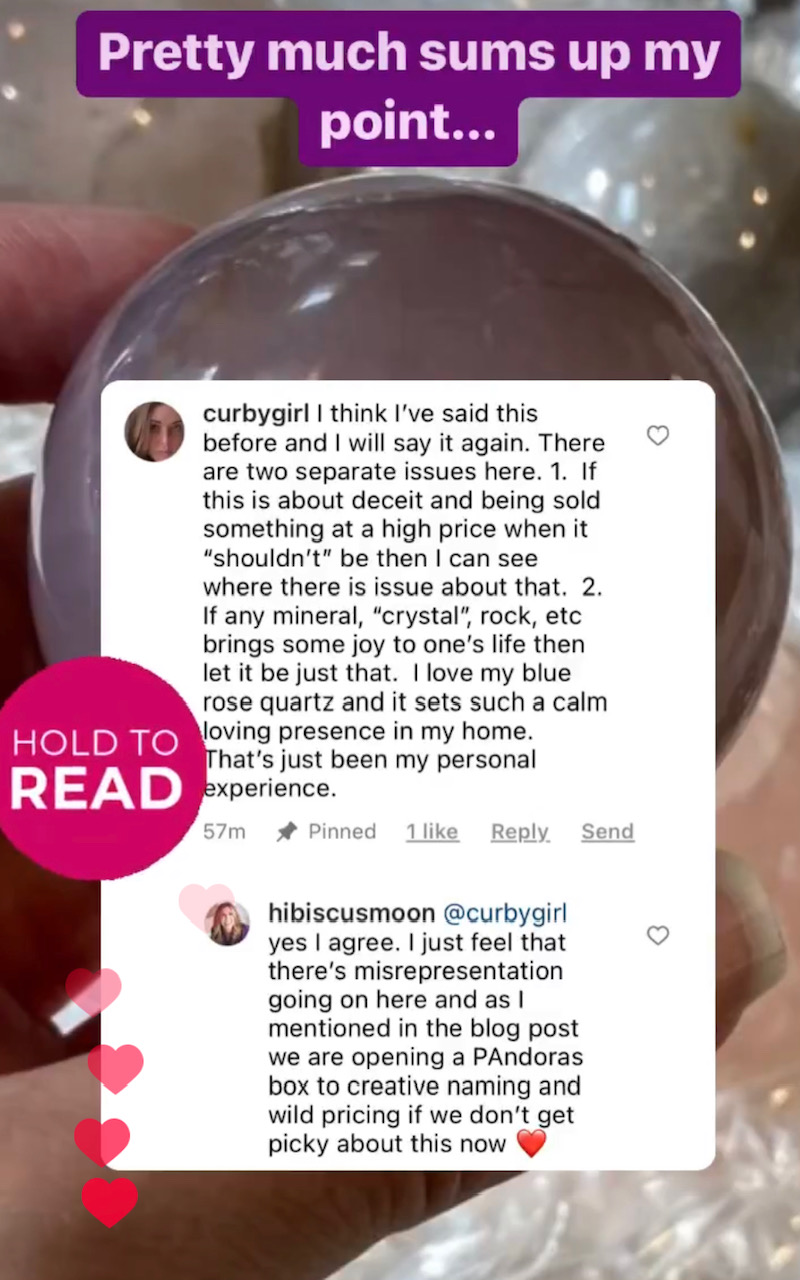
As leading crystal educators emphasize, beauty is in the eye of the beholder, and a lower-grade stone can still provide immense personal joy and energetic value to a practitioner. However, charging exorbitant prices based on fabricated rarity or false mineral identification is viewed as predatory and antithetical to ethical business practices.
"If it’s blue, it cannot be called Rose Quartz. To me, if the pink hue is not there, it’s not Rose Quartz. End of story. The best way to protect yourself is through education."
The Retailer’s Dilemma
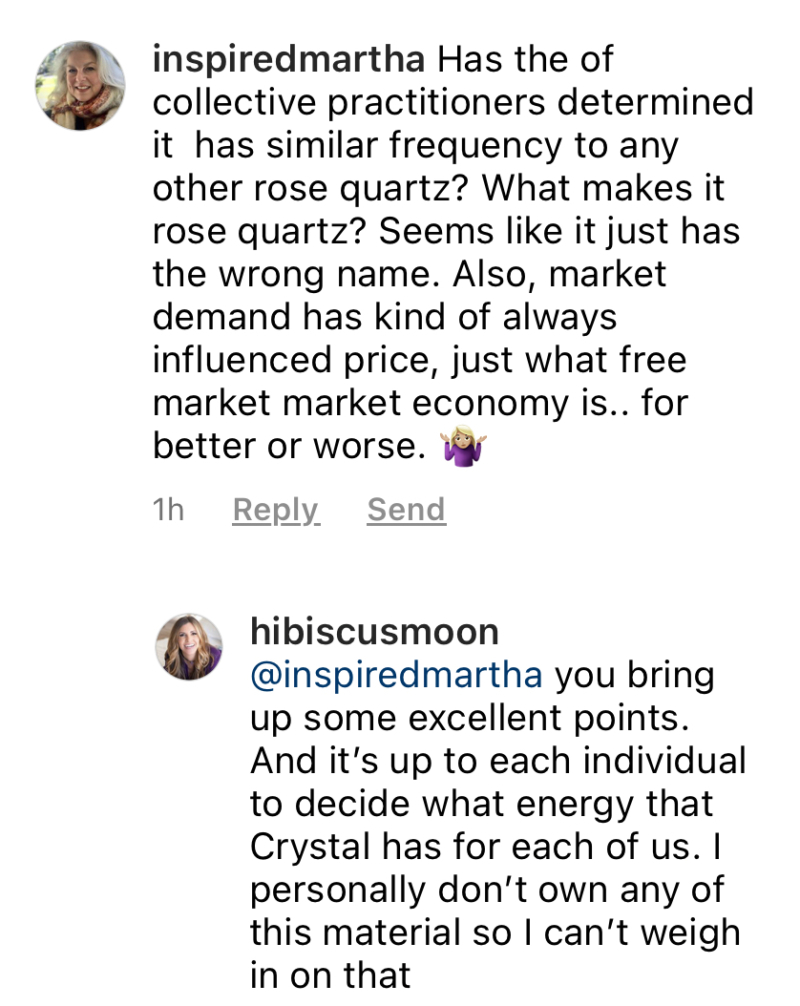
Ethical crystal shop owners and certified practitioners caught in the middle of the trend face a difficult choice. Many strive to maintain integrity by updating product descriptions, conducting independent mineral tests, and refusing to stock misrepresented materials. However, because consumer demand for aesthetically unique, social-media-friendly crystals remains high, the pressure to conform to popular (though inaccurate) naming conventions is a constant battleground.
Implications for the Crystal Community
The rise and partial exposure of "Blue Rose Quartz" carry significant consequences for the broader metaphysical marketplace, spanning consumer rights, ethical commerce, and educational self-governance.
1. Consumer Financial Protection
When buyers pay premium prices for what they believe to be an ultra-rare mineral variant—only to discover it is chemically ordinary, heat-treated, or mislabeled low-grade quartz—they are losing hard-earned money to deceptive marketing. Education acts as the primary financial defense shield for everyday crystal enthusiasts.
2. The Slippery Slope of "Marketing Names"
Industry watchdogs warn that if the market accepts "Blue Rose Quartz" without pushback, it opens the floodgates for thousands of arbitrary color-based marketing names. Within a few years, standard minerals could be entirely obscured behind a maze of trademarked, spiritualized, or sensationalized monikers that disconnect buyers from the physical reality of earth science.
3. Community Self-Policing and Empowerment
The silver lining of the controversy is the galvanized response of the global crystal community. Empowered by structured education—such as certified crystal practitioner programs—enthusiasts are increasingly acting as frontline watchdogs. By questioning questionable listings, demanding provenance data, and sharing geological insights across social media, informed buyers are forcing a shift toward greater accountability among online and brick-and-mortar sellers.
Conclusion: Buyer Beware
As the global market for natural specimens continues to evolve, the adage "buyer beware" has never been more relevant. While Mama Earth creates breathtaking geological art, human ingenuity in marketing sometimes crosses the line into deliberate obfuscation.
Navigating the modern crystal marketplace requires a blend of appreciation for natural beauty and a commitment to earth science literacy. By relying on common sense, demanding transparency, and refusing to let spiritual enthusiasm override geological facts, consumers can ensure that the crystal community remains an empowered, informed, and ethically grounded space for generations to come.