HONOLULU — Beneath the idyllic surface of sun-kissed beaches, swaying palms, and the fragrant, heavy scent of plumeria lies an entirely different dimension of the Hawaiian Islands. For centuries, the archipelago’s breathtaking landscapes—from the jagged, smoking slopes of Kilauea to the emerald depths of hidden rainforests—have served as a living stage for a vibrant and enduring cosmology. Hawaiian mythology is not merely a collection of dusty campfire tales; it is a dynamic, living heritage that bridges the natural world with the supernatural, binding contemporary residents and cultural practitioners to a profound ancestral past.
In this realm, the veil between worlds is remarkably thin. The islands pulse with the fiery wrath of deities, the industrious whispers of hidden folk, the shifting scales of ancient water guardians, and the chilling, nocturnal chants of spectral armies. As modern Hawaii navigates the complexities of the twenty-first century, its ancient folklore remains an indomitable pillar of cultural identity, captivating skeptics and believers alike.
Main Facts: The Pantheon of the Islands
To understand the spiritual ecosystem of Hawaii, one must first examine the principal entities that populate its rich folklore. Hawaiian cosmology divides its supernatural inhabitants into distinct categories, ranging from the supreme ruling deities to the mischievous elementals and restless dead.
The Major Deities: Creation, Destruction, and Passion
At the apex of this mythological framework is Pele, the volatile and magnificent goddess of volcanoes, fire, lightning, and dance. Believed to make her eternal home within the searing calderas of the Halemaʻumaʻu crater at Kilauea on the Big Island, Pele represents the dual forces of creation and destruction. She is not a distant mythological concept; rather, she remains an active, revered presence in local consciousness. Reports of modern-day "Pele sightings"—often appearing as an elderly woman hitchhiking along island highways or an enigmatic figure cloaked in red—continue to circulate among residents, testifying to her enduring grip on the local psyche.
Equally prominent is Kamapuaʻa, the shape-shifting demigod associated with fertility, agriculture, and wild boars. Known for his cunning trickster nature, Kamapuaʻa’s narrative is inextricably linked to his tumultuous, epic rivalry and romance with Pele. Their legendary clashes—marking the literal meeting of fire and water, earth and vegetation—helped shape the dramatic topography of the islands themselves.
The Kupua (Demigods) and Legendary Figures
The Kupua are the half-divine offspring of gods and mortals, gifted with extraordinary supernatural abilities, chief among them the power of shape-shifting.
Maui the Trickster: Perhaps the most famous of the Kupua, Maui is celebrated for his daring feats on behalf of humanity. Driven by ingenuity and a deep love for his mother, Hina, Maui is best remembered for subduing the sun. Distressed by how quickly darkness fell, cutting short Hina’s daily labor of beating delicate tapa cloth from tree bark, Maui journeyed to the summit of the dormant volcano Haleakalā. Armed with a massive, meticulously crafted celestial net and an enchanted magic club, he snared the sun as it crested the horizon, beating it until it agreed to slow its pace across the sky, thereby granting humanity extended daylight.
The Power of Transformation: Beyond capturing the sun, Maui’s shape-shifting exploits are legendary. He frequently transformed into a soaring hawk to steal fire for mankind or shrank into a tiny insect to playfully outwit his brothers.
Elemental Beings and Guardians
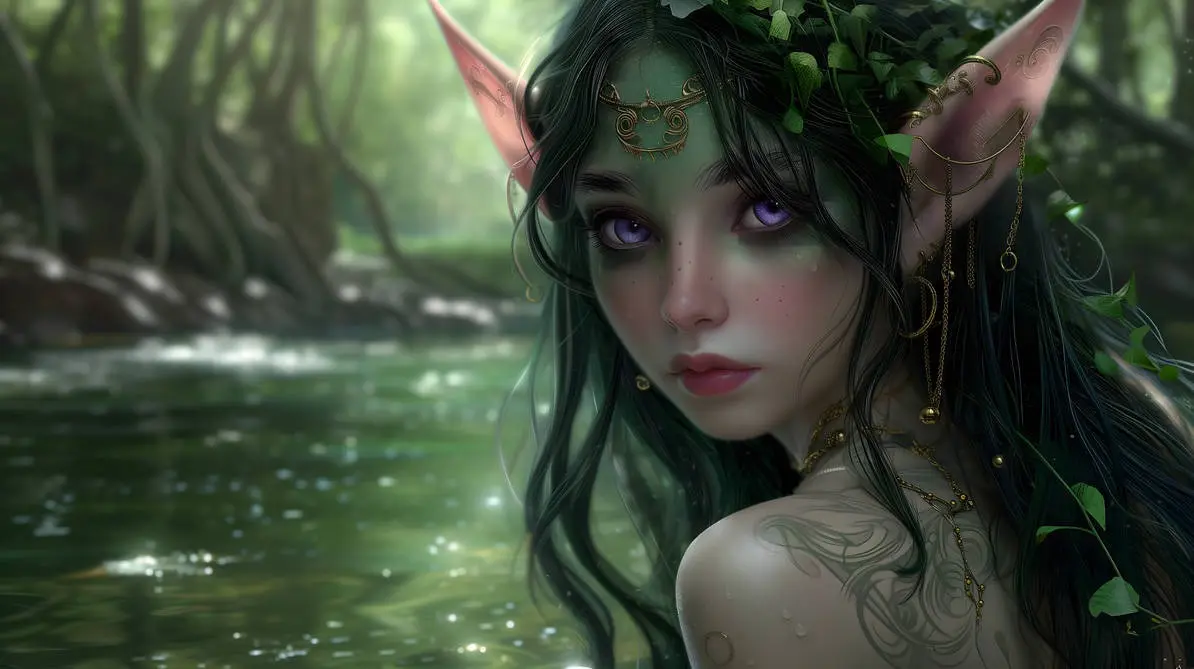
The Menehune: Standing only two to three feet tall, the Menehune are legendary dwarf-like artisans renowned for their incredible engineering and masonry skills. According to tradition, they built ancient fishponds, temples (heiau), and watercourses across the islands in a single night, strictly bound by the rule that their labor must cease before the first rays of the sun broke the horizon.
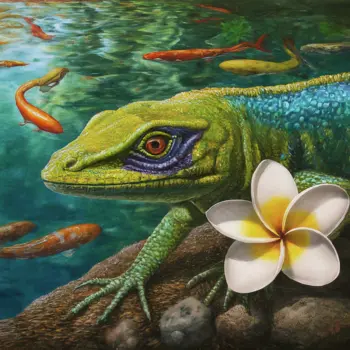
The Moʻo: Lurking near freshwater springs, fishponds, and deep ocean currents are the Moʻo—powerful shapeshifting guardian spirits that can manifest as giant lizards, eels, or terrifying aquatic dragons. Acting as the stewards of Hawaii’s vital water systems, the Moʻo control the weather and sustain the islands’ ecosystems. Traditional protocol demands deep respect for these entities, often demonstrated through quiet offerings left at water’s edge.
Chronology: The Evolution of Oral Tradition to Modern Folklore
The preservation of Hawaiian mythology is a triumph of oral history, surviving centuries of radical societal transformation.
Pre-Contact Era (Ancient to 1778): For generations, genealogies, historical accounts, and cosmological narratives were meticulously preserved and transmitted through ‘ōlelo makuahine (the native language) via genealogies (moʻokūʻauhau), sacred chants (mele), and traditional hula. Every natural landmark, wind, rain, and cloud formation had a story, anchoring the indigenous population to their environment.
The 19th Century (The Written Transition): Following Western contact and the arrival of Christian missionaries in the early 1820s, the traditional kapu (taboo) system was dismantled, and the Hawaiian language was transliterated into a written alphabet. Native scholars and historians such as David Malo and Samuel Kamakau raced to document oral traditions, ensuring that the stories of Pele, Maui, and the ancient spirits were preserved for posterity before the old ways vanished entirely.
The 20th Century to Present (Cultural Renaissance and Revival): The late 1960s and 1970s marked the Hawaiian Renaissance, a powerful resurgence of pride in indigenous language, arts, and spirituality. Concurrently, interest in local paranormal legends—such as the Night Marchers—surged in contemporary pop culture, literature, and tourism, cementing these stories as vital components of modern island identity.
Supporting Data and Cultural Framework
While mainstream Western science seeks empirical evidence, the framework of Hawaiian spirituality operates on mana (spiritual energy) and cultural protocol (pono). Anthropological and historical data highlight the profound functional role that these myths played in ancient Hawaiian society:
Resource Management: Stories of the Moʻo and the water spirits served as powerful ecological deterrents. By framing freshwater springs and fragile watersheds as the domain of dangerous shape-shifters, ancient resource managers (ahupuaʻa system) successfully prevented overfishing and pollution.
Societal Cohesion: Tales of the Menehune instilled a collective appreciation for large-scale cooperative labor, while stories of the Night Marchers reinforced moral boundaries, night safety, and deep reverence for chiefly ancestors.
Geological Memory: Volcanologists note that myths surrounding Pele and her battles with Kamapuaʻa frequently mirror actual geological events, serving as accurate oral records of ancient volcanic eruptions, lava flows, and seismic shifts across the archipelago over millennia.
Official Responses and Contemporary Perspectives
How do modern Hawaiians reconcile ancient myth with contemporary life? The response from cultural practitioners, educators, and community leaders is remarkably unified: these traditions are not superstitions to be mocked, but living historical truths and vital cultural touchstones.
"To dismiss our legends as mere fairy tales is to misunderstand our relationship with this land," explains Kumu Hula (Hula Master) Keolaokalani Silva. "When we speak of Pele, we are speaking of the literal earth beneath our feet. When we speak of the water guardians, we are speaking of our survival. The stories teach us how to walk gently upon the islands."
State park rangers and tour operators across Hawaii frequently issue educational materials regarding local customs, particularly urging visitors to respect sacred sites like Kilauea or ancient heiau. Tourists are regularly cautioned against the enduring folklore surrounding "Pele’s Curse"—the widespread belief that taking volcanic rocks or sand from the islands brings lifelong bad luck. The Hawaii Volcanoes National Park receives hundreds of packages annually containing returned lava rocks, mailed back by remorseful visitors plagued by misfortune.
Furthermore, cultural preservationists actively work with local governments to protect historical sites associated with the Menehune and ancient burial grounds from unchecked commercial development, ensuring that the physical landscape reflects its mythological heritage.
Implications: The Enduring Allure of the Supernatural
The persistence of Hawaii’s paranormal and mythological landscape carries profound implications for tourism, environmental conservation, and cultural identity.
In an increasingly secular and globalized world, the islands offer a rare sanctuary where the magical and the natural seamlessly intersect. For the visitor, the scent of plumeria mingled with the haunting lore of the Huakaʻi Pō (Night Marchers)—the restless ghosts of ancient warriors who march in single file by torchlight, accompanied by the chilling sound of beating drums and rhythmic chanting—provides an unforgettable, spine-tingling dimension to an island vacation. Locals universally understand that if one hears the distant approach of the Night Marchers, strict protocols must be followed: step off the path, avert your eyes, and bow your head in humility to avoid catching the gaze of a spectral warrior, which folklore warns could spell certain death.
Ultimately, these tales serve as an essential psychological and ecological anchor. They remind humanity that the natural world is not a passive resource to be exploited, but a dynamic, sentient entity deserving of profound respect. Whether one views these accounts through the lens of strict skepticism or spiritual devotion, the magic of the Aloha State remains undeniable. As twilight descends over the Pacific and the ancient shadows lengthen across the valleys, the whispers of the ancients continue to drift on the trade winds—inviting all who listen to look deeper, respect the land, and acknowledge the enduring mysteries of the Hawaiian realm.