





HONOLULU, HAWAI‘I — Beneath the idyllic canopy of swaying palm trees, the rhythmic crashing of turquoise waves, and the sweet, lingering scent of blooming plumeria lies a different kind of Hawai‘i—one steeped in the profound, often spectral weight of ancient mythology. For centuries, the Hawaiian archipelago has been more than a tropical paradise; it is a living, breathing landscape where the boundaries between the physical world and the spiritual realm are remarkably thin.
From the fiery, mercurial temperament of Pele, the goddess of volcanoes, to the industrious whispers of the nocturnal Menehune, Hawaiian folklore is a complex tapestry connecting the natural environment directly to cultural values, survival, and ancestral reverence. Today, as modern development brushes shoulders with sacred sites, the allure of these myths and paranormal phenomena continues to captivate locals, historians, and travelers alike, keeping the ancient traditions of the islands vibrantly alive.
Main Facts: The Pantheon and Entities of Hawaiian Lore
Hawaiian mythology is densely populated by Akua (gods), Kupua (demigods), and a vast array of ethereal entities that demand both respect and caution. Unlike the static pantheons of ancient Greece or Rome, Hawaiian deities are intrinsically tied to the physical geography of the islands, serving as active participants in the ecosystem.
- Pele, the Fire Goddess: Undoubtedly the most famous figure in Hawaiian myth, Pele is the deity of fire, lightning, dance, and volcanoes. Believed to reside within the fiery caldera of Halema‘uma‘u at Kīlauea on the Big Island, Pele is revered for her dual nature as a creator of new land and a destroyer of everything in her path. Eyewitness accounts and modern cultural practitioners still report sightings of an enigmatic older woman hitchhiking along Big Island roads—traditionally interpreted as a manifestation of Pele testing the hospitality of travelers.
- The Menehune: Standing only two to three feet tall, these diminutive master builders are credited with constructing ancient stone fishponds, heiau (temples), and roads across the islands overnight. Legend dictates that they worked exclusively under the cover of darkness, vanishing before the first rays of the sun could reveal their forms.
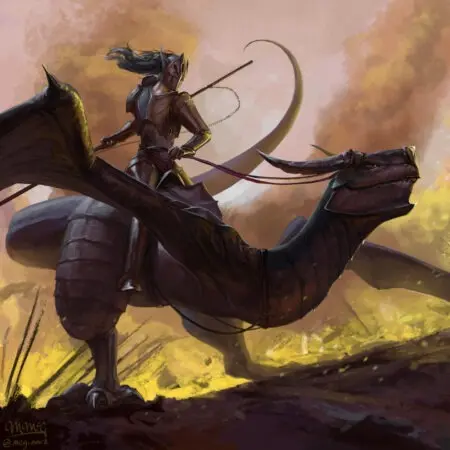
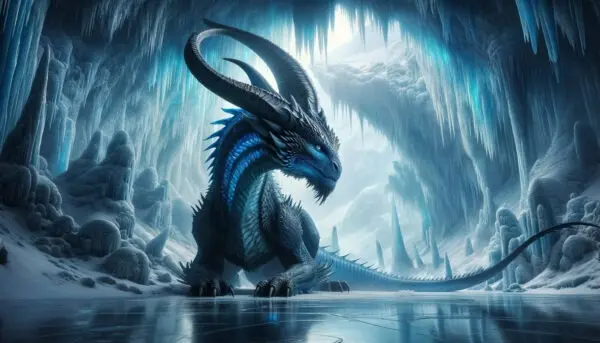
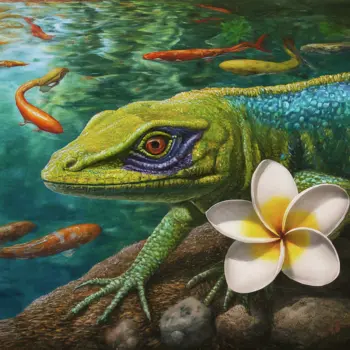
- Mo‘o (Guardian Lizard Spirits): Shapeshifters capable of taking the form of common geckos, massive eels, or towering dragons, Mo‘o act as fierce protectors of freshwater springs, fishponds, and deep pools. They hold dominion over the weather and water supply, requiring travelers to offer silent prayers or small tributes when passing their domains.
- Kamapua‘a: The tempestuous hog-child demigod known for his profound shapeshifting abilities. Celebrated as a trickster and a symbol of agricultural fertility, Kamapua‘a is most famous in folklore for his volatile, epic romantic pursuits and bitter rivalries with Pele.
Chronology of Mythic Feats: The Epic Deeds of Maui
Among the most celebrated figures in Oceanic tradition is the demigod Maui. Known throughout Polynesia as a culture hero, Maui’s exploits in Hawaiian lore shaped the very rhythm of human existence.
1. The Snaring of the Sun
According to oral history passed down through generations, Maui’s mother, Hina, struggled endlessly to beat her tapa cloth (made from tree bark). Because the sun raced across the sky at breakneck speed, daylight was far too short, plunging the islands into premature darkness and preventing Hina from drying her fabrics properly.

Determined to aid his mother, Maui journeyed to the summit of the dormant volcano Haleakalā on Maui. There, he meticulously wove a heavy, incredibly strong net from coconut fiber. As dawn broke, Maui ambushed the sun, hurling his celestial net over its fiery orb. Trapped and unable to continue its swift journey, the sun begged for mercy. Maui negotiated a historic compromise: in exchange for its freedom, the sun agreed to slow its pace for half the year, guaranteeing humanity sufficient daylight to farm, fish, and complete their daily labors.
2. Pulling Up the Islands (Ka Hikina a Māui)
In another foundational feat, Maui used a magical fishhook named Manaiakalani, baited with the wing of his sacred pet bird, to fish up the islands from the deep ocean floor. As he pulled, he instructed his brothers never to look back. Overcome by curiosity, one brother turned around, snapping the magical line and scattering what would have been a single, unbroken landmass into the distinct chain of islands recognized today.
Supporting Data & Paranormal Encounters: The Veil Between Worlds
The paranormal in Hawai‘i is not treated as mere campfire entertainment; it is an acknowledged, deeply respected facet of daily life. Cultural protocols, known as ‘Imi Loa (seeking knowledge) and observing Kapu (taboos), are practiced to avoid disturbing unseen forces.
The Huaka‘i Pō (Night Marchers)
Perhaps the most chilling paranormal phenomenon in the islands is the procession of the Night Marchers. Believed to be the restless spirits of ancient high-ranking warriors and chiefs marching to ancient battlefields or sacred burial sites, they travel in single file after dark.
- The Warning Signs: Witnesses report hearing the distant, rhythmic beating of shark-skin drums, the blowing of conch shells (pū), and the guttural chanting of warriors.
- The Protocol: According to lore, looking directly at a Night Marcher brings instant death, as the spirits will claim the trespasser’s soul. Those who hear the procession approaching are instructed to step completely off the path, lie face down on the ground, bare their backs, and avoid making eye contact until the ghostly army has completely passed.
Cultural Prevalence of the Unexplained
Surveys and local oral history archives indicate that a significant majority of long-term residents report at least one unexplained encounter, ranging from disembodied chanting in deep rainforests to the sudden, inexplicable drop in temperature associated with ancestral presence (‘Aumakua). These encounters reinforce a cultural worldview where nature and humanity are perpetually intertwined with the spiritual domain.

Official Responses and Preservation Efforts
As tourism and commercial development expand across the Hawaiian Islands, state agencies, cultural practitioners, and historical societies increasingly intersect with the preservation of sacred sites tied to these myths.
- The Department of Land and Natural Resources (DLNR): State officials frequently collaborate with cultural descendants to protect heiau and historical burial grounds (iwi kūpuna) from accidental desecration. Signage at state parks and hiking trails often warns visitors against disturbing rock formations, removing volcanic stones (a direct affront to Pele), or entering restricted cultural zones.
- National Park Service Stewardship: At Hawai‘i Volcanoes National Park and Haleakalā National Park, rangers actively incorporate Hawaiian mythology into interpretive programs. Rather than separating science from folklore, park officials present oral traditions as vital ecological and geological histories encoded in metaphor. For instance, geological records confirm that Kīlauea’s explosive cycles mirror the temperamental narratives attributed to Pele.
- Cultural Resurgence: Native Hawaiian organizations continue to fight for the legal protection of sacred landscapes, arguing that modern infrastructure projects often ignore the spiritual and paranormal significance of ancestral lands. Educational initiatives across the islands ensure that the younger generation learns the traditional mele (chants) and mo‘olelo (stories) that keep these entities alive.
Implications: The Ongoing Allure of the Aloha State
The enduring power of Hawaiian mythology and paranormal lore carries profound implications for both the local community and the global tourism industry.
For residents, these stories serve as an essential anchor for identity and stewardship. In an era marked by rapid globalization and environmental degradation, the belief in Mo‘o guarding freshwater springs or Pele commanding volcanic fire instills an innate, cultural imperative to protect the natural environment. To harm the land is not merely an ecological violation; it is an affront to the divine entities and ancestors who inhabit it.
For travelers, the islands offer an alternative to the standard tropical resort experience. Beneath the veneer of luxury hotels and surf breaks lies a potent, ancient realm where the past is never truly past. Whether one views the legends of the Menehune and the Night Marchers as literal truths, psychological archetypes, or metaphors for ecological respect, they undeniably elevate a journey to Hawai‘i into something far more transcendent.
As visitors traverse the winding roads of the Pali or gaze into the glowing caldera of Kīlauea, they are reminded of a timeless local truth: in Hawai‘i, you are never truly alone. The whispers of the ancients linger in the trade winds, inviting all who listen closely to respect the sacred power of the islands.