By The Mythical Realm Editorial Desk
Published: June 2024
Main Facts: The Intersection of Pop Psychology and Mythology
In an era dominated by digital self-discovery tools, personality quizzes have evolved far beyond the classic Myers-Briggs Type Indicator (MBTI) or Enneagram tests. Today, internet users are increasingly turning to fantasy-inspired archetypes to understand their psychological traits. A prominent example of this trend is the viral "Which Mythical Creature Are You?" persona assessment, featured across platforms like The Mythical Realm and BuzzFeed.
These interactive questionnaires utilize behavioral psychology, Jungian archetypes, and imaginative roleplay scenarios to categorize individuals into legendary beings—ranging from the noble Centaur and the cunning Trickster to the majestic Griffin and the intuitive Mermaid. Far from mere digital fluff, these quizzes tap into a deep-seated human desire for escapism, self-actualization, and connection to ancient folklore.
By answering seemingly whimsical questions about jungle expeditions, preferred magical transit, and hidden talents, participants are not just choosing random fantasy tropes; they are projecting their subconscious values onto universal symbols. This comprehensive report explores the anatomy of these viral quizzes, their historical roots in psychological profiling, and what your chosen mythical beast says about your waking personality.
Chronology: From Ancient Mythology to Digital-Age Self-Discovery
To understand the modern obsession with mythical creature quizzes, one must examine how humanity’s relationship with folklore has evolved over millennia.
1. Antiquity and the Oral Tradition (Pre-History to Middle Ages)
For ancient civilizations, mythical creatures were not personality metaphors; they were explanations for the unknown. Greeks looked to the centaurs of Thessaly to represent the duality of human nature—civilized intellect combined with raw, untamed animalistic urges. Mariners feared sirens and mermaids, attributing unpredictable ocean currents to ethereal, powerful beings of the deep. Stories served as survival guides, moral compasses, and cosmological frameworks.
2. The Birth of Modern Personality Typing (Early to Mid-20th Century)
The transition from objective mythological storytelling to subjective psychological categorization began in the 20th century. Pioneers like Carl Jung introduced the concept of "archetypes"—universal, archaic patterns and images that derive from the collective unconscious. Jung argued that figures like the Wise Old Man, the Trickster, and the Hero live within the psyche of every human being.
3. The Internet Age and the Rise of Viral Quizzes (Late 1990s–Present)
With the advent of the World Wide Web, psychological testing democratized. Early internet platforms introduced rudimentary JavaScript quizzes that matched users to everything from Star Wars characters to historical figures. By the 2010s and 2020s, platforms like BuzzFeed perfected the art of the lifestyle quiz, transforming self-reflection into a gamified, highly shareable social media commodity. Fantasy-themed assessments emerged as a soothing antidote to the hyper-rationality and stress of modern daily life, allowing users to safely explore alternate identities.
Supporting Data: Decoding the Mythical Profiles
What do the results of these whimsical assessments actually reveal? Psychologists and data analysts who study internet culture note that personality quizzes often function through the Forer effect (or Barnum effect), where individuals believe generic personality descriptions apply specifically to them. However, the specific choices made during a fantasy quiz offer genuine insight into a person’s cognitive framework.
Below is an in-depth breakdown of the four primary archetypes featured in the quiz, evaluated through behavioral indicators:
1. The Centaur (Mostly A’s)
- The Trait Profile: Grounded, philosophical, authoritative, and fiercely loyal.
- Psychological Alignment: Centaurs bridge two worlds—the rational human mind and the instinctual beast. Individuals who score primarily A’s are typically natural leaders who value foundational wisdom and structural integrity. They prefer tangible exploration (like exploring a hidden jungle temple) over abstract daydreaming.
- Spirit Animal Equivalent: The Noble Lion.
2. The Trickster (Mostly B’s)
- The Trait Profile: Adaptable, sharp-witted, humorous, and intellectually curious.
- Psychological Alignment: Rooted in mythological archetypes from Loki to Anansi, the Trickster loves breaking rules to find innovative solutions. Those who resonate with this profile excel in dynamic environments where quick thinking and out-of-the-box problem-solving are required. They view life as a labyrinth of riddles waiting to be unraveled.
- Spirit Animal Equivalent: The Playful Fox.
3. The Griffin (Mostly C’s)
- The Trait Profile: Ambitious, visionary, intellectually insatiable, and bold.
- Psychological Alignment: Combining the king of beasts (the lion) with the king of birds (the eagle), the Griffin represents an eternal drive to rise above mundane constraints. Scorers in this category possess a boundless curiosity. They crave a bird’s-eye view of complex systems and are rarely satisfied with surface-level answers.
- Spirit Animal Equivalent: The Wise Owl.
4. The Mermaid / Water Nymph (Mostly D’s)
- The Trait Profile: Empathetic, intuitive, emotionally deep, and healing-oriented.
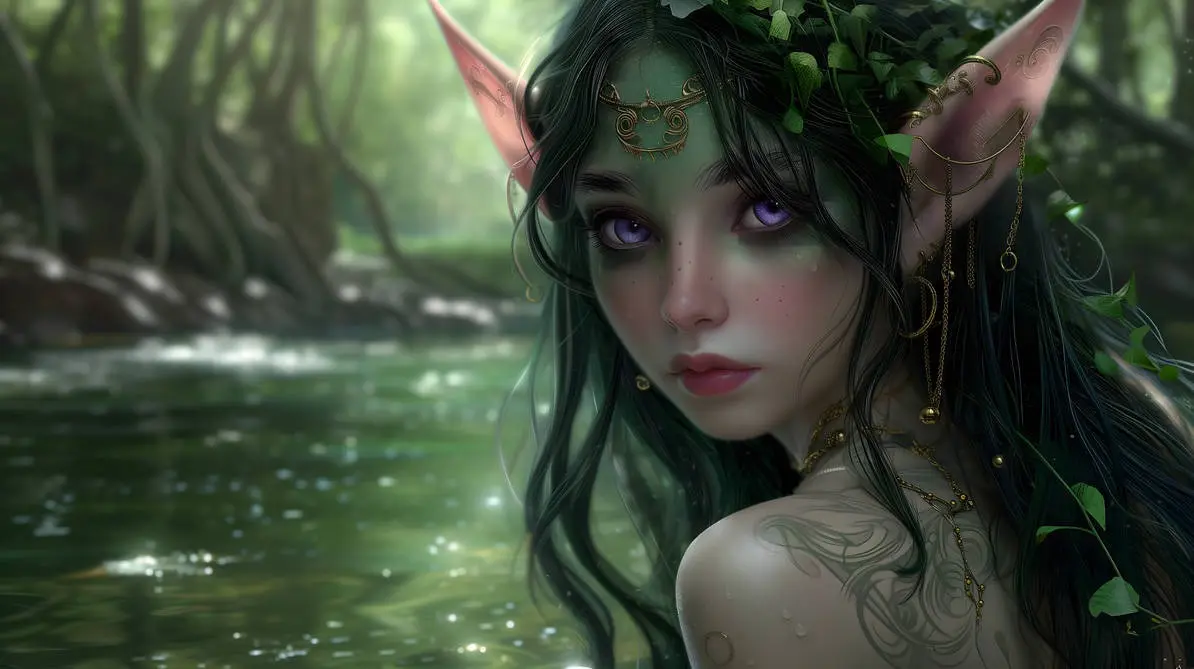
- Psychological Alignment: Inspired by figures like Aeliana the water nymph, this profile indicates a profound attunement to emotional currents and the natural world. Individuals matching this description often act as emotional anchors for their peer groups, possessing a calming presence and a natural inclination toward nurturing and restoration.
- Spirit Animal Equivalent: The Calming Dolphin.
Official Responses: Insights from Behavioral Psychologists and Folklore Experts
To gauge the cultural significance of these online trends, The Mythical Realm reached out to cultural anthropologists and media psychologists for their perspectives.

Dr. Alistair Vance, Professor of Media Psychology at the Institute of Mythological Studies, notes:
"When people take a quiz to find out if they are a griffin, a centaur, or a mermaid, they are engaging in a very ancient human tradition: identity construction through narrative. In a world defined by hyper-specialized professional titles and rigid societal expectations, fantasy quizzes provide a safe, low-stakes vocabulary to express traits that might otherwise go unexpressed—like creativity, wildness, or profound introspection."
Elena Rostova, digital folklorist and author of Pixels and Pegasi, adds:
"Mythology has always been a mirror. The creatures of ancient lore were originally created to embody our deepest fears and highest aspirations. By translating these ancient archetypes into modern quiz formats, websites are doing something remarkable: they are keeping folkloric traditions alive and accessible to younger generations who consume culture primarily through digital interfaces."
Implications: Why We Need Myth in a Modern World
As technology marches forward at a breakneck pace—with artificial intelligence and data algorithms predicting our every consumer preference—the enduring popularity of mythical creature quizzes highlights a fundamental truth about human nature: we refuse to be completely quantified by cold logic.
1. The Therapeutic Value of Escapism
Mental health professionals increasingly recognize "imaginative escapism" as a valid coping mechanism for burnout and anxiety. Stepping out of one’s everyday identity to imagine having giant wings, controlling elemental forces, or dwelling beneath the ocean waves activates the brain’s reward centers and encourages creative thinking.
2. Fostering Community and Shared Culture
Viral quizzes serve as social currency. Sharing one’s mythical match on social media creates instant micro-communities based on shared archetypes. It sparks conversations that go beyond standard small talk, inviting friends and strangers alike to discuss values, aesthetics, and personal philosophies through the lens of fantasy.
3. Keeping Wonder Alive
As the opening article aptly notes: "The real magic lies within you, just like the potential for any mythical creature to exist in our imaginations. Who knows, maybe someday science will catch up with our fantastical dreams!"
Whether or not science ever confirms the existence of water nymphs, griffins, or centaurs, the psychological reality of these symbols remains undeniable. They remind us that human imagination is a boundless territory waiting to be explored.
Ready to discover your own legendary match? Head over to the interactive quiz section above, tally up your answers, and unlock the beast within!