WASHINGTON — It is a universal human experience: waking up with the lingering, vivid sensation of carrying a heavy suitcase, dragging a duffel through an unfamiliar train station, or clutching a misplaced handbag. Across cultures and generations, the imagery of bags, luggage, and personal items frequently populates the dreamscape. Far from random nocturnal static, psychologists, psychoanalysts, and dream researchers suggest that these objects serve as profound metaphors for our waking lives, emotional states, and psychological burdens.
While decoding the precise meaning of a dream is rarely straightforward, examining the context, the type of bag, and its physical characteristics can unlock deep insights into the subconscious mind.
The Evolution of the Dream Bag: From Childhood to Adulthood
To understand why bags feature so prominently in our dreams, one must first look at their functional and symbolic evolution throughout the human lifespan. A bag starts simply—perhaps as a child’s first schoolbag—and evolves over decades into a parent’s grocery tote, a student’s backpack, or a corporate professional’s leather briefcase.
Throughout life, bags are inextricably linked with purpose, movement, and progression. Renowned psychoanalyst Carl Jung viewed the bag as a symbol of libido, constantly seeking new adventures, experiences, and pleasures. It serves simultaneously as a physical vessel for what one needs on life’s journey and as a psychological container representing the self.
As individuals transition from one life phase to the next, the shape, color, and contents of the dream bag often shift to reflect their current psychological condition. Rather than leaving everything behind when circumstances change, the dream state often encourages individuals to assess what is worth carrying forward and what has outlived its usefulness.
Core Symbolism: Responsibilities, Past, and Self-Control
When a bag appears in a dream, experts suggest it generally operates across several distinct psychological dimensions:
1. The Weight of Responsibility
On a subconscious level, bags frequently represent the weight of obligations we have brought upon ourselves. This includes not only daily work duties and chores, but also current needs, wants, expectations, and interpersonal complications. A heavy bag in a dream often mirrors waking-life feelings of being weighed down, overburdened by the past, or stuck in a stagnant life phase with limited room for personal growth.
2. Emotional Baggage and Unresolved Issues
Carrying or holding a bag often alludes to emotional baggage—unresolved conflicts or unfinished business from the past. These are uncomfortable, lingering emotions that demand attention. If left unexamined, past emotional pain can create significant barriers to personal progress, prompting the subconscious mind to demand an internal audit.
3. A Metaphor for Personal Control
Bags and luggage are classic symbols of adventure and journeys into the unknown. They hold what is valuable, what is being left behind, and what is yet to come. Consequently, the condition of the bag often reflects the dreamer’s current sense of control over their life and mental state. Conversely, struggling with a bag can indicate an underlying fear of losing control or an attempt to flee from a difficult situation or person.
4. Personality, Self-Image, and Identity
From briefcases to designer purses, bags are accessories that make a distinct statement. In dreams, the style, size, and condition of a bag often mirror the dreamer’s self-image and personality traits. They represent how individuals wish to be perceived by society, highlighting the core human need for identity and self-expression.
Deciphering Specific Types of Bags in Dreams
The type of bag featured in a nocturnal vision drastically alters its interpretation. Dream dictionaries and psychological frameworks categorize these items as follows:
- Leather Bag: Symbolizes luxury, power, and professional success. It reflects feelings of security, stability, and a strong sense of self-identity, often pointing to traditional values and clear life goals.
- Plastic Bag: Often viewed as disposable, pointing toward a reckless lifestyle or the sensation of carrying too much weight on one’s shoulders. It can also signify regret over past decisions or acute anxiety about the future.
- Trash Bag: Represents buried memories that were too painful to process at the time, or a subconscious urge to purge useless habits and make room for renewal.
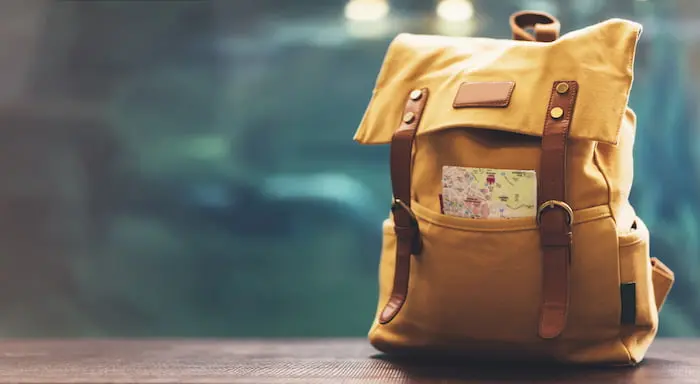
- Backpack: An invitation to take the next step. It symbolizes the adventurer, childlike imagination, creative spirit, and the reality of carrying one’s entire life on one’s shoulders.
- Briefcase: Associated with professional identity, career success, accumulated knowledge, and leadership responsibilities following a long period of struggle.
- Purse: A traditional symbol of femininity, empowerment, and financial stability. For men, it may represent a connection to their feminine side or concerns regarding financial security and personal control.
- Grocery Bag: Highlights a need for constant reassurance, caregiving responsibilities, or feelings of being overwhelmed by domestic and daily burdens.
- Bag of Money: Signifies resources, wealth, and success, indicating that the dreamer possesses the tools necessary to move forward in life.
Common Dream Scenarios and Their Implications
The narrative action within the dream provides critical context for accurate interpretation:
- Leaving a bag on a train: Suggests a subconscious desire for travel, impulsiveness, or a readiness to leave behind a toxic life situation.
- Losing a bag: Indicates feelings of being overwhelmed by life’s changing demands, or a warning against complacency and laziness.
- A heavy versus light bag: A heavy bag warns of carrying others’ expectations or enduring toxic relationships. A light bag signifies that the dreamer has accepted their past emotional baggage, processed the lessons, and armed themselves with the knowledge required to move forward.
- An empty suitcase: Refers to an internal void or emotional deficit that needs addressing.
- A broken handle: Points directly to structural obstacles or persistent troubles holding the dreamer back in waking life.
Conclusion: Getting Your Life "Together"
Ultimately, the appearance of a bag or piece of luggage in a dream is a call to action from the unconscious mind. Whether it highlights disorganization, emotional distress, professional ambition, or the simple passage of time, the dream urges the individual to catalog their responsibilities and evaluate their priorities.
Life is inherently full of "baggage," but as psychological dream analysis demonstrates, these burdens do not have to weigh us down indefinitely. By decoding the symbols of our dreams, we gain the clarity needed to organize our thoughts, shed what no longer serves us, and continue forward on our life’s journey with purpose.