










By Alan U. Dalul
September 13, 2026
Main Facts
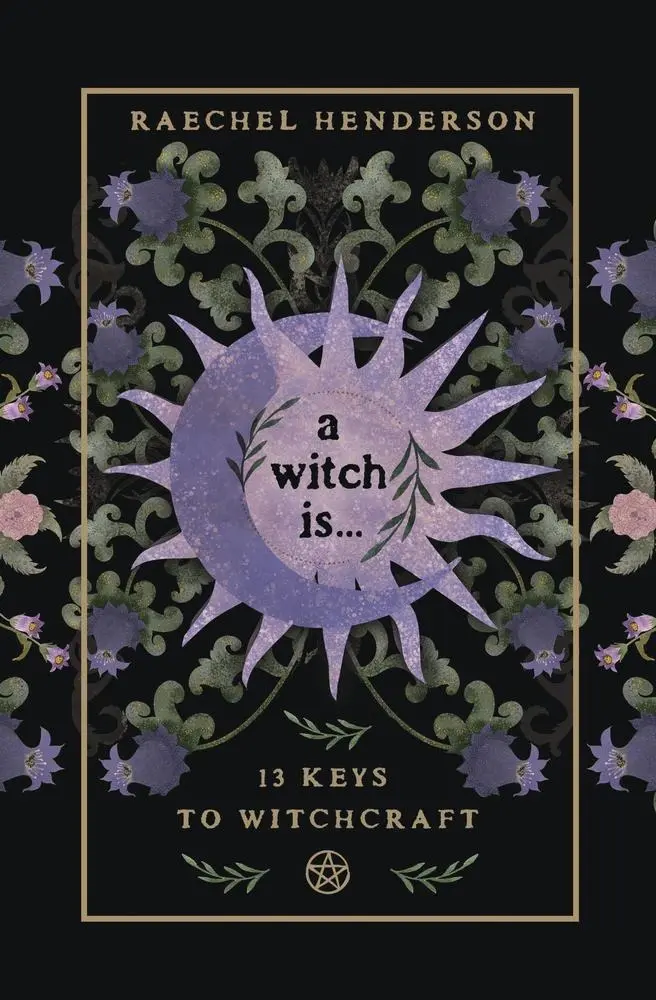
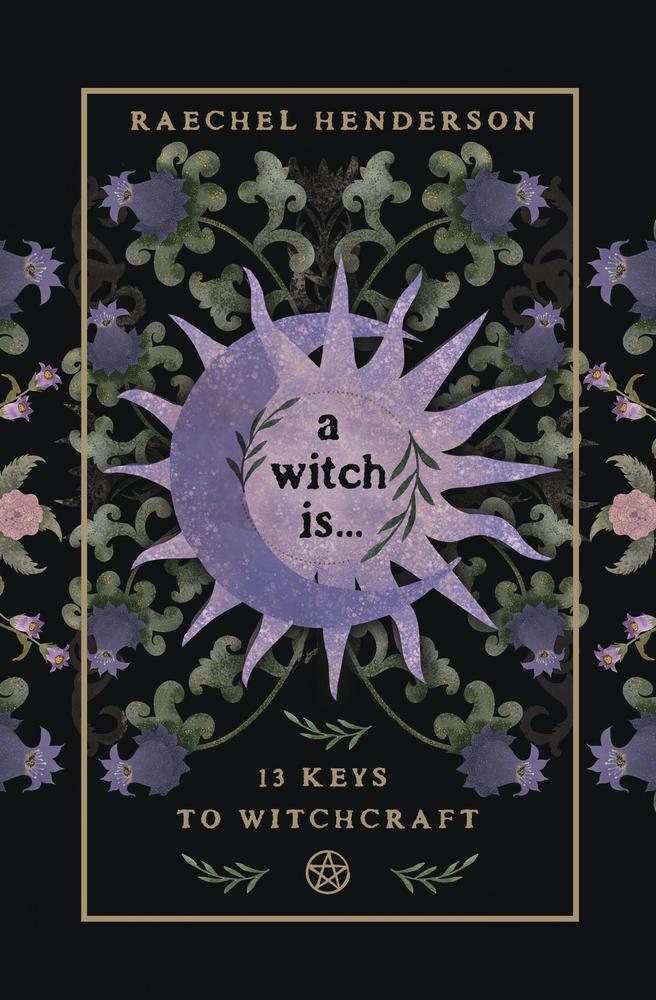
During periods of enforced stillness—such as the months spent navigating complex immigration limitations and waiting for a green card—practitioners of the magical arts often turn inward. For The Wild Hunt contributor Alan U. Dalul, this period of transition became an opportunity for deep reading, sustained personal practice, and critical reflection. Among the texts that accompanied him through this period of uncertainty was Raechel Henderson’s book, A Witch Is: 13 Keys to Witchcraft, published by Llewellyn Worldwide.
Rather than serving as a conventional grimoire or a recipe book for spells, Henderson’s work operates as a guide to personal introspection, shadow work, and character cultivation. The book identifies thirteen core traits—such as resourcefulness, resilience, creativity, confidence, kindness, patience, intuition, self-awareness, knowledge, purposefulness, honesty, respect, and curiosity—dedicating a chapter to each.
Instead of policing the boundaries of who qualifies as a practitioner, Henderson focuses on the internal framework that supports an authentic magical life. The book offers practical exercises, autobiographical anecdotes, and actionable advice designed to help readers develop their own correspondences, build astral spaces, and establish ancestral altars. Through this approach, A Witch Is positions itself not as a manual of dogma, but as an interactive workbook for spiritual maturity.
Chronology
The trajectory leading to the publication and critical reception of A Witch Is: 13 Keys to Witchcraft unfolds across several phases of contemporary pagan and magical publishing, culminating in its current place in the modern witchcraft landscape:
- Pre-Publication Development: Over decades of personal magical practice and community engagement, author Raechel Henderson compiled observations regarding the traits, ethical considerations, and practical mechanics that sustain long-term witchcraft practitioners.
- Release and Distribution: Llewellyn Worldwide published A Witch Is: 13 Keys to Witchcraft, introducing its thirteen-key framework to a global audience of both novice and experienced seekers.
- 2026 (August–September): While navigating immigration delays and green card restrictions, reviewer Alan U. Dalul engaged deeply with the text as part of a personal period of study and practice.
- September 13, 2026: Dalul published his comprehensive review of the book in The Wild Hunt, highlighting its emphasis on inner healing, self-reliance, and the rejection of dogmatic gatekeeping within the contemporary magical community.
- September 14, 2026: The article underwent minor metadata updates and archiving, maintaining its accessibility to international readers through both English and Spanish translations.
Supporting Data
To understand the scope and utility of Henderson’s work, it is helpful to examine the structural elements and thematic data points that define A Witch Is:
- Core Structural Framework: The book is organized around precisely 13 hallmark traits, mirroring traditional magical numbers while providing a structured, step-by-step methodology for personal development.
- Content Breakdown:
- Inner Work Focus: The vast majority of the text is dedicated to shadow work, self-awareness, and psychological introspection.
- Ritual Content: Spells, incantations, and formal rituals are intentionally sparse, prioritizing intuitive creation over rote memorization.
- Exercises: Each chapter concludes with targeted practical exercises designed to test, adapt, and integrate the specific trait into daily life.
- Target Audience: The book bridges the gap between beginners looking for a grounded foundation and seasoned practitioners seeking to refine their craft, strip away dogmatic dependencies, and cultivate self-reliance.
- Publisher Profile: Released via Llewellyn Worldwide, a major publisher of esoteric, occult, and New Age literature, ensuring wide international availability and distribution.
Official Responses and Publisher Context
While A Witch Is is an independent creative work rather than a corporate or political initiative, its reception is framed by the positioning of its publisher and the broader consensus within modern esoteric communities.
Llewellyn Worldwide, the publisher of the text, has long maintained a catalog aimed at accessible metaphysical education. In promotional materials for the book, Llewellyn highlights Henderson’s intent to help readers "make richer and more meaningful magic" by encouraging them to design their own magical correspondences and validate their internal authority.

Critical commentary from reviewers, such as Alan U. Dalul writing for The Wild Hunt, has responded positively to this non-dogmatic stance. Dalul observed that while toxic elements within various magical subcultures often attempt to police the parameters of identity—telling practitioners who is or isn’t a "real" witch—Henderson takes the opposite approach. Instead of exclusion, she offers an ethical and psychological invitation: If you identify as a witch, these are the traits, responsibilities, and modes of critical thinking that will serve you best.
Furthermore, the publication of the review in both English and Spanish (Reseña del libro: "A Witch Is…") reflects an institutional response by The Wild Hunt to serve an increasingly diverse, international readership operating across linguistic and geographic boundaries.
Implications
The release and warm reception of A Witch Is: 13 Keys to Witchcraft carry several significant implications for the contemporary pagan, occult, and witchcraft communities:
1. Shift from Dogma to Self-Reliance
For decades, modern witchcraft has oscillated between structured, initiatory traditions (such as British Traditional Wicca) and the hyper-individualized, eclectic paths popularized by the internet. Books like Henderson’s signal a maturation in contemporary esoteric literature. By focusing on traits like resourcefulness, resilience, and critical thinking—rather than dictating specific ritual scripts or hierarchical lineages—the book empowers practitioners to trust their own intuition and adapt to changing circumstances. This is particularly vital in a historical moment where historical ingredients, traditional ritual spaces, or community elders may not always be readily accessible.

2. The Normalization of Shadow Work in Magical Training
Early waves of modern magical publishing often prioritized glamour, spellcasting convenience, and external manifestation over internal psychological health. A Witch Is reinforces a necessary corrective: effective magic requires rigorous shadow work, emotional intelligence, and self-awareness. By treating traits like honesty, patience, and self-assessment as magical prerequisites, the literature encourages a healthier, more grounded class of practitioners who are better equipped to handle the psychological demands of ritual work.
3. Rejection of Gatekeeping
Dalul’s commentary underscores a recurring tension within modern esoteric subcultures: the impulse toward gatekeeping and ideological policing. Henderson’s work bypasses this friction by refusing to define who a witch is by lineage or aesthetic, choosing instead to define a witch by how they operate in the world—with curiosity, respect, and purpose. This inclusive yet demanding framework expands access to the craft while maintaining a high standard of personal responsibility, ethics, and intellectual curiosity.
Ultimately, A Witch Is: 13 Keys to Witchcraft serves as a timely reminder that the most potent magical tool a practitioner can develop is not found in an apothecary jar or an ancient grimoire, but within the disciplined, self-aware mind of the seeker.