



By Beatrix Kondo
Published in Arts & Culture
After months of wading through literary landscapes dominated by doom, gloom, and historical trauma, a radical proposition recently landed on this reviewer’s desk: What if witches were actually allowed to have a little fun?
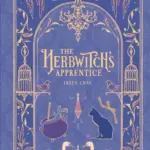
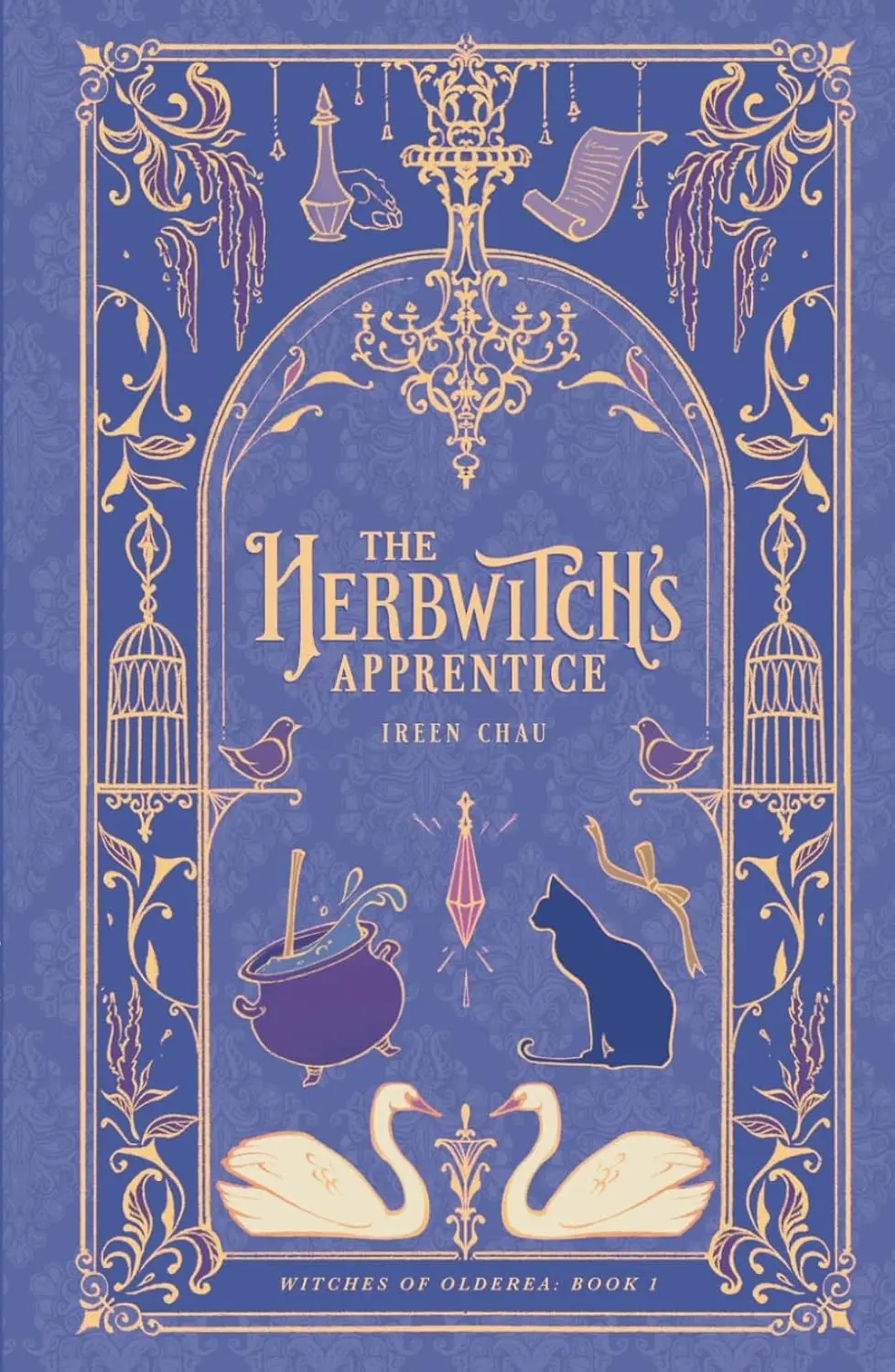
For contemporary Pagans, Wiccans, and practitioners of the Craft, the literary offerings of the past few decades have leaned heavily into cautionary tales. We celebrate the resilience found in those stories, but a quiet fatigue has settled over the community. Is it too much to ask for literature that dares to let a witch simply be happy? Enter Ireen Chau’s The Herbwitch’s Apprentice, the first installment in the Witches of Olderea series published by Mung Bean Press. It is a book that dispenses with burnings, tragic endings, and the exhausting trope of "magic as a curse," replacing them with spellbooks, glittering ballrooms, and a heroine who manages to have her cake—preferably enchanted cake—and eat it, too.
Main Facts: A Jane Austen-Inspired Magical Romp
The Herbwitch’s Apprentice introduces readers to Amarante Flora, a 16-year-old debutante navigating the rigid, high-stakes social season of the fictional kingdom of Olderea. Tasked with finding a suitable match under the watchful eye of her demanding stepmother, Amarante accidentally zaps a literal prince with latent magical energy in the middle of a crowded ballroom.
This inciting incident launches a high-stakes narrative that marries the social satire of Jane Austen with the vibrant, glittering aesthetic of a Bridgerton adaptation—with a heavy dose of magical realism. In Olderea, the practice of witchcraft is strictly outlawed, carrying the terrifying penalty of the guillotine. Yet, as Amarante is thrust deeper into her latent powers, she discovers that the monster she was raised to fear is actually her salvation.
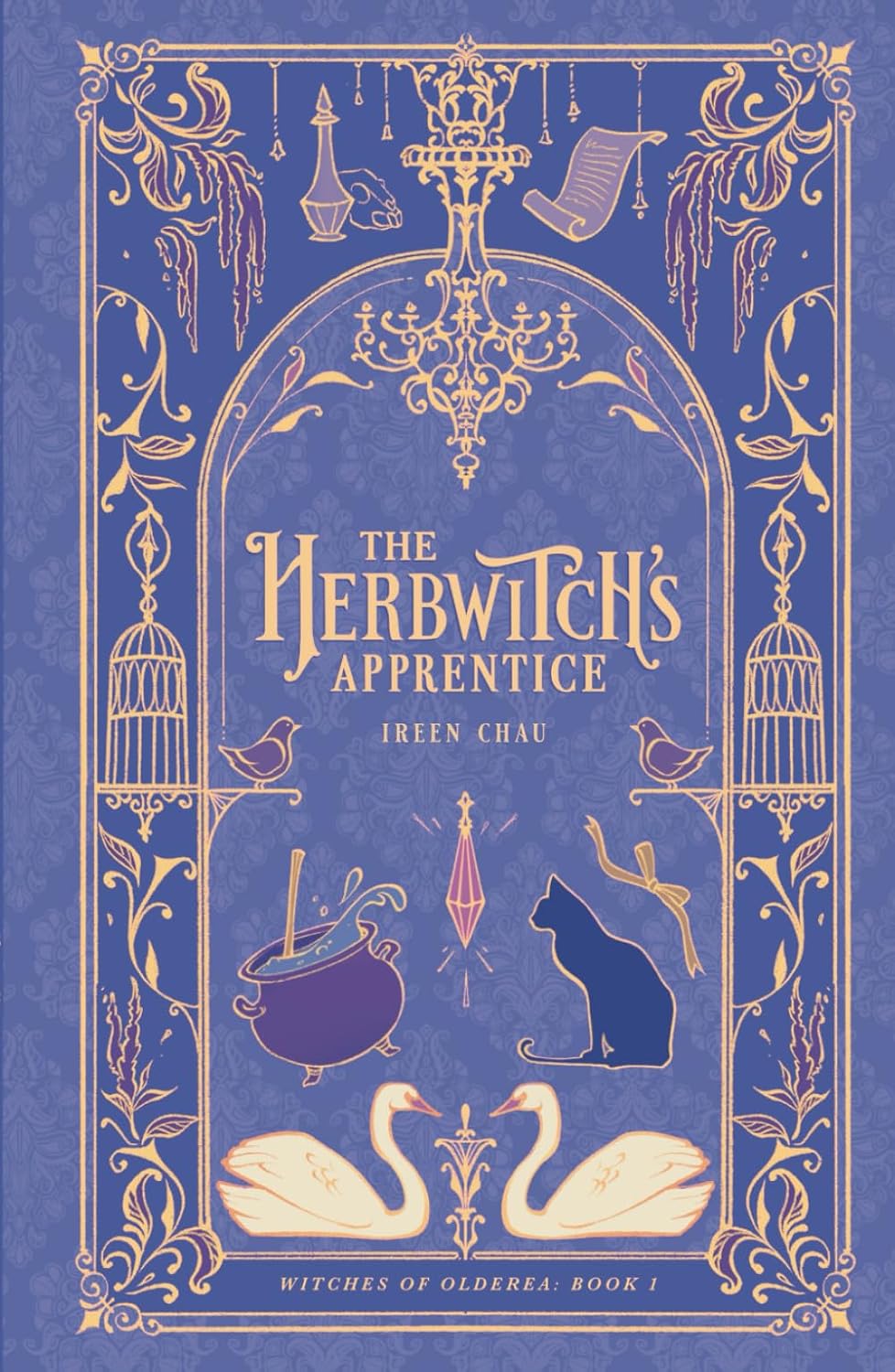
The novel categorizes its magic into two distinct disciplines: "charmwitchery" and "herbwitchery." Amarante’s unique gift lies in herbwitchery—specifically, the intuitive ability to sense what an ingredient or enchanted object holds. Guided by a prickly, demanding mentor, her journey offers a remarkably grounded and humorous look at the trials of learning the Craft, complete with a slow-burn romance, a deeply loyal found family, and a healthy dose of petty revenge against high-society bullies.
Chronology: From Debutante Disasters to Palace Quests
The narrative arc of The Herbwitch’s Apprentice unfolds across a tightly paced timeline that shifts from the superficial glittering salons of the elite to the shadowed corridors of royal power:
- The Debutante Season: The story opens with Amarante attempting to conform to the expectations of Olderean high society, running desperately from her own burgeoning magical impulses.
- The Inciting Spark: During a high-society event, Amarante’s magic accidentally manifests, shocking a visiting prince and setting off a chain reaction of suspicion.
- The Royal Crisis: When the Queen of Olderea falls violently and mysteriously ill, the palace turns to desperate measures.
- The Quest for Answers: Amarante crosses paths with Prince Ash, leading to a joint investigation that pulls them away from the perceived safety of polite society and deep into the heart of the kingdom’s political and magical conspiracies.
- Apprenticeship and Awakening: Finding herself under the tutelage of a stern local herbwitch, Amarante masters her gifts, learns the limitations of magic, and builds a supportive network of allies.
- The Climax and Resolution: The truth behind the Queen’s illness is unmasked, the systemic prejudice against witches is challenged, and Amarante secures not only her magical identity but a hard-won, joyful future.
Supporting Data and Thematic Weight: Escaping the Historical Shadow
To understand why a seemingly lighthearted fantasy novel matters to the Pagan and witchcraft community, one must examine the heavy historical shadow under which fictional witches have labored for centuries.
Historically, women who worked with herbs, acted as midwives, tended to the sick, or lived outside patriarchal norms faced systematic suspicion, exposure, and execution. Fiction naturally inherited the shape of these real-world tragedies. Even beloved fictional witches in modern media almost invariably pay a heavy toll for their power—whether through a lost love, forced banishment, generational curses, or communities that never truly forgive them.
When readers consume a steady diet of stories where magic always demands a severe sacrifice, a psychological pattern forms. This doom-and-combustion formula risks teaching readers—particularly young adults and teenagers newly exploring tarot decks or earth-based spirituality—that being a witch inherently requires suffering.

By contrast, The Herbwitch’s Apprentice offers a counter-narrative. Magic in Olderea is treated as a practical, everyday tool rather than an omnipotent, corrupting force. Spells have explicit limitations, and potions cannot solve every problem. This mirrors the lived reality of modern practitioners, who view the Craft as a skill requiring patience, study, and community support. Furthermore, the novel integrates themes of seasonal gratitude—such as human traders visiting the Witch Market with fresh autumn produce—echoing real-world Pagan celebrations like Mabon.
Official Responses and Critical Reception
While The Herbwitch’s Apprentice is a work of fiction, its reception within literary and cultural spaces highlights a broader hunger for positive representations of witchcraft. Reviewers and booksellers have praised Ireen Chau’s work for its breezy prose, memorable wit, and refusal to rely on tired genre tropes.
Literary critics have particularly highlighted Chau’s sharp comedic timing—noted in lines such as magic that sticks to a target "like caramel on a toddler’s tooth"—as a refreshing departure from grimdark fantasy. Pagan parenting groups and community educators have similarly embraced the book, noting that its multi-generational appeal bridges the gap between middle-grade innocence and young adult depth.
While the novel is generally light and cozy, reviewers have issued a gentle caveat for sensitive readers: the plot does touch upon darker elements, including a brief period of forced servitude involving physical cruelty and painful familial revelations. Nevertheless, these hurdles serve to strengthen the heroine’s resilience rather than plunging the narrative into permanent despair.
Implications: Why Joyful Witchcraft Matters for the Next Generation
The publication and reception of books like The Herbwitch’s Apprentice carry profound implications for the contemporary Pagan movement, particularly regarding how we socialize the next generation of practitioners.

1. Dismantling Internalized Stigma
For adults who came to the Craft later in life, the word "witch" can still carry a lingering, internalized hesitation—a ghostly echo of historical persecution. Books that center unapologetic, thriving witches help dismantle this stigma, providing a cultural permission slip to celebrate the Craft openly and joyfully.
2. Intergenerational Sharing
Because the romance remains sweet and chaste (featuring little more than wholesome, chaste kisses), the novel functions as an ideal bridge for shared reading between Pagan parents and their teenagers. Illustrated editions featuring artwork drawn by Chau herself enhance its viability as a treasured physical gift for young family members exploring their identities.
3. A New Script for the Future
Children learn what is possible from the stories placed in their hands. A generation of youth raised on stories where witches thrive, build supportive found families, and secure happy endings carries one less fear into adulthood.
Looking Forward
For readers who find themselves charmed by the world of Olderea, Ireen Chau’s universe is expanding. The series continues with The Herbwitch Princess and The Charmwitch Seamstress, alongside an anticipated spin-off novella cheekily titled Bennett Turns Into a Cat.
Ultimately, The Herbwitch’s Apprentice proves that a cozy, joyful narrative does not have to lack depth. By offering a world where witches can wield their power, keep their friends, and find love without paying an agonizing blood tax, Chau has delivered a small, glittering gem of a book—and a much-needed reminder that our stories do not always have to end in the fire.