






By the Mythical Realm Special Investigations Desk
Published: October 24, 2023
Main Facts
In an era dominated by data-driven algorithms and clinical personality assessments like the Myers-Briggs Type Indicator (MBTI) or the Enneagram, a parallel cultural phenomenon is quietly thriving: the quest for the mythological soulmate. From viral internet quizzes to deep psychological evaluations, millions of individuals annually seek to categorize their personalities not by corporate or psychological benchmarks, but by ancient folklore.
Recent internet metrics indicate that personality quizzes themed around mythical creatures—such as griffins, centaurs, tricksters, and mermaids—generate millions of interactions monthly. This trend points to a deeper human desire to reconnect with archetypal storytelling. Psychologists and cultural historians suggest that assigning oneself a mythical archetype is not merely a form of digital escapism, but a sophisticated psychological coping mechanism. It allows modern individuals to frame their internal complexities, emotional states, and existential aspirations within a narrative tradition that has endured for millennia.
The phenomenon brings together digital media analytics, Jungian psychoanalysis, and the enduring anthropology of folklore. By examining how platforms like The Mythical Realm and external heavyweights like BuzzFeed curate these quizzes, researchers are beginning to understand why contemporary society continues to project modern identities onto ancient canvases.
Chronology: From Ancient Oral Traditions to Digital Quizzes
To understand how a human being in the twenty-first century comes to identify as a water nymph or a soaring griffin, one must trace the evolutionary timeline of archetypal storytelling and its migration into digital spaces.
- Prehistory to Antiquity (Oral and Mythological Era): Mythical creatures were born from humanity’s attempt to explain the unexplainable—storms, the deep ocean, the vastness of the cosmos, and the duality of human nature. Figures like sirens, centaurs, and nymphs served as cautionary tales, religious deities, or personifications of natural forces. They were communal property, shared across campfires and sacred texts.
- The Mid-Twentieth Century (The Psychological Turn): Swiss psychiatrist Carl Jung revolutionized the study of myth by introducing the concept of archetypes. Jung argued that myths are the manifestations of the collective unconscious—universal symbols shared by all human beings regardless of culture or era. This framework laid the groundwork for modern personality typing, bridging ancient monster lore with modern self-awareness.
- The Late 20th Century (Print and Magazine Culture): The rise of lifestyle magazines introduced the "quiz" format to the mainstream public. Readers eagerly flipped to the back pages of periodicals to discover "Which Cosmopolitan Archetype Are You?" or "What Kind of Romantic Partner Are You Based on Your Favorite Animal?" These quizzes transitioned mythology from academic folklore into accessible self-reflection.
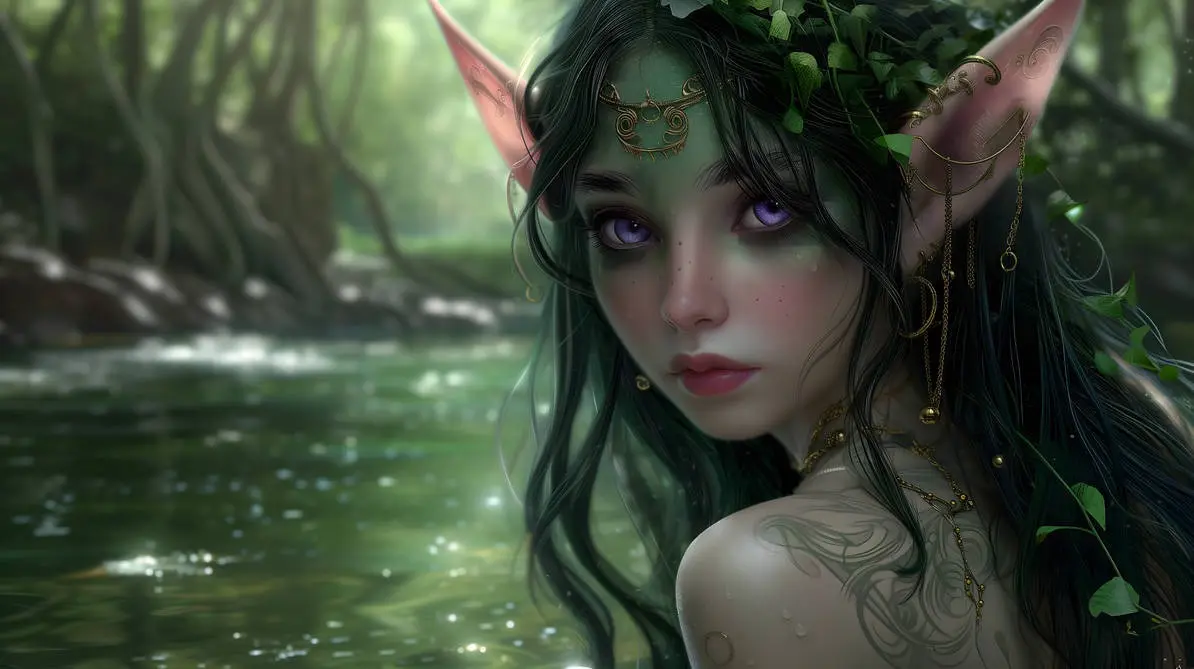
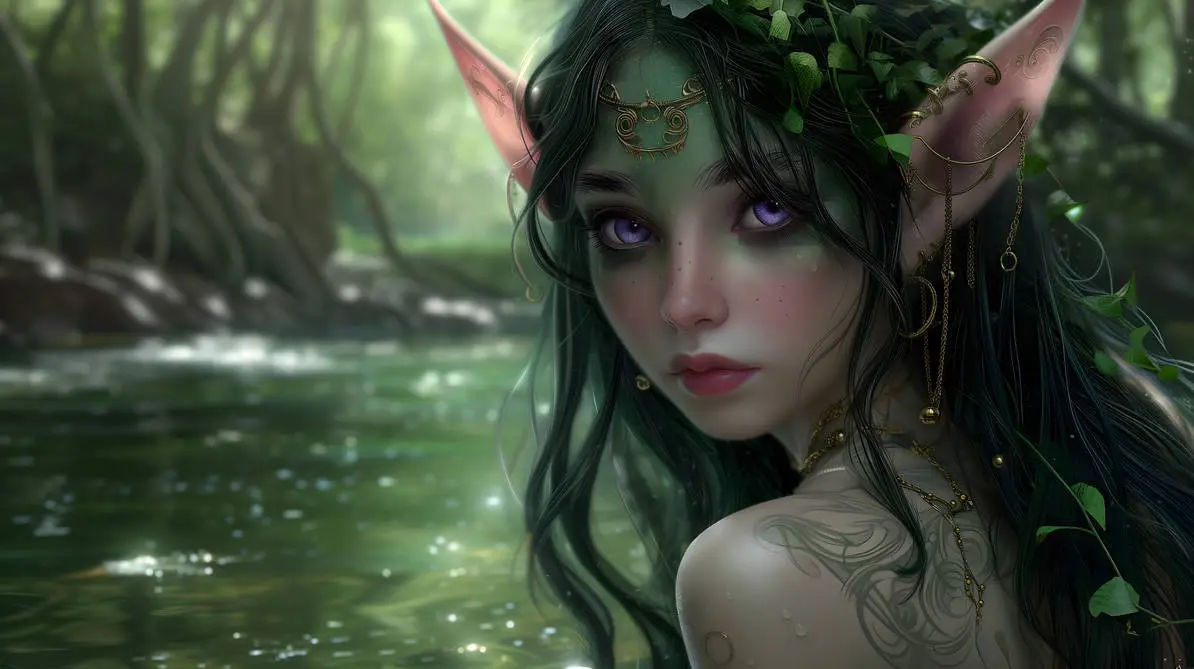
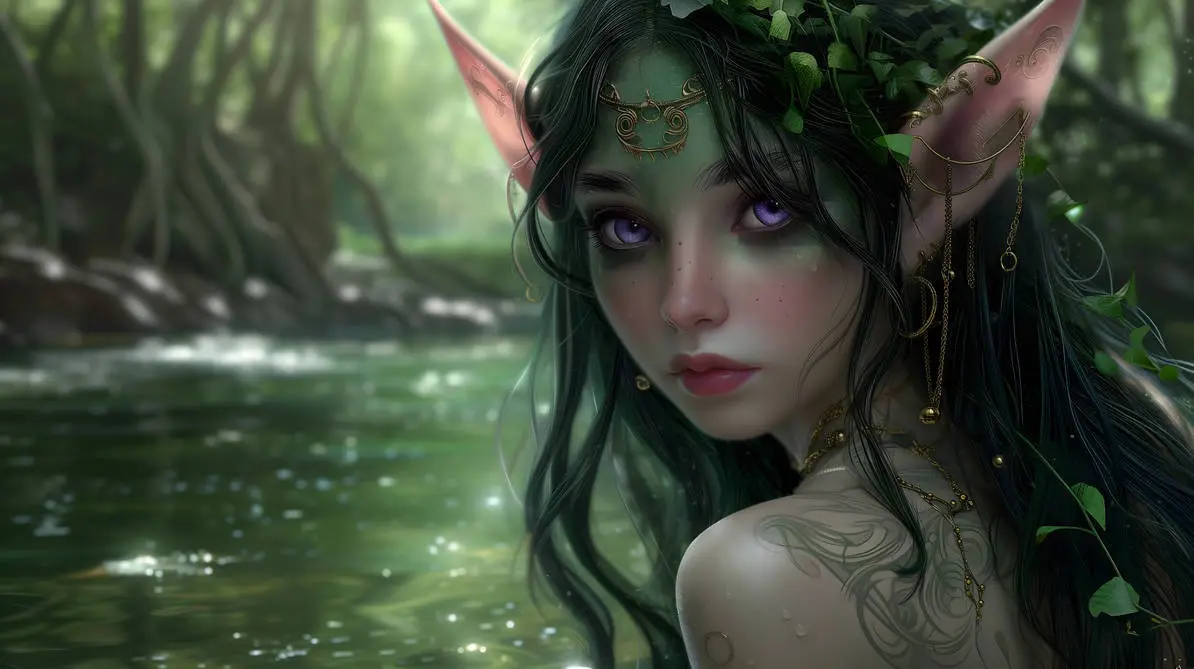
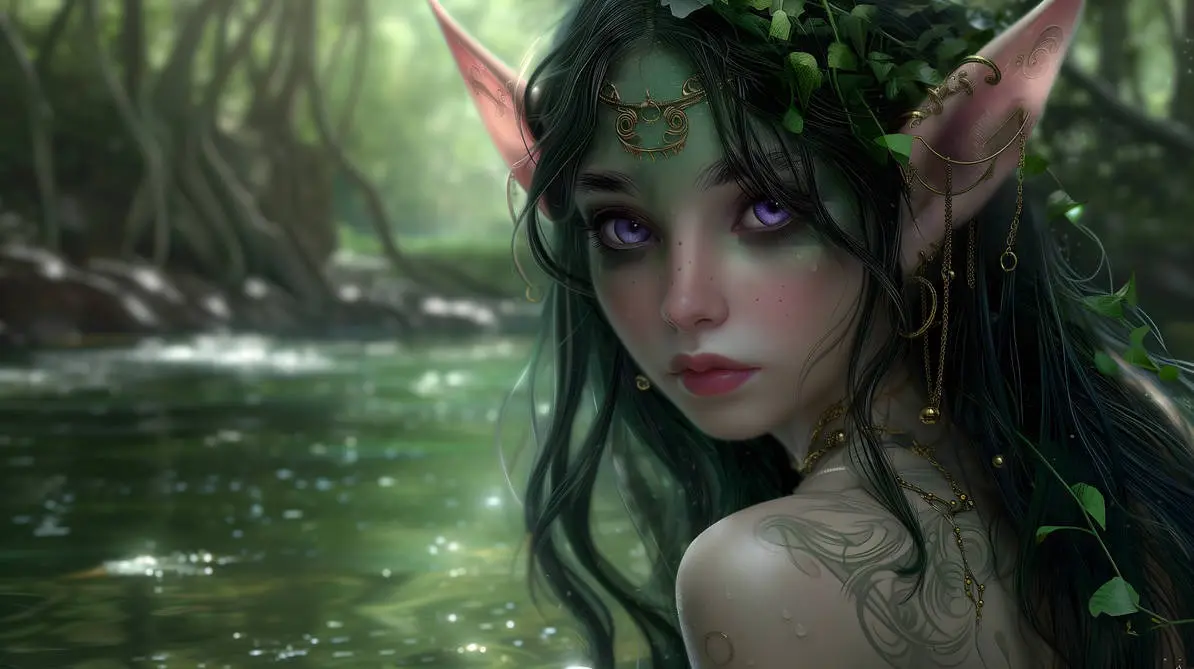
- The 2010s to Present (The Digital and Viral Age): With the advent of social media and content platforms, personality quizzes became prime digital real estate. Interactive platforms digitized the ancient impulse for self-categorization. Quizzes became gamified, optimized for social sharing, and visually enriched with digital artwork—such as Bogi380’s depiction of Aeliana the Water Nymph—transforming static reading into an immersive, aesthetic experience.
Supporting Data and Psychological Insights
While quizzes about mythical creatures are often consumed for lighthearted entertainment, data gathered from cultural engagement metrics and psychological studies reveal compelling trends regarding why certain archetypes appeal to specific personality profiles.
Demographic and Behavioral Metrics
Market analysis of internet quiz engagement shows distinct patterns:
- The Escapism Spike: Traffic for fantasy and myth-based quizzes historically spikes during periods of high socio-economic stress or technological anxiety (e.g., global health crises, economic downturns).
- Aesthetic Alignment: Users are significantly more likely to complete and share a quiz result if it is accompanied by high-fantasy visual art. Visual representations bridge the gap between abstract personality traits and tangible identity markers.
- Archetypal Distribution: Based on aggregated data from popular myth-quizzes, respondents generally cluster across four major personality vectors:
- The Grounded Intellectual (Centaur-types): Tend to score high on traits of duty, stability, and intellectual synthesis.
- The Adaptable Rebel (Trickster-types): Correlate heavily with high openness to experience, humor, and non-linear problem-solving.
- The Visionary Explorer (Griffin-types): Over-index in ambition, curiosity, and a desire for broad perspectives.
- The Empathetic Healer (Mermaid/Nymph-types): Show strong correlations with emotional intelligence, introversion, and artistic sensibilities.
The Jungian Perspective
Dr. Elena Vance, a cultural psychologist specializing in modern mythopoetics, notes that identity quizzes tap directly into active imagination. "When a person answers a series of hypothetical questions about exploring hidden temples or soaring above clouds, they are not just selecting random answers," Dr. Vance explains. "They are projecting their unexpressed desires onto ancient symbols. Choosing an ocean chariot over a teleporting spell reveals subconscious preferences for emotional depth versus intellectual velocity."
Official Responses and Expert Perspectives
As the intersection of popular culture, folklore, and digital psychology gains academic attention, folklorists, psychologists, and digital media designers have weighed in on the cultural significance of the "mythical soulmate" trend.

The Academic Viewpoint: Folklore as a Mirror
Dr. Aris Thorne, professor of Folklore and Mythology at Oxford University, argues that modern quizzes represent a healthy democratization of myth.
"For centuries, gatekeepers—priests, rulers, and poets—controlled the narratives of myth," says Dr. Thorne. "Today, internet users are reclaiming these figures. When someone identifies as a trickster or a griffin, they are performing a modern folk ritual. They are using ancient vocabulary to articulate a hyper-modern sense of self that standard clinical tests often fail to capture."
The Digital Designer’s Perspective: Crafting the Fantasy
Content strategists behind platforms that host these interactive quizzes emphasize the careful balance required to make mythology feel personal.
"You cannot simply slap a monster name onto a paragraph of text and expect engagement," explains Marcus Vance, a digital UX designer specializing in interactive media. "The questions must evoke genuine emotional resonance—the smell of a forgotten jungle, the vastness of the open ocean, the weight of ancient wisdom. When users tally up their answers—whether they land on A, B, C, or D—they need to feel that the result honors both the myth and their own internal reality."
Implications: What Our Mythological Preferences Reveal About Society
The enduring popularity of discovering one’s "inner mythical beast" carries several profound implications for modern culture, mental health, and the future of self-expression.
1. The De-Clinicalization of Self-Discovery
While clinical psychology remains vital for mental health, diagnostic tools like the MMPI or even corporate assessments can feel sterile, clinical, and overly rigid. Mythological personality typing offers a poetic alternative. By framing quirks, strengths, and flaws through the lens of fantasy, individuals can process personal growth without the pressure of clinical diagnosis. Being a "trickster" who loves mischief feels far more forgiving than clinical definitions of non-conforming behavior.
2. Re-Enchanting a Disenchanted World
Philosopher Max Weber famously described modernity as a process of "disenchantment"—a world stripped of magic, mystery, and spiritual narrative in favor of pure rationalization and industrial efficiency. Trends like mythical creature quizzes act as micro-doses of re-enchantment. They inject playfulness, wonder, and narrative depth back into daily life, reminding individuals that human imagination remains boundless.
3. Community and Shared Mythology
In an increasingly isolated digital landscape, shared cultural touchstones foster community. Whether discussing quiz results on social media forums or debating whether one truly embodies a majestic griffin or a graceful water nymph, these interactions create low-stakes, high-creativity bonding spaces. They prove that humans still gather around digital campfires to tell stories about who we are, where we come from, and what fantastic beasts live inside our hearts.
Conclusion
As science continues to advance, the boundary between fantasy and reality may never fully dissolve—and perhaps it shouldn’t. As cultural traditions evolve through algorithms and digital art, the core human drive to seek wonder, meaning, and connection remains unchanged. Whether your tally points to the noble stability of the centaur, the cunning wit of the trickster, the soaring curiosity of the griffin, or the intuitive grace of the mermaid, the ultimate takeaway is clear: the real magic has always lived within.