August 22, 2026 — Ever finish a grueling, high-intensity workout only to feel the shockwaves reverberating deep inside your stomach? For decades, sports science and nutritional research focused almost exclusively on skeletal muscles, joints, and cardiovascular capacity when evaluating athletic performance and recovery. But as researchers peel back the layers of human physiology, they are looking far beyond the biceps and quadriceps—straight into the microbiome.
A comprehensive new scientific review published in The Journal of Nutrition explores the complex interplay between plant-derived compounds known as polyphenols, the trillions of microbes residing in our digestive tracts, and how this dynamic duo influences exercise performance, gut integrity, and post-workout recovery.
Main Facts: The Intersection of Plant Compounds, Gut Health, and Fitness
The central thesis of the recent review is straightforward: the foods we eat do not just fuel our muscles directly; they interact with our internal ecosystems in ways that can fundamentally alter how our bodies withstand and bounce back from physical stress.
- The Polyphenol Powerhouse: Polyphenols are naturally occurring micronutrients found abundantly in plant-based foods such as berries, coffee, cocoa, tea, and colorful vegetables. They are structurally divided into four main groups, with flavonoids making up the largest and most widely studied category.
- The Gut Barrier Challenge: Strenuous or prolonged exercise—particularly when performed in hot or humid environments—places acute, temporary stress on the gastrointestinal tract. This can compromise the gut epithelial barrier, leading to systemic inflammation, oxidative stress, and digestive discomfort.
- The Microbiome Mediator: Rather than acting entirely on their own, many dietary polyphenols serve as prebiotics. They travel largely unabsorbed to the colon, where beneficial gut bacteria metabolize them into bioactive compounds, including short-chain fatty acids (SCFAs) that protect the gut lining and regulate inflammation.
- Direct and Indirect Pathways: While the gut microbiome plays a pivotal role in transforming polyphenols into usable metabolites, these plant compounds also exert direct systemic effects, such as optimizing fat oxidation for energy, supporting healthy blood vessel dilation, and dampening exercise-induced inflammation.
Chronology: How the Science of Gut Health and Exercise Evolved
To understand why researchers are currently buzzing about polyphenols and the microbiome, it helps to look at the historical progression of sports nutrition.
Phase One: The Macro and Micro Eras (Late 20th Century)
For decades, sports nutrition was dominated by macronutrient tracking—optimizing carbohydrates for glycogen replenishment, proteins for muscle repair, and fats for sustained energy. Micronutrients were largely viewed through the lens of basic vitamin and mineral deficiencies rather than dynamic performance enhancers.
Phase Two: The Rise of the Microbiome (2010–2020)
As genetic sequencing technologies advanced, scientists began mapping the human gut microbiome in earnest. Landmark studies revealed that athletes possess significantly more diverse and distinct gut microbial profiles compared to sedentary individuals. Researchers began asking a chicken-and-egg question: Does intense training shape the gut, or does a robust gut enable better athletic performance?
Phase Three: Unlocking the Polyphenol Connection (2020–Present)
Nutritional scientists turned their attention to phytochemicals, noticing that diets rich in plant polyphenols consistently correlated with lower markers of chronic inflammation and improved cardiovascular health. However, the exact mechanisms remained elusive. The new 2026 review synthesizes more than 80 laboratory, mechanistic, and human intervention studies to bridge this exact gap, confirming that gut bacteria act as vital translators between plant foods and athletic recovery.
Supporting Data and Mechanistic Insights
The recent review draws from a robust collection of preclinical trials, laboratory assays, and human intervention studies to illustrate how these microscopic interactions translate to physical reality.
Feeding the Right Microbes
When humans consume polyphenol-dense foods, certain strains of beneficial bacteria thrive. Laboratory and human trials cited in the review indicate that regular exposure to specific polyphenols can lead to notable population increases in health-promoting microbes, such as Akkermansia muciniphila and various Lactobacillus species. A. muciniphila, in particular, is heavily associated with maintaining the structural integrity of the intestinal mucous layer.
Short-Chain Fatty Acids (SCFAs) as Cellular Fuel
As gut bacteria break down complex polyphenols, they generate metabolites like short-chain fatty acids (acetate, propionate, and butyrate). These molecules do much more than support digestive health; they cross into systemic circulation, helping to regulate immune responses, modulate energy handling during endurance efforts, and provide an energy source for the cells lining the colon.
Real-World Human Trials
The theory translates to human subjects, too. In a recent clinical trial highlighted by the research team, participants consumed tart cherry polyphenols—a well-known recovery aid—prior to completing a workout specifically designed to induce muscle damage. The researchers discovered that individuals who successfully metabolized the tart cherry compounds into specific gut-derived byproducts experienced significantly better muscle function recovery and lower markers of structural muscle damage than those who did not produce the same metabolic profile.
Official Perspectives and Expert Caveats
While the intersection of microbiome science and sports nutrition is generating widespread enthusiasm among dietitians, exercise physiologists, and functional medicine practitioners, leading voices in the scientific community urge caution against overhyping preliminary data.
The Complexity of the Polyphenol Universe
Dr. Sarah Jenkins, a nutritional biochemist and co-author of several recent studies on phytochemical metabolism, points out the sheer scale of the unknown.
"Researchers have identified more than 8,000 distinct polyphenols in commonly consumed foods," Jenkins notes. "Yet, we have only closely studied a tiny fraction of them for their specific impacts on the human body or the gut microbiome. We are only scratching the surface."
Caution Against the "Miracle Supplement" Trap
Furthermore, much of the foundational evidence backing polyphenol benefits still relies on mechanistic, preclinical, or relatively small-scale human trials. Because everyone’s unique gut microbiome is as distinct as a fingerprint—meaning one person’s gut bacteria will process a cup of green tea or a handful of blueberries completely differently than another’s—universal supplement guidelines are virtually impossible to establish right now.
"For now, there is no need to turn your kitchen into a chemistry lab or empty your wallet on expensive, highly concentrated polyphenol extracts," advises Dr. Marcus Vance, a sports medicine researcher not affiliated with the review. "The science doesn’t yet point to a magic pill or a single optimal dosage. The safest, most evidence-backed approach is returning to the whole food source."
Implications: What This Means for Everyday Athletes and Fitness Enthusiasts
The growing realization that our gut microbes act as active agents in athletic recovery carries profound implications for how everyday gym-goers, endurance runners, and professional athletes approach their daily nutrition.
Moving Beyond Isolated Macros
Fitness enthusiasts are increasingly shifting away from a hyper-focused "protein-and-carbs-only" mindset. Recognizing that gut health dictates nutrient absorption, systemic inflammation, and post-exercise comfort encourages a more holistic plate composition. Incorporating diverse plant matter isn’t just about general wellness anymore; it is becoming recognized as a core component of athletic longevity and recovery optimization.
Practical Steps for Your Kitchen and Gym Bag
Because science has yet to isolate specific polyphenol supplements that guarantee performance gains, experts recommend focusing on accessibility and dietary diversity. Rather than looking for a quick fix in a bottle, fitness enthusiasts can easily integrate these compounds into their daily routines through whole foods:
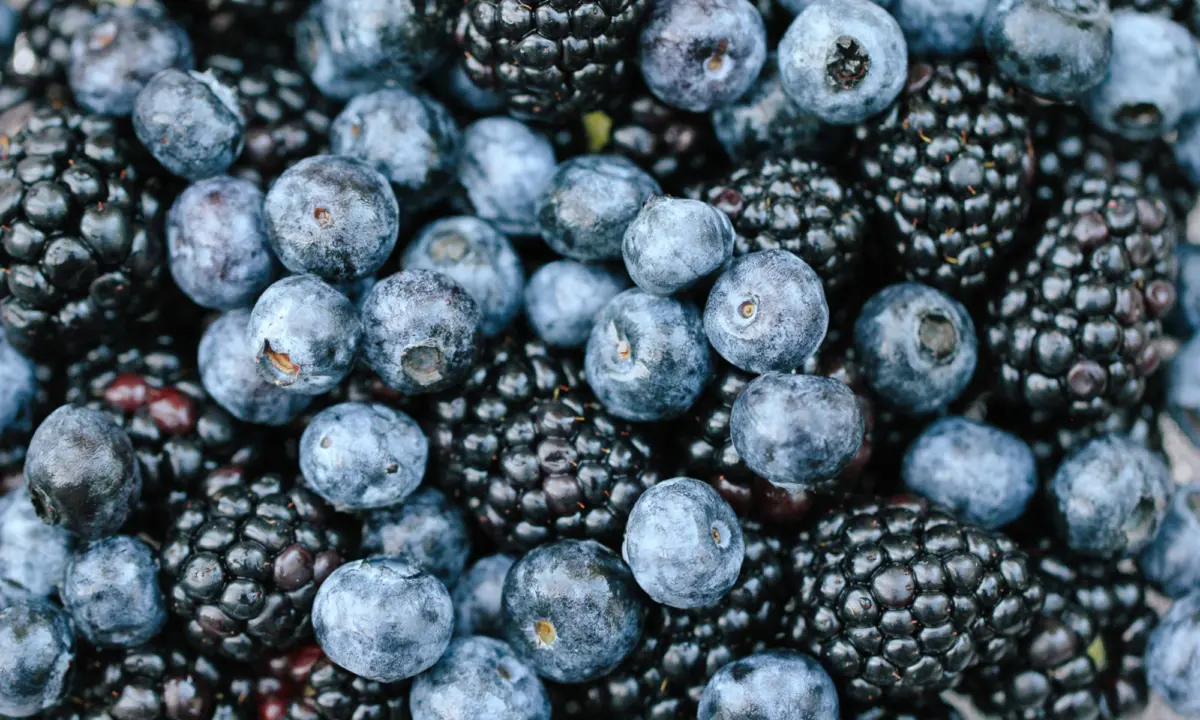
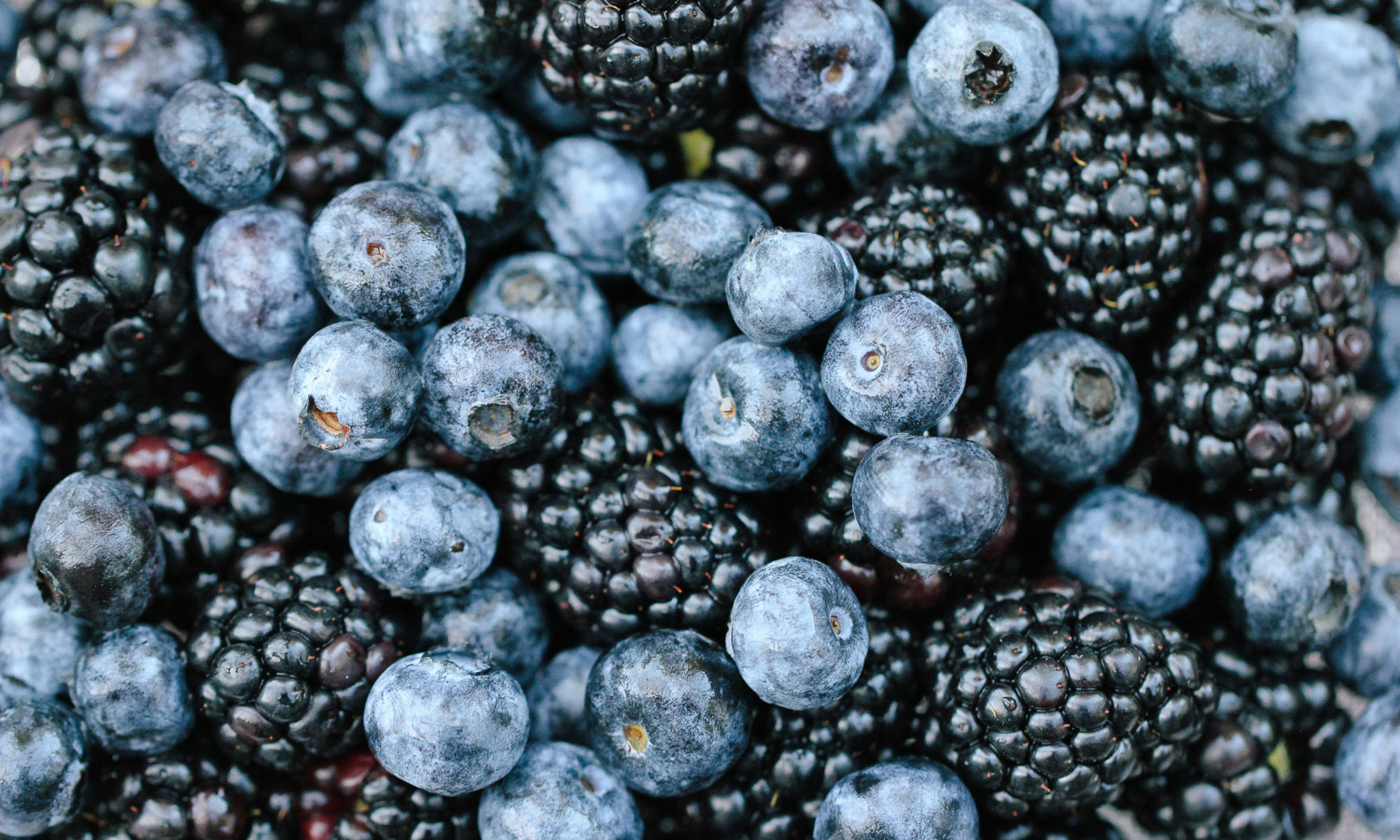
- Berries: Blueberries, blackberries, raspberries, and strawberries are rich in anthocyanins, a potent subclass of flavonoids.
- Coffee and Tea: Morning coffee and afternoon green or black tea provide significant doses of chlorogenic acids and catechins.
- Cocoa and Dark Chocolate: High-cocoa chocolate offers robust levels of flavanols that support blood vessel elasticity and circulation.
- Colorful Vegetables: Red onions, spinach, broccoli, and bell peppers add structural variety to the microbiome while delivering diverse antioxidant profiles.
The Future of Personalized Sports Nutrition
Looking ahead, the integration of microbiome data and polyphenol research paves the way for truly personalized nutrition. In the near future, athletes may sequence their gut microbiome to determine precisely which plant metabolites their bodies are capable of producing, allowing sports dietitians to design hyper-targeted nutrition plans that maximize recovery speed, prevent GI distress during marathons, and enhance overall physical resilience.
Until then, the takeaway is simple: taking care of your physical body starts with feeding the microscopic ecosystem within. By embracing a colorful, plant-forward diet rich in natural polyphenols, you can support your gut barrier, mitigate exercise-induced stress, and give your muscles the backup they need to recover faster and stronger.