







By Global Wellness & Sustainability Desk
Published: October 2023
Main Facts: The Hidden Supply Chain Behind the Crystal Boom
In recent years, the global crystal and gemstone market has experienced an unprecedented renaissance. Once confined to esoteric metaphysical shops and specialized mineralogy shows, crystals have firmly entered the mainstream. From celebrity endorsements and high-fashion aesthetics to lifestyle-driven TikTok videos and wellness routines, quartz, amethyst, jade, and citrine are ubiquitous.
However, this commercial boom has brought a deeply inconvenient truth to the forefront of the wellness community: the sparkling stones adorning nightstands and altars often carry a heavy human and environmental toll.
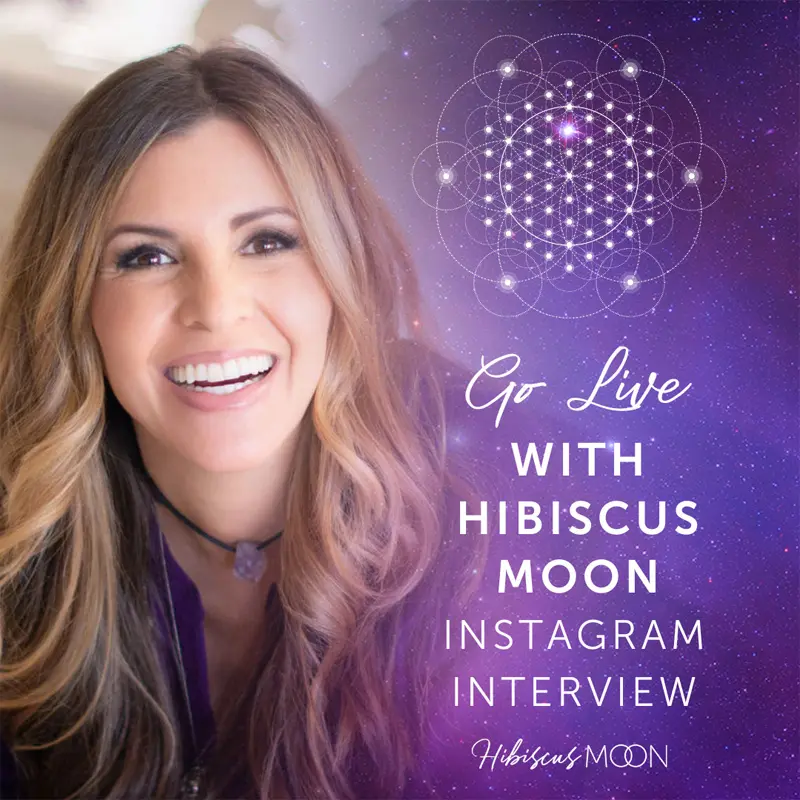
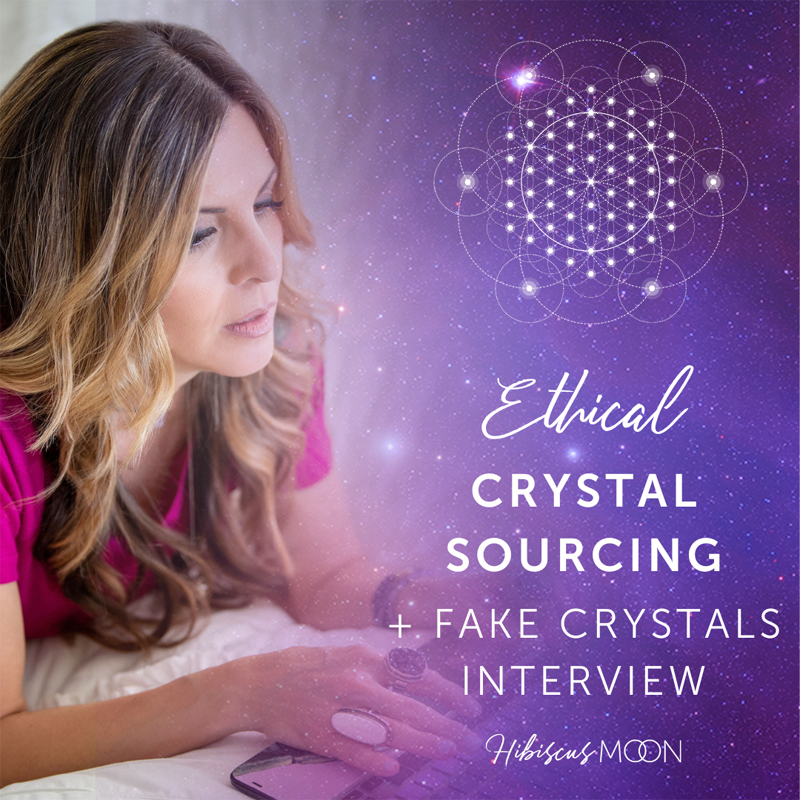
Recently, prominent crystal educator and author Hibiscus Moon sat down for a candid, high-profile live interview with Barbie—widely known in digital spaces as "Cold Brew Barbie"—to tackle this exact issue. The discussion centered on ethical crystal sourcing, peeling back the layers of a largely unregulated global supply chain. While consumers frequently purchase crystals to promote positive energy, healing, and mindfulness, the extraction process itself is frequently mired in hazardous labor conditions, environmental degradation, and opaque supply networks that obscure the true origin of these mineral specimens.
The core dilemma facing the industry is simple yet profound: unlike the diamond trade, which has faced intense scrutiny and regulatory frameworks like the Kimberley Process, the broader market for holistic and decorative crystals lacks standardized oversight, leaving both retailers and buyers in the dark about how their favorite stones were mined, transported, and sold.
Chronology: From Ancient Reverence to a Modern Wellness Phenomenon
To understand how the crystal market arrived at its current ethical crossroads, it is necessary to examine the historical trajectory of mineral gathering and its evolution into a multi-billion-dollar global industry.
Ancient and Artisanal Origins (Pre-20th Century)
For millennia, crystals and gemstones were harvested by local artisans, indigenous communities, and small-scale miners. Extraction was typically manual, localized, and integrated into local economies and spiritual traditions. The volume of stones removed from the earth was relatively low, dictated by the physical limitations of hand tools and immediate regional demand.
The New Age Surge (1970s–1990s)
The modern crystal market began to take shape during the New Age movement of the late 20th century. Demand for healing stones grew steadily in Western countries, creating nascent import pathways from major mineral-rich regions such as Brazil, Madagascar, India, and Arkansas in the United States. During this period, sourcing was largely relationship-based, with small shop owners buying directly from specialized importers who traveled to international mineral shows.
The Digital and Social Media Explosion (2010s–Present)
The advent of platforms like Instagram and TikTok transformed crystals from a niche hobby into a dominant lifestyle aesthetic. The demand for aesthetically pleasing, large-format mineral specimens skyrocketed overnight. Supply chains strained to keep pace, leading to increased industrialization of mining practices in developing nations, a proliferation of middle-men, and a growing disconnect between the end consumer and the earth where the stone was found.
Supporting Data: The Scale and Impact of the Mineral Trade
Quantifying the exact economic and social footprint of the holistic crystal industry remains challenging due to the informal nature of many mining operations. However, data from international labor and environmental watchdogs provide a sobering picture of the broader gemstone and mineral extraction sectors.
- Global Market Projections: The global healing crystals market, valued at over $1 billion annually, continues to grow at a compound annual growth rate (CAGR) of over 6% as wellness trends expand across North America, Europe, and parts of Asia.
- Informal Labor Dependency: Industry estimates suggest that a significant percentage of colored gemstones and decorative minerals—up to 80% in certain developing nations—are sourced through Artisanal and Small-Scale Mining (ASM). While ASM provides vital livelihoods for millions of rural workers, it frequently operates outside formal labor laws.
- Environmental Degradation: Unregulated mineral extraction often leads to soil erosion, habitat destruction, deforestation, and water contamination through the use of heavy machinery and chemical runoff, leaving scarred landscapes long after the stones have been shipped to Western retail shelves.
- The Transparency Gap: According to recent supply chain audits within the broader gemstone industry, fewer than 15% of retail brands can trace their inventory back to the specific mine of origin, relying instead on multi-tiered wholesale brokers.
Official Responses and Industry Perspectives: Inside the Hibiscus Moon and "Cold Brew Barbie" Discussion
During their live broadcast, Hibiscus Moon and Cold Brew Barbie addressed the discomfort many conscious consumers feel when confronted with these realities. Rather than shying away from difficult questions, the conversation aimed to empower buyers with education and critical thinking.
"Let’s shine some light on this!" Hibiscus Moon stated during the session, emphasizing that ignoring the supply chain does not make the ethical dilemmas disappear. "We’re gonna talk about this even though you might think it’s an inconvenient truth; it’s always good to be educated."
The dialogue highlighted several key dimensions of the ethical sourcing debate:
- The Myth of the "Guaranteed" Ethical Label: Both speakers noted that unlike organic food or fair-trade coffee, the crystal industry lacks universally recognized, legally binding certification bodies. When a seller labels a crystal as "ethically sourced," consumers must inquire further about what that actually means—whether it involves fair wages, safe working conditions, or environmentally responsible extraction.
- The Complexities of Small-Scale Mining: While large industrial mines often draw criticism for their massive ecological footprints, boycotting small-scale miners entirely can devastate vulnerable communities that rely on mineral extraction for basic survival. Ethical sourcing, therefore, is rarely a simple binary of "good" versus "bad."
- The Responsibility of the Retailer: A major takeaway from the interview was the pressing need for crystal vendors to build transparent relationships with wholesalers. Educated consumers are increasingly demanding that shop owners know the provenance of their inventory, pushing the market toward greater accountability.
Implications: What the Future Holds for Conscious Consumers and Retailers
The growing awareness surrounding crystal sourcing carries profound implications for everyone involved in the wellness ecosystem—from miners and wholesalers to spiritual practitioners and retail shop owners.
1. A Shift Toward Radical Transparency
As consumers become more discerning, businesses that rely on vague marketing terms like "positive energy" without backing them up with supply chain facts will likely face increased scrutiny. The future belongs to brands that invest in transparent sourcing, direct trade relationships, and verifiable supply chains.
2. Redefining "High Vibe" Consumerism
The fundamental ethos of crystal healing is rooted in harmony with nature, personal alignment, and positive intention. A growing segment of the wellness community is arguing that this ethos is fundamentally compromised if the acquisition of a stone involves human exploitation or ecological destruction. Aligning purchasing habits with personal values is becoming an essential part of modern spiritual practice.
3. The Need for Industry Standards and Collaboration
Ultimately, solving the challenges of ethical crystal sourcing will require cooperation across the entire supply chain. Importers, miners, retailers, and educators must work together to establish baseline standards for fair labor, safe working conditions, and environmental remediation.
Until formal certifications become the norm, conversations like the one hosted by Hibiscus Moon and Cold Brew Barbie serve a vital purpose. By bringing these hidden realities into the light, they empower individuals to ask the right questions, support responsible businesses, and ensure that the pursuit of wellness does unintentional harm to the planet and its people.