








When the summer sun beats down relentlessly, few things offer instant revitalization quite like a tall, ice-cold glass of lemonade. A fixture of American culture since the 1800s, this simple beverage evokes nostalgia, summoning memories of neighborhood pop-up stands run by entrepreneurial children, sun-drenched backyard barbecues, and lazy afternoons on the porch.
Today, as peak strawberry season aligns with the warmest months of the year, culinary and herbal enthusiasts are elevating the classic beverage. By incorporating seasonal fruits and functional botanicals like peppermint and basil, home cooks can transform a standard pitcher of lemonade into a sophisticated, health-boosting elixir. To fully appreciate this modern culinary trend, however, one must look backward through the centuries to explore how a simple mix of lemon juice, water, and sweetener conquered the globe.
Main Facts: The Anatomy of a Global Phenomenon
At its core, lemonade is deceptively simple: citrus juice, water, and a sweetening agent. Yet, this humble formulation has sustained human cultures across millennia.
Modern variations often experiment with carbonation, honey substitutes, and herbal infusions, but the foundational components remain remarkably consistent. The drink’s enduring popularity lies in its versatility. It can be made in minutes with basic pantry staples, scaled up for large outdoor gatherings, or customized to target specific wellness goals.
In its current renaissance, food historians and herbalists are spotlighting lemonade not merely as a sweet treat, but as a functional beverage. By integrating fresh, antioxidant-rich fruits like strawberries and medicinal herbs containing volatile oils, contemporary recipes bridge the gap between refreshing indulgence and holistic wellness.
A Chronological History: From 10th-Century Egypt to the American Temperance Movement
While many associate lemonade exclusively with American summer traditions, the beverage boasts a rich, international lineage spanning over a thousand years.
The Middle Ages and Qatarmizat
The earliest written records of a beverage resembling modern lemonade trace back to 10th-century Egypt. Known then as qatarmizat, this early iteration consisted of a sweetened lemon juice concentrate mixed with water. Rather than being served merely as a casual refreshment, 12th-century Egyptian physicians frequently prescribed qatarmizat as a medicinal remedy. Historical texts suggest the beverage was used to alleviate sore throats, calm digestive upset, and aid individuals recovering from overindulgence (Sonneman, 2012).
The Parisian Lemonade Guild
As trade routes expanded and citrus fruits became more widely available in Europe, lemonade transitioned from apothecary shelves to the bustling streets of Paris. By the 1600s, street vendors were selling a carbonated version of the drink to thirsty pedestrians. The public appetite for this fizzy, refreshing beverage was so immense that vendors eventually unionized, officially establishing the "Compagnie de Limonadiers" to regulate and protect their trade.

Scurvy and the British Royal Navy
By the late 1700s, the British Royal Navy recognized the critical health benefits of citrus. Sailors were issued a daily ration of lemon-based drinks to combat scurvy—a devastating nutritional deficiency caused by a lack of vitamin C. While limes eventually became the standard British naval preventative measure (earning sailors the enduring nickname "limeys"), early lemon rations laid crucial groundwork for understanding citrus as a vital health protector on long ocean voyages (Kennedy, 2025).
The American Temperance Movement
Lemonade crossed the Atlantic and cemented itself in American culture during the 1800s. Its popularity surged dramatically during the rise of the temperance movement. As alcohol was increasingly banned or socially discouraged, the Women’s Christian Temperance Union actively promoted lemonade as a sophisticated, flavorful, and morally sound alternative at social gatherings. From church socials to parlor rooms, lemonade quickly became the undisputed beverage of choice for alcohol-free hospitality.
Supporting Data: The Science of Citrus and Functional Botanicals
Beyond its historical pedigree, modern nutritional science provides a compelling justification for keeping lemonade in rotation. Lemons are naturally packed with vitamin C, a potent antioxidant that supports immune function, promotes collagen synthesis, and aids in iron absorption.
When paired with seasonal ingredients, the health profile multiplies exponentially:
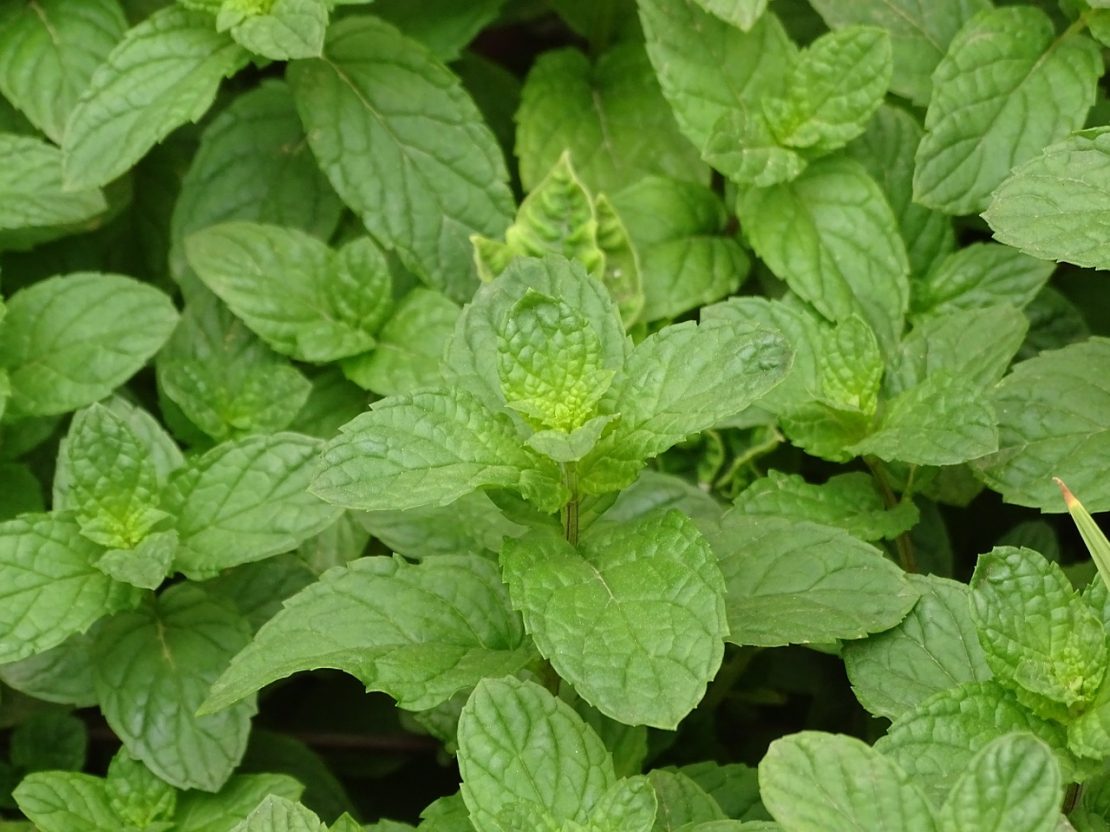
- Strawberries: Rich in dietary fiber, folate, potassium, and vitamin C, fresh strawberries add natural sweetness while delivering an extra layer of cellular-protecting antioxidants.
- Peppermint (Mentha x piperita): Valued for thousands of years in traditional Ayurvedic and Chinese medicine, peppermint contains high concentrations of menthol—a volatile compound known to soothe muscle tension, support respiratory function, and create a physiological cooling sensation from the inside out.
- Sweet Basil (Ocimum basilicum): Far more than a culinary garnish, basil boasts flavonoids with powerful antioxidant properties. Traditional herbal systems value basil for supporting kidney health, easing digestion, and mitigating physical stress.
Official Perspectives and Expert Insights
Herbalists and culinary educators emphasize that classic recipes provide an ideal canvas for functional experimentation. According to botanical education organizations like the Herbal Academy, standard beverages can easily be transformed into health-supportive tonics by utilizing wild or cultivated garden herbs.
"Lemonade leaves plenty of room to experiment with herbs," notes botanical literature from the Herbal Academy. "From cooling mint and chamomile to rooibos, nettle, and aromatic culinary herbs, exploring different ways to bring botanical flavor to a classic summer favorite can elevate both the taste and the wellness benefits of your drink."
Experts also highlight the practical chemistry behind mixology. For instance, when crafting sparkling or carbonated herbal lemonades, timing is everything. Because carbonation naturally dissipates when exposed to air and agitation, culinary professionals advise adding sparkling water at the very last minute—just before serving—to preserve the effervescent "bite" that makes the drink so satisfying on a hot afternoon.
Implications: Elevating Your Summer Gathering with a Modern Herbal Recipe
As consumers increasingly seek out natural, low-intervention foods and beverages with functional benefits, traditional recipes are getting a modern upgrade. Moving away from highly processed, commercial drink mixes laden with artificial sweeteners and preservatives allows individuals to reconnect with seasonal eating and traditional herbalism.
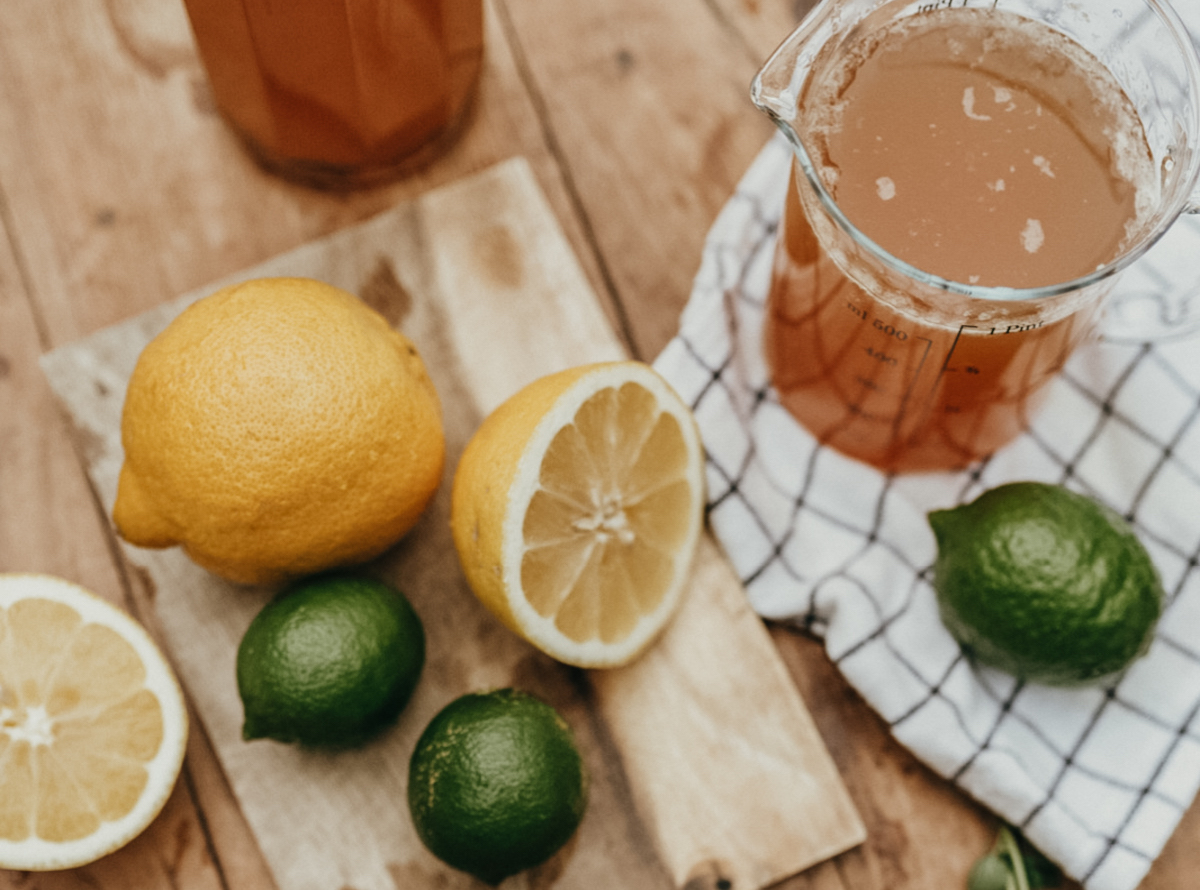
To bring this historical and nutritional evolution into your own kitchen, try crafting this elevated, antioxidant-rich sparkling herbal lemonade at home.
Herbal Strawberry Lemonade Recipe
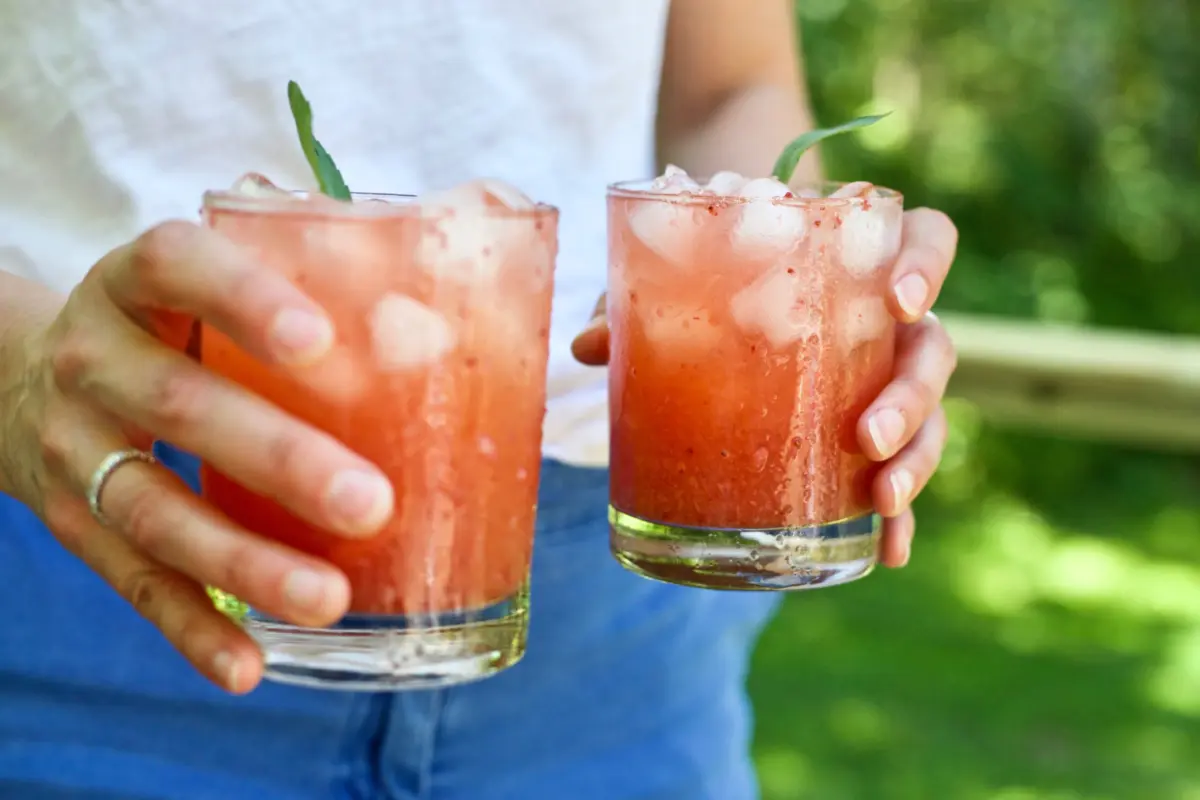
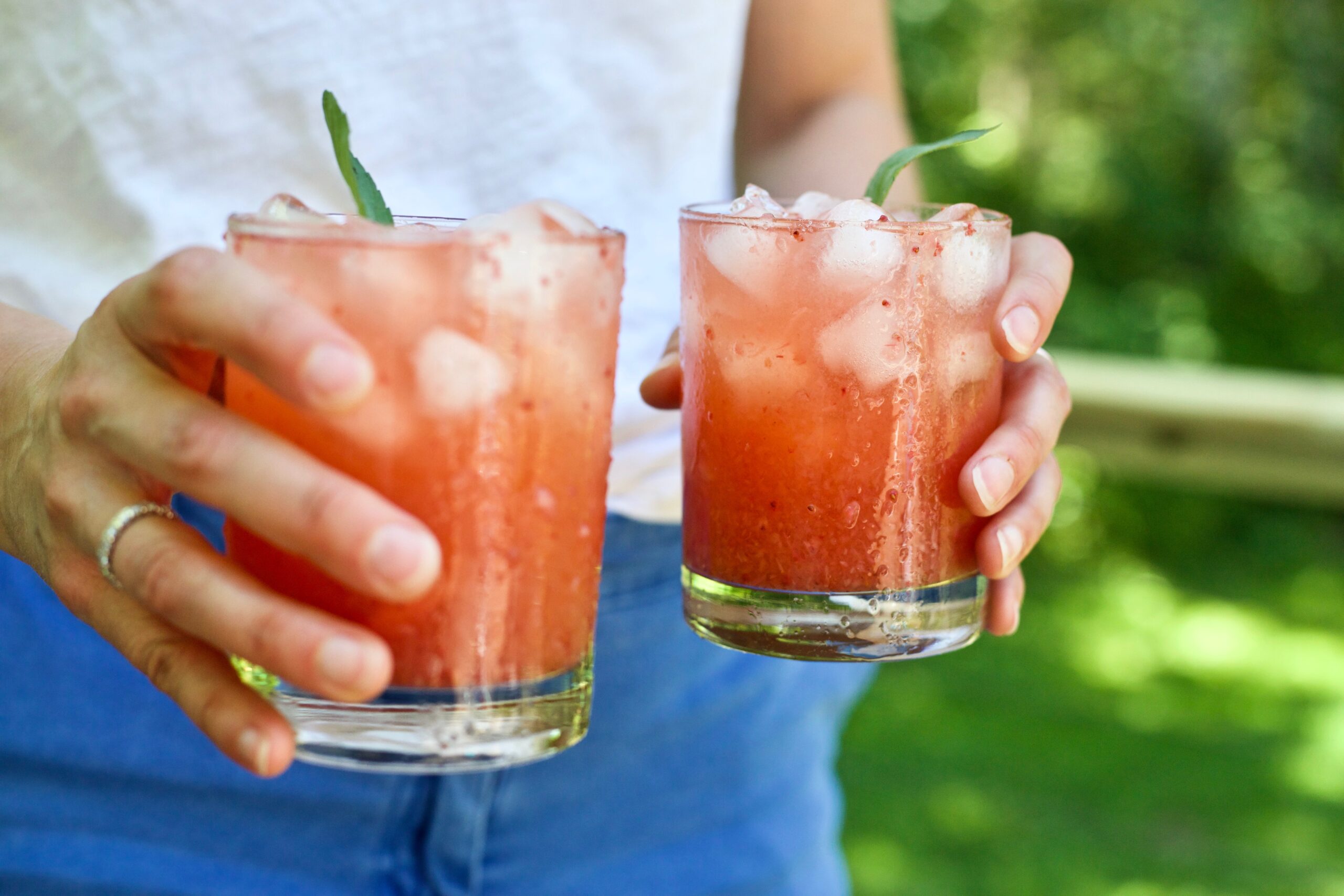
Fresh strawberries contribute essential vitamin C and antioxidants. Muddled together with aromatic herbs, fresh lemon juice, and raw honey, this sparkling beverage is designed to be the centerpiece of your next outdoor gathering.
Ingredients:
- 5 organic strawberries, diced
- 10–15 fresh peppermint (Mentha x piperita) leaves or sweet basil (Ocimum basilicum) leaves (plus extra sprigs for garnish)
- 8 fl oz (1 cup) filtered water
- ½ cup raw, local honey (adjust to taste)
- 16 fl oz (2 cups) freshly squeezed lemon juice (derived from approximately 12 large lemons)
- 2 cups sparkling water
- Fresh lemon slices and herbal sprigs (optional, for garnish)
Directions:
- Prepare the Herbal-Fruit Base: In a sturdy pitcher or bowl, combine the diced strawberries and your choice of fresh mint or basil leaves. Use a muddler or the back of a wooden spoon to gently crush the ingredients, releasing the essential oils of the herbs and breaking down the strawberries.
- Dissolve the Sweetener: In a separate container, whisk the raw, local honey into the 1 cup of filtered water until fully incorporated. Pour this honey-water mixture into the muddled strawberry and herb blend.
- Add the Citrus: Stir in the 2 cups of freshly squeezed lemon juice, ensuring all the flavors meld together harmoniously.
- Chill (Optional): If you are preparing this ahead of time, you can store the concentrated base in the refrigerator.
- Make It Sparkle: Just before serving, pour in the 2 cups of chilled sparkling water. Note: Be sure to wait until the final moment to add the sparkling water, as carbonation will go flat within a few hours.
- Garnish and Serve: Ladle over ice into tall glasses, garnishing each with a lemon slice and a fresh sprig of mint or basil.
Whether you are seeking relief from a scorching afternoon, exploring the historical roots of ancient remedies, or simply looking for a crowd-pleasing refreshment for a backyard party, this herbal strawberry lemonade bridges centuries of tradition with modern culinary flair.
References
- Kennedy, L. (2025). How old is lemonade? History.com.
- Sonneman, T. (2012). Lemon: A global history. Reaktion Books.