









As the human body’s largest and most visible organ, the skin serves as a dynamic interface between our internal physiology and the external environment. Far more than a simple physical barrier, it is an intricate mirror reflecting our systemic health, daily habits, and emotional well-being. In recent years, a growing movement within dermatology and holistic wellness has shifted away from synthetic compounds and harsh chemical interventions, returning instead to centuries-old herbal traditions.
Plants have long been cherished for their biocompatible ability to soothe, restore, and support radiant skin. However, achieving and maintaining a healthy complexion requires a dual-action approach: true skin health cannot be attained solely through topical application; it demands profound internal nourishment, comprehensive stress management, restorative sleep, and balanced nutrition. By integrating botanical medicine into both our diets and our daily skincare rituals, we can harness the synergistic power of nature to optimize skin vitality from the inside out.
The Holistic Paradigm: Inner Nourishment Meets Outer Care
Modern dermatology increasingly acknowledges the gut-skin axis and the systemic impact of lifestyle factors on cutaneous health. Skin cells are constantly regenerating, relying on a steady supply of micronutrients, antioxidants, and hydration to maintain their structural integrity and protective functions.
When stress levels spike, cortisol—the primary stress hormone—surges, triggering systemic inflammation, breaking down collagen, and exacerbating conditions like acne, eczema, and premature aging. Similarly, inadequate sleep deprives the body of crucial cellular repair time, resulting in compromised barrier function, dullness, and dark circles.
Dietary choices play an equally monumental role. Consuming nutrient-dense, whole foods rich in vitamins A, C, E, and essential fatty aids in neutralizing free radicals generated by UV radiation and environmental pollution. When these foundational pillars—nutrition, sleep, movement, and stress mitigation—are firmly established, topical herbal applications act as powerful catalysts. They amplify the skin’s innate capacity to heal, protect, and illuminate itself.
Chronology of Botanical Skincare: From Ancient Traditions to Modern Science
The use of plants for medicinal and cosmetic purposes is as old as human civilization itself, tracing an evolutionary path through ancient cultures and modern scientific validation:
- Ancient Civilizations (c. 3000 BCE – 500 CE): Ancient Egyptians utilized plant-based oils, resins, and lily extracts for sun protection and anti-aging. In traditional Ayurveda and Traditional Chinese Medicine (TCM), herbs like calendula, rose, and various adaptogens were systematically categorized by their energetic properties to balance internal humors and clear cutaneous heat.
- The Apothecary Era (Middle Ages – 19th Century): Monastic gardens and local apothecaries throughout Europe and the Americas perfected the art of infusing botanical matter into fats, honeys, and distilled waters (hydrosols) to treat wounds, soothe burns, and preserve youthfulness.
- The Synthetic Surge (Mid-to-Late 20th Century): Driven by rapid industrialization and advancements in petroleum chemistry, the beauty industry largely abandoned botanical preparations in favor of synthetic emulsifiers, artificial fragrances, and mineral oil derivatives, prioritizing shelf life and mass production over skin compatibility.
- The Contemporary Renaissance (21st Century – Present): Driven by consumer demand for transparency, clean beauty, and sustainable practices, modern pharmacognosy has begun isolating and validating the active chemical constituents in traditional beauty herbs. Today, integrative dermatologists and herbalists bridge ancestral wisdom with peer-reviewed science, proving the efficacy of phyto-compounds on cellular skin health.
Supporting Data & Phytochemical Insights
Clinical research into botanical extracts has shed light on why certain herbs yield remarkable dermatological results. Plants do not produce these compounds for human use; rather, secondary metabolites—such as flavonoids, polyphenols, mucilages, and phytoestrogens—are the plant’s natural defense mechanisms against environmental stressors. When applied topically or ingested, these molecules interact favorably with human skin physiology:
- Antioxidant Capacity: Phenolic compounds and flavonoids neutralize reactive oxygen species (ROS), preventing oxidative stress that degrades collagen and elastin fibers.
- Anti-Inflammatory Pathways: Botanicals rich in triterpenes and volatile oils inhibit inflammatory cytokine production, mitigating redness, swelling, and irritation.
- Moisture Retention: High-molecular-weight polysaccharides (mucilage) create a breathable, hydrating film over the epidermis, significantly reducing transepidermal water loss (TEWL).
The 8 Best Herbs for Radiant Skin
To help navigate the vast world of botanical skincare, wellness experts and herbalists highlight eight exceptional herbs renowned for their ability to support, restore, and illuminate the complexion.
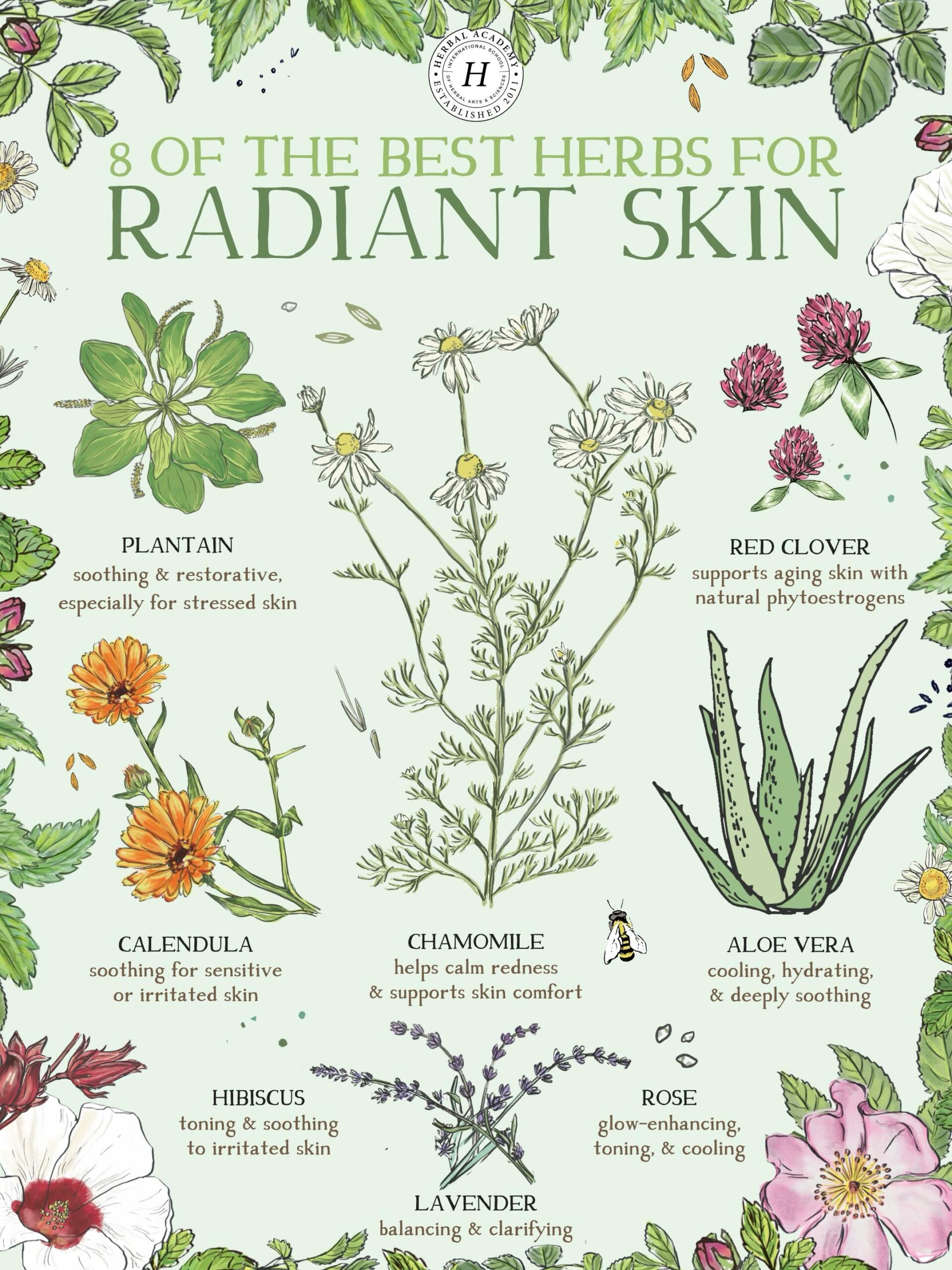
1. Rose (Rosa spp.)
The delicate petals of the rose are far more than a romantic symbol; they are a powerhouse of gentle toning and cooling support. Rich in bioflavonoids, phenolic compounds, and vitamins, rose petals encourage skin softness and a natural, luminous glow.
- Dermatological Benefits: Rose acts as a natural astringent and anti-inflammatory agent, making it exceptionally useful for tightening pores, reducing the appearance of broken capillaries, and calming puffy eyes. Its antioxidant profile makes it ideal for supporting healthy aging in mature skin.
- Notable Herbal Preparations:
- Homemade Probiotic Rose Milk Cleanser: A gentle, microbiome-friendly wash that cleanses without stripping natural oils.
- Rose Helichrysum Skin Serum: A concentrated oil blend designed to deeply nourish and restore elasticity.
- Wild Rose Undereye Firming Cream: Targets delicate skin around the eyes to diminish puffiness and fine lines.
- Pure Rose Water (Hydrosol): A refreshing facial spritz that instantly hydrates and preps the skin for serums.
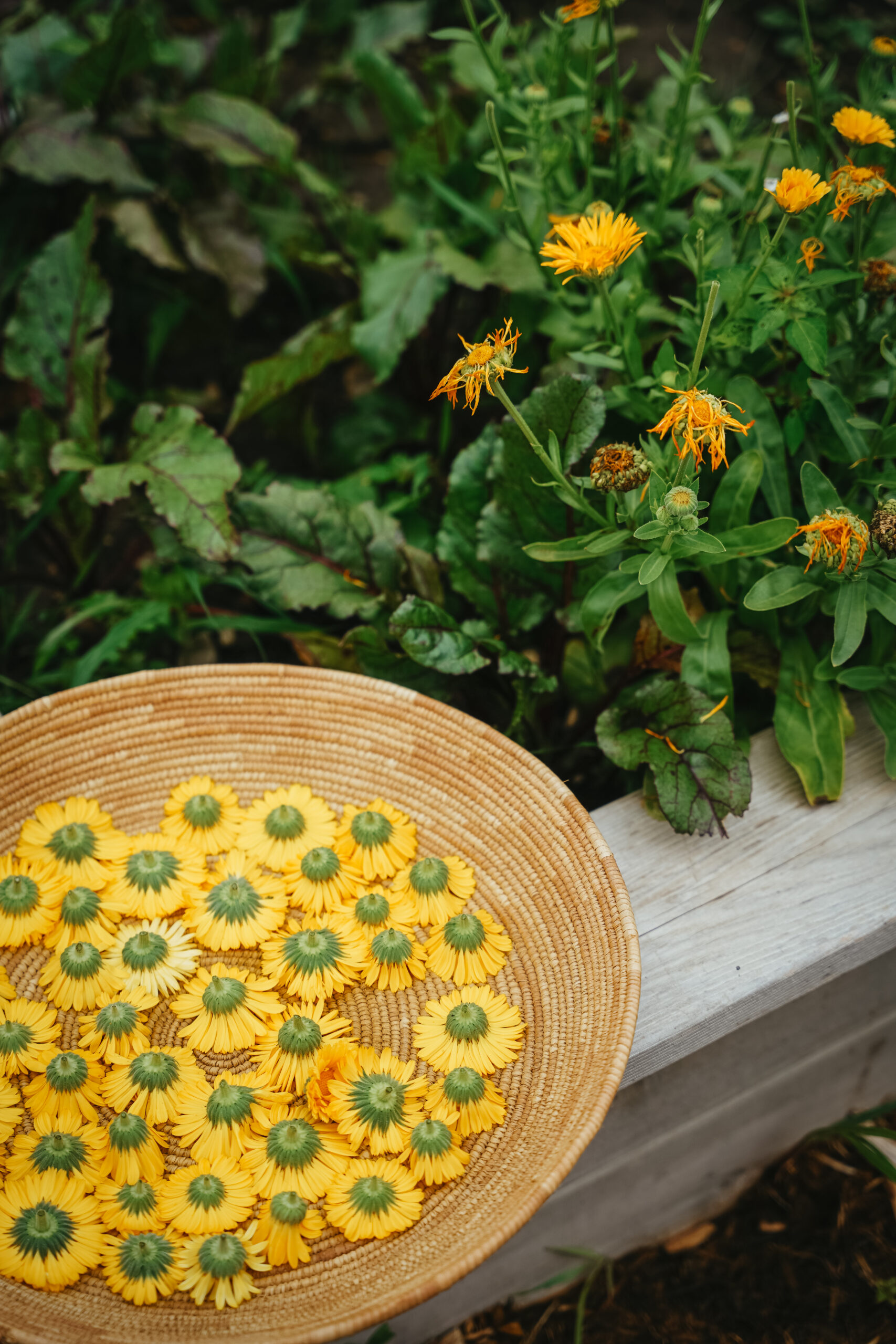
2. Calendula (Calendula officinalis)
Recognizable by its vibrant, golden-orange blossoms, calendula is one of the most trusted vulnerary (wound-healing) herbs in Western herbalism.
- Dermatological Benefits: Calendula deepens skin hydration while providing profound comfort to dry, sensitive, or delicate complexions. It accelerates cellular turnover, encourages tissue restoration, and calms systemic inflammation.
- Notable Herbal Preparations:
- Gentle Calendula Lotion: Perfect for daily use across all skin types, especially reactive or easily irritated skin.
- Shelf-Stable Calendula Cream: A richer formulation designed to shield dry, chapped, or compromised skin barriers against harsh environmental elements.
3. Plantain (Plantago spp.)
Often overlooked as a common garden weed, plantain leaf is a premier botanical ally for stressed, overworked skin requiring urgent recovery.
- Dermatological Benefits: Plantain is exceptionally high in mucilage—a complex carbohydrate that bestows an emollient, deeply moistening quality. Combined with its high allantoin content (which promotes skin cell regeneration), plantain soothes irritation, draws out impurities, and calms acute inflammatory responses.
- Notable Herbal Preparations:
- Plantain Leaf Face Mask: A soothing clay or honey-based mask that infuses the skin with vulnerary and anti-inflammatory phytonutrients.
4. Aloe Vera (Aloe barbadensis)
As a succulent native to arid climates, aloe is uniquely evolved to store water, making it a supreme hydrating agent for human skin.
- Dermatological Benefits: The inner leaf gel of the aloe plant is intensely cooling, replenishing, and soothing to overheated or sun-damaged skin. It delivers deep, non-greasy hydration, helps smooth the appearance of fine lines and wrinkles, and encourages healthy microcirculation.
- Notable Herbal Preparations:
- Aloe-Calendula Cleanser: A balanced, clarifying wash that gently removes debris while locking in moisture, suitable for oily, combination, and dry skin types alike.
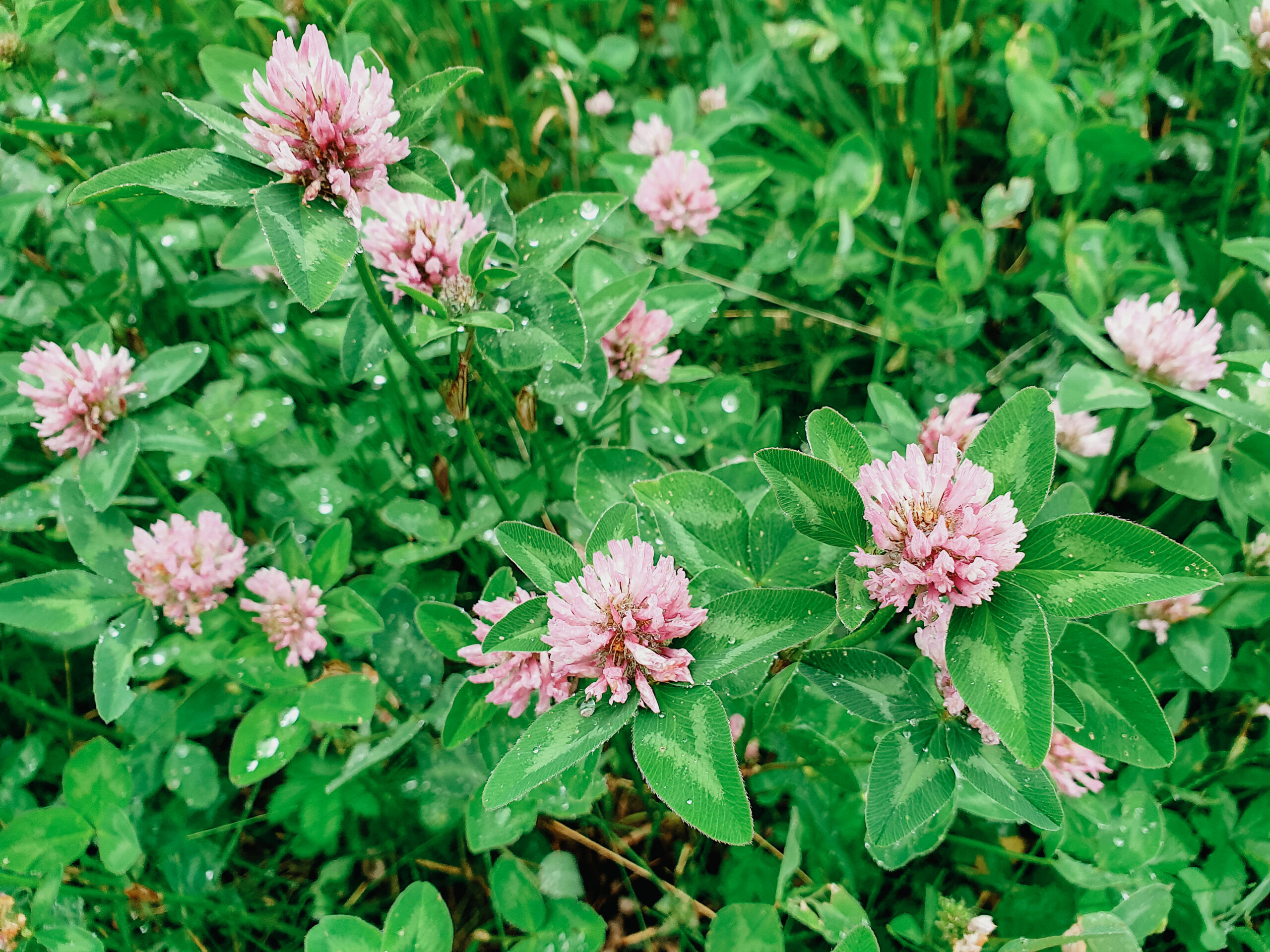
5. Red Clover (Trifolium pratense)
As the human body ages, natural hormonal shifts—specifically declining estrogen levels—can lead to thinner skin, decreased collagen density, and a higher propensity for wrinkle formation.
- Dermatological Benefits: Red clover aerial parts are packed with natural phytoestrogens (plant-based compounds that gently mimic estrogen in the body). When consumed or applied, these compounds support skin elasticity, improve moisture retention, and help maintain structural firmness in maturing skin.
- Notable Herbal Preparations:
- Red Clover Flower Tea or Tincture: Enjoyed internally to nourish the endocrine and integumentary systems from within.
6. Chamomile (Matricaria chamomilla)
Chamomile is universally celebrated as one of the gentlest yet most potent botanical remedies available in modern herbalism.
- Dermatological Benefits: Containing the active compound bisabolol, chamomile is exceptionally comforting to reactive, hypersensitive, or irritated skin. It functions as a powerful anti-inflammatory, reducing redness, soothing dry patches, and calming conditions marked by heat and itching.
- Notable Herbal Preparations:
- Herbal Bath Tea with Chamomile and Rose: Allows the skin to absorb soothing aromatics and anti-inflammatory compounds while promoting systemic relaxation.
- Chamomile Facial Steam: Opens, cleanses, and calms congested pores without stripping natural moisture.
7. Hibiscus (Hibiscus sabdariffa)
Often referred to in natural beauty circles as "nature’s botox," hibiscus calyxes are visually striking and biologically formidable.
- Dermatological Benefits: Hibiscus is exceptionally rich in natural organic acids (including alpha-hydroxy acids or AHAs) and potent anthocyanin antioxidants. These compounds gently exfoliate dead skin cells, encourage cell regeneration, and impart a vibrant, brightened, and even-toned complexion.
- Notable Herbal Preparations:
- Hibiscus Jujube Tea: A delicious, antioxidant-dense beverage that supports cellular health and internal hydration.
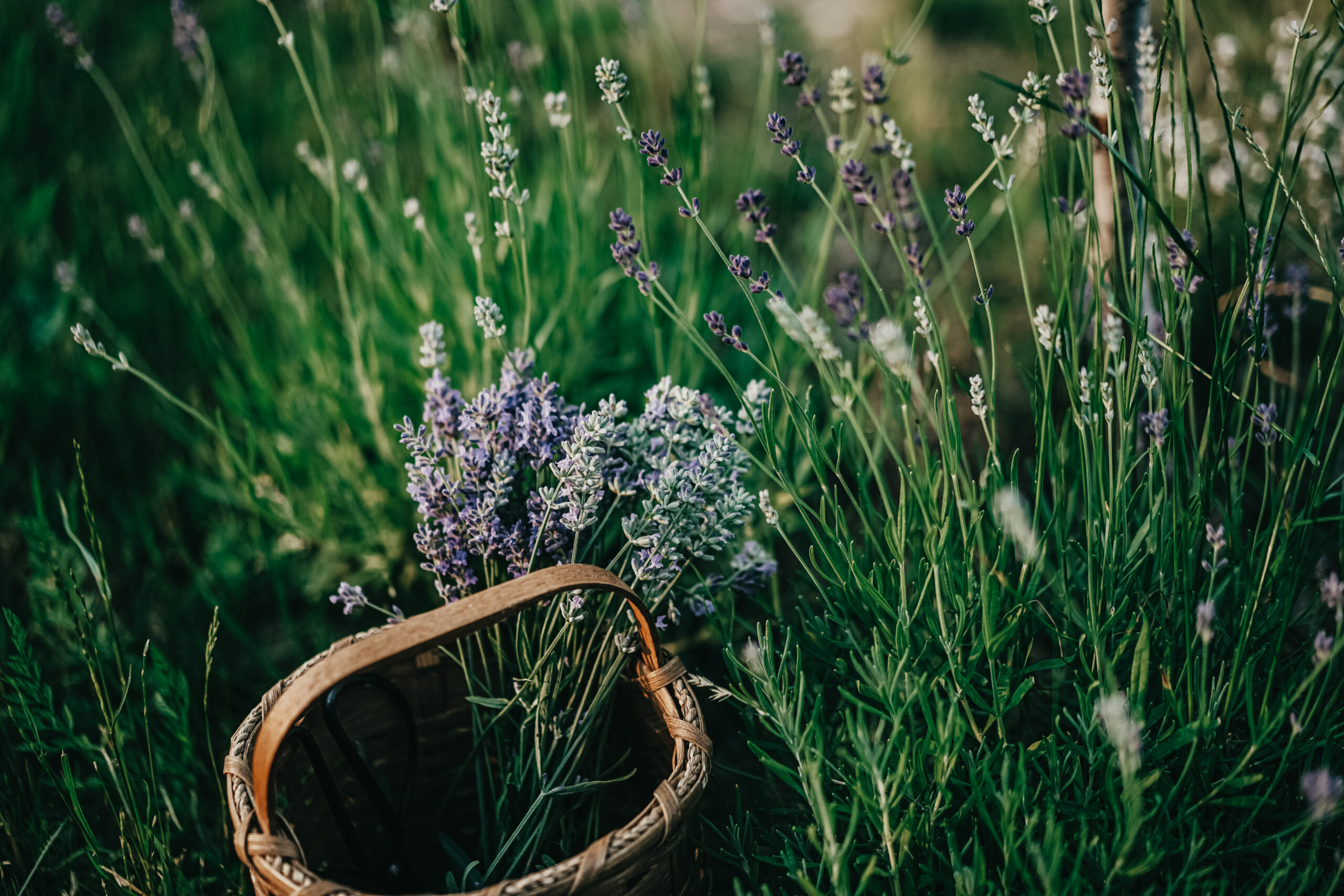
8. Lavender (Lavandula spp.)
Beyond its universally beloved, calming fragrance, lavender is a versatile botanical powerhouse for the integumentary system.
- Dermatological Benefits: Lavender flower buds offer balancing, clarifying, and cooling properties. It helps regulate sebum production across various skin types, promotes peripheral microcirculation, and visibly reduces redness and blotchiness.
- Notable Herbal Preparations:
- Lavender-Infused Oil ("Heaven in a Bottle"): A luxurious macerated oil ideal for facial massage and deep barrier repair.
- DIY Lavender Bath Salts: Soothes sore muscles while softening the skin of the body.
- Lavender Shower Steamers: Delivers aromatherapeutic steam that relaxes the mind while clearing respiratory passages and calming the senses.
Official Perspectives and Expert Responses
The integration of herbalism into modern skincare is increasingly backed by dermatological science and holistic health practitioners.
Dr. Elena Rostova, a board-certified dermatologist specializing in integrative skin health, notes: "For decades, dermatology relied strictly on synthetic isolation. However, we now recognize that plant extracts provide a complex matrix of co-factors that work synergistically with human biology. Ingredients like calendula and chamomile offer multi-targeted anti-inflammatory benefits that clinical synthetics often struggle to match without causing irritation."
Clinical herbalist and educator Marthagrace Williams emphasizes the importance of holistic synergy: "You cannot out-cream a poor diet, chronic sleep deprivation, or unmanaged psychological stress. Herbs are magnificent allies, but they are most effective when viewed as part of an overarching lifestyle commitment. When we nourish our internal terrain with whole foods and botanicals, our external radiance becomes an authentic expression of total-body wellness."
Regulatory bodies, including the U.S. Food and Drug Administration (FDA) and equivalent international agencies, remind consumers that natural ingredients are biologically active chemicals. Consequently, patch-testing new botanical formulations is strongly advised to rule out contact dermatitis or individual plant allergies, particularly for those with hyper-sensitive skin conditions.
Implications for the Future of Skincare
The paradigm shift toward botanical, herbal skincare carries profound implications for personal health, environmental sustainability, and the broader beauty economy:
- Environmental Sustainability: Unlike the petroleum-dependent synthetic cosmetic sector, regenerative herb farming promotes biodiversity, supports pollinator populations, and reduces toxic chemical runoff into global waterways.
- Personalized Empowerment: The accessibility of herbal education empowers individuals to formulate their own custom skincare remedies tailored precisely to their seasonal and physiological needs, moving away from a one-size-fits-all commercial model.
- Preventative Dermatology: By prioritizing barrier support, gentle anti-inflammatory care, and internal nourishment over aggressive chemical peels and synthetic fillers, holistic skincare encourages long-term skin resilience and graceful, healthy aging.
In Closing
Herbal allies offer breathtaking support as we navigate the lifelong journey of nourishing our bodies from the inside out. By combining intentional lifestyle habits—such as eating nutrient-dense foods, prioritizing restorative sleep, managing stress, and moving our bodies—with targeted botanical skincare, we unlock the door to sustainable, vibrant, and radiant skin.
For those eager to deepen their knowledge and begin crafting professional-grade natural skincare products at home, comprehensive educational programs—ranging from foundational botanical skincare courses to advanced natural perfumery and product preservation techniques—provide the ultimate roadmap to mastering this ancient yet ever-relevant craft.