By Global Wellness & Psychological Health Desk
Published: October 2026
Main Facts: The Modern Stress Epidemic and the Cost of Continuous Production
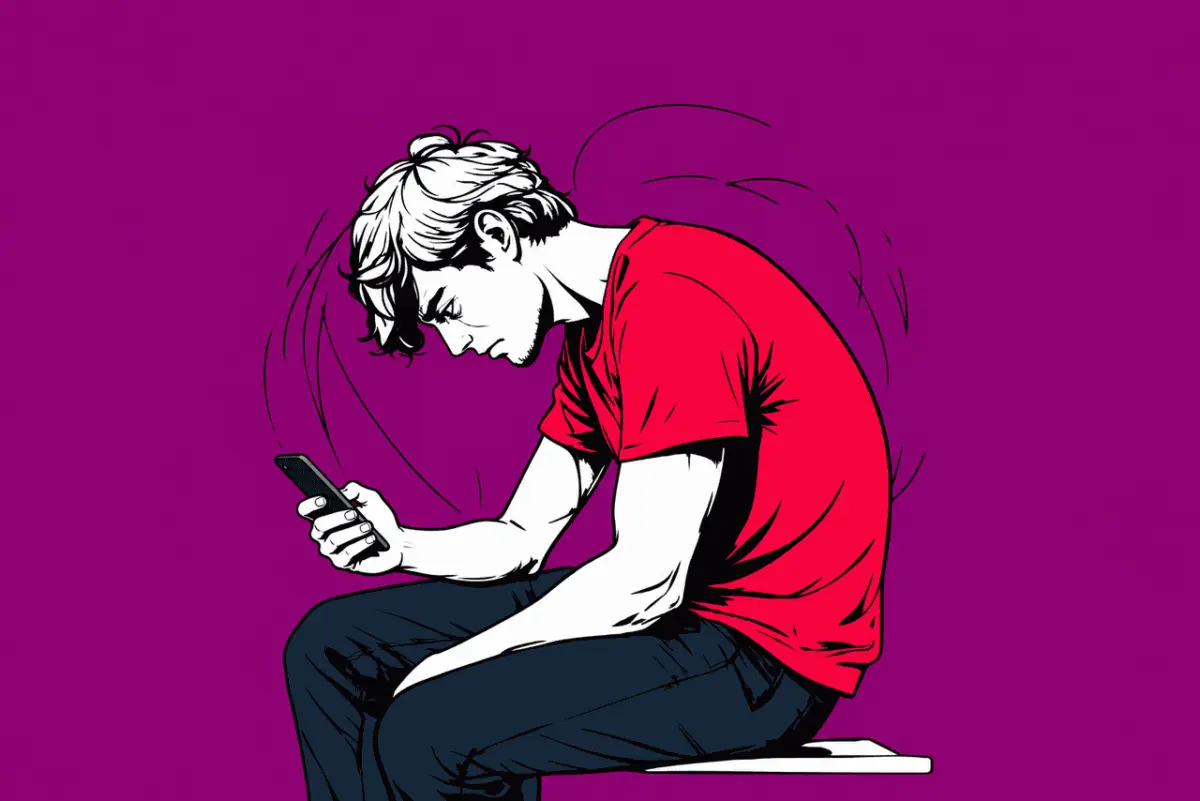
In an era defined by hyper-connectivity, remote work blurrings, and the relentless pressure to optimize every waking hour, psychological stress has transitioned from an acute occupational hazard to a chronic societal baseline. Recent public health data underscores a sobering reality: millions of adults operate on a daily threshold of emotional exhaustion, characterized by physical tension, cognitive overload, and the persistent internal narrative that rest must be "earned" through relentless productivity.
At the center of this cultural dialogue is an emerging paradigm shift championed by mental health advocates, writers, and somatic practitioners. Spearheaded by figures like author and visual storyteller Oleksandra Fomichova—creator of Under My Skin and Empath Diaries—a growing movement is challenging the conventional response to burnout. Instead of reaching for temporary digital distractions, instant gratification, or toxic positivity, this framework suggests that true nervous system recovery requires a fundamental reimagining of how we transition from the demands of the external world back into the sanctuary of the home.
The core thesis is as simple as it is radical: stress is not a personal failure or an indicator of weakness, but rather a biological signal. When left unaddressed, the modern compulsion to outrun exhaustion through endless toil creates an invisible deficit that compromises not only mental well-being, but physical health and authentic creativity.
Chronology: From the "Ice Castle" of Expectation to the Garden of Balance
To understand how modern society arrived at this crisis of chronic burnout, behavioral psychologists often examine the formative environments of contemporary adults. The narrative of modern stress is frequently rooted in early childhood conditioning—a trajectory moving from rigid expectations of perfection to the liberating rediscovery of internal balance.
Phase 1: The Architecture of Obligation
For many individuals navigating adult burnout, childhood was marked by environments where external order superseded internal emotional needs. Described by Fomichova as living in an "ice castle," these formative spaces prioritized aesthetic perfection, rigid schedules, and compulsory achievement. In these environments, children are frequently taught that emotional expression is an inconvenience. Complaining or expressing fatigue is met with institutionalized stoicism: phrases like "You have to endure it; that’s how everyone lives" establish a lifelong pattern of overriding bodily signals in favor of external expectations.
Phase 2: The Counter-Balance of Intuitive Living
Conversely, psychological resilience is often forged in counter-environments—spaces characterized by warmth, sensory engagement, and unstructured freedom. Remembering formative experiences in a grandmother’s unpretentious, creative household reveals an alternative model of existence. In these spaces, creation replaced production. Cooking was driven by appetite rather than obligation; art and gardening were pursued for joy rather than algorithmic validation. Sleeping under the stars in a summer garden taught a nervous system vital lessons that formal education often omits: that safety, inspiration, and presence are more vital to human flourishing than perpetual motion.
Phase 3: The Adult Awakening and the Mask of "I’m Fine"
As children molded by rigid environments transition into the workforce, they frequently internalize the demand for constant performance. The coping mechanism of choice becomes the emotional mask—the automatic utterance of "I’m fine" even when navigating profound emotional deficits. Over time, repressed emotions do not vanish; they transmute into chronic anxiety, physical ailments, and emotional numbness. The turning point typically occurs in mid-adulthood, when the individual realizes that the endless race of productivity yields diminishing returns, prompting a conscious dismantling of inherited coping mechanisms.
Supporting Data: The Psychological and Physiological Toll of Modern Distraction
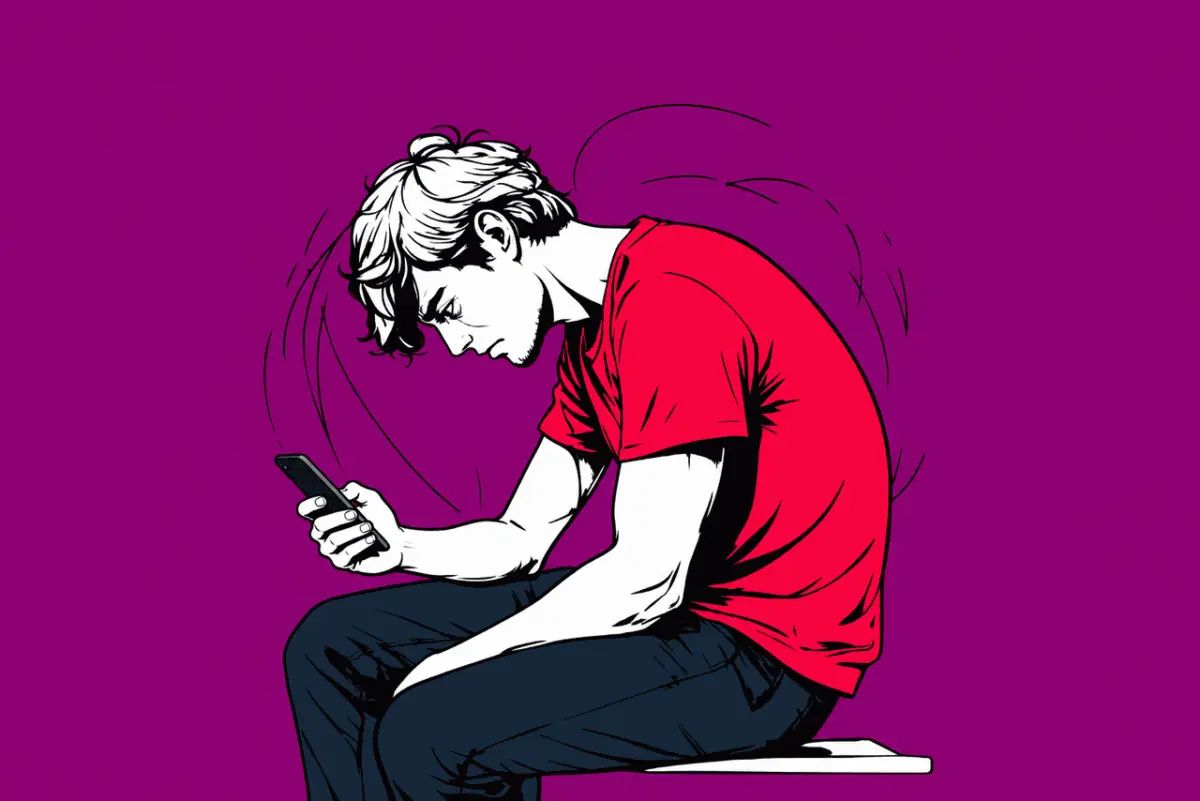
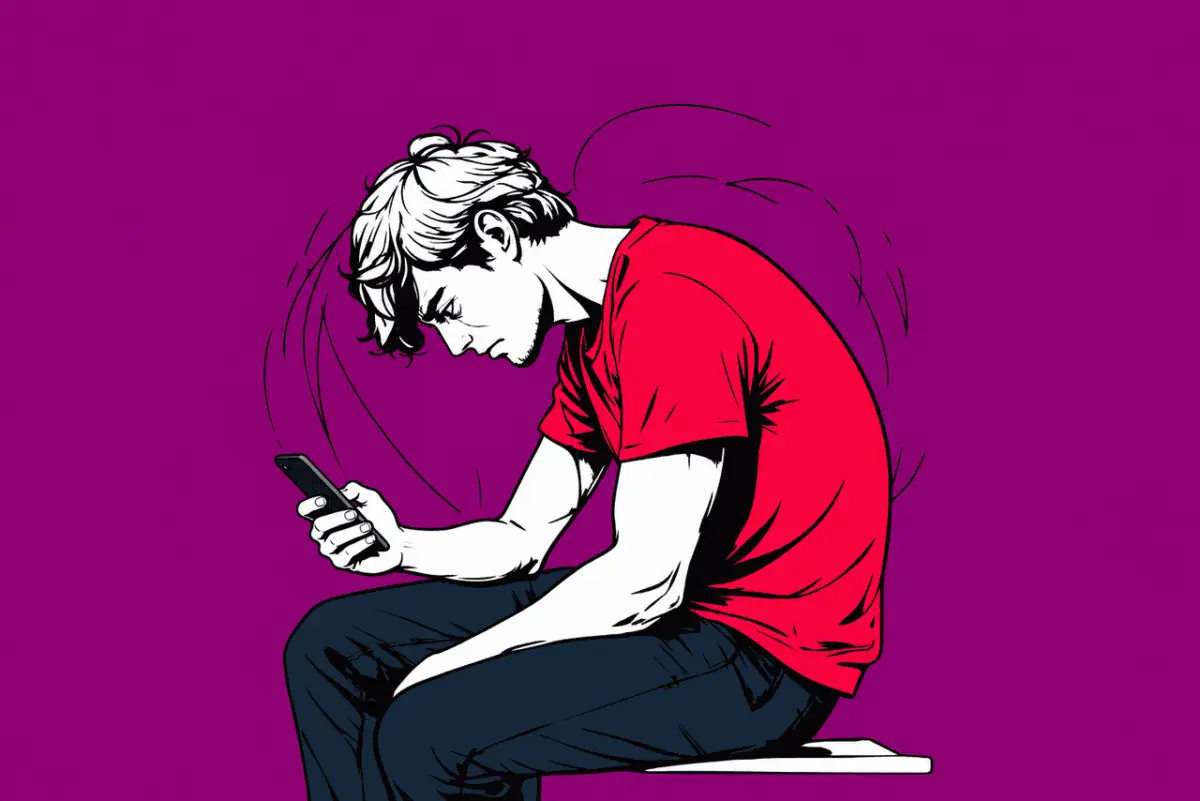
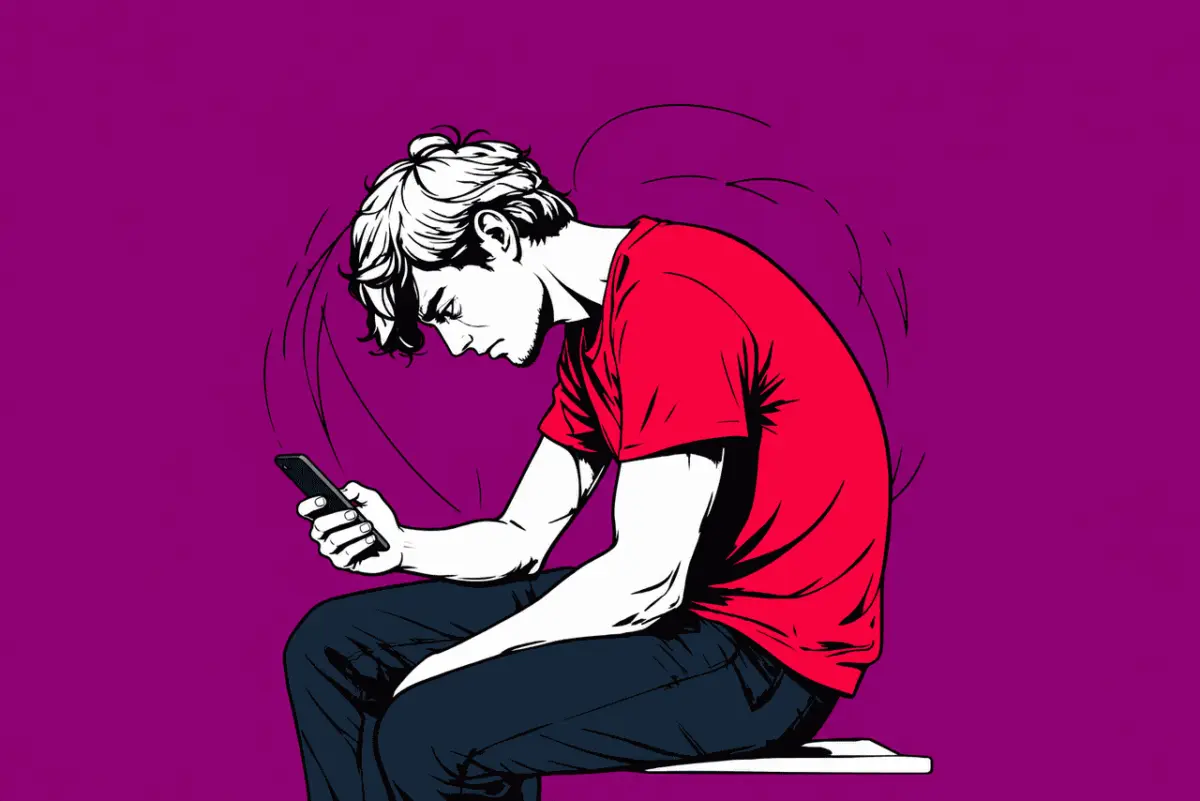
The cultural habit of reaching for digital distractions after a grueling workday has been extensively studied by neuroscientists and behavioral economists alike. Far from being neutral pastimes, platforms designed around infinite scroll mechanics actively hijack the human nervous system.
- Cognitive Fatigue Accumulation: Studies in neurobiology indicate that switching from high-stress cognitive tasks to passive, high-stimulation media consumption prevents the brain’s default mode network (DMN) from engaging in authentic restorative processing. Instead of resting, the brain remains in a state of vigilant processing, attempting to parse an algorithmic flood of strangers’ opinions and unrelated content.
- The Illusion of Recovery: Behavioral research shows that instant-relief habits—such as binge-watching television, compulsive online shopping, or late-night scrolling—serve as psychological analgesics. They do not resolve the underlying cortisol and adrenaline spikes associated with a stressful day; they merely postpone emotional processing, leading to cumulative sleep debt and heightened morning cortisol levels.
- The Productivity Trap: According to occupational wellness surveys, over 68% of professionals report feeling guilty when engaging in unstructured rest. This data points to a systemic cultural pathology: the conflation of human worth with economic output. When rest is treated as a transactional reward rather than a biological imperative, the threshold for burnout drops precipitously, resulting in widespread emotional blunting and diminished creative output.
Official Responses and Expert Perspectives: Redefining Nervous System Regulation
Mental health professionals, somatic therapists, and wellness advocates are increasingly aligning around non-pharmacological, holistic approaches to stress recovery. Rather than focusing solely on time management or professional boundaries, the clinical focus has shifted toward somatic safety and nervous system co-regulation.

Clinical Insights on Emotional Suppression
Licensed psychotherapists emphasize that emotional suppression—the adult equivalent of hiding tears behind a forced smile—creates somatic blockages. When individuals continuously deny their emotional states, the body registers this denial as a persistent threat, keeping the sympathetic nervous system locked in a low-grade fight-or-flight response.
"Healing does not begin when we successfully paste a positive affirmation over our grief or exhaustion," notes a leading somatic integration specialist. "True psychological recovery begins the moment an individual allows themselves to utter the unvarnished truth: ‘Today was hard.’ Acknowledging pain is an act of profound self-preservation, not weakness."
The Shift Toward Micro-Rituals
In response to the clinical limitations of complex self-care regimes, contemporary wellness frameworks advocate for "micro-rituals"—low-stimulation, sensory-grounding practices that signal safety to the vagus nerve. These include:
- The Ten-Minute Pause: Engaging in absolute stillness, free from screens, audiobooks, or intentional productivity, allowing the brain to process ambient stimuli without pressure.
- Sensory Grounding: Utilizing tactile and thermal shifts, such as warm baths, showers, or spending brief, quiet moments near green spaces and moving water, which naturally lowers heart rate variability (HRV).
- Inner-Child Re-parenting: A psychological technique where adults consciously treat their exhausted selves with the same tenderness, warm nourishment, and patience they would offer a tired child, effectively dismantling the internal taskmaster that demands endless labor.
Implications: Reclaiming Creativity, Authenticity, and the Right to Rest
The implications of this cultural shift extend far beyond individual stress management; they challenge the foundational pillars of modern economic and creative structures.
1. Transforming the Creative Landscape
When creators, writers, and professionals break free from the algorithmic hamster wheel of production, the nature of their output changes. As Fomichova observes through her own artistic evolution, working to satisfy external expectations results in polished content that lacks soul. Conversely, when creativity is fueled by genuine recovery and emotional authenticity, art becomes "alive" and resonant. Reclaiming rest is, therefore, a prerequisite for cultural innovation.
2. Redefining Workplace Culture and Leadership
Organizations that recognize stress as a signal of system failure rather than individual inadequacy are beginning to experiment with structural reforms. By normalizing conversations around mental health, eliminating the pressure for performative availability, and respecting boundaries between work and home, forward-thinking enterprises are discovering that rested employees exhibit higher long-term engagement, lower turnover rates, and superior problem-solving capabilities.
3. Cultivating Generational Resilience
Perhaps the most profound implication lies in parenting and generational transmission. Adults who unlearn the compulsion to sacrifice their well-being for the sake of appearances pass down a fundamentally different psychological inheritance to their children. By teaching the next generation that emotions are valid, that rest is non-negotiable, and that every morning offers a clean sheet of paper, society lays the groundwork for a more compassionate, emotionally resilient future.
Conclusion: Coming Home to Yourself
As the external world continues to demand faster movement, constant availability, and relentless achievement, the antidote remains quiet, persistent, and radical. The to-do list will inevitably renew itself with each sunrise. The notifications will continue to chime.
However, the human nervous system cannot be negotiated with through brute force. True recovery is not an indulgence to be earned after the final email is sent or the last chore is completed; it is the foundational soil from which authentic living grows. By abandoning the frantic pursuit of instant distraction, acknowledging emotional realities without shame, and treating the self with radical gentleness, individuals can finally step off the treadmill of endless production.
In doing so, they discover a profound and enduring truth: healing does not require becoming tougher or more resilient to pain. It simply requires becoming the safe, compassionate home we have been searching for all along—ready to begin each new day not with the crushing weight of yesterday, but with the quiet promise of a clean sheet of paper.