





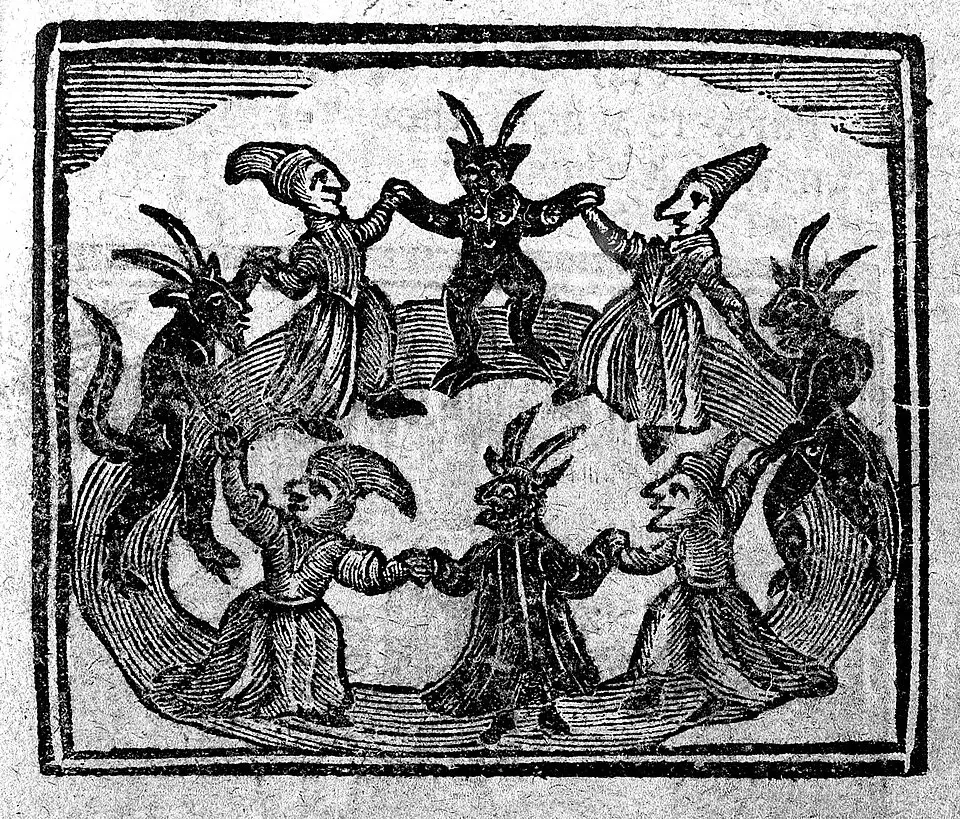
LONDON — In a cultural landscape increasingly defined by eclectic personal spiritualities rather than organized religion, the Evangelical Alliance in the United Kingdom (EAUK) has released a targeted resource aimed at addressing what it views as a growing theological challenge.
The 36-page guide, titled Spiritual Curiosity: A Christian Guide to Understanding the World of Crystals, Manifesting, Tarot and Sharing Faith in This Moment, was officially published on September 3. It serves as an evangelistic toolkit designed to help conservative Christians navigate, understand, and ultimately counter the rising mainstream visibility of Witchcraft, astrology, tarot, and alternative spiritual practices.
Rather than dismissing these movements as marginal or fleeting, the EAUK’s new initiative acknowledges a profound shift in modern secular society: individuals are moving away from traditional religious institutions, yet their appetite for the transcendent remains remarkably high.
Main Facts
The core of the EAUK’s publication rests on the observation that the cultural baseline of Western secularism has fundamentally changed. The debate is no longer solely about whether God exists, but rather, which god or spiritual framework individuals choose to align with.
- The Scope of the Guide: Released in early September, Spiritual Curiosity addresses a wide array of esoteric and alternative practices, including astrology, angel numbers, chakras, crystals, karma, manifesting, mediums, psychics, psychedelics, tarot, and the viral social media phenomenon known as "WitchTok."
- The Taxonomic Challenge: The guide collapses disparate historical, cultural, and theological traditions—such as contemporary Witchcraft, historical Spiritualism, and modern manifestation techniques—under a generalized "New Age" or alternative spirituality banner, despite these practices frequently stemming from entirely unrelated lineages.
- The Strategic Shift: Rather than responding with outright hostility or fear-mongering, the Evangelical Alliance urges its adherents to engage spiritually curious individuals with confidence, treating the widespread fascination with alternative spirituality as an opening for Christian evangelism.
- The Theological Boundary: While advocating for respectful dialogue, the guide maintains a hardline theological stance: it warns Christians against blending traditional faith with alternative practices, declaring that adherents "cannot hold Christ in one hand and New Age practices in the other."
Chronology of Events
The release of Spiritual Curiosity is part of an ongoing conversation within conservative religious circles regarding the secularization and resacralization of the West.
- Early 2020s: Alternative spiritualities experience a massive surge in public visibility, heavily amplified by social media platforms like TikTok, mainstream celebrity endorsements, and the commercialization of wellness culture. Practices such as tarot reading and crystal healing transition from fringe subcultures to mainstream lifestyle trends.
- September 3, 2026: The Evangelical Alliance in the U.K. officially publishes Spiritual Curiosity, positioning the booklet as a practical response to the changing spiritual demographics of the nation.
- October 2, 2026: Writing in Premier Christianity, former New Age practitioner Laura Maxwell publishes a review and commentary praising the EAUK guide while introducing significantly sharper, more adversarial rhetoric regarding alternative spiritualities, characterizing them as "demonic-empowered."
- October 7, 2026: Media coverage and community analysis expand across alternative and minority religious news outlets, highlighting the implications of the EAUK’s strategy for modern Pagans, Witches, and independent esoteric practitioners.
Supporting Data and Cultural Context
The publication of Spiritual Curiosity does not happen in a vacuum. It responds to measurable shifts in how contemporary populations—particularly younger demographics—interact with the sacred.
Sociological trends over the past decade point to a steady decline in institutional church attendance across the U.K. and North America, paired with a simultaneous rise in individuals identifying as "spiritual but not religious" (SBNR). Mainstream culture has actively normalized esoteric practices. Tarot cards are sold in mainstream retail chains, wellness influencers routinely advocate for crystal grids and manifestation rituals, and high-profile celebrities openly embrace the label of "witch."
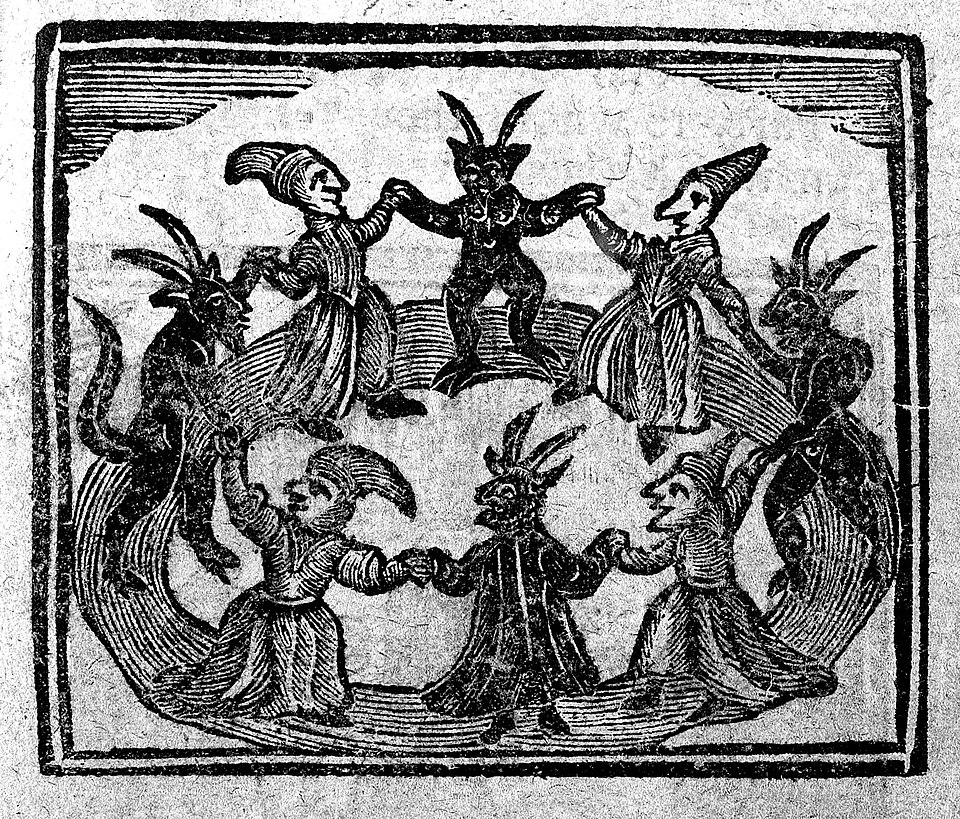
Katherine Brown, co-lead of the EAUK’s "Being Human" initiative, highlighted several cultural touchpoints during the rollout of the guide. She pointed to the popularity of psychic nights at local pubs, mainstream media discussions surrounding the law of attraction, and public figures—such as pop star Ariana Grande—freely describing themselves as witches.
These cultural markers demonstrate to the Evangelical Alliance that spiritual language and metaphysical concepts have successfully reintegrated into the public square. For the EAUK, this mainstreaming represents both an alarming spiritual hazard and an unprecedented missionary field.
Official Responses and Perspectives
Reactions to the publication have highlighted a distinct spectrum of thought within conservative Christian communities, as well as cautious observation from the alternative religious sector.
The Evangelical Alliance Perspective
The EAUK frames the guide as an exercise in cultural literacy and pastoral readiness. Katherine Brown emphasized that Christians should abandon fear in favor of proactive, confident engagement.
"Rather than being fearful as Christians, we should be confident that we have good news and a better story to offer a searching and spiritually open culture," Brown noted in promotional materials for the booklet. The organization encourages believers to listen to the existential and spiritual questions driving people toward alternative practices, using those inquiries as a bridge to present the Gospel.
Hardline Theological Interpretations
While the EAUK guide promotes conversational engagement, some prominent voices within the evangelical sphere have adopted a much more confrontational posture.
In her October 2 commentary for Premier Christianity, Laura Maxwell—a former practitioner of alternative spiritualities—praised the EAUK’s resource while warning of severe spiritual risks. Maxwell categorized practices such as yoga, meditation, astrology, and energy healing as "demonic-empowered." Furthermore, she argued that churches must prepare themselves to offer "deliverance ministry" to individuals transitioning away from Witchcraft and the New Age, recounting anecdotal claims of spiritual attacks and demonic manifestations.

Observers note that Maxwell’s commentary reflects a strain of spiritual warfare theology that views alternative religions not merely as theological errors, but as active sites of dark spiritual forces.
The Pagan and Esoteric Viewpoint
For modern Pagans, Witches, and esoteric practitioners, the publication of Spiritual Curiosity is viewed with a mixture of amusement, fatigue, and watchfulness.
The EAUK’s framework relies heavily on archaic biblical prohibitions against divination and mediumship, lumping diverse, autonomous modern belief systems into a monolithic category. Critics point out that defining practices like contemporary Witchcraft—which often emphasizes personal autonomy, nature reverence, and psychological self-determination—through an evangelical theological lens fundamentally misrepresents what these paths mean to their practitioners.
However, minority religious communities also recognize the significance of the shift. The Evangelical Alliance has correctly identified that secularization has not led to the eradication of religion, but rather to its decentralization.
Implications
The release of Spiritual Curiosity carries several long-term implications for both traditional religious institutions and minority spiritual communities:
- Normalization of Alternative Spirituality: By dedicating institutional resources to address tarot, crystals, and Witchcraft, major religious bodies like the EAUK are officially conceding that alternative spiritualities are a permanent fixture of modern culture rather than a passing fad.
- A Shift in Evangelical Tactics: Traditional confrontational evangelism is increasingly being replaced by contextualized approaches. By teaching believers to understand the specific vernacular of modern spirituality (such as "manifesting" or "energy work"), evangelical organizations are attempting to bridge the gap with an increasingly secularized populace.
- Increased Cultural Friction: As conservative Christian groups ramp up efforts to evangelize alternative practitioners—while simultaneously categorizing their beliefs as spiritually dangerous or spiritually compromised—interfaith friction is likely to increase, particularly in digital spaces and local communities where alternative wellness and conservative faith overlap.
Ultimately, the Evangelical Alliance and contemporary Pagans find themselves looking at the exact same cultural horizon. They agree that modern people are spiritually hungry, disillusioned with old structures, and actively seeking meaning beyond the material world. Where they fundamentally diverge is in their vision for humanity’s spiritual future—a divergence that Spiritual Curiosity ensures will remain a central point of cultural negotiation for years to come.