





LONDON — In an era marked by a sharp decline in institutional religious adherence alongside a surging fascination with the esoteric, the Evangelical Alliance in the United Kingdom (EAUK) has taken a decisive step. The prominent conservative Christian network has released a 36-page guide titled Spiritual Curiosity: A Christian Guide to Understanding the World of Crystals, Manifesting, Tarot and Sharing Faith in This Moment.
Published on September 3, the pamphlet seeks to bridge a widening gap in the contemporary cultural landscape. It provides evangelical Christians with a functional framework to understand, interpret, and ultimately evangelize individuals engaging with what the Alliance terms "New Age" practices and contemporary Witchcraft.
However, the guide’s publication has illuminated deeper fault lines. While the EAUK advocates for a measured, pastoral approach rather than outright hostility, fringe and conservative commentators have seized upon the release to double down on alarmist rhetoric, framing alternative spiritualities as spiritually hazardous or even demonic. For minority religious communities—including Pagans, Witches, and independent practitioners—the guide serves as both a sign of shifting cultural realities and a reminder of the persistent evangelical ambition to convert them.
Main Facts
The core of the Evangelical Alliance’s new initiative rests on the recognition that Western society is not becoming strictly secularized, but rather spiritually diverse and decentralized.
- The Publication: Released on September 3, Spiritual Curiosity is designed as a short, practical toolkit for Christians. It defines contemporary alternative spiritualities, analyzes the current cultural moment, offers a biblical critique of these practices, and outlines strategic evangelistic responses, complete with anecdotal testimonials of individuals who left these practices for Christianity.
- Target Practices: The guide categorizes a sweeping array of beliefs and cultural phenomena under its umbrella. These include astrology, angel numbers, chakras, crystals, karma, manifesting, mediums, psychics, psychedelics, tarot, and "WitchTok"—the viral, algorithm-driven occult subculture flourishing on TikTok.
- The Cultural Shift: The EAUK emphasizes that the fundamental theological question for many modern seekers is no longer "Does God exist?" but rather "Which god?"
- The Dual Approach: The guide attempts a nuanced dual strategy. It warns believers that alternative spiritual practices are incompatible with orthodox Christianity and spiritually dangerous. Simultaneously, it urges Christians to replace fear with confidence, presenting mainstream cultural fascination with the esoteric as a golden opportunity for relational evangelism.
Chronology of Events
To understand how the EAUK’s initiative developed and gained traction, it is helpful to trace the timeline leading up to its release and the immediate public reaction within religious media:
- Pre-2026 (The Cultural Buildup): Over several years, alternative spiritualities steadily creep into the mainstream. Pop culture figures—ranging from musical artist Ariana Grande publicly identifying as a "literal witch" to mainstream celebrities discussing manifestation and energy healing—normalize esoteric language. Concurrently, online platforms like TikTok birth "WitchTok," introducing millions of younger users to tarot, spellwork, and crystal grids.
- September 3, 2026: The Evangelical Alliance in the U.K. officially launches Spiritual Curiosity: A Christian Guide to Understanding the World of Crystals, Manifesting, Tarot and Sharing Faith in This Moment. The text immediately begins gaining traction within conservative Christian networks and leadership circles.
- October 2, 2026: Writing in Premier Christianity, former New Age practitioner Laura Maxwell publishes a supportive review of the guide. However, Maxwell escalates the rhetoric significantly, labeling practices like yoga, tarot, and energy healing as "demonic-empowered" and calling for specialized deliverance ministries within the church.
- October 7, 2026: Media outlets specializing in minority religions, such as The Wild Hunt, report on the release, analyzing the implications of the evangelical pivot toward modern Paganism and alternative spiritualities.
Supporting Data and Cultural Context
The release of Spiritual Curiosity does not occur in a vacuum. It responds to quantifiable shifts in how citizens, particularly younger demographics, construct their personal belief systems.
Sociological data across the U.K., United States, and broader Western world consistently indicate a steep decline in traditional church attendance and formal religious affiliation. Yet, this secularization has run parallel to a booming wellness and esoteric economy. Industry analysts frequently point to the multi-billion-dollar global market for crystals, astrology apps, meditation retreats, and life coaching as evidence of a massive decentralized spiritual market.
The EAUK’s guide explicitly calls attention to this phenomenon. Katherine Brown, co-lead of the Alliance’s "Being Human" initiative, pointed to mainstream touchstones—such as psychic nights hosted in local pubs and high-profile celebrity interviews centering on manifestation—to illustrate how pervasive spiritual vocabulary has become.
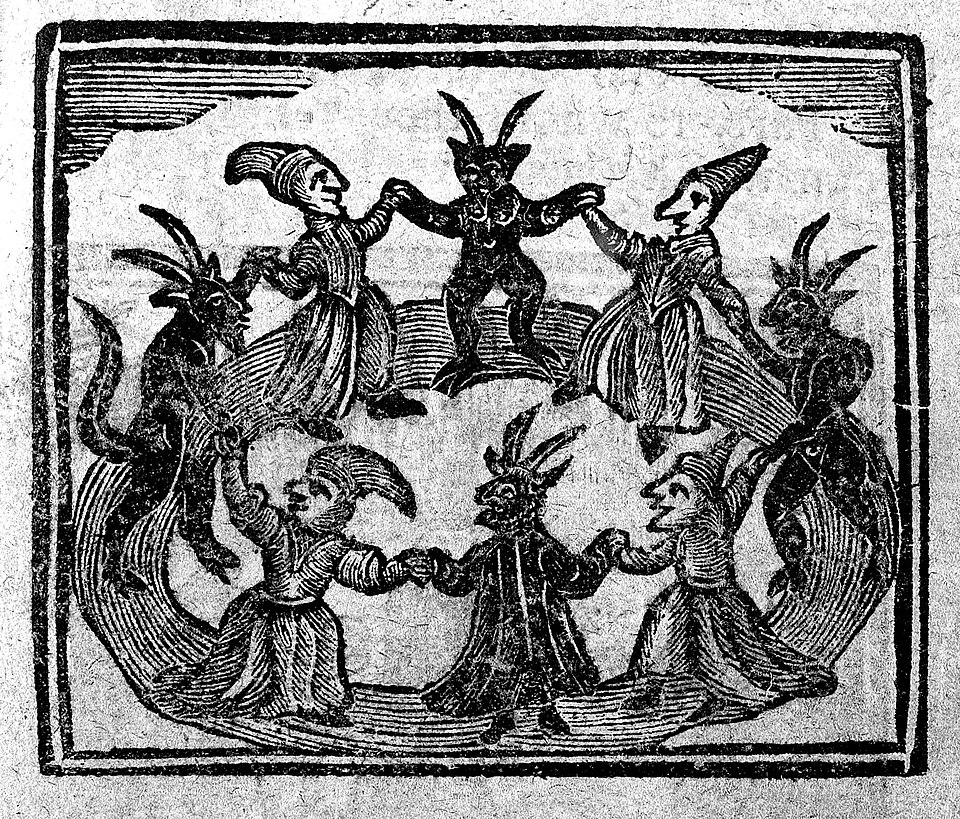
Furthermore, the guide acknowledges a vital nuance often missed by traditional religious gatekeepers: many people participating in these practices do not subscribe to a single, unified dogma. A person might pull tarot cards on Tuesday, wear rose quartz for emotional healing on Wednesday, and consult an astrology app on Thursday without ever stepping foot inside an organized Pagan coven or identifying as a "New Age practitioner." They simply describe themselves as "spiritual."
Official Responses and Internal Christian Tensions
While the Evangelical Alliance has framed its pamphlet as a call for empathetic, confident dialogue, the broader Christian response reveals a distinct ideological spectrum ranging from pragmatic evangelism to theological alarmism.
The Evangelical Alliance’s Stance
The EAUK’s official materials stress that the contemporary spiritual seeker is often disillusioned with institutional religion, weary of dogmatic authority, yet genuinely hungry for transcendence. Consequently, the Alliance warns against responding with knee-jerk condemnation or fear.
"Rather than being fearful as Christians, we should be confident that we have good news and a better story to offer a searching and spiritually open culture," stated Katherine Brown.
However, this pastoral outreach is tethered to an uncompromising theological baseline. The guide draws upon traditional biblical prohibitions against divination and mediumship, asserting that the spiritual realm is not morally neutral. Quoting the central thesis of the booklet: "You cannot hold Christ in one hand and New Age practices in the other." The text maintains that alternative paths are fundamentally opposed to the teachings of Jesus.
The Hardline Perspective: Laura Maxwell and "Spiritual Warfare"
The inherent tension within conservative Christian strategies became starkly visible shortly after publication. In an October 2 commentary for Premier Christianity, Laura Maxwell—a former practitioner of alternative spirituality turned evangelical speaker—praised the EAUK guide while pushing the narrative into more aggressive territory.
Maxwell characterized a wide swath of non-Christian practices, including yoga, meditation, energy healing, and astrology, as "demonic-empowered." Moving beyond simple evangelism, she argued that churches must actively prepare for "spiritual warfare" and provide deliverance ministries to cleanse new converts of lingering demonic attachments supposedly acquired through Witchcraft and alternative healing modalities.
This divergence highlights a deep internal debate among conservative Christians: whether to treat alternative spirituality as a cultural misunderstanding to be corrected through polite conversation, or as an active manifestation of malevolent spiritual forces requiring exorcism-adjacent interventions.

Implications for Pagan and Alternative Communities
For minority religious groups—including Witches, Pagans, Wiccans, Druids, and independent esoteric practitioners—the release of Spiritual Curiosity and the conversations surrounding it carry several important implications.
1. Validation of Growth and Cultural Relevance
For decades, modern Pagan and magical communities operated on the fringes of society, often facing severe social stigma, misunderstanding, or marginalization. The fact that a major institutional body like the Evangelical Alliance has dedicated a specialized publication to mapping, analyzing, and countering these practices demonstrates that modern alternative spirituality can no longer be dismissed as a fleeting fad. Major religious institutions now recognize that the esoteric marketplace poses a direct competitive challenge to their own membership retention.
2. The Persistence of Supersessionism and Paternalism
While the EAUK advises its members to be polite and avoid overt hostility, the underlying premise of Spiritual Curiosity remains fundamentally supersessionist. Practitioners of tarot, astrology, and Witchcraft are not viewed as adherents of legitimate, autonomous religious traditions with their own historical validity and ethical frameworks. Instead, they are cast as "spiritually curious" consumers who have temporarily lost their way and are desperately waiting to be rescued by orthodox Christianity.
3. Safety and Public Perception
The amplification of hardline rhetoric—such as claims that yoga, meditation, and crystals invite demonic possession—poses ongoing challenges for practitioners living in conservative areas. When mainstream Christian outlets platform narratives warning of demonic infiltration via alternative wellness practices, it can fuel paranoia, social ostracization, and, in extreme cases, harassment against individuals perceived as practicing witchcraft or alternative spirituality.
Looking Ahead
As Western societies continue to navigate the complex interplay between secularization, institutional religious decline, and the explosion of decentralized spirituality, the battle for hearts and minds is intensifying. The Evangelical Alliance’s new guide is not merely an internal educational tool; it is a strategic salvo in an ongoing cultural war.
For Pagans and alternative practitioners, the publication serves as a clear indicator: the mainstream religious establishment is watching closely, adapting its methods, and preparing to compete aggressively for the modern spiritual seeker.