By Global Health & Nutrition Desk
Published: November 2023 / Updated for Comprehensive Review
Main Facts
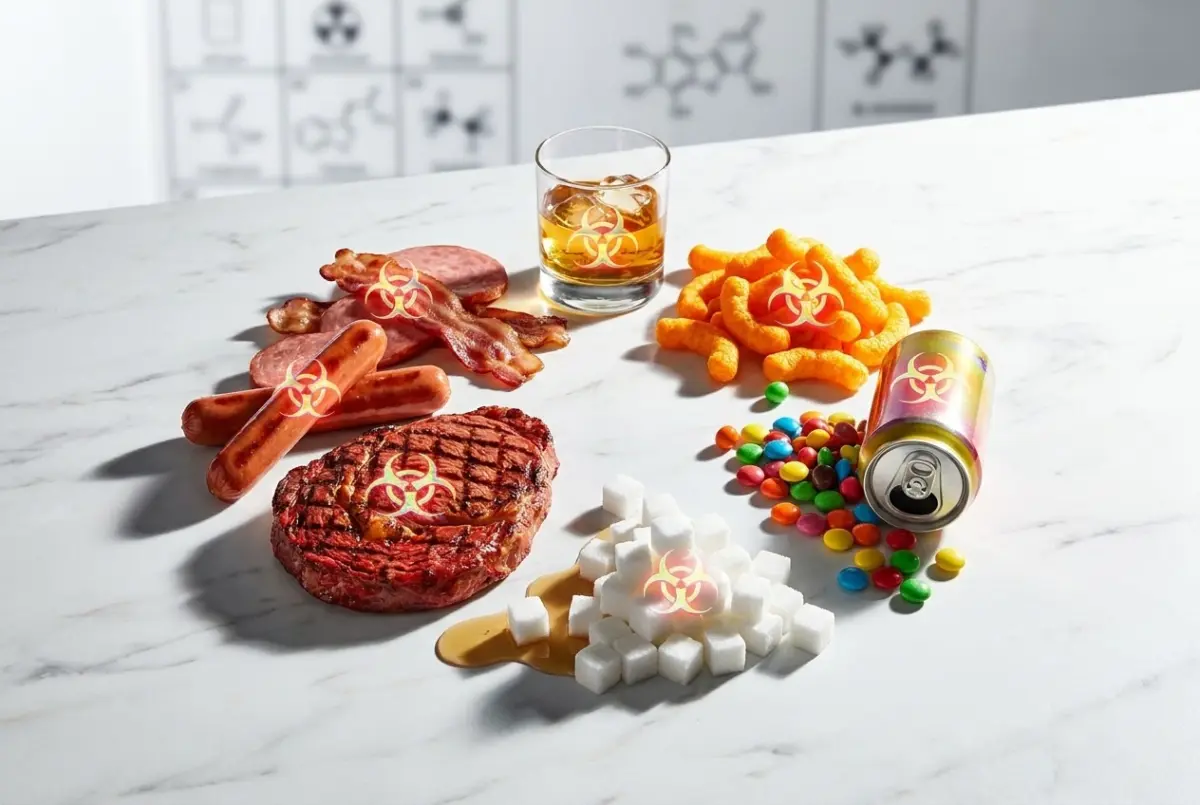
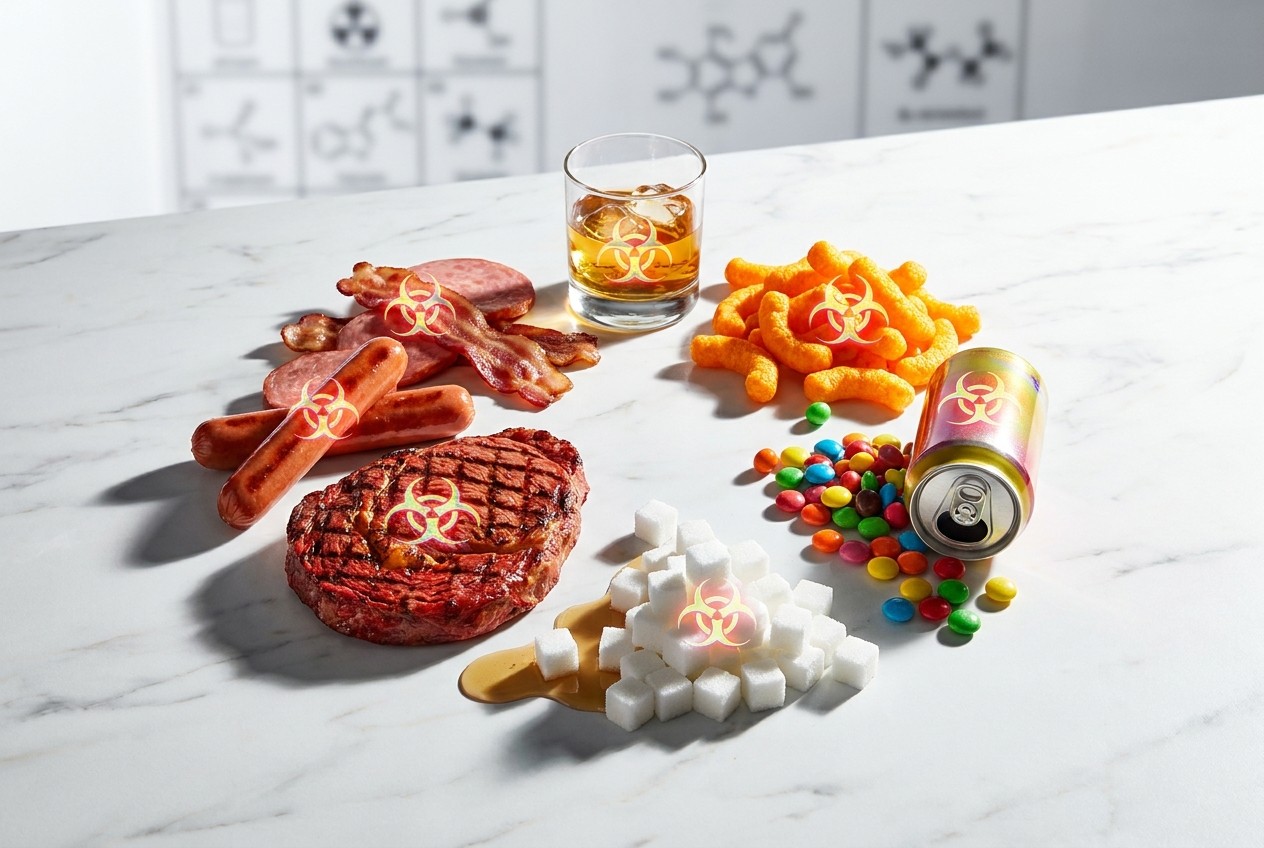
The connection between daily dietary patterns and long-term health outcomes has transitioned from a subject of general nutritional interest into a cornerstone of modern oncology. According to a medically reviewed advisory released by the University of Texas MD Anderson Cancer Center, clinical dietitian Alyssa Tatum has identified five distinct food and beverage categories closely linked to an elevated risk of cancer development.
The guidance arrives at a critical juncture in public health research. Comprehensive epidemiological studies—including a widely cited analysis published in JNCI Cancer Spectrum—estimate that approximately 5% of the total cancer burden in the United States may be directly attributable to poor dietary habits. This positions nutritional choices as a significant, yet modifiable, risk factor alongside tobacco use, physical inactivity, and occupational hazards.
Tatum’s framework categorizes the primary dietary culprits as red meat, processed meat, alcohol, ultra-processed foods and beverages, and added sugars. Rather than advocating for radical, unsustainable lifestyle overhauls, the MD Anderson guidelines offer a nuanced roadmap for risk reduction, emphasizing moderation, mindful sourcing, and the integration of whole, nutrient-dense foods.
Chronology: The Evolution of Dietary-Cancer Research
To understand the weight of modern clinical recommendations, it is helpful to examine how nutritional oncology has evolved over the past several decades:
- Late 20th Century: Early epidemiological observations begin linking high consumption of preserved and red meats to rising rates of colorectal cancer in Western industrialized nations.
- 2015: The International Agency for Research on Cancer (IARC), an arm of the World Health Organization (WHO), classifies processed meat as a Group 1 carcinogen (carcinogenic to humans) and red meat as a Group 2A carcinogen (probably carcinogenic to humans).
- November 2, 2023: MD Anderson Cancer Center publishes Alyssa Tatum’s clinical breakdown of the five primary dietary risk factors, introducing actionable, patient-friendly guidance on how to substitute hazardous items with safer alternatives.
- 2024–2026: Subsequent large-scale studies—including comprehensive multi-year cohort analyses on ultra-processed foods and specific chemical preservatives like nitrites—further solidify the link between industrialized food manufacturing and chronic disease incidence. Public health institutions increasingly pivot toward proactive nutritional education as a core pillar of primary cancer prevention.
Supporting Data: The Five High-Risk Categories Analyzed
1. Red Meat and Cooking Dynamics
While red meat (beef, pork, and lamb) provides essential micronutrients such as iron, zinc, and vitamin B12, its consumption has repeatedly correlated with higher cancer vulnerabilities. However, Tatum highlights that the risk is not solely determined by the meat itself, but also by how it is cooked.
Nutritional science textbooks, such as Understanding Nutrition, explain that grilling meat or fish directly over an open flame causes fats and oils to vaporize. These vapors create polycyclic aromatic hydrocarbons (PAHs) that rise and adhere to the surface of the food. Furthermore, high-temperature cooking methods like pan-frying, broiling, or barbecuing prompt amino acids and creatine to react, forming heterocyclic amines (HCAs). Both PAHs and HCAs are known mutagens capable of damaging cellular DNA.
- Clinical Recommendation: Public health guidelines compiled in oncology nursing literature suggest capping red meat intake at 12 to 18 ounces per week, favoring lower-temperature cooking methods such as stewing, braising, or roasting over direct-flame charring.
2. Processed Meat and Chemical Preservatives
Processed meat encompasses any product preserved through smoking, curing, fermenting, or salting, as well as those enhanced with chemical additives. This category includes bacon, hot dogs, ham, sausage, and the majority of sliced deli meats.
The preservation process frequently introduces nitrates and nitrites. Recent data highlights that dietary nitrite intake correlates with elevated colorectal cancer risks in specific demographics; a study demonstrated that men in the highest quintile of nitrite intake faced a 23% higher risk of developing colorectal cancer compared to those in the lowest quintile.
- Clinical Recommendation: Consumers are advised to begin with incremental changes, such as selecting nitrite- and nitrate-free deli options, or opting for low-sodium, low-fat alternatives when purchasing packaged meats.
3. Alcohol Consumption
Alcohol stands as the third major dietary category linked to oncogenesis. Regular alcohol intake is metabolizes into acetaldehyde, a toxic chemical that damages DNA and prevents cells from repairing that damage. In the upper digestive tract, alcohol acts as an irritant, facilitating tissue erosion.
Health experts have also noted compounding mechanical hazards, such as beverage temperature. Research examining cohorts totaling nearly a million participants revealed that individuals who consumed tea or coffee at "very hot" temperatures experienced roughly triple the risk of esophageal cancer compared to "warm" beverage drinkers, underscoring how thermal injury can synergize with chemical irritants.
- Clinical Recommendation: Medical professionals advise minimizing alcohol consumption or avoiding it altogether, alongside allowing hot beverages to cool to a moderate temperature before drinking.
4. Ultra-Processed Foods and Systemic Inflammation
Ultra-processed foods and beverages (UPFs)—characterized by industrial formulations containing hydrogenated oils, high-fructose corn syrup, artificial flavorings, and emulsifiers—constitute the fourth category. A primary driver of cancer risk within this group is excess adiposity (body fat). Obesity is independently linked to at least 13 types of cancer, including breast, colorectal, pancreatic, and uterine cancers.
A massive umbrella review published in Family Medicine and Community Health, encompassing 51 studies and 8.8 million adults, concluded that higher exposure to UPFs directly correlates with escalated risks of adverse health outcomes, including multimorbidity and premature mortality. Similarly, research from Florida Atlantic University’s Charles E. Schmidt College of Medicine identified a 24% to 31% increase in prostate cancer risk among men with the highest dietary intake of ultra-processed foods.
- Clinical Recommendation: Swapping out ultra-processed convenience snacks for whole foods—such as fresh fruits, vegetables, nuts, and whole grains—helps regulate caloric intake and mitigate inflammatory pathways.
5. Added Sugars and Metabolic Disruption
Closely tied to ultra-processed products, excessive added sugar represents the fifth risk category. Chronic overconsumption of added sugars drives insulin resistance, systemic inflammation, and visceral adiposity—all fertile conditions for tumor promotion.
Nutritional specialists at institutions like MD Anderson continually evaluate the comparative health impacts of refined sugars versus natural sweeteners. While natural sugars found whole in fruit are bound with fiber that slows absorption, added sugars deliver rapid glycemic spikes that stress metabolic pathways.
- Clinical Recommendation: Carefully reading nutrition labels to identify hidden sugars (under names like sucrose, high-fructose corn syrup, maltose, and dextrose) is essential for keeping daily added sugar intake well below recommended thresholds.
Official Responses and Institutional Perspectives
Major medical institutions and global health organizations have increasingly unified their messaging regarding diet and oncology. The World Health Organization (WHO), through its International Agency for Research on Cancer, has consistently maintained that dietary modifications offer one of the most cost-effective, accessible forms of preventative healthcare.
Dr. Alyssa Tatum’s guidelines at MD Anderson do not frame cancer prevention as a matter of absolute restriction, but rather as an exercise in risk mitigation. Public health advocates emphasize that policy changes—such as clearer front-of-package labeling for ultra-processed goods and stricter limits on industrial food additives—must accompany individual behavioral adjustments.
Furthermore, medical bodies stress that dietary interventions should be integrated with routine cancer screening protocols. For instance, individuals at heightened risk for specific malignancies (such as liver cancer screening for patients with chronic hepatitis C) benefit exponentially when clinical monitoring is paired with an anti-inflammatory, antioxidant-rich diet.
Implications for Public Health and Future Nutrition
The mounting body of evidence linking poor diet to oncogenesis carries profound implications for healthcare systems worldwide. With diet-related chronic diseases placing an immense financial and logistical strain on clinical infrastructure, shifting the paradigm from treatment to prevention is paramount.
Independent research strongly supports adherence to established nutritional models, such as the Mediterranean Diet and the Nordic Diet. Both dietary frameworks emphasize:
- High intake of seasonal vegetables, legumes, fruits, and whole grains.
- Healthy fats derived from olive oil, fatty fish, and nuts.
- Strict limitation of red meats, processed meats, refined sugars, and ultra-processed manufactured items.
As nutritional science continues to refine its understanding of the gut microbiome, chemical carcinogenesis, and metabolic health, the mandate for consumers is clear. By treating food not merely as fuel or entertainment, but as an active modulator of cellular health, individuals can harness everyday dietary choices as a powerful shield against cancer.