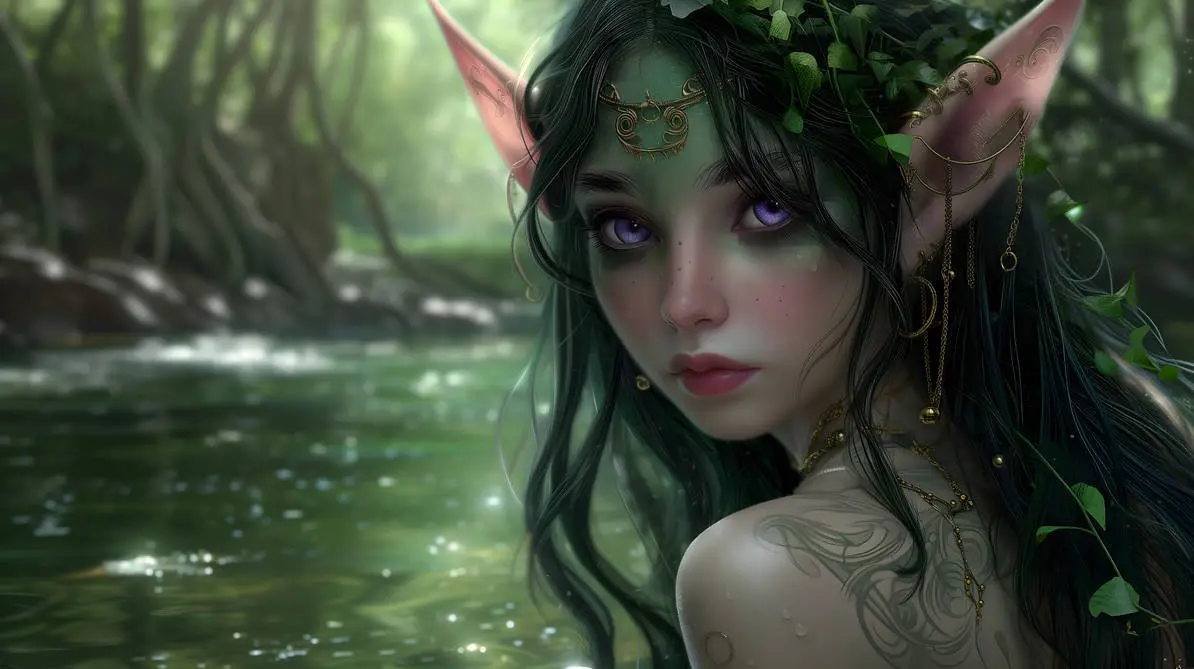
By the Mythical Realm Special Features Desk
Published: October 2023
Main Facts: The Intersection of Modern Psychology and Ancient Folklore
In an era dominated by algorithmic personalization and digital self-discovery, internet personality quizzes have carved out a permanent, beloved niche in modern pop culture. Among the vast ecosystem of online self-assessments—ranging from which household appliance matches your aura to which fictional dystopian faction you belong to—the "What Mythical Creature Are You?" quiz stands out as a timeless favorite.
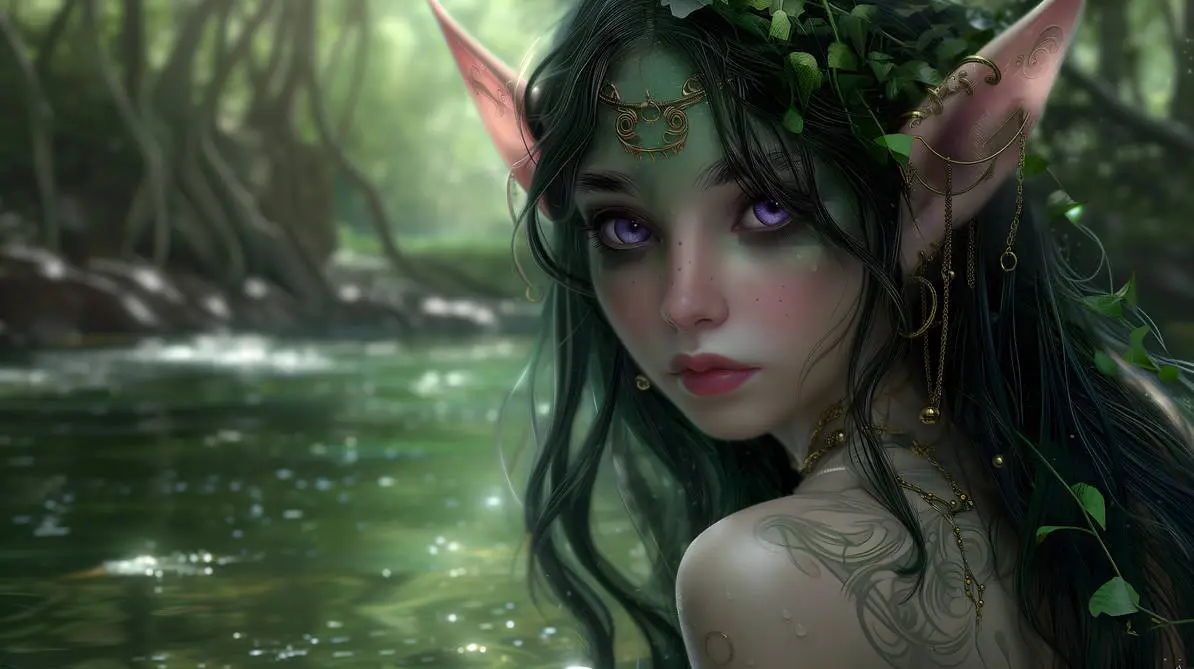
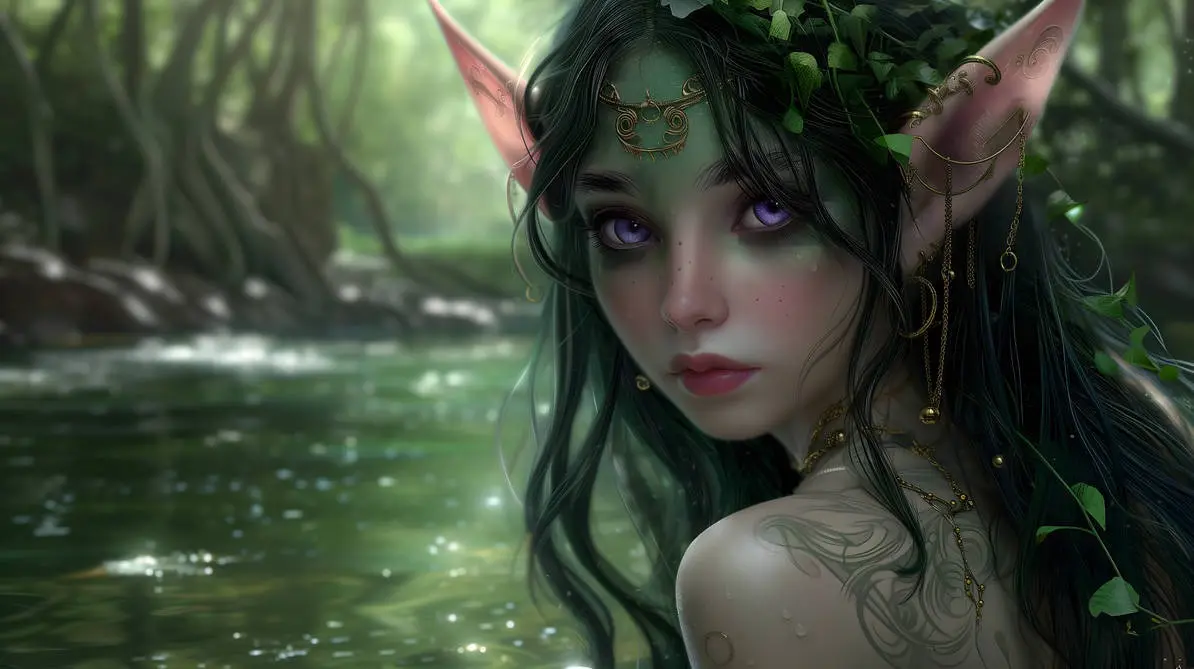
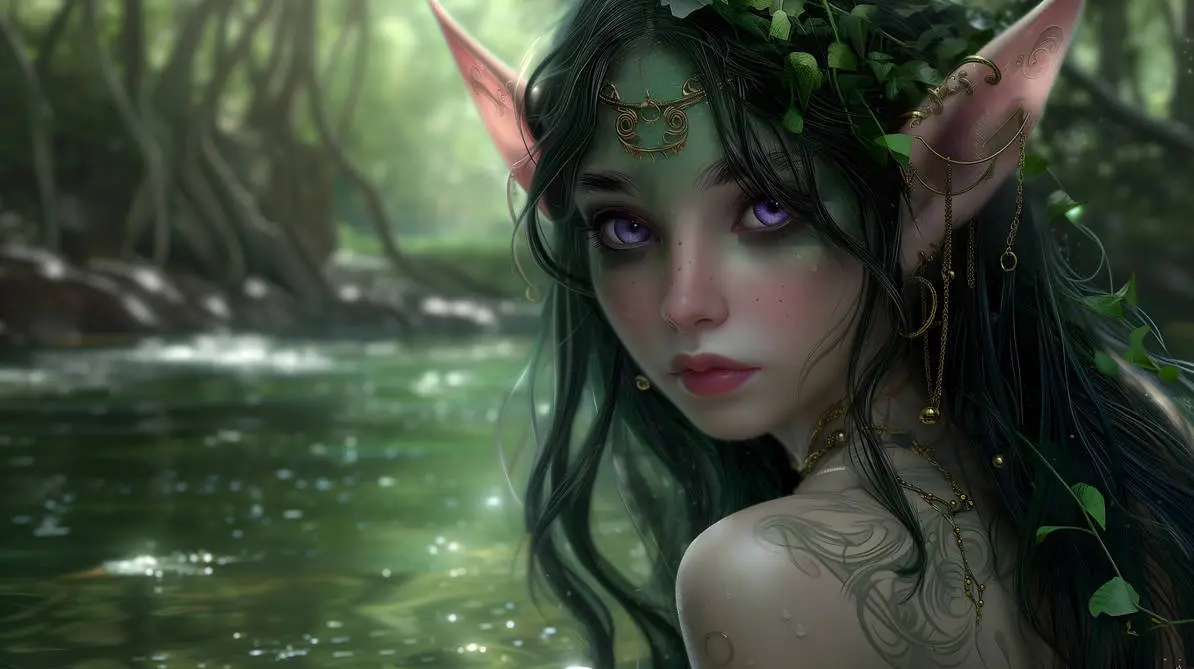
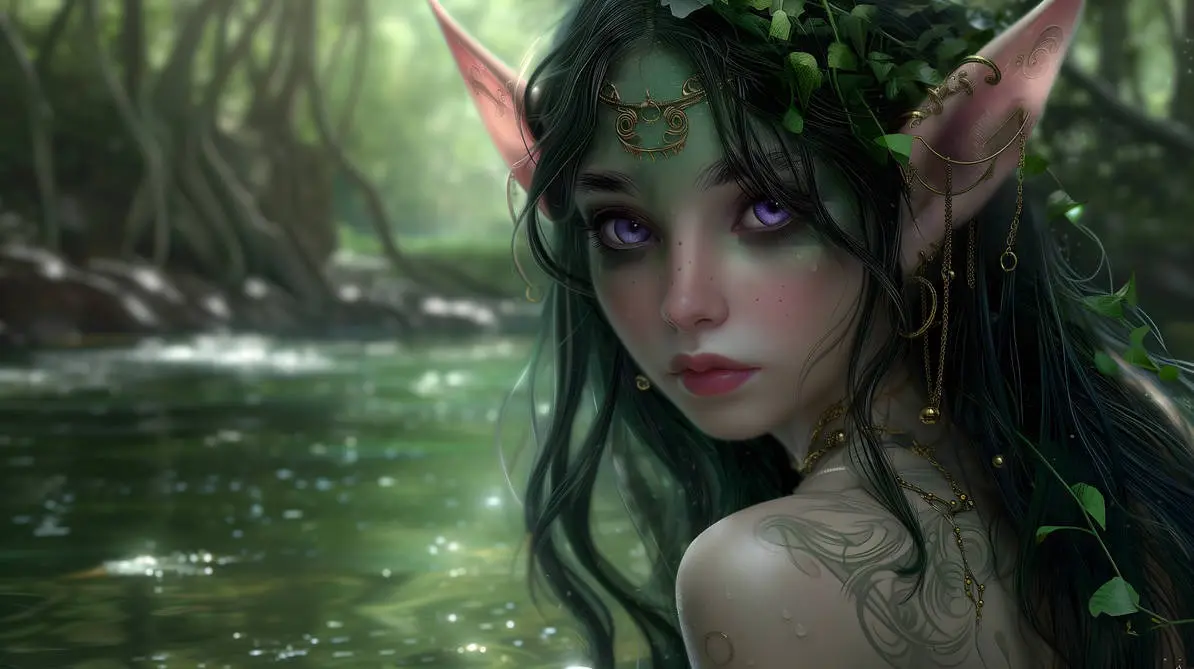
Recently spotlighted by digital platforms like The Mythical Realm and major lifestyle sites including BuzzFeed, these imaginative questionnaires invite participants to look beyond the mundane routine of everyday life. By answering a series of evocative, scenario-based questions, respondents are paired with legendary beings from world mythology: the wise and noble Centaur, the clever and unpredictable Trickster, the majestic and soaring Griffin, or the serene and intuitive Mermaid (or water nymphs, as immortalized in classical art like Bogi380’s Aeliana the Water Nymph).
While these quizzes are designed primarily for lighthearted entertainment, psychologists, folklorists, and cultural critics argue that they offer a fascinating window into modern identity construction. By projecting personal traits onto ancient archetypes, participants engage in a form of digital introspection. This article explores the mechanics of these viral quizzes, breaks down the core creature archetypes, examines their roots in global mythology, and explores the broader implications of why humanity remains perpetually captivated by the creatures of myth.
Chronology: From Campfire Legends to Digital-Age Personality Tests
To understand why matching oneself with a mythical creature has become a digital tradition, one must trace the evolution of how humans interact with folklore across centuries.
Phase 1: Oral Tradition and Communal Identity (Pre-19th Century)
Long before the advent of the internet—or even the printing press—mythical creatures served functional societal roles. In ancient Greece, Mesopotamia, and Celtic Britain, entities like griffins, centaurs, and water nymphs were not mere entertainment; they were explanations for natural phenomena, moral boundary markers, and symbols of tribal or regional identity. Families and clans would often adopt mythical beasts as heraldic symbols, believing that the creature’s inherent traits reflected their lineage’s strengths.
Phase 2: The Romantic Era and Psychological Archetypes (19th – Mid 20th Century)
During the Romantic movement, artists, poets, and early psychologists began looking at folklore through a deeply internal lens. Figures like Carl Jung revolutionized how humanity viewed myth, introducing the concept of the "collective unconscious" and universal archetypes. Jung argued that figures like the wise old man, the trickster, and the heroic beast live within the human psyche. Suddenly, mythical creatures transformed from external threats or gods into internal mirrors of human psychology.
Phase 3: The Rise of Magazine Quizzes (Late 20th Century)
With the explosion of print media in the latter half of the 20th century, lifestyle magazines popularized the "Which X Are You?" format. Readers would tally points using pen and paper to discover their romantic compatibility, ideal career path, or fictional alter ego. These quizzes served as a brief psychological escape and a popular topic of conversation among peers.
Phase 4: The Viral Digital Age (2000s – Present)
The transition of quizzes to the internet supercharged their reach. Platforms like BuzzFeed, personality test blogs, and niche enthusiast sites like The Mythical Realm transformed static questionnaires into interactive, shareable experiences. Enhanced by vivid digital artwork—such as DeviantArt creations depicting ethereal water nymphs—these quizzes transformed individual introspection into global, social media-driven phenomena. Today, users can instantly share their mythical results across platforms, turning a solitary quiz into a communal bonding experience.
Supporting Data: Dissecting the Quiz Categories and Their Archetypes
To understand what your quiz results truly say about you, we must examine the four primary archetypes featured in popular mythical creature assessments, alongside the psychological traits and mythological roots associated with each.

1. The Centaur (Mostly A’s)
- The Profile: Strong, wise, and a natural leader bridging the gap between human intellect and primal nature.
- Mythological Roots: In classical Greek mythology, centaurs were often depicted as wild creatures of the mountains and forests (most notably associated with Chiron, the wise tutor of heroes). They represent the duality of human nature: the civilised mind coupled with untamed instinct.
- Personality Correlation: If your answers leaned toward exploring hidden jungle temples, riding magical steeds, and valuing ancient generational wisdom, you possess a grounded yet adventurous spirit. You are viewed by your peers as a pillar of strength and a voice of reason.
2. The Trickster (Mostly B’s)
- The Profile: Cunning, witty, playful, and always ready for an adventure—even if it involves a little harmless mischief.
- Mythological Roots: Found in nearly every culture—from Loki in Norse lore to Anansi in West African traditions and the Kitsune in Japanese folklore—the trickster is the ultimate catalyst for change. They break rules, challenge stagnation, and teach hard truths through humor and cunning.
- Personality Correlation: If you favor solving riddles, teleportation spells, and outsmarting opponents, you are an innovator. You hate monotony, thrive on intellectual challenges, and possess a sharp, unconventional wit that keeps those around you on their toes.
3. The Griffin (Mostly C’s)
- The Profile: Majestic, powerful, fiercely curious, and driven to reach new heights.
- Mythological Roots: Combining the body of a lion (king of beasts) with the head and wings of an eagle (king of birds), the griffin has symbolized divine power, guardianship, and boundless ambition since ancient Egyptian and Persian times.
- Personality Correlation: Those who score mostly C’s are natural-born visionaries. With a thirst for limitless knowledge and a desire to soar above worldly trivialities, you are fueled by curiosity. You view challenges not as roadblocks, but as elevated perspectives waiting to be conquered.
4. The Mermaid / Water Nymph (Mostly D’s)
- The Profile: Graceful, deeply intuitive, emotionally intelligent, and closely attuned to the natural and spiritual worlds.
- Mythological Roots: From Greek sirens and Slavic rusalkas to modern depictions of gentle ocean guardians, water spirits have always commanded reverence. They embody the depth, mystery, and healing power of the world’s oceans and rivers.
- Personality Correlation: Choosing deep-sea exploration, dolphin-pulled chariots, and the healing touch indicates an empathetic soul. You possess a calming presence, a strong gut instinct, and a profound empathy for the emotional well-being of others.
Official Responses and Expert Perspectives: Why We Love to Escape
To gain a deeper understanding of why millions of people eagerly take these quizzes, we reached out to cultural anthropologists and digital media analysts for their perspectives.
Dr. Elena Vance, Professor of Folklore and Cultural Psychology:
"When people take a quiz to find out if they are a griffin, a centaur, or a water nymph, they are engaging in a very ancient human tradition: myth-making. We use metaphors to make sense of our complex inner lives. In a high-stress, hyper-rational modern world, identifying with a mythical creature offers a sanctioned space to reclaim a sense of wonder, agency, and magic. It allows individuals to externalize their internal strengths—whether that is the fierce ambition of a griffin or the quiet intuition of a nymph."
Marcus Sterling, Digital Content Strategist and Trend Analyst:
"The viral nature of these quizzes isn’t an accident. They tap into our fundamental desire for self-definition and social validation. When a user discovers they are a trickster or a centaur, they aren’t just reading a result—they are finding a tribe. They want to share that identity on social media because it communicates something playful and expressive about who they feel they are on the inside."
Implications: The Enduring Power of Imagination in a Rational Age
What do these quizzes tell us about the future of human culture? Far from being trivial time-wasters, internet quizzes that touch upon folklore and fantasy highlight a vital psychological truth: humans refuse to live by bread alone. We require narrative, poetry, and imagination to make sense of our existence.
1. The Therapeutic Value of Play
In an era dominated by productivity metrics, burnout culture, and professional demands, myth-based personality quizzes offer a low-stakes avenue for play. They remind adults how to access their childhood imagination—a space where anything is possible, and where science and fantasy can temporarily dance together.
2. Bridging the Gap Between Ancient Lore and Modern Media
By driving traffic to sites that celebrate folklore, these quizzes keep ancient mythologies alive in the digital consciousness. A teenager searching for their mythical soulmate might tumble down a rabbit hole of classical mythology, discovering the richness of global history, folklore, and art history along the way.
3. The Real Magic Lies Within
As the concluding note of many classic internet quizzes reminds us, no online questionnaire can fully capture the multifaceted depth of a human soul. The creatures we read about—whether it is Aeliana the water nymph resting in a digital gallery or a majestic griffin soaring across a fantasy landscape—are projections of our own highest potential.
As science continues to map the cosmos and decode the human genome, our imaginations continue to expand outward, proving that as long as humans possess curiosity, the mythical realm will always be open for exploration.