By Investigative Crystal Reporting Desk
In the vast and often mystical world of crystal collecting, clarity is currency. Yet, recent months have seen a surge in trendy, ethereal-sounding marketplace names that have left both seasoned geologists and everyday crystal practitioners scratching their heads. At the epicenter of this latest controversy is an alluring, hazy stone marketed under the romantic moniker of "Blue Rose Quartz"—and, more recently, "Black Rose Quartz."
As these stones flood social media feeds and boutique storefronts, prominent educators and mineralogists are stepping forward to expose what they call a masterclass in marketing sleight-of-hand. Far from being a rare geological mutation, experts argue that this trend represents the rebranding of low-grade, common quartz and amethyst, designed to artificially inflate prices in a booming spiritual wellness market.
Main Facts: Deconstructing the "Blue Rose Quartz" Myth
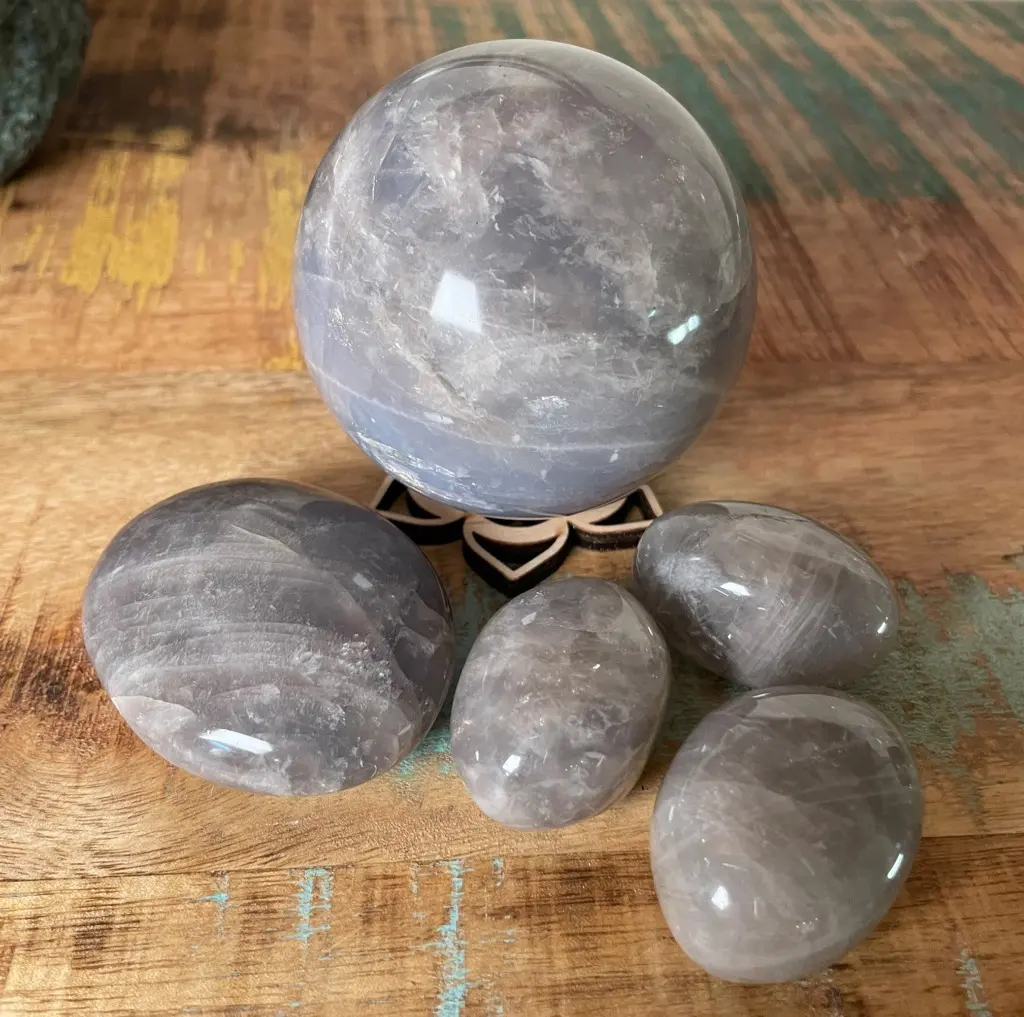
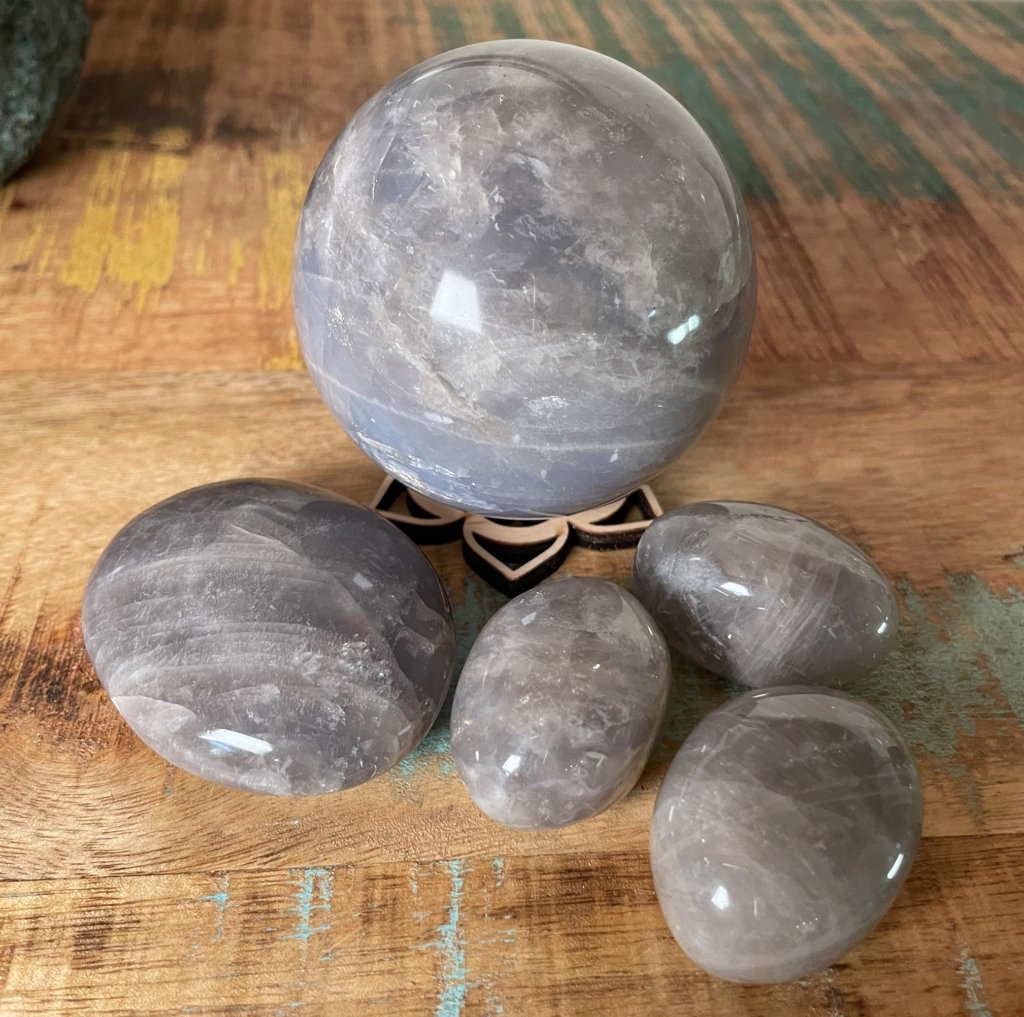
The core controversy centers around a translucent, bluish-white to lavender-hued stone frequently marketed as "Blue Rose Quartz originating from Madagascar."
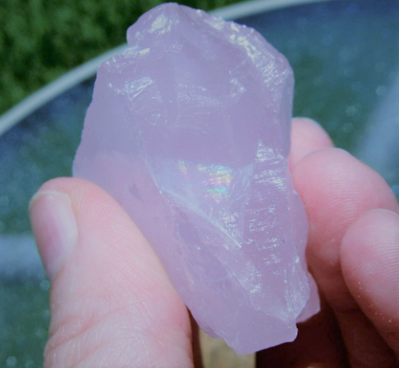
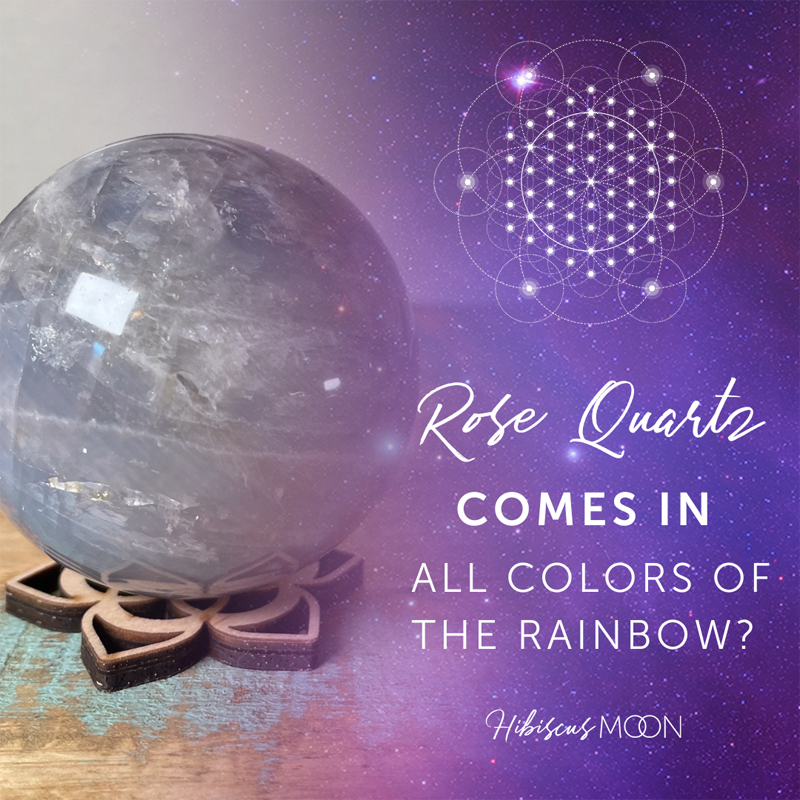
According to geological experts, including former science department head and Hibiscus Moon Crystal Academy founder Hibiscus Moon, the nomenclature itself is a scientific contradiction. By definition, true rose quartz is a pink variety of crystalline quartz colored by microscopic, nanofibrous inclusions closely related to dumortierite.
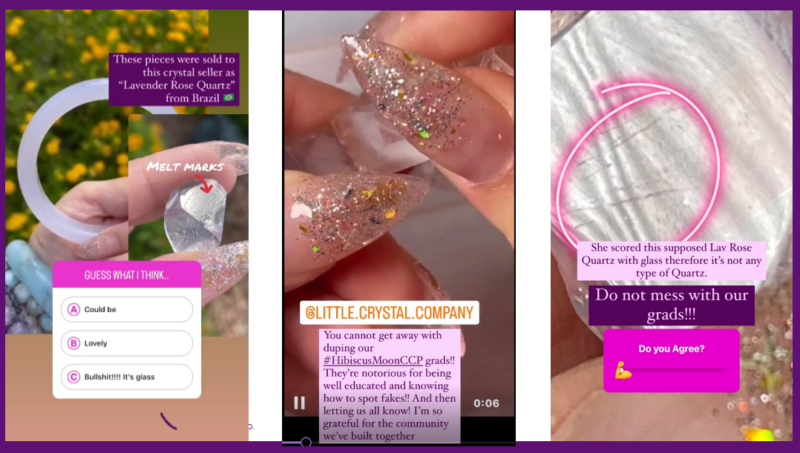
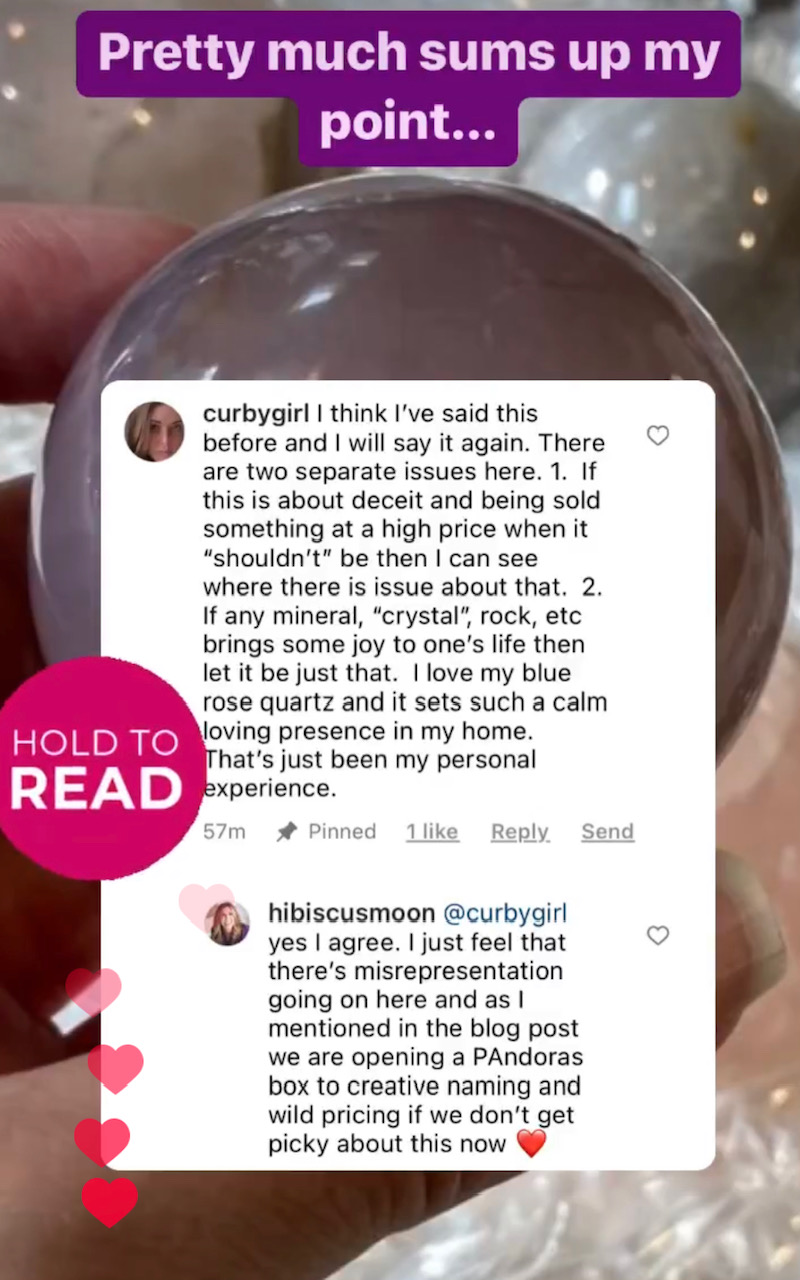
"If it’s blue—or any color other than pink to your eyeball—it cannot be called Rose Quartz," experts emphasize. "Rose quartz is quartz. End of story."
Mineralogical investigations, including assays performed by independent crystal retailers like Little Lemuria, reveal that much of this material is actually opalized quartz (often referred to in the trade as Girasol), low-grade hazy quartz, or even standard low-grade amethyst that has undergone severe thermal treatment. When low-grade amethyst or milky quartz is subjected to high temperatures—often exceeding 932°F (500°C)—the original purple or milky color is partially bleached out, allowing microscopic water droplets to form within the matrix. This phenomenon creates the cloudy, bluish-white "girasol" or opalescent glow that currently commands premium prices under trendy, spiritualized names.
Chronology: How the Trend Unfolded
The trajectory of the "Blue Rose Quartz" trend illustrates how rapidly modern digital marketing can manufacture a gemstone craze:
- Pre-2010s: The material in question was widely recognized within the wholesale lapidary and stone-selling industry as low-grade—often graded as "D" or "C" quality pale amethyst or milky quartz. It was mined abundantly and sold cheaply as utilitarian, lower-tier decor or pocket stones.
- Early 2010s: Independent crystal educators begin publishing foundational guides warning consumers about common crystal misrepresentations, faux treatments, and misleading trade names.
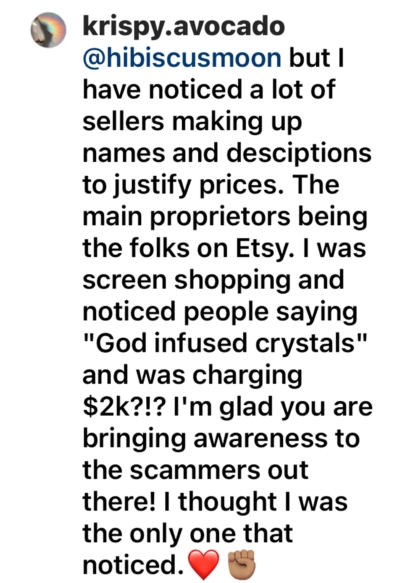
- Late 2021 to 2022: A sudden influx of grayish-blue and lavender stones appears across global online marketplaces, Instagram shops, and TikTok accounts. Sellers market the stones as a "new find" directly from Madagascar, attaching the prestigious "Rose Quartz" prefix to capitalize on the high demand for heart-chakra stones.
- October–November 2022: Certified Crystal Practitioners and vigilant community members begin sending samples and listing screenshots to mineral educators. Retailers like Little Lemuria and the Little Crystal Company initiate independent geological assays and public discussions to trace the mineral’s true composition.
- Present Day: Educators push for heightened consumer awareness as variant names like "Black Rose Quartz" emerge, threatening to open the floodgates to a perpetual cycle of fabricated marketing terminology.
Supporting Data and Mineralogical Analysis
To understand why the "Blue Rose Quartz" label is misleading, one must look closely at how the gemstone and mineral industry has historically categorized stones.
Traditionally, the gem trade utilized a grading system loosely analogous to diamond assessment—where "AAA" denoted top-tier clarity and saturation, and "D" represented the lowest commercial grade. The material now sold as "Blue Rose Quartz" heavily aligns with what was once categorized simply as low-grade, hazy quartz or pale, discarded amethyst batches.

[Raw Mineral Material]
       │
       ├──> High-Grade Amethyst / Pure Rose Quartz (Traditional Market)
       │
       └──> Low-Grade / Hazy Quartz / Discarded Amethyst (Historically Graded "D")
              │
              ├──> *Thermal Treatment (>932°F / 500°C)*
              │
              └──> *Opalization / Girasol Effect (Bluish-white light scattering)*
                     │
                     ▼
       [Modern Marketing Rebrand: "Blue Rose Quartz" / "Black Rose Quartz"]
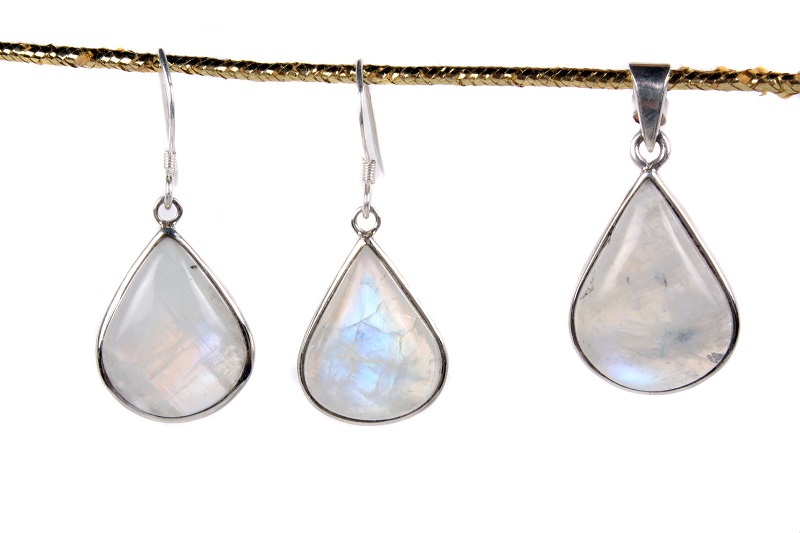
Geologically, the "girasol effect" observed in these stones is a distinct optical phenomenon. Derived from the Italian words for "turning sun" (sunflower), girasol in mineralogy refers to a milky-white or bluish optical glow caused by the scattering of light through microscopic structures within the stone. It is commonly found in certain opals and moonstones—not in true rose quartz.

Independent mineral testing commissioned by specialty retailers has confirmed that these specimens lack the structural and chemical makeup associated with genuine rose quartz deposits, further validating the claims of deceptive labeling.

Official Responses and Community Impact
While no official governing body regulates metaphysical trade names, the backlash from the grassroots crystal community has been swift and organized.

Prominent crystal educators have maintained strict codes of conduct within their networks—enforcing zero-tolerance policies for naming and shaming individual sellers in comments, while pivoting the focus entirely toward structural education. Instead of directing hostility toward small-scale vendors, many of whom may be unknowingly repeating wholesale supplier descriptions, the emphasis has been placed on empowering buyers through geo-knowledge.

Retailers committed to transparency have taken proactive steps:

- Independent Testing: Specialty shops have funded professional mineralogical assays to publicly display the exact chemical breakdown of disputed inventory.
- Open Dialogue: Practitioners on platforms like Instagram have hosted open Q&A sessions and digital "highlights" dedicated to untangling trade names from scientific facts.
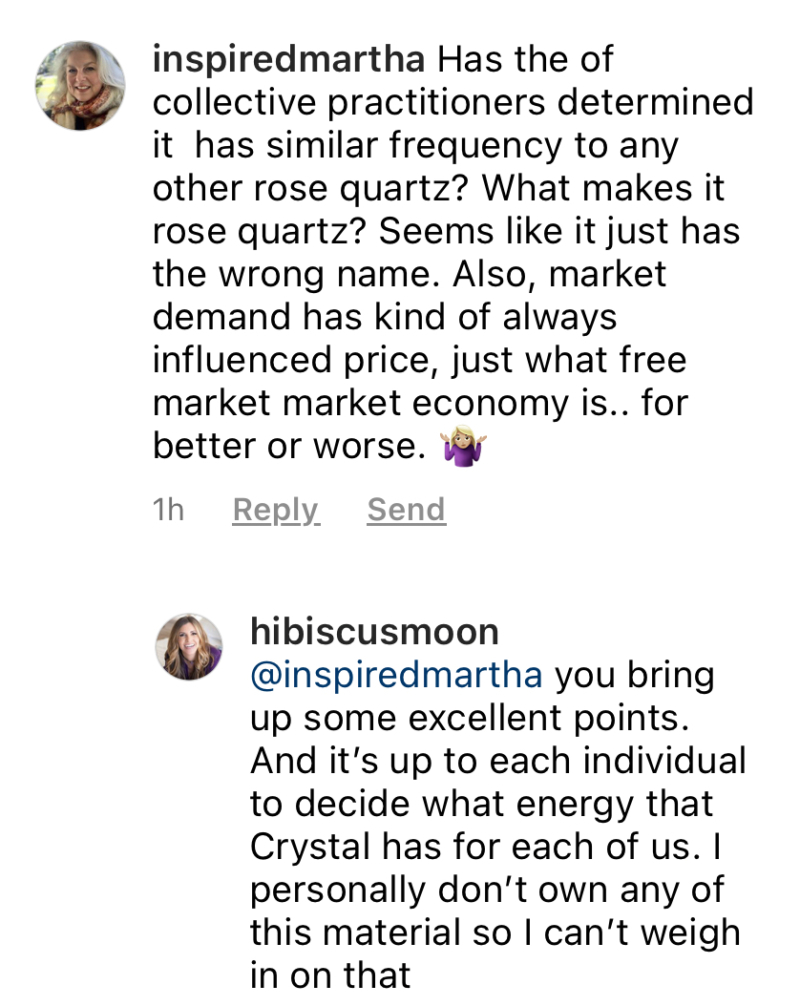
- Advocacy for Fair Pricing: Educators argue that while lower-grade stones carry equal energetic or aesthetic value for spiritual practitioners, it is fundamentally unethical to artificially inflate prices by attaching fictional, high-end varietal names to abundant materials.
Implications for Collectors and the Wellness Market
The "Blue Rose Quartz" controversy carries broader implications for the global crystal and metaphysical market:

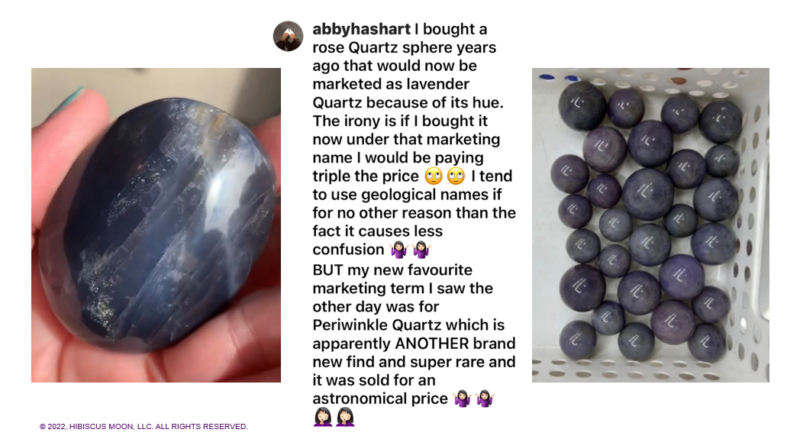
- Proliferation of Marketing Names: Experts warn that if consumers accept "Blue Rose Quartz" and "Black Rose Quartz" without scrutiny, the market will soon be flooded with a thousand more fabricated color-varietal names for basic quartz, eroding consumer trust.
- Economic Exploitation: Rebranding abundant, low-grade minerals under exotic, spiritualized names allows unscrupulous distributors to charge exponential markups, diverting money away from consumers based on misinformation.
- The Shift Toward Self-Education: As prominent figures step back from full-time education, the burden of maintaining marketplace integrity falls directly onto the "Crystal Family"—the community of practitioners, students, and ethical small-business owners.
Buyer Beware: Essential Takeaways
To navigate the modern crystal market safely, experts recommend adhering to a few core principles:

- Never rely solely on the seller’s description: Marketing language is designed to evoke emotion, not geological accuracy.
- Examine the pricing: If a "rare new discovery" is priced like common quartz, or conversely, if common quartz is priced like an investment-grade gemstone based on a trendy name, investigate further.
- Prioritize education over hype: Understanding basic mineralogy is the ultimate shield against consumer fraud.
Ultimately, beauty remains in the eye of the beholder, and lower-grade stones can be just as meaningful for personal spiritual practices. However, as the crystal community continues to mature, the demand for scientific honesty and transparent labeling has never been more vital.