By Green Living Ideas Editorial Staff Published by Green Living Ideas
Main Facts: The Intersection of Health, Sustainability, and Affordability
There is a persistent, damaging myth in modern food culture: the idea that eating a healthy, sustainable diet is an expensive luxury reserved for those with disposable income. Specialty items lining health-food store shelves—such as artisan cashew cheeses, imported organic goji berries, and branded plant-based meats—can undeniably inflate a grocery bill. However, these niche products do not define a sustainable lifestyle.
In reality, shifting the core of your diet toward whole, plant-forward, and minimally processed foods can drastically reduce your monthly grocery expenditures. By stripping away the hidden costs of packaging, food waste, and animal-product subsidies, consumers can simultaneously nourish their bodies, shrink their carbon footprints, and keep more money in their bank accounts.
The primary drivers of budget-friendly, sustainable eating include:
Shifting the Protein Base: Replacing expensive cuts of meat with shelf-stable legumes, beans, and lentils.
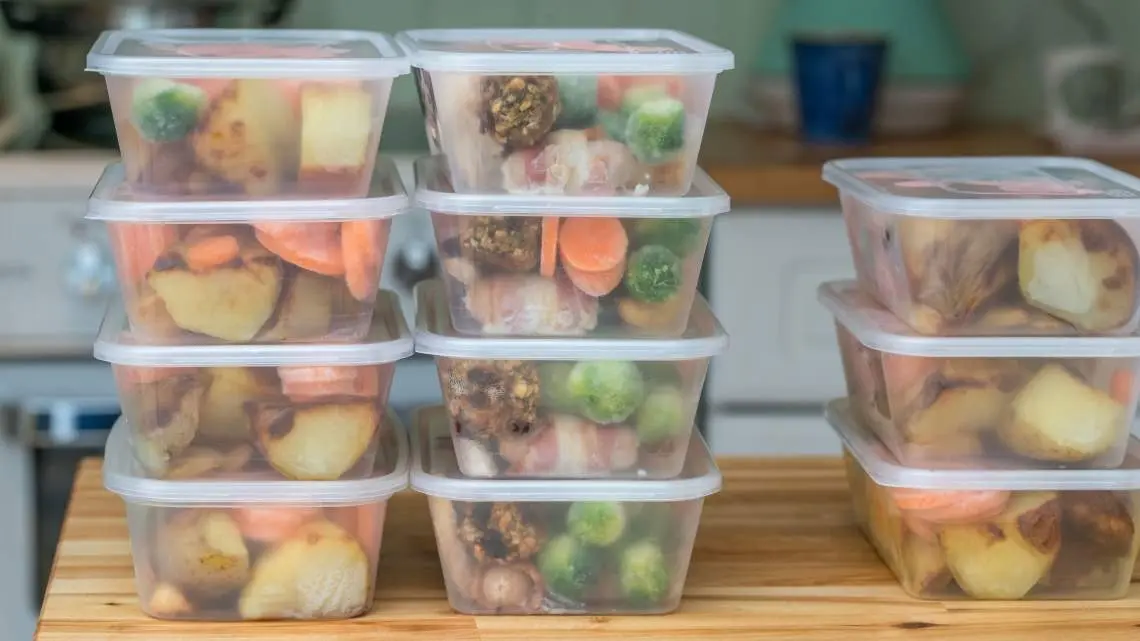
Minimizing Food Waste: Utilizing every part of produce and properly storing items to extend their shelf life.
Buying in Bulk: Purchasing staple grains, nuts, and seeds package-free to eliminate single-use plastic costs and retail markups.
Prioritizing Seasonality: Selecting local, seasonal produce that requires fewer transportation and refrigeration emissions—and typically costs significantly less at checkout.
Chronology: The Evolution of Modern Dietary Economics
To understand how our food system became so misaligned with both personal budgets and ecological health, it is helpful to examine the historical shifts in how we produce, market, and consume food.
The Mid-20th Century: The Rise of Convenience and Industrial Agriculture
Following World War II, agricultural policies shifted dramatically toward industrialization and mass production. Governments heavily subsidized commodity crops like corn and soy, driving down the cost of processed food ingredients. This era birthed the modern supermarket, where convenience, extended shelf life, and attractive packaging took precedence over nutritional density and ecological preservation.
The Late 1990s to 2000s: The Niche "Organic" Movement
As environmental awareness grew, organic and sustainable foods entered the mainstream market. Unfortunately, early adoption was dominated by boutique brands and specialty stores. This created the enduring public perception that "eco-friendly" and "healthy" automatically equated to premium pricing. Sustainable eating was largely marketed as a lifestyle choice for the affluent rather than an accessible necessity for all households.
The 2010s to Present: The Direct-to-Consumer and Zero-Waste Awakening
In recent years, a grassroots counter-movement has emerged. Consumers, pushed by rising inflation and a deeper understanding of climate change, are returning to basics. The popularization of zero-waste grocery stores, community-supported agriculture (CSAs), and bulk-buying cooperatives has dismantled the notion that sustainability requires buying expensive specialty items. Today, the conversation is pivoting back to where it started: whole, un-packaged foods are inherently the cheapest and greenest options available.
Supporting Data: The Financial and Environmental Impact
The numbers behind sustainable, plant-forward eating reveal a compelling narrative for both household budgets and global ecosystems.
The Protein Price Gap: According to economic analyses by organizations like the U.S. Department of Agriculture (USDA), animal proteins consistently cost significantly more per serving than plant-based alternatives. For instance, dry beans and lentils often cost less than $0.15 per serving, whereas beef and poultry frequently range from $1.50 to $3.00 or more per serving.
The Hidden Cost of Food Waste: The United Nations Environment Programme (UNEP) notes that roughly 17% of total global food production is wasted. In the average household, this equates to hundreds—sometimes thousands—of dollars thrown into the trash annually. Wasted food also accounts for roughly 8–10% of global greenhouse gas emissions.
The Packaging Tax: Research into retail pricing indicates that consumers pay up to 40% more for items packaged in single-use plastics compared to identical products purchased loose or in bulk bins. Buying bulk not only slashes emissions associated with packaging manufacturing and disposal but also yields direct savings at the register.
Official Responses and Expert Insights
Industry experts, environmental scientists, and sustainable business leaders increasingly emphasize that affordability must be at the center of the green living movement.
Scott Cooney, serial eco-entrepreneur, author, and former sustainability consultant, notes that the transition to sustainable eating often fails when people focus on the wrong products.
"Eating right doesn’t have to break the bank," Cooney explains. "Yes, cashew cheese and vegan butter are expensive on the shelf, but overall, you can actually save a ton of money by focusing on eating healthy and sustainable foods. The core of a sustainable diet isn’t found in the specialty aisle; it’s found in the produce and bulk sections."
Public health officials and environmental economists echo this sentiment, pointing out that public health crises related to poor diet quality (such as Type 2 diabetes and heart disease) cost trillions of dollars globally. Shifting subsidies and consumer habits toward whole foods can alleviate both the healthcare burden and the environmental strain of industrial farming.
Implications: What This Means for Your Kitchen and the Planet
The realization that sustainable eating can be economical has profound implications for everyday consumers. It democratizes the green movement, proving that environmental stewardship is not an exclusive club reserved for high-income earners.
For Your Household Budget
By planning meals around cheap, nutrient-dense staples like whole grains, seasonal vegetables, and dried beans, families can easily shave 20% to 30% off their weekly grocery bills. Cooking from scratch eliminates the convenience tax imposed by pre-packaged, highly processed convenience foods.
For Global Sustainability
Every time a consumer chooses unpackaged produce, supports a local farmer, or avoids food waste, they send a powerful market signal. Cumulative individual choices drive down the demand for resource-intensive industrial agriculture, reduce methane emissions from landfills, and foster a more resilient, localized food economy.
Ultimately, eating well for your body and eating well for the planet are not mutually exclusive goals—they are two sides of the same coin. By cutting through the marketing noise of expensive "eco-friendly" specialty items, anyone can adopt a sustainable, budget-friendly diet starting today.
Bon appétit!
Tags: budget, eating, healthy, sustainability, green living, zero waste