LOS ANGELES — To dream of losing, styling, or adorning one’s hair is a universal human experience, transcending cultures, age groups, and demographics. For centuries, psychoanalysts, sleep researchers, and cultural historians have looked to nocturnal visions for insight into the human psyche. Among the most prevalent and emotionally charged motifs in dream analysis is hair—a symbol deeply intertwined with identity, vitality, and social perception.
While sleep science continues to decode the exact physiological purpose of rapid eye movement (REM) dreams, psychological experts suggest that hair serves as the mind’s canvas for exploring deeply rooted insecurities, desires for personal growth, and anxieties about aging. Far from being random nocturnal noise, hair dreams often function as a mirror reflecting an individual’s waking state of mind.
The Core Significance: Self-Image and Identity
At its foundational level, hair in dreams frequently represents the dreamer’s basic self-image. Humans are inherently visual creatures who place immense social value on appearance. Consequently, the state of one’s hair in a dream often acts as a direct barometer for self-esteem.
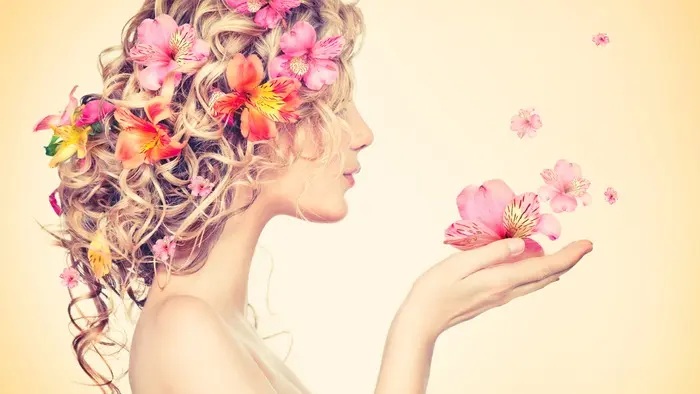
When a dreamer envisions themselves with luscious, long, perfectly styled locks and experiences a profound sense of euphoria, it generally mirrors genuine waking self-acceptance and satisfaction with personal achievements. Conversely, dreaming of an unwanted hairstyle, a botched cut, or a complete lack of hair often unmasks underlying social anxieties.
Psychologists note that these visions highlight a preoccupation with how one is perceived by the outside world—socially, physically, and professionally. Whether the root cause is a fleeting fear of judgment or a chronic battle with body dysmorphia, hair dreams provide a secure psychological space to confront these vulnerabilities.
Chronology of Interpretation: From Ancient Folklore to Modern Psychoanalysis
The interpretation of hair as a symbol of power and identity is hardly a modern invention. Understanding how this dream motif has evolved offers essential context for contemporary analysis:
- Ancient and Biblical Eras: Historically, hair has long been associated with strength and vitality—most famously exemplified in the biblical tale of Samson and Delilah, where physical power was literally tethered to uncut locks. Dreams during these periods heavily linked hair to spiritual standing and divine favor.
- Early 20th-Century Psychoanalysis: With the advent of Freudian psychology, hair dreams began to be analyzed through the lens of libido, sensuality, and repressed sexual desires. Hair was viewed as a subtle, socially acceptable manifestation of primal urges.
- Late 20th Century to Present: Modern holistic psychology expanded these definitions further. Today, dream analysts view hair as a multifaceted indicator encompassing stress levels, career security, autonomy, and the psychological burden of aging.
Supporting Data: What Sleep Patterns Reveal About Stress
While dream interpretation is often considered subjective, modern sleep research highlights a clear correlation between high-stress waking environments and distressing dream themes. According to data compiled across various sleep clinics and psychological surveys, motifs involving physical vulnerability—such as hair loss, teeth falling out, or sudden disfigurement—spike during periods of economic uncertainty or major life transitions.
- Career Insecurity: Surveys among corporate professionals indicate that men and women experiencing sudden job insecurity or professional stagnation report a 40% higher frequency of hair-loss dreams compared to those in stable employment.
- Anxiety Manifestation: Clinical psychologists report that patients undergoing chronic anxiety frequently translate somatic stress symptoms into visual dream metaphors, with thinning or breaking hair acting as the primary proxy for feeling overwhelmed.
Official Perspectives: Insights from Behavioral Experts
Behavioral scientists and dream analysts emphasize that the true meaning of a hair dream cannot be generalized; context is everything.
Dr. Elena Vance, a cognitive behavioral therapist specializing in sleep disorders, explains that the subconscious mind often relies on physical symbols to express abstract emotional states. "When a patient dreams of their hair falling out, they are rarely actually worried about alopecia," Dr. Vance notes. "Instead, their mind is visualizing a loss of control, a fear of judgment, or the daunting passage of time. The hair is simply the messenger."
Similarly, relational therapists point out that dreams involving other people interacting with one’s hair—such as a partner styling it or a stranger cutting it—often reflect power dynamics in waking relationships. Allowing someone else to alter your hair in a dream can signify a subconscious surrender of personal autonomy or an over-reliance on external validation.
Implications: Translating Nocturnal Visions into Waking Growth
Understanding the hidden language of hair dreams offers more than just morning curiosity; it provides a practical roadmap for emotional well-being and personal development.
Recognizing the Need for Change
When a dreamer visualizes cutting their own hair, it frequently signals an impending lifestyle shift. Far from a superficial desire for a salon visit, this act often represents shedding outdated habits, ending toxic relationships, or preparing to make a monumental life decision. It is an internal declaration of readiness for rebirth.
Confronting Vitality and Aging
Dreams involving graying hair, balding, or hair turning stark white directly confront the psychological toll of aging. Rather than dismissing these dreams as morbid, psychologists recommend using them as catalysts to address underlying anxieties regarding mortality, self-worth, and the pressure to maintain eternal youth in a youth-obsessed culture.
Clearing the Air
Unusual motifs, such as pulling hair out of one’s mouth or discovering bugs hiding within a mane, carry more visceral warnings. Pulling hair from the mouth typically points to a fear of spoken words—regret over something recently said, or anxiety about speaking one’s truth. Meanwhile, bugs in the hair often symbolize neglected responsibilities, lingering annoyances, or a pervasive feeling of being "invaded" by external stressors.
Conclusion: Embracing the Subconscious Mirror
Hair dreams, in all their varied and sometimes distressing glory, serve a vital mental health function. They act as an internal release valve, allowing the conscious mind to safely process anxieties related to self-image, confidence, vitality, and personal autonomy.
By paying closer attention to these nocturnal narratives rather than brushing them aside upon waking, individuals can better decode their deepest emotional needs, confront hidden fears, and ultimately cultivate a healthier relationship with both their bodies and their waking lives.