By the Investigative Crystal Desk
Published in collaboration with the Hibiscus Moon Crystal Academy
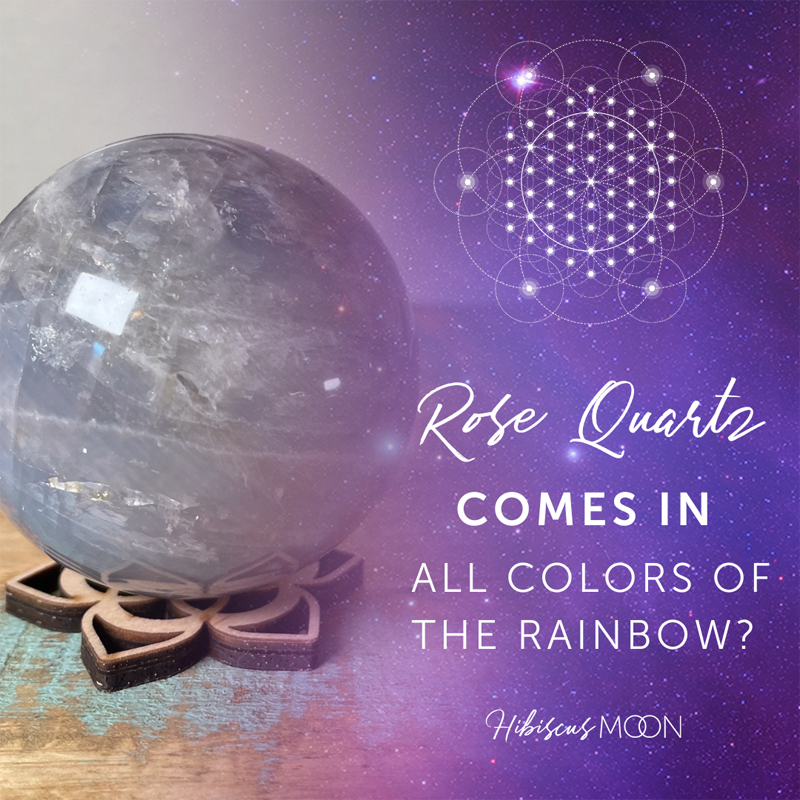
Main Facts: The Illusion of "Blue Rose Quartz"
In the ever-expanding global market for healing crystals and metaphysical stones, a troubling trend has taken root. Across digital marketplaces, boutique crystal shops, and social media platforms, a new variety of mineral has captured the attention of buyers: "Blue Rose Quartz." Marketed aggressively as an exotic, high-vational find allegedly sourced from Madagascar, this stone commands premium prices and sits prominently on the wish lists of unsuspecting collectors.
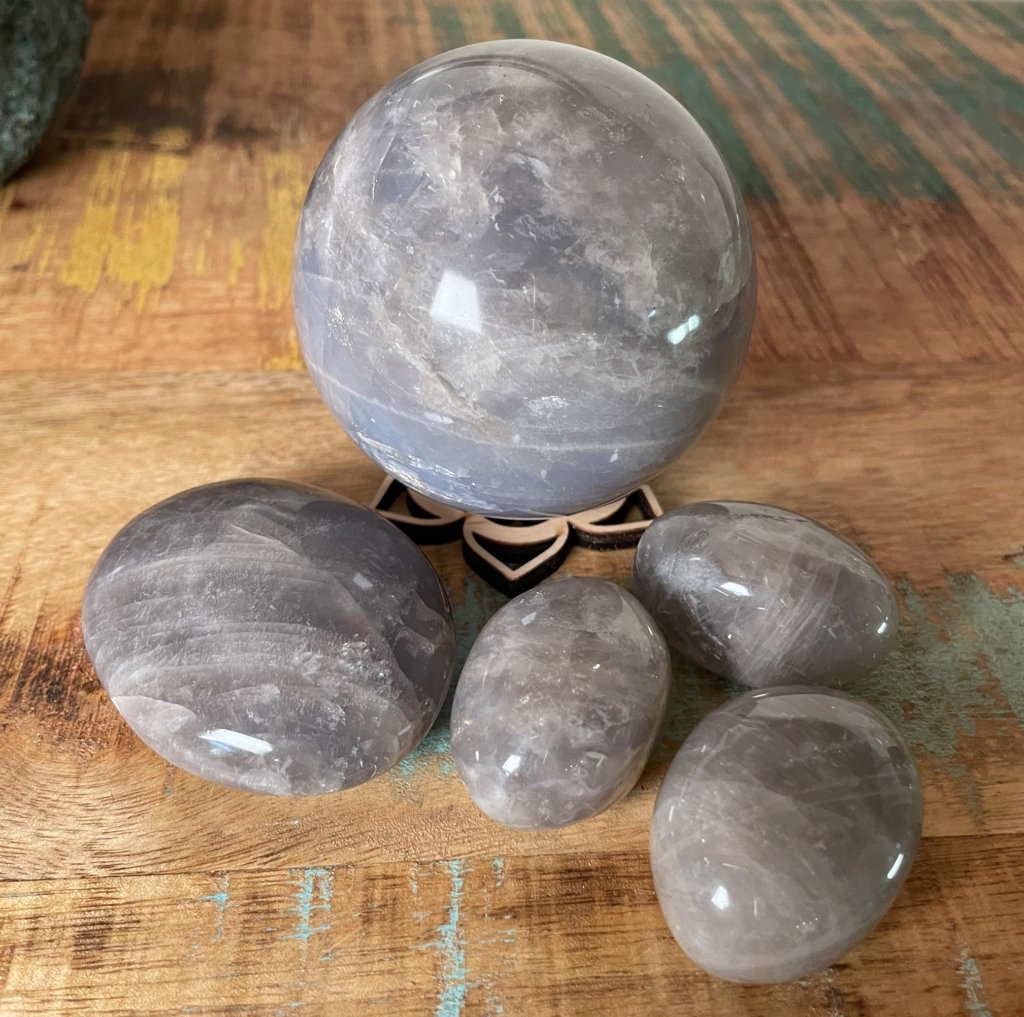
There is only one fundamental problem with "Blue Rose Quartz": scientifically speaking, it does not exist.
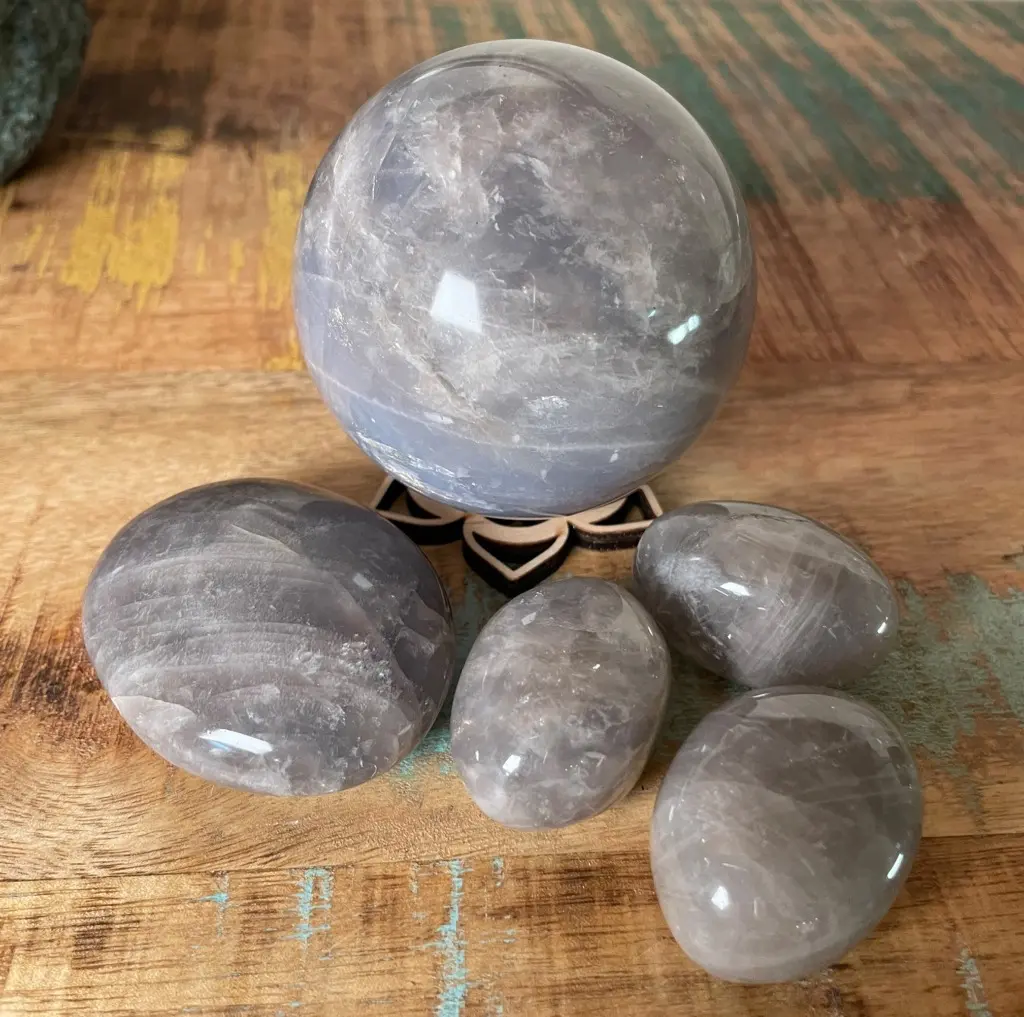
According to mineralogists, gemologists, and crystal educators, "Blue Rose Quartz" is a classic example of marketing sleight-of-hand. In reality, the material being sold under this ethereal moniker is typically low-grade quartz, pale amethyst, or opalized quartz (often referred to in geology as girasol). Through aggressive re-branding, common, highly abundant, and historically low-value minerals are being dressed up in spiritual terminology to drastically inflate their market value.
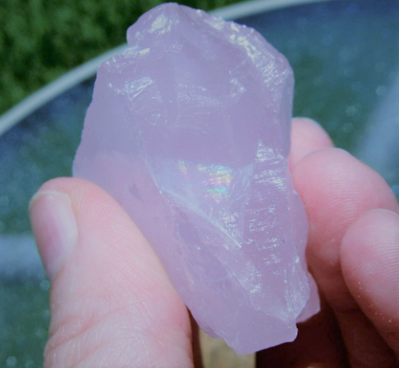
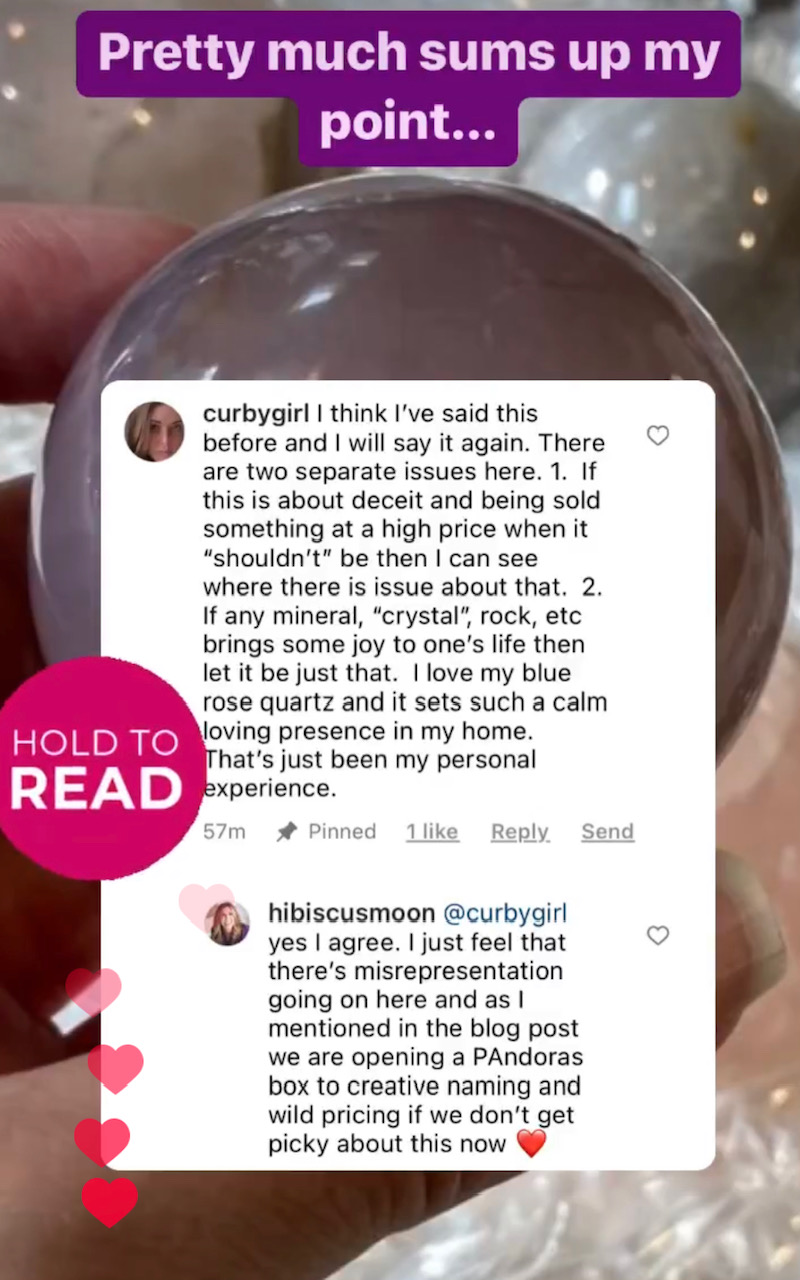
This phenomenon highlights a broader, systemic issue within the metaphysical community: a lack of standardized terminology, combined with savvy marketing tactics, leaves buyers vulnerable to paying exorbitant prices for ordinary stones. While the aesthetic appeal of these milky, bluish-tinted quartzes remains subjective—beauty, after all, is in the eye of the beholder—the practice of misrepresenting their geological classification crosses ethical lines into consumer deception.
Chronology: How the Trend Unfolded
To understand how "Blue Rose Quartz" captured the market, it is necessary to trace the timeline of how modern crystal trends propagate through the digital landscape.
- Pre-2010s (The Era of Industrial Grading): Historically, the wholesale stone-selling industry utilized a transparent grading system comparable to diamond assessment. Stones were graded from "AAA" (highest quality) down to "D" (lowest quality, characterized by heavy inclusions, murky clarity, and muted coloration). Low-grade rose quartz and pale, washed-out amethyst were abundant, cheap, and sold strictly as budget-friendly specimens.
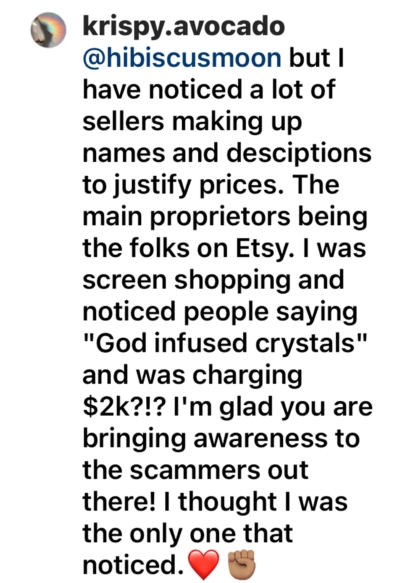
- 2010–2020 (The Rise of Digital Crystal Culture): As crystal healing surged in popularity via platforms like Instagram, Pinterest, and Etsy, the traditional grading system quietly faded into the background. In its place, a new lexicon emerged—one driven by spiritual resonance, metaphysical properties, and aesthetically pleasing marketing names rather than geological accuracy.
- Late 2022 (The "Blue Rose Quartz" Explosion): A sudden influx of inquiries flooded the inboxes of prominent crystal educators and certification academies. Students and practitioners began asking about a "new" and "rare" stone appearing globally: Blue Rose Quartz from Madagascar.
- Late 2022 to Present (Community Investigation and Pushback): Empowered crystal practitioners and mineral geeks began pushing back. Through independent geological assay reports, collaborative social media investigations, and public awareness campaigns led by industry educators, the truth behind the trend was systematically uncovered, forcing a reckoning among online mineral vendors.
Supporting Data: What is "Blue Rose Quartz" Actually Made Of?
To separate geological fact from marketing fiction, experts have analyzed samples of stones sold as "Blue Rose Quartz." The findings reveal several distinct possibilities regarding what buyers are actually purchasing:
1. Low-Grade Rose Quartz or Pale Amethyst
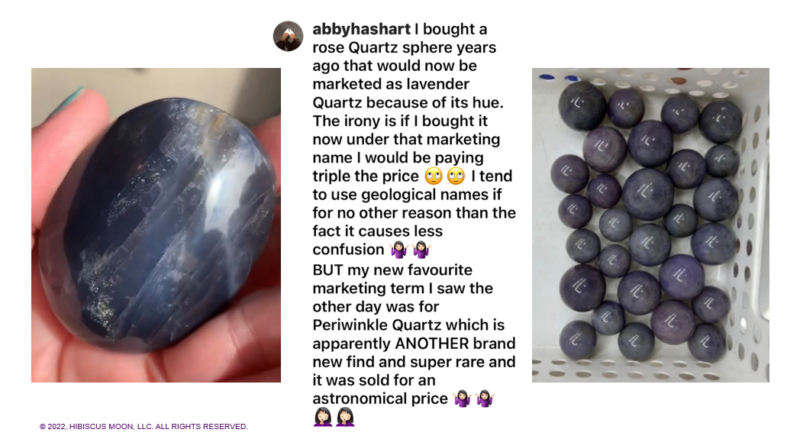
By definition, true rose quartz owes its iconic pink hue to microscopic, nanofibrous inclusions of a mineral closely related to dumortierite. When quartz lacks these inclusions or displays a washed-out, grayish-lavender, or milky tone due to poor crystal development, it falls into the lower tiers of quality. Rather than labeling these abundant stones as "D-grade" and selling them cheaply, modern vendors have rebranded them with spiritual names like "lavender rose quartz," "black rose quartz," or "blue rose quartz."
2. Girasol (Opalized Quartz)
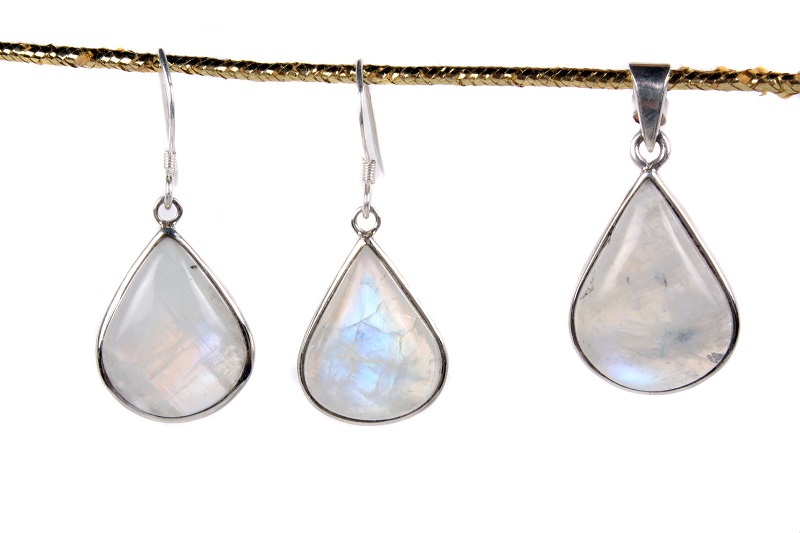
Some specimens traded under the "Blue Rose Quartz" banner are actually girasol. Opal starts as silica ($SiO_2$) dissolved in water, which fills empty cavities left behind by ancient dissolved minerals and hardens into an opalized copy—much like Jell-O poured into a mold. This process can also be artificially forced in a laboratory setting.
3. Heat-Treated Amethyst
Heating low-grade amethyst or milky quartz to temperatures exceeding 932°F (500°C) can bleach out the original lilac coloration. This thermal shock causes tiny water droplets to form within the quartz structure, producing a milky, opalescent, bluish-white glow. In the trade, this is frequently marketed as "neon blue quartz."

4. Direct Mineral Assays
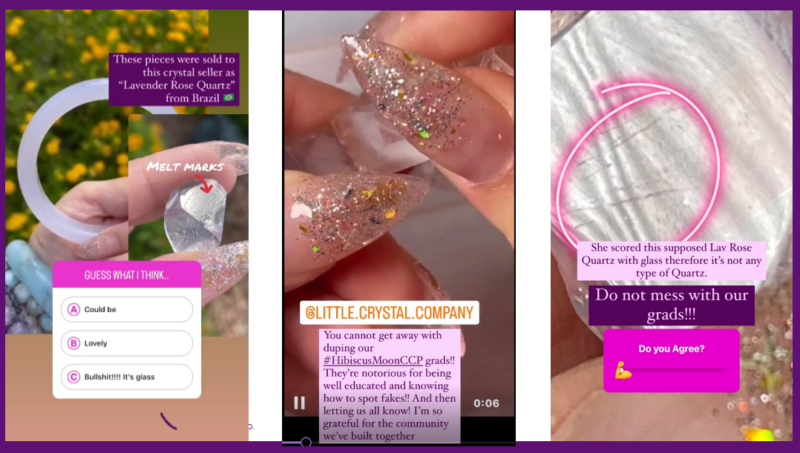
Independent testing conducted by specialized entities, such as the mineral analysis reports published by Little Lemuria, has repeatedly confirmed that these trendy stones lack the structural markers of the rare minerals they are claimed to be. In many cases, what is being passed off as an exotic find is simply common, low-cost silicon dioxide with a clever marketing spin.

Official Responses and Industry Reactions
The exposure of the "Blue Rose Quartz" trend has sparked significant dialogue among ethical crystal vendors, educators, and mineralogists.

Prominent educators, including former science department head and crystal author Hibiscus Moon, have leveraged their platforms to sound the alarm. Working in tandem with graduates of accredited programs—such as Certified Crystal Practitioners from the Hibiscus Moon Crystal Academy and independent vendors like Amber Curl of The Little Crystal Company—the community has launched grassroots educational initiatives to counter market misinformation.

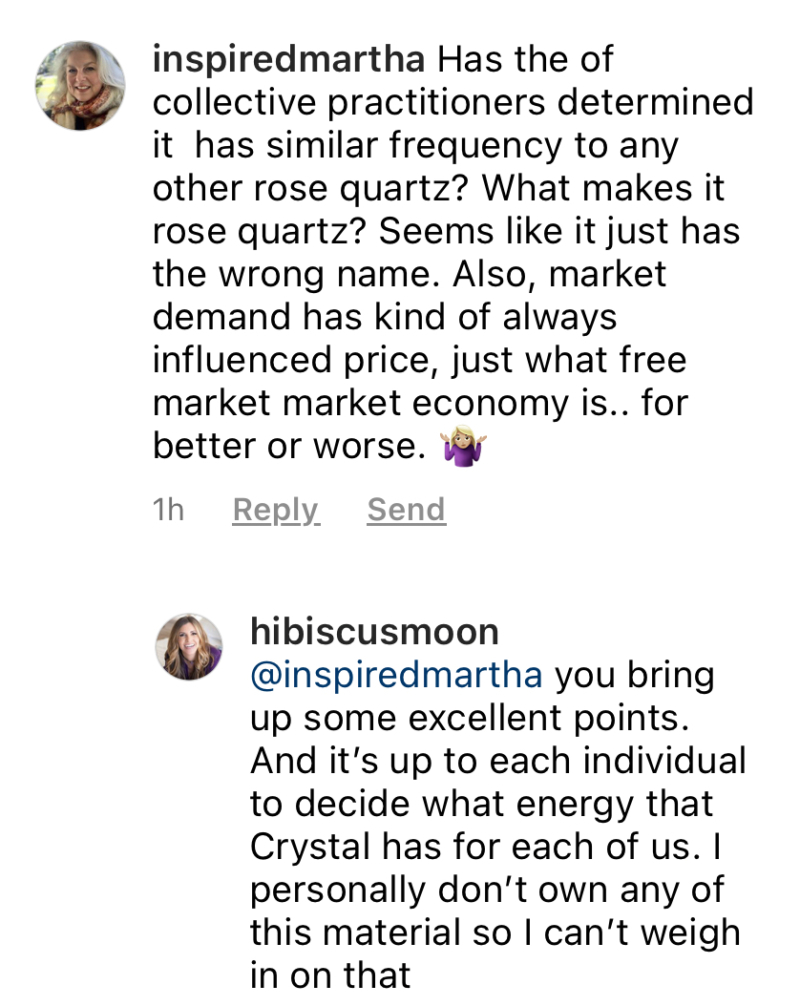
Notably, the response from the vendor community has been bifurcated. On one side, ethical small-business owners have gone to great lengths to commission geological assays, transparently update their product listings, and educate their customer bases on proper mineral nomenclature. On the other side, mass-market volume sellers have largely doubled down on spiritual buzzwords, capitalizing on the metaphysical community’s desire for rare, high-vibration tools.

Industry experts emphasize that pointing out these misrepresentations is not an attack on the energy or utility of the stones themselves. A piece of low-grade quartz or pale amethyst can still bring joy, emotional comfort, and spiritual resonance to a practitioner. The core issue lies strictly in transparency: charging inflated prices based on fabricated geological rarity.

Implications: The Future of Crystal Buying and Consumer Protection
The "Blue Rose Quartz" saga carries profound implications for the global crystal market and the millions of individuals who engage in crystal healing.

1. The Slippery Slope of Marketing Names
If consumers and buyers accept "Blue Rose Quartz" without question, industry observers warn that the floodgates will open. Without pushback, the market can—and likely will—invent a thousand more creative, ethereal names for ordinary quartz varieties. We may soon see "Sunset Green Quartz," "Midnight Yellow Quartz," or entirely fabricated color variants designed to milk higher profits out of standard, abundant minerals.

2. The Power of Community Education
The backlash against "Blue Rose Quartz" proves that informed consumers can drive change. As historical tracking shows, when educators and certified practitioners call out misrepresentations, ethical sellers adapt by refining their descriptions. Empowering the "Crystal Family" with foundational geological knowledge (or geo-knowledge) acts as the primary line of defense against market manipulation.

3. The Golden Rule: Buyer Beware
As the market continues to evolve, experts recommend adopting a strict framework of due diligence:

- Question the Source: Are you buying from a reputable dealer who understands mineralogy, or a mass-market reseller relying on catchy social media trends?
- Examine the Pricing: If a common mineral is suddenly marketed as an ultra-rare, newly discovered geographic variant with a price tag to match, skepticism is warranted.
- Invest in Education: The best protection against consumer fraud is knowledge. Understanding the basic science of mineral formation ensures that buyers are paying for the physical reality of the stone, rather than a clever marketing fantasy.
Ultimately, Mama Earth produces an astonishing array of genuine geological wonders. By arming themselves with facts, common sense, and a commitment to transparency, crystal enthusiasts can ensure that their practices remain grounded, authentic, and protected from the tricks of the modern marketplace.