Main Facts
In contemporary agriculture, livestock management is frequently characterized by intensive pharmaceutical interventions, rigid biosecurity protocols, and high-density containment. However, a counter-movement is gaining traction among regenerative agriculture practitioners who argue that true resilience stems from mimicking natural ecosystems rather than fighting them.
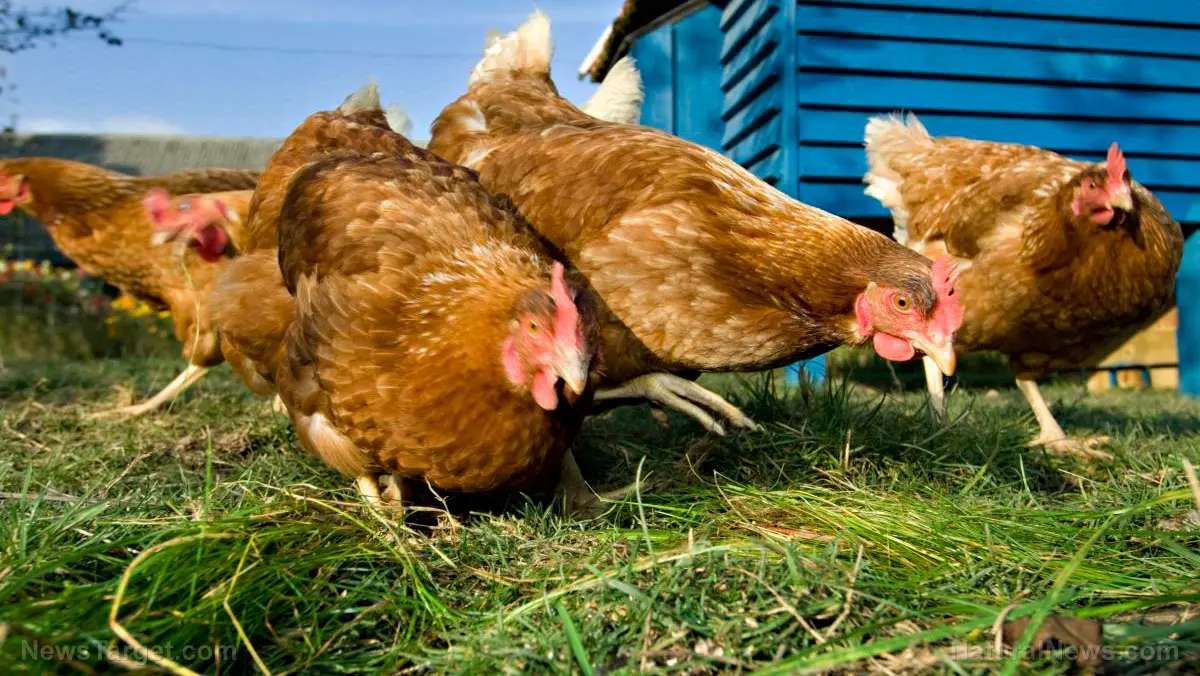
This paradigm was center stage during Episode 6 of the BrightU streaming series "Foundations in Farming and Homesteading + Pastured Laying Hens." Aired on October 1, the episode features legendary sustainable farmer Joel Salatin presenting a radical philosophy of poultry health. Rather than relying on medications, constant veterinary treatments, or elaborate sanitation routines, Salatin advocates for a system where farm habitat, natural animal behaviors, and ecological synergy do the heavy lifting.
Central to Salatin’s thesis is an uncompromising premise: "Every single disease we’ve ever had is one we created." According to this philosophy, modern farming challenges—such as overcrowding, poor ventilation, excessive dampness, and unnatural diets—undermine a chicken’s innate immune system, making them susceptible to pathogens. Consequently, the primary objective of the farmer should not be treating illness after it strikes, but engineering an environment where birds can thrive naturally.
The episode outlines several unconventional, low-input methodologies that challenge industrial farming standards:
- Host-Free Periods: Utilizing seasonal housing rotations to naturally break disease cycles and allow coops to rest.
- Chemical-Free Pest Control: Employing a simple, dust-bath mixture of soil, sand, and wood ashes to combat mites.
- Winter Protein Enrichment: Introducing natural animal proteins, including roadkill and carcasses, during winter months to curb pecking and aggression.
- The "Raken House" Symbiosis: Housing rabbits above chickens to naturally process manure, optimize composting, and eliminate ammonia buildup.
By shifting the focus from disease management to ecosystem design, Salatin challenges homesteaders and commercial farmers alike to rethink the fundamental relationship between animals, waste, and productivity.
Chronology
To understand how Joel Salatin’s methodologies developed and how they are disseminated today, it is helpful to trace the trajectory of his farming philosophy alongside the rollout of the BrightU educational series.
- Decades Past (The Foundation of Polyface Farm): Long before digital streaming platforms existed, Joel Salatin and his family began developing Polyface Farm in Swoope, Virginia. Eschewing chemical fertilizers, synthetic feeds, and industrial confinement, Salatin experimented with rotational grazing, mobile coops, and multi-species stacking, proving that regenerative farming could be economically viable.
- The Rise of Digital Agriculture Education: As public interest in self-reliance, food security, and homesteading surged, traditional farming knowledge faced a generational bottleneck. Recognizing the need to scale practical education, Salatin partnered with BrightU (Brighteon University) to document his decades of experience into a structured curriculum.
- October 1 (Episode 6 Broadcast): BrightU officially aired Episode 6 of "Foundations in Farming and Homesteading + Pastured Laying Hens." This specific installment focused heavily on poultry health, moving past basic care into advanced ecological management, seasonal housing, and behavioral psychology in the flock.
- Present Day (Comprehensive Resource Rollout): The curriculum has been packaged into a 32-video, nine-hour comprehensive course complete with homework PDFs and transcripts, allowing a global audience of aspiring and veteran homesteaders to implement Salatin’s blueprint on their own land.
Supporting Data and Practical Methodology
Salatin’s approach is not merely philosophical; it relies on highly specific, observable ecological interactions. The data and mechanics behind his pasture-raised poultry systems reveal a meticulous attention to animal behavior and natural chemistry.
1. Seasonal Housing and "Host-Free Periods"
In industrial poultry operations, barns are typically stocked continuously, with minimal downtime between flocks. Salatin flips this model by utilizing mobile and seasonal shelters.
- The Mechanism: By shifting chickens between dedicated summer pastures and winter housing, the land and structures experience extended periods of vacancy.
- The Result: Pathogens and parasites lose their host vectors, naturally breaking the life cycles of common poultry diseases without the need for chemical sterilizers.
2. The Dust-Bath Formula
External parasites like mites can devastate a flock, leading farmers to seek out chemical dusts and synthetic sprays. Salatin’s alternative relies on three basic, accessible elements combined in equal proportions:
- One part soil
- One part sand
- One part wood ashes
- Operational Impact: Chickens instinctively utilize dust baths to smother and deter ectoparasites. The addition of wood ash raises the pH slightly and provides an abrasive, drying medium that naturally suffocates mites, replacing toxic commercial insecticides with a byproduct of wood-burning heat sources.
3. Addressing Flock Aggression Through Winter Protein
In nature, chickens spend hours foraging for worms, insects, and grubs. During winter, when insect populations plummet, confinement and nutritional deficits often manifest as flock aggression, notably feather pecking and cannibalism.
- The Intervention: Salatin introduces whole-animal proteins—such as roadkill or butchery scraps—into the winter management routine.
- Behavioral and Nutritional Outcome: Beyond supplying essential amino acids and fats during a lean season, the carcasses provide mental stimulation. The birds spend hours tearing and foraging, successfully redirecting aggressive energy away from their flockmates.
4. The "Raken House" System
Waste management is one of the greatest ecological challenges in modern livestock production, often resulting in nutrient runoff and toxic ammonia accumulation. Salatin’s integrated rabbit-chicken house ("Raken house") solves this through vertical stacking:
- Upper Level: Rabbits reside in wire-bottom hutches, producing manure and urine that drop continuously to the floor below.
- Lower Level: Chickens scratch through the accumulating bedding, mixing carbon sources (like straw or wood shavings) with the nitrogen-rich manure.
- Ecological Efficiency: The chickens’ continuous scratching aerates the material, dramatically reducing ammonia emissions and accelerating the breakdown of waste into high-grade compost.
Official Responses and Industry Perspectives
The release of Foundations in Farming and Homesteading + Pastured Laying Hens has sparked renewed debate across agricultural forums, veterinary circles, and homesteading communities regarding the future of animal husbandry.
The Regenerative Agriculture Sector
Advocates of regenerative farming have roundly praised Salatin’s approach, viewing it as an antidote to the vulnerabilities exposed by centralized industrial food systems. Proponents argue that industrial poultry farming, with its heavy reliance on prophylactic antibiotics and biosecurity lockdowns, creates fragile biological systems prone to catastrophic outbreaks (such as Avian Influenza). By contrast, Salatin’s methods foster hardiness through natural selection, robust immunity, and low-stress environments.
Conventional Veterinary and Industrial Concerns
Conversely, critics and mainstream agricultural scientists often voice reservations regarding certain aspects of pasture-raised and low-intervention models:
- Biosecurity Risks: Traditional veterinarians frequently caution that completely open-air systems and the use of wild-sourced animal proteins (like roadkill) could theoretically expose flocks to wildlife vectors, predators, or wild bird pathogens.
- Standardization Challenges: Industrial producers argue that scaling Salatin’s labor-intensive, multi-species stacking methods to feed millions of urban consumers remains logistically difficult.
Salatin, however, counters these concerns by asserting that industrial models solve problems of their own making. By packing animals too densely in sterile environments, industrial farms create the very disease vectors that require heavy chemical intervention. His system trades sterile containment for biological resilience—a trade-off that his supporters believe yields superior food quality and animal welfare.
Implications
The philosophies presented by Joel Salatin on BrightU carry profound implications for the future of small-scale agriculture, food security, and consumer health.
1. Decentralization of Food Production
As supply chain vulnerabilities and economic uncertainties persist, an increasing number of individuals are turning to backyard homesteading and small-scale farming. Courses like Foundations in Farming and Homesteading bridge the knowledge gap, empowering novices to transition from passive consumers to active producers. By teaching practical, low-capital infrastructure design, Salatin makes self-reliance achievable for everyday people.
2. Redefining Animal Welfare and Ethics
Modern consumers are increasingly concerned with the ethical treatment of farm animals. Salatin’s model demonstrates that animal welfare is not merely about providing more space, but about allowing animals to express their natural evolutionary behaviors—scratching, dusting, foraging, and interacting symbiotically with other species. This holistic view elevates the quality of life for the animal while simultaneously benefiting the farmer through reduced input costs and superior output quality (such as nutrient-dense pastured eggs).
3. Environmental Stewardship
Traditional livestock production is often criticized for its environmental footprint, particularly concerning waste runoff and greenhouse gas emissions. Salatin’s closed-loop philosophy—where the waste of one species becomes the resource of another—exemplifies true circular agriculture. By eliminating the need for synthetic fertilizers, chemical pest treatments, and intensive waste-processing facilities, this model heals rather than depletes the landscape.
Ultimately, Episode 6 of BrightU’s series serves as more than just a how-to guide for raising laying hens; it is a philosophical challenge to modern agriculture. By stepping back and letting nature provide the framework, homesteaders can build resilient, sustainable farms capable of withstanding the ecological and economic pressures of the modern world.