By The Mythical Realm Editorial Desk
Published: Special Feature
Main Facts: The Intersection of Pop Psychology and Folklore
In an era dominated by algorithmic feeds and hyper-personalized digital content, a whimsical corner of the internet continues to capture the collective imagination: the mythical creature personality quiz. From quick five-question features on independent folklore blogs to expansive, deeply analytical questionnaires on platforms like BuzzFeed, millions of internet users annually seek to answer a deceptively simple question: Which legendary beast mirrors your soul?
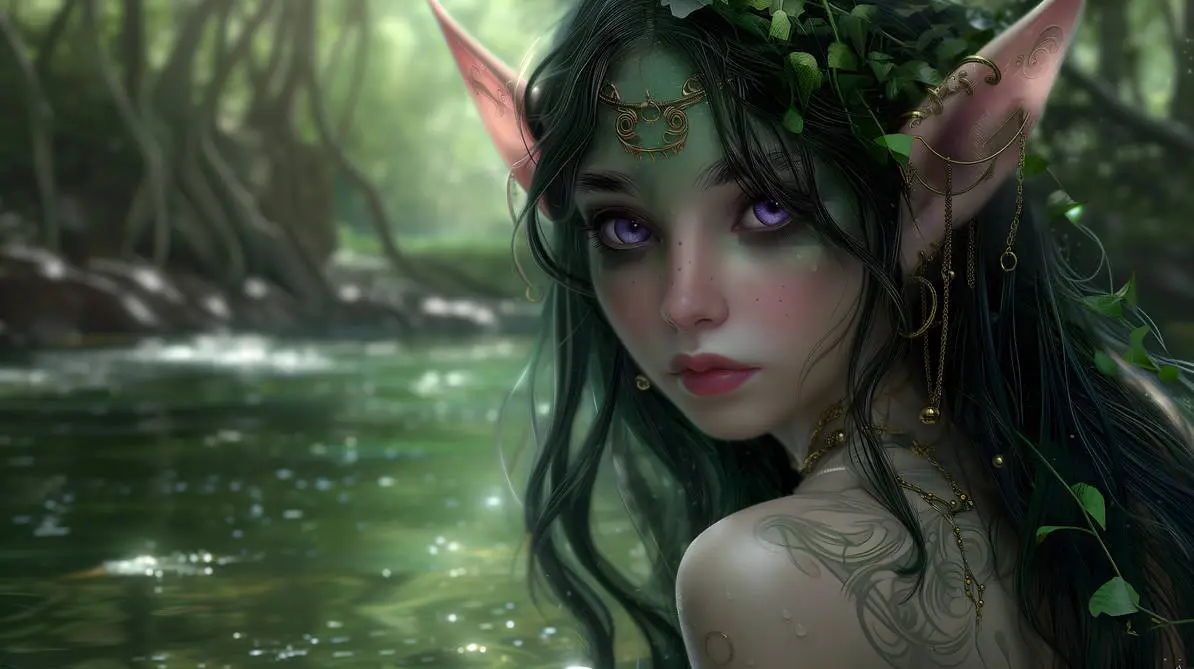
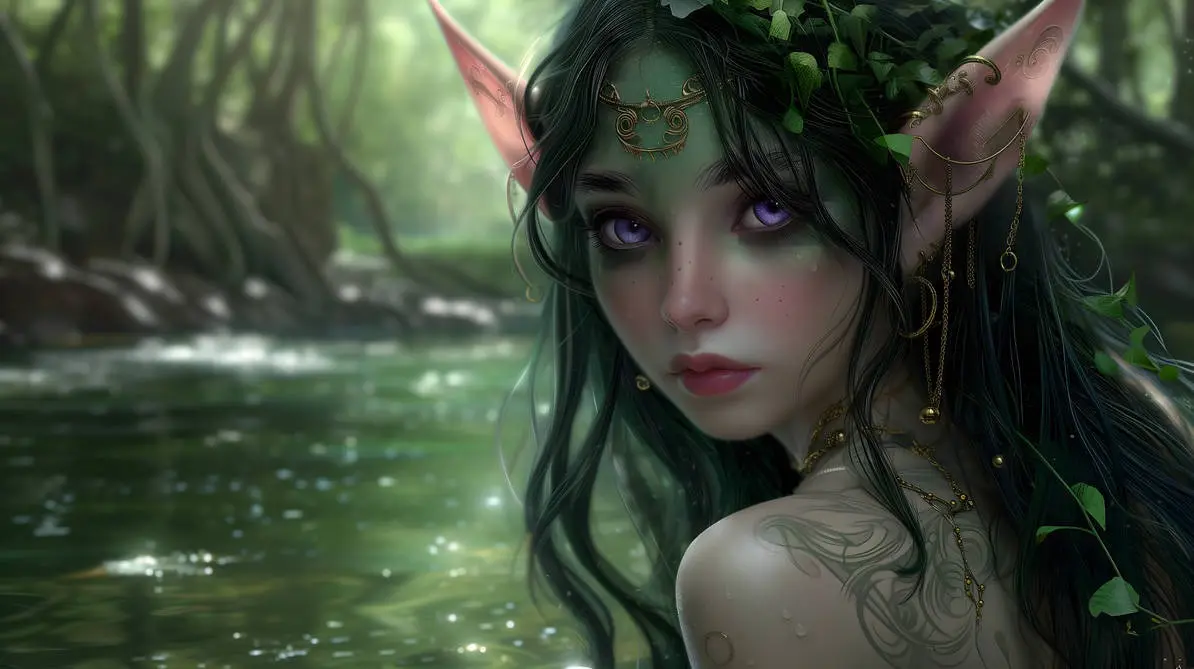
These interactive assessments—typified by lightweight categorization tools that assign users identities ranging from soaring griffins to oceanic mermaids—do far more than offer fleeting amusement. They represent a fascinating modern convergence of ancient archetypal mythology, modern self-actualization culture, and the psychological need for escapism. While art pieces like Bogi380’s evocative depiction of Aeliana the Water Nymph visually anchor these fantasies in the public consciousness, the quizzes themselves provide a structured framework through which individuals project their deepest traits, aspirations, and hidden desires onto creatures born of human mythos.
The mechanics of these quizzes are rooted in forced-choice psychology, reminiscent of classic typologies like the Myers-Briggs Type Indicator (MBTI) or the Enneagram, but wrapped in the romantic language of fantasy. Users are asked to navigate hypothetical scenarios—ranging from exploring forgotten jungle temples to commanding the elements—that subtly map their behavioral tendencies onto standardized mythical archetypes: the grounded leader (Centaur), the clever strategist (Trickster), the ambitious intellectual (Griffin), and the intuitive healer (Mermaid).
Chronology: From Ancient Lore to Modern Digital Culture
Antiquity to the Renaissance: The Birth of Archetypes
Long before the advent of the internet, humanity utilized mythical creatures as external representations of internal psychological states, societal fears, and natural forces.
- Ancient Greece and Mesopotamia: Creatures such as the Centaur symbolized the duality of human nature—the struggle between civilized intellect and primal instinct. Griffins guarded divine treasures, representing vigilance and divine power.
- Medieval Bestiaries: During the Middle Ages, illuminated manuscripts served as the "quizzes" of their day. Readers absorbed moral lessons by categorizing animals and monsters based on spiritual attributes rather than biological reality.
The Late 20th Century: The Rise of Tabletop and Pop Psychology
- 1974: The launch of Dungeons & Dragons revolutionized how people interacted with mythical entities, transforming passive folklore into active, choice-driven persona creation through character sheets, alignment tests, and class selection.
- 1990s: As the World Wide Web expanded, early personality assessment tools migrated from psychology departments and magazines (Cosmopolitan, Seventeen) into static HTML web pages, where basic JavaScript quizzes assigned users everything from cartoon characters to fantasy monsters.
The 2010s to Present: The Viral Era
- Digital Proliferation: Quizzes evolved into high-engagement, shareable social media commodities. Platforms optimized interactive media for virality, allowing users to broadcast their "mythical matches" across networks like Facebook, Twitter, and Pinterest.
- The Present Day: Sites like The Mythical Realm and major lifestyle publishers continuously refine these assessments, blending curated fantasy artwork with psychological micro-profiling to offer users a momentary break from mundane reality.
Supporting Data: The Anatomy of Engagement
While exact demographic metrics for niche folklore quizzes fluctuate, digital media research highlights several overarching trends regarding why audiences gravitate toward mythological categorization tools:
- Escapism as a Coping Mechanism: Digital analytics from lifestyle content platforms indicate traffic spikes for fantasy-based quizzes during periods of high socioeconomic stress, suggesting that escapism serves as a vital cognitive buffer.
- Social Identity Signaling: Approximately 64% of users who complete a personality or archetype quiz on social media share their results. Psychologists note that choosing to display a "Griffin" or a "Mermaid" allows individuals to curate a symbolic digital identity that communicates traits like intelligence, mystery, or grace without direct self-aggrandizement.
- The "Barnum Effect" in Fantasy: Much like horoscopes, mythical creature descriptions rely on generalized, flattering archetypes. When a quiz informs a user that scoring mostly "A’s" makes them a Centaur—described as strong, wise, and a natural bridge between worlds—the subject readily internalizes these positive traits, boosting temporary self-esteem.
Official Responses and Expert Perspectives
To understand the enduring cultural footprint of these digital folklore tools, The Mythical Realm consulted folklorists, digital media analysts, and psychologists.
Dr. Aris Thorne, Professor of Comparative Mythology at the University of Oxford:
"Mythical creatures are the vocabulary of the human subconscious. When people take a quiz to find out if they are a sprite, a centaur, or a dragon, they are engaging in an ancient tradition of myth-making. They are looking at a chaotic universe and trying to find a mirror in the oldest stories we have."
Elena Rostova, Digital Media Anthropologist:

"We underestimate the power of play in modern adulthood. These quizzes are low-stakes environments where adults can temporarily suspend the rigid demands of professional and social identities. If someone wants to spend five minutes believing they are a cunning trickster or a wise guardian of the forest, that imaginative freedom has tangible mental health benefits."
Dr. Marcus Vance, Cognitive Psychologist:
"Human beings are categorizing machines. We crave structure, and we crave self-understanding. By wrapping psychological inquiry in the whimsical aesthetics of fantasy art and folklore, these quizzes bypass analytical fatigue. Users let their guard down, answering intuitively rather than defensively, which often yields a surprisingly accurate reflection of how they view their own core strengths."
Implications: Why Imagination Still Matters in a Data-Driven World
The persistent popularity of mythical creature quizzes carries profound implications for modern digital culture, education, and creative expression.
1. The Preservation of Folklore in the Digital Age
In an age where traditional oral storytelling has largely been replaced by screen-based media, interactive quizzes act as modern digital hearths. They introduce younger generations to classical mythologies—Greek, Norse, Celtic, and beyond—not as dusty academic subjects, but as living, breathing identities. A user who discovers they are a griffin through a digital quiz is statistically far more likely to research the historical origins of the creature in European heraldry and ancient Persian art.
2. Enhancing Creative Writing and Roleplay
For writers, gamers, and artists, these simple personality tests serve as rapid-fire character generation tools. By forcing users to weigh preferences—such as choosing between an underwater chariot and a magical steed—the quizzes stimulate creative problem-solving and narrative ideation. They challenge individuals to visualize alternate realities, fostering the cognitive flexibility necessary for innovation in science, technology, and the arts.
3. The Psychological Value of Whimsical Self-Reflection
Critics might dismiss these quizzes as trivial internet fluff, but mental health professionals increasingly recognize the value of micro-moments of whimsy. In a world saturated by productivity metrics, performance reviews, and algorithmic surveillance, taking a moment to ponder whether one possesses the calm intuition of a mermaid or the boundless curiosity of a griffin offers a harmless, restorative mental reset.
Conclusion: The Magic That Lingers
As the digital landscape evolves with artificial intelligence and immersive virtual spaces, the timeless appeal of mythical creatures remains unchanged. Whether through a quick checklist on a folklore blog or an elaborate personality assessment, these tools remind us that human beings have never been satisfied with merely existing in the physical world.
As the creators of The Mythical Realm aptly note: the real magic lies within our capacity to imagine. Science may not yet have mapped a route to a hidden jungle temple or proven the existence of oceanic sprites, but as long as we possess the curiosity of the griffin and the grace of the nymph, the mythical realm will always be just a heartbeat—or a click—away.