By Staff Investigative Report
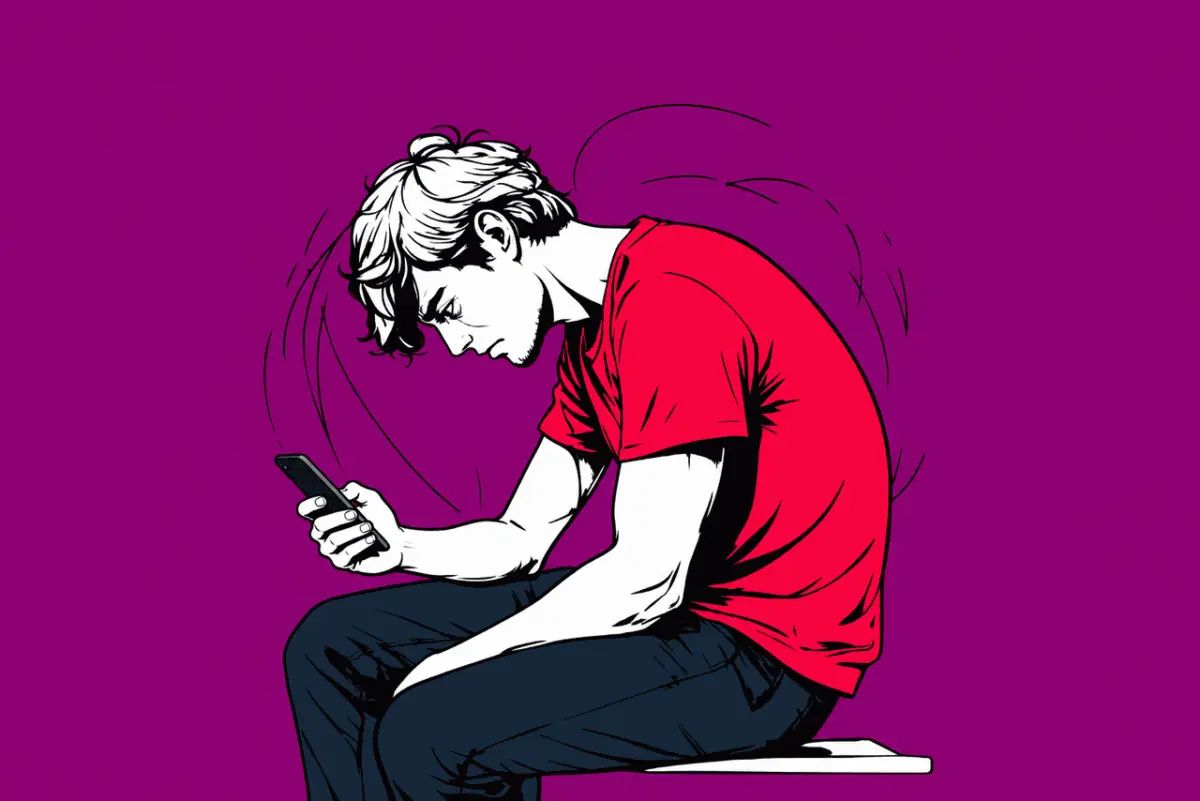
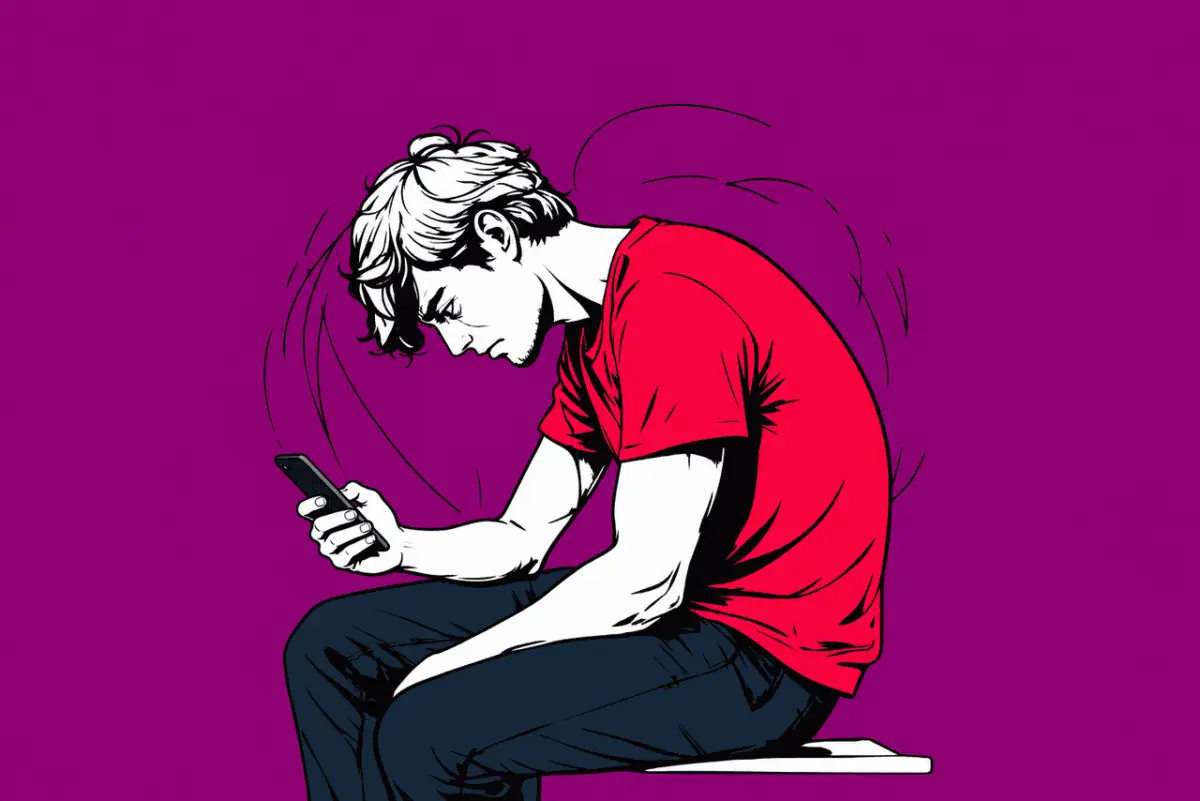
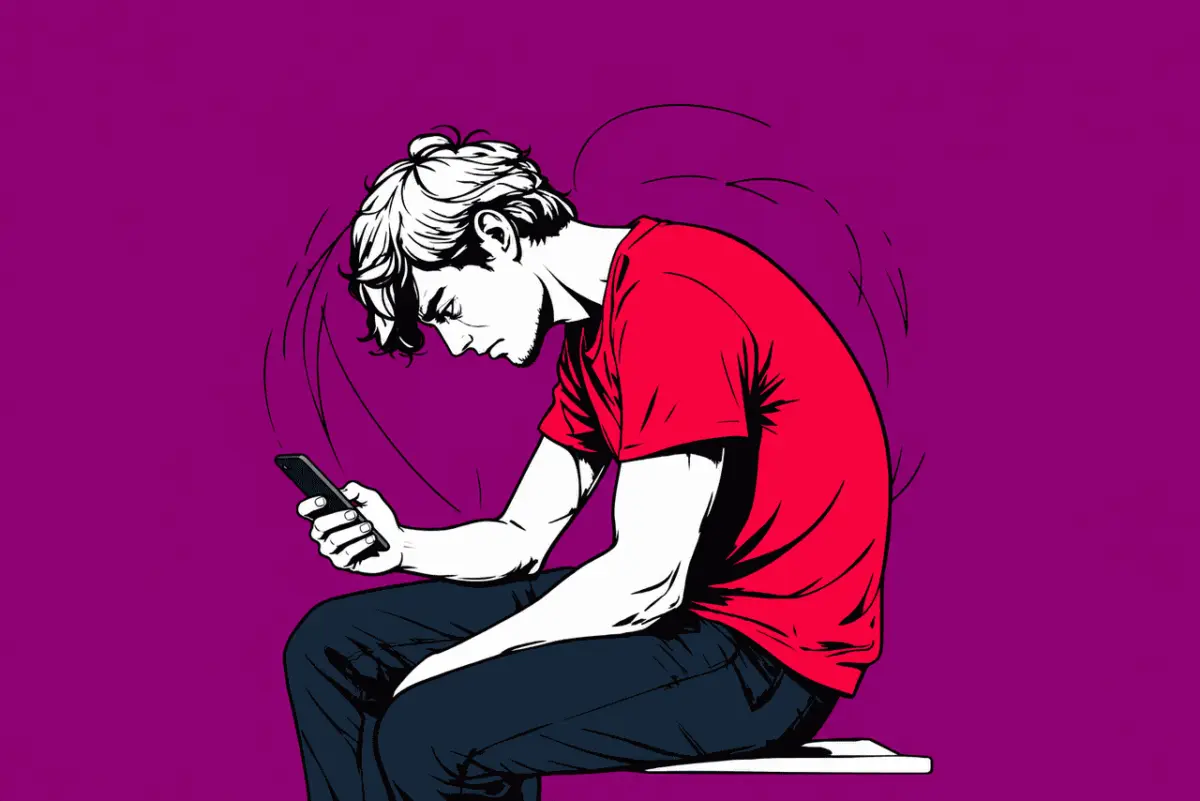
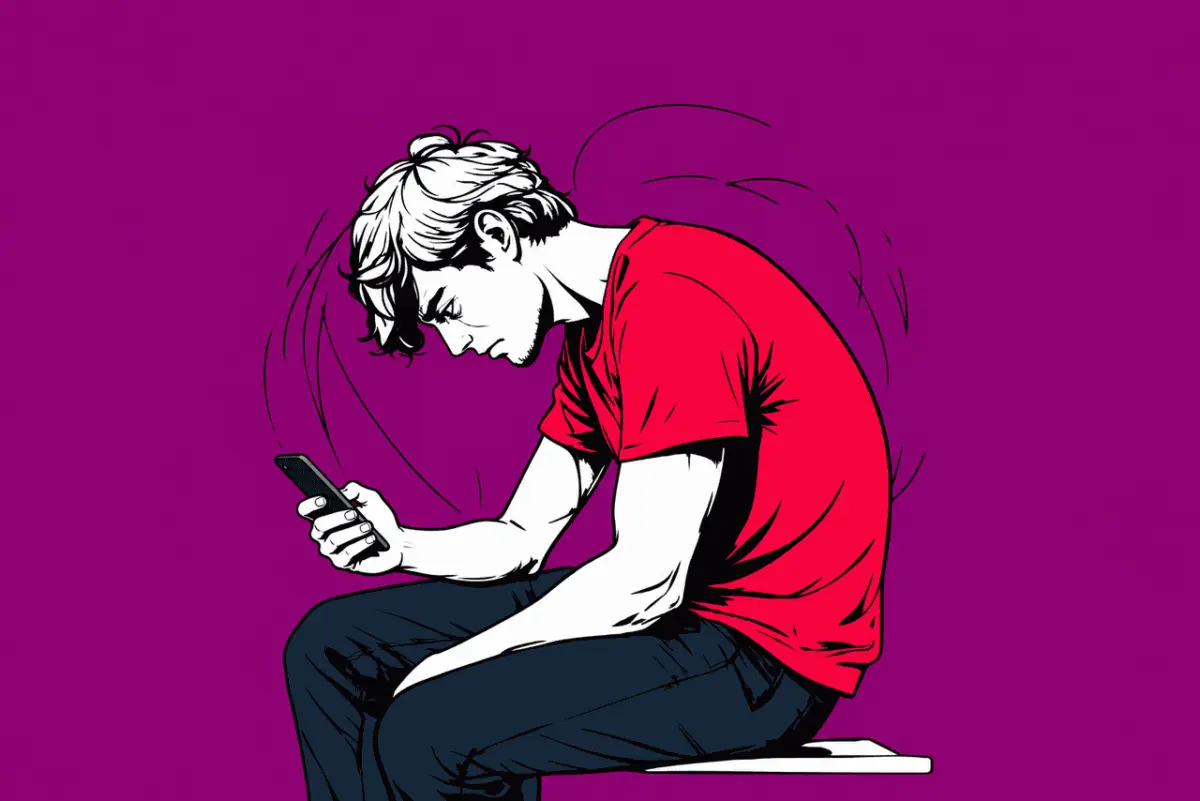
In an era dominated by hyper-independence, hustle culture, and the curation of flawless digital lives, a quiet crisis is unfolding behind closed doors. It does not often manifest as a catastrophic collapse or an acute public emergency; rather, it looks like a Tuesday night kitchen floor, a shattered glass jar of pasta sauce, and an individual who has finally run out of steam.
Mental health advocates and psychological researchers are increasingly shedding light on a pervasive phenomenon: the silent burnout of the "strong friend." For millions of individuals, self-reliance has morphed from a practical life skill into a defensive fortification—a heavy, self-imposed armor designed to fend off vulnerability, rejection, and the fear of being a burden.
As society continues to place a premium on resilience and capability, a critical question emerges: At what point does radical self-sufficiency cease to be an asset and instead become an isolating cage?
Chronology of a Breakdown: Anatomy of a Breaking Point
The trajectory of chronic emotional self-reliance rarely follows a straight line. Instead, it is built upon years of conditioning, micro-decisions, and cumulative exhaustion.
- The Foundation Years (Childhood to Early Adulthood): Individuals who become the "rocks" of their social and familial circles often learn early in life that their value is contingent upon their utility. Whether by absorbing parental stress, mediating household conflicts, or managing their own emotional distress without making waves, they internalize a core belief: My problems are a burden; my worth lies in fixing everyone else’s.
- The Maintenance Phase (Years of Hyper-Competence): Throughout young adulthood and career building, these individuals become the default fixers. They orchestrate events, absorb friends’ relationship crises, and manage demanding professional lives without asking for reciprocity. To the outside world, they appear exceptionally strong, capable, and wonderfully independent.
- The Slow Accumulation of Isolation: Because they project an image of absolute invulnerability, friends and colleagues naturally stop offering help. The individual interprets this isolation as confirmation of their hypothesis: No one is there for me because no one cares. In reality, they have trained their ecosystem to expect nothing in return.
- The Inciting Incident (The Collapse): The breaking point is almost never proportional to the trigger. It arrives in the form of a minor mishap—a missed deadline, a minor errand gone wrong, or, as documented in personal narratives shared by mental health writers, a jar of pasta sauce slipping from exhausted fingers and shattering on a freshly mopped floor.
- The Pivot to Vulnerability: The aftermath of the collapse forces a reckoning. Stripped of the illusion of absolute control, the individual faces a stark choice: rebuild the wall higher, or risk the terrifying, uncharted territory of asking for help.
Supporting Data and Psychological Insights: The Cost of Isolation
While cultural narratives frequently celebrate the "lone wolf" who pulls themselves up by their bootstraps, psychological data paints a starkly different picture regarding the human cost of chronic isolation and emotional withholding.
1. The Paradox of Control
Psychologists note that hyper-independence is rarely a sign of true strength; rather, it is a trauma or anxiety response. According to clinical observations, individuals who refuse assistance are often attempting to preemptively manage rejection. By ensuring they never ask for help, they guarantee they will never experience the pain of someone saying "no."
2. The Neurological Toll of Suppressed Stress
The human nervous system is not wired to process chronic stress in solitude. When individuals suppress their need for social support, cortisol and adrenaline levels remain elevated over prolonged periods. This chronic activation is linked in numerous health studies to sleep disturbances, weakened immune function, cardiovascular strain, and generalized anxiety disorders.
3. The Shift in Interpersonal Dynamics
Research into relationship health consistently highlights reciprocity as the cornerstone of intimacy. When one party acts exclusively as the caregiver and refuses to be cared for, relationships become fundamentally lopsided.
- Imbalance: The "strong friend" often harbors secret resentment, feeling unappreciated while simultaneously blocking others from stepping up.
- Deprivation: Friends and family members are frequently deprived of the opportunity to practice empathy and reciprocity, stunting the depth of the relationship.
Official Perspectives and Expert Commentary
Mental health professionals, sociologists, and wellness advocates have increasingly begun addressing the systemic roots of burnout linked to perfectionism and self-reliance.

Dr. Brené Brown, whose foundational research on vulnerability has shaped modern psychological discourse, frequently emphasizes that true courage lies in showing up without control over the outcome. In psychological frameworks, vulnerability is decoupled from weakness; instead, it is reframed as the absolute prerequisite for authentic connection.
"We cannot selectively numb emotions," mental health clinicians note when discussing the defense mechanisms of hyper-independent individuals. "When you build a wall high enough to keep out rejection, disappointment, and the fear of being a burden, you simultaneously lock out intimacy, reciprocal care, and relief."
Sociological observers point out that modern professional environments exacerbate this issue. Corporate cultures that reward output, relentless availability, and emotional stoicism often bleed into personal lives, making individuals feel that rest and weakness are moral failings. Consequently, dismantling the "strong friend" persona requires not just individual behavioral changes, but a broader cultural shift in how communities value human limits.
Implications: A Roadmap for Transitioning from Isolation to Community
Moving away from a lifetime of radical self-reliance is neither instantaneous nor comfortable. For those ready to step down from the role of the perpetual rock, clinical and peer-led frameworks suggest several deliberate, incremental steps.
Redefining Independence
True independence is not the absence of need; it is the capacity to manage life while exercising the wisdom to share heavy loads. Healthy interdependence acknowledges that humans are social mammals whose neurological and emotional wellbeing depends on mutual support.
Micro-Practices of Vulnerability
Attempting to share deep-seated trauma or heavy emotional burdens immediately can trigger a nervous system panic response. Experts recommend starting with micro-acts of openness:
- Admitting to fatigue when asked about one’s day rather than defaulting to an automatic, "I’m fine."
- Delegating minor physical tasks, such as asking a colleague or partner to carry an item or handle a simple errand.
- Allowing others to make mistakes without stepping in to rescue or correct them immediately.
Decoupling Productivity from Worth
A core hurdle for chronic fixers is the internalized belief that their value equals their utility. Healing involves cultivating a sense of self-worth independent of external validation or problem-solving. Engaging in non-instrumental hobbies—such as art, reading, or observing nature simply for enjoyment—helps rewire the brain to understand that existence does not require constant justification through labor.
Embracing the Messiness of Human Connection
When individuals begin lowering their walls, missteps will occur. Friends may occasionally drop the ball, forget a call, or fail to respond with perfect intuition. Rather than using these moments as proof that "doing it alone is safer," resilient relationship-building requires articulating hurt feelings without abandoning the connection entirely.
Conclusion: Putting Down the Heavy Bags
The journey from the lonely kitchen floor of chronic burnout to a balanced, supported life is ultimately an act of profound self-compassion. It requires acknowledging that the exhaustion was real, the weight was heavy, and the solitude was self-imposed out of a desire for survival.
For those who have spent decades carrying the world, the message from mental health advocates is clear and urgent: You do not have to earn your spot in the hearts of those who love you. Stepping down from the pedestal of the "strong friend" does not mean falling apart; it means finally allowing yourself to be held.