By Eco-Journalism Desk
Published: Sustainable Living & Environmental Policy Review
Main Facts: The Great Water Conservation Illusion
For decades, well-meaning environmental advice has boiled down to a handful of daily habits: turn off the tap while brushing your teeth, fix leaky faucets, and, most famously, shorten your showers. The narrative is deeply embedded in modern green culture—shaving a minute or two off your daily cleansing routine is widely touted as a foundational step toward saving the planet.
However, a closer look at environmental data reveals a startling disconnect between popular eco-tips and actual resource consumption. While shorter showers certainly contribute to household water savings, their cumulative impact is vastly overshadowed by systemic, hidden resource expenditures—most notably, the water required to produce the food we eat.
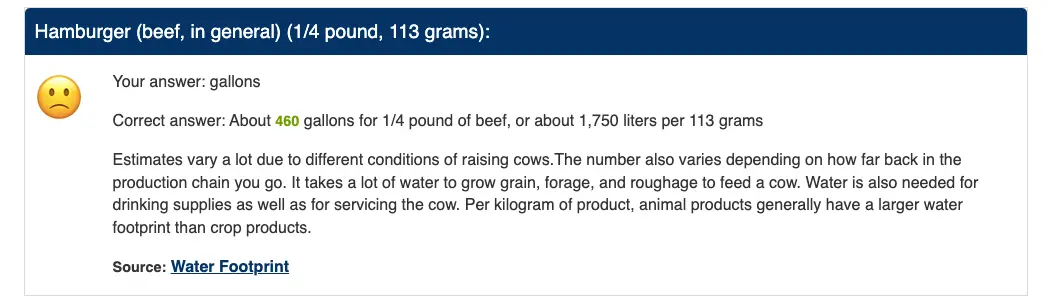
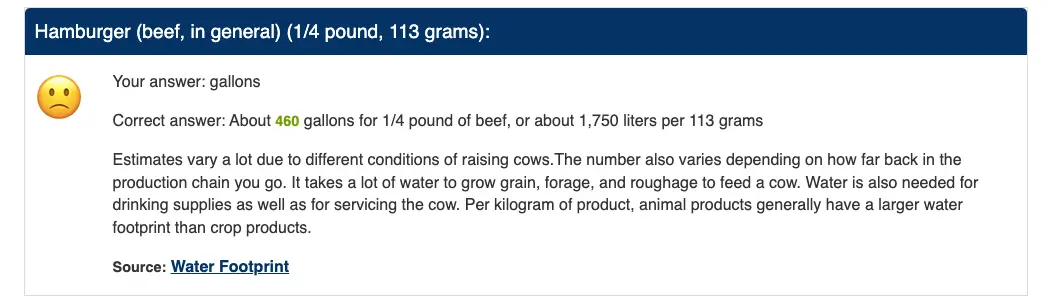
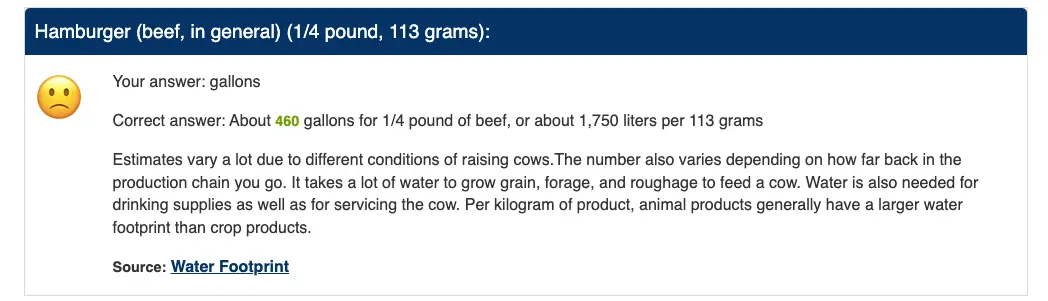
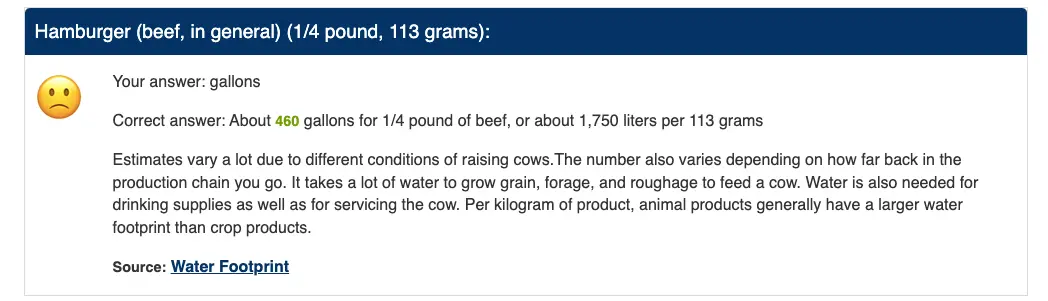
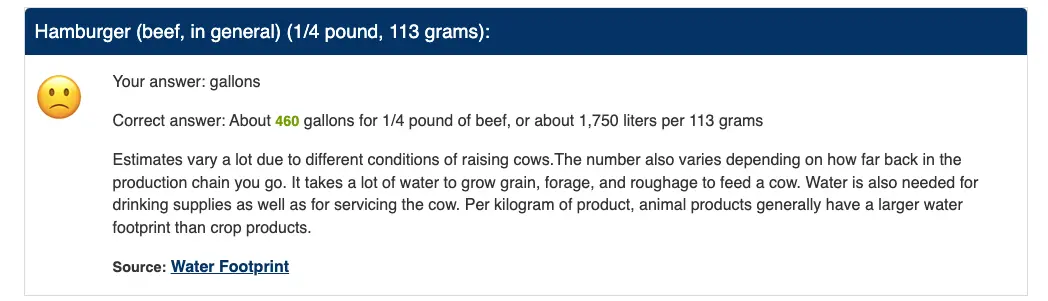
According to data compiled by the U.S. Geological Survey (USGS), a single pound of beef requires a staggering 1,840 gallons of water to produce. To put that into perspective, consuming just one quarter-pound of beef accounts for roughly 460 gallons of water. When compared against the daily water savings of cutting down shower times, the math exposes a profound reality: minor adjustments to personal hygiene routines pale in comparison to dietary choices when it comes to managing our collective water footprint.
Chronology: How the "Shorter Shower" Narrative Took Root
To understand how personal habits became the primary focus of water conservation, it helps to trace the evolution of environmental messaging over the last half-century.

1. The 1970s Energy and Water Crises (1970 – 1980)
The modern water-saving movement was forged during the resource shocks of the 1970s. Following severe droughts in various regions and the global oil crises, governments and grassroots environmentalists alike began pushing for domestic conservation. The logic was simple and immediate: municipal water treatment and household hot water heaters relied heavily on electricity and fossil fuels. Encouraging citizens to use less hot water simultaneously conserved energy and water.
2. The Rise of Eco-Guilt and Consumer Responsibility (1980 – 2000)
As the environmental movement matured into the late 20th century, mass media and corporate sustainability campaigns increasingly shifted the burden of conservation onto the individual consumer. Campaigns focused on tangible, household-level actions—recycling bins, low-flow plumbing fixtures, and shortened showers. While these initiatives fostered a culture of environmental mindfulness, they also popularized a framework of "eco-sacrifice," where saving the planet was frequently framed as an exercise in personal deprivation.
3. The Data Revolution and Lifecycle Assessments (2000 – Present)
With the advent of comprehensive lifecycle assessments (LCAs) and tools like the USGS water impact calculator, researchers began quantifying the "virtual water" embedded in everyday goods. Scientists realized that direct water consumption—what comes out of the household tap—represents only a fraction of human water use. The vast majority of water consumption occurs upstream in agriculture and industrial manufacturing, fundamentally challenging the long-standing emphasis on domestic habits like shower times.
Supporting Data: The Numbers Behind Showers vs. Steaks
To truly grasp the scale of resource allocation, one must break down the numbers provided by environmental agencies and hydrological researchers.
The Shower Math
Let us calculate the water footprint of a traditional, less-efficient showerhead operating at a flow rate of 2.5 gallons per minute (gpm):

- Per Minute: 2.5 gallons
- Per 2-Minute Reduction: 5 gallons saved per day
- Annual Savings (365 days): 1,825 gallons per year
Saving 1,825 gallons of water annually is certainly a positive step. But how does this stack up against agricultural metrics?
The Agricultural Reality
The USGS water impact calculator demonstrates that animal agriculture is intensely water-intensive, primarily due to the irrigation required to grow feed crops like corn and soy, alongside direct hydration and processing needs.
- Beef: Approximately 1,840 gallons per pound (or 460 gallons for a single quarter-pound burger patty).
- Chicken and Pork: While generally lower than beef, poultry and pork still demand hundreds of gallons of water per pound.
The Equivalency Equation
Let us run a direct comparison using the standard 2.5 gpm showerhead:
- One pound of beef requires 1,840 gallons of water.
- At 2.5 gallons per minute, consuming one pound of beef is equivalent to 736 minutes of showering.
In practical terms, an individual could take a continuous, 12-hour shower—or they could eat a single pound of beef. Both actions consume roughly the exact same volume of water. When framed this way, asking someone to endure months of cold or rushed showers while ignoring dietary choices misses the forest for the trees.
Official Responses and Expert Perspectives
Environmental scientists, sustainability consultants, and agricultural experts have increasingly weighed in on the efficacy of consumer-facing conservation campaigns.

Many sustainability advocates argue that while individual actions matter, they must be directed where they can have the highest impact. Scott Cooney, a serial eco-entrepreneur, sustainability consultant, and author, emphasizes the psychological hurdle of "eco-sacrifice":
"You hear it often enough—want to save the planet? Try shaving 2 minutes off your shower every day. And yes, you could, of course, do that. But doesn’t that feel like a sacrifice? And we’re all about saving the planet, but doing so without it ever feeling like a sacrifice."
Experts point out that lifestyle changes driven by a sense of constant deprivation often lead to burnout. If consumers feel that saving the planet requires making their daily routines uncomfortable—such as racing through a shower—they are less likely to maintain long-term sustainable behaviors. Conversely, shifting focus toward high-impact, low-sacrifice interventions—such as reducing meat consumption a few days a week or installing high-efficiency appliances—yields massive environmental dividends without requiring daily penance.
Furthermore, municipal water authorities note that while indoor residential water use accounts for a visible portion of urban demand, agricultural irrigation accounts for roughly 80% of total water consumption in regions like the western United States. Consequently, policy changes and agricultural efficiency improvements hold vastly superior potential for drought mitigation compared to domestic behavioral campaigns alone.
Implications: A Paradigm Shift in Environmental Advocacy
The realization that a single steak outweighs months of shortened showers carries profound implications for how we approach environmental education, consumer marketing, and personal sustainability.

1. Moving Beyond "Eco-Guilt"
The traditional model of environmentalism has frequently relied on moral scolding, encouraging individuals to feel guilty about daily luxuries. The data suggests this approach is both inefficient and psychologically draining. A modern framework should prioritize transparency and empower consumers with accurate data, allowing them to make high-impact choices—like shifting dietary patterns or choosing plant-forward meals—without feeling the need to suffer through shortened showers.
2. Redefining Sustainability Metrics
Corporations, policymakers, and green-living advocates must update their messaging to reflect lifecycle analysis. When designing campaigns for water conservation, public service announcements should direct attention toward systemic drivers of resource depletion, such as agricultural supply chains and industrial efficiency, rather than placing an unfair burden of proof on residential bathroom habits.
3. Empowerment Through Smart Choices
Ultimately, saving the planet does not have to feel like an exercise in asceticism. By understanding where the heaviest resource footprints actually lie, consumers can make informed, effortless adjustments. Enjoying a hot, relaxing shower while mindfully moderating meat consumption represents a balanced, sustainable path forward—proving that ecological responsibility and personal comfort can comfortably coexist.