







Main Facts: The Phenomenon of Alligator Dreams
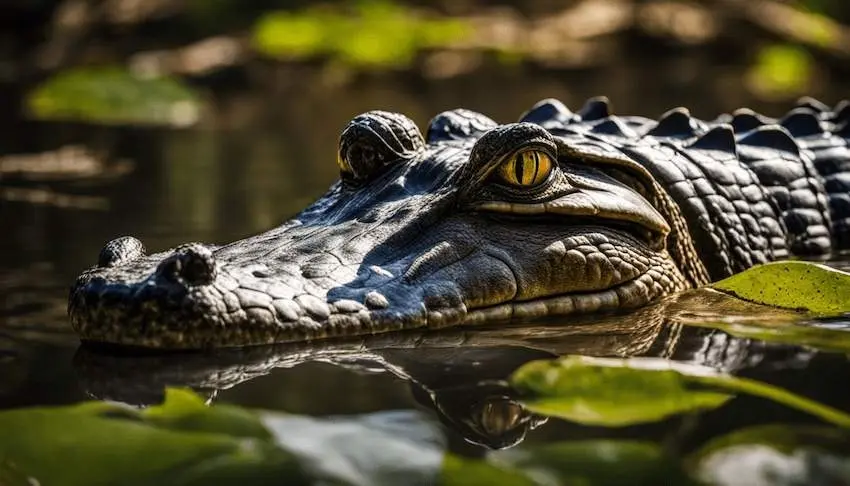
When an alligator breaches the murky waters of a nocturnal vision, it rarely arrives without purpose. In the realm of oneirology—the scientific and psychological study of dreams—few symbols command as immediate an emotional response as this prehistoric apex predator. Encounters with crocodilian creatures in the dreamscape serve as a visceral bridge between the conscious mind and the untamed depths of the human subconscious.
Characterized by armored skin, immense jaw strength, and a lineage stretching back millions of years, the alligator functions archetypally as a living fossil. It represents survival, primal instincts, and unyielding ancient power. According to contemporary sleep research and psychological frameworks, dreaming of an alligator typically surfaces during periods of profound emotional turbulence, life transitions, or unacknowledged waking-life threats.
Far from being mere random firings of neurons during rapid eye movement (REM) sleep, these dreams act as urgent dispatches from the psyche. They force the dreamer to confront issues they may be actively avoiding in their waking hours. Whether the reptile is lurking silently beneath the surface, launching a ferocious attack, or peacefully basking on a distant bank, every scenario provides a diagnostic mirror reflecting the dreamer’s internal state, power dynamics, and psychological defenses.
Chronology: The Evolution of Dream Analysis and Alligator Symbolism
To understand why modern individuals still react with visceral dread and fascination to alligator dreams, one must examine the chronological progression of how humanity has interpreted dream symbols throughout history.
Antiquity and Mythological Origins
Long before psychoanalysis formalized the study of the mind, ancient civilizations attributed spiritual and psychological weight to reptilian water-dwellers. In ancient Egypt, the Nile crocodile—a close biological cousin of the alligator—was personified in the deity Sobek. Sobek represented the dual forces of creation and destruction, fertility, and sudden, catastrophic power. Ancient peoples recognized that the riverbanks where these creatures hunted were places of high risk and high reward, mirroring the unpredictable nature of fate and human survival.
The Rise of Psychoanalysis (Late 19th to Mid 20th Century)
The systematic interpretation of dreams underwent a paradigm shift with the advent of psychoanalysis. Sigmund Freud, writing in the early 1900s, revolutionized the field by framing dreams as the "royal road to the unconscious," driven by repressed desires and unresolved internal conflicts. In a Freudian framework, a predatory reptile like an alligator serves as a manifest symbol for suppressed aggressive impulses, primal sexual urges, or deep-seated anxieties regarding control and vulnerability.
Shortly thereafter, Carl Jung expanded upon this foundation by introducing the concept of the "collective unconscious" and archetypes. For Jung, an alligator encountered in a dream is a direct manifestation of the shadow self—the hidden, unacknowledged, or repressed aspects of an individual’s personality. Jungian theory posits that confronting these terrifying figures is essential for psychological integration and individuation.
The Modern Era: Integrative Oneirology
In contemporary psychology, dream analysis has moved away from rigid dogmatic interpretations toward a more holistic, client-centered approach. Today, cognitive-behavioral therapists, Jungian analysts, and holistic wellness practitioners view alligator dreams not as fixed omens, but as personalized metaphors. The focus has shifted toward emotional self-regulation, mindfulness, and the proactive navigation of waking-life stressors.
Supporting Data and Common Dream Scenarios
To assist individuals in decoding their nocturnal experiences, dream researchers categorize alligator encounters into distinct scenarios, each carrying unique diagnostic implications. The following data matrix outlines the most frequently reported alligator dream scenarios and their corresponding psychological interpretations:
| Dream Scenario | Potential Psychological Meaning |
|---|---|
| Being attacked by an alligator | Facing verbal assaults, harsh criticism, or an aggressively threatening situation in waking life. |
| Alligator consuming prey | Obsessive thought patterns, unresolved dilemmas, or issues that are "eating away" at the dreamer’s peace of mind. |
| Attacking an alligator | Assertion of personal boundaries, standing up against a bully, or finding the internal courage to face long-standing fears. |
| Encountering a baby alligator | The emergence of a new project, early-stage creativity, or the necessity to cultivate resilience against nascent challenges. |
| Navigating alligator-infested waters | Heightened anxiety and the fear of potential threats (often outstripping actual dangers); chronic, neglected problems. |
| An alligator lurking beneath the surface | Submerged anxieties, brewing tensions, or unrecognized shadow traits beginning to demand conscious awareness. |
| Discovering a dead alligator | The peaceful or abrupt conclusion of a conflict; the symbolic elimination of a toxic habit or self-defeating behavior. |
| Alligators fighting another animal | External interpersonal conflict or severe internal turmoil forcing the dreamer to evaluate their role as aggressor or victim. |
| Successfully escaping an attack | The psychological or physical liberation from a toxic relationship, oppressive work environment, or abusive situation. |
| Observing an alligator from a distance | A known, looming threat or uncomfortable truth that the individual is consciously choosing to ignore. |
Official Perspectives: Freudian and Jungian Interpretations
The Freudian Lens: Drives and Repression
From a classical Freudian perspective, the alligator’s potent symbolism is deeply intertwined with the id—the most primitive and instinctual part of the human mind. Freud would argue that a dream featuring a sudden, aggressive alligator attack points directly to pent-up aggressive energy or forbidden desires that the conscious ego has forcefully repressed.
Because the alligator is a cold-blooded hunter that strikes without warning, it serves as an ideal vessel for the anxiety of losing control. When an individual represses their primal instincts—such as anger, territoriality, or passion—those impulses do not simply vanish; rather, they fester in the unconscious, eventually mutating into terrifying nocturnal predators that threaten to drag the dreamer into the dark depths.
The Jungian Perspective: Confronting the Shadow
Conversely, Dr. Carl Jung would approach the alligator dream through the lens of the shadow. The shadow encompasses all the traits, emotions, and impulses that an individual rejects in themselves because they are deemed socially unacceptable, frightening, or uncivilized.
By projecting these elements onto an alligator, the psyche alerts the dreamer to parts of their own personality that require integration. For instance, an individual who is overly passive in waking life may dream of an aggressive alligator, symbolizing their own unclaimed assertiveness and personal power. By acknowledging, accepting, and ultimately channeling this "shadow" energy, the dreamer achieves a higher degree of psychological wholeness and self-mastery.
Implications: Spiritual Dimensions, Emotional Healing, and Practical Introspection
Beyond clinical psychology, alligator dreams hold profound spiritual and existential implications. Across various shamanic and metaphysical traditions, the alligator is regarded as a master teacher of survival, adaptability, and emotional boundary-setting.
Archetypal Energy and Personal Transformation
Drawing parallels to ancient archetypes—such as the Egyptian crocodile god Sobek—reminds us that creation and destruction are inextricably linked. In human terms, an old phase of life, a broken relationship, or a stagnant career must often be metaphorically "destroyed" or left behind to clear the path for personal rebirth. Embracing the alligator as a spiritual guide encourages individuals to navigate life’s rapid currents with unshakeable resilience, recognizing that adversity is frequently the catalyst for profound transformation.
Translating Vision into Insight: Dream Journaling Prompts
To harness the therapeutic potential of these nocturnal visitations, psychological experts recommend active engagement through dream journaling. Transforming a frightening dream into an instrument of self-discovery requires structured introspection. Individuals experiencing alligator dreams are encouraged to meditate on the following reflective prompts:
- Emotional Inventory: What was my precise emotional state immediately before, during, and after the alligator appeared in the dream?
- Waking Parallels: Where in my current waking life—whether in my career, relationships, or personal ambitions—do I feel hunted, vulnerable, or forced to tread carefully?
- Hidden Power: Am I currently suppressing my own assertiveness and voice, or am I projecting my aggression onto external circumstances?
- Proactive Resolution: What is the "alligator beneath the surface" in my daily routine—the neglected issue or conversation that I need to address before it erupts?
Conclusion: Embracing the Depths
When alligators slide silently into the theater of our dreams, they deliver an undeniable summons from the deepest trenches of the human psyche. They challenge us to stop running from our fears, to dive fearlessly into the murky waters of our own uncertainties, and to wrestle with the untamed truths waiting beneath the surface.
By interpreting these ancient, fierce guardians through the lenses of modern psychology, classical psychoanalysis, and spiritual tradition, we transform nocturnal terror into a masterclass in self-awareness. Ultimately, the alligator does not appear to destroy us; it arrives to remind us of our own formidable capacity for survival, resilience, and profound inner strength.