ST. LOUIS, MISSOURI — In this week’s roundup of community developments, the intersection of modern Paganism, contemporary media, and sociopolitical organizing takes center stage. From conservative Christian commentary on Hollywood’s latest witch-centric releases to a groundbreaking queer-focused ritual space at St. Louis’s Tower Grove Pride, the modern magical community continues to navigate its expanding footprint in the public eye. Meanwhile, organizations across North America are rolling out their autumn programming, academic surveys on artificial intelligence are gathering momentum, and international literary collaborations are offering new platforms for artistic expression.
Main Facts
The current landscape of contemporary Paganism and Witchcraft is experiencing a dual reality of mainstream cultural integration and localized institutional realignment.
Media Backlash: Recent and upcoming positive depictions of Witchcraft in popular entertainment—specifically the movie Practical Magic 2 and Disney’s forthcoming teen series Coven Academy—have sparked concern and theological critique among conservative Christian publications, including Woman Alive and the media watchdog organization Movieguide.
Queer-Centric Magical Spaces: At Tower Grove Pride in St. Louis, organizers have launched the "Witches’ Moot," a dedicated space uniting spellcraft and LGBTQIA+ identities. Spearheaded by local practitioners Stephanie Diedre and Zoe, the initiative provides an alternative to traditional local Pagan events following disruptions at previous gatherings.
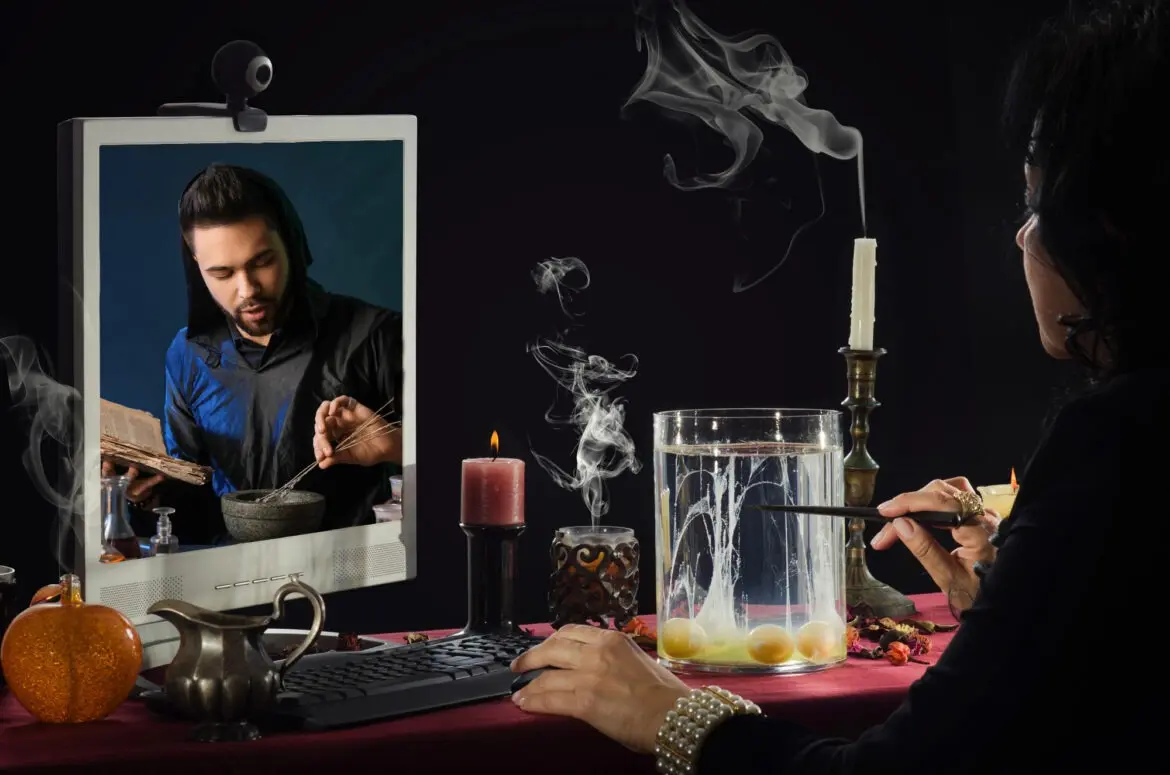
AI and Spirituality Research: Author and researcher Yvonne Aburrow has launched a broad, anonymous online survey to canvas Pagan, Heathen, polytheist, and animist perspectives on generative artificial intelligence, following an earlier call for contributions to an upcoming anthology.
Fall Festival and Event Circuit: Major seasonal gatherings are underway, including the Aquarian Tabernacle Church’s Hekate’s Sickle Festival on Orcas Island, Washington, Ardantane’s online bibliophile program For The Love of Books, and the EarthSpirit Community’s autumn rituals in Western Massachusetts.
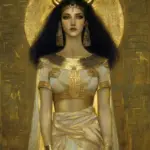
International Literary Call:Coreopsis Journal and Worldsmyths have opened submissions for Spellbound, the first volume of a fantasy anthology inspired by the paintings of Ukrainian artist Inna Vjuzhanina.
Chronology of Recent Developments
The past several weeks have seen a rapid succession of announcements, cultural releases, and organizational shifts across the broader Pagan community:
Mid-September 2026: Conservative Christian outlets publish theological critiques of Practical Magic 2 and warnings regarding Disney’s Coven Academy, highlighting cultural anxieties over positive media portrayals of Witches.
September 13, 2026: The EarthSpirit Community hosts its Autumnal Equinox Ritual and Sacred Land Walk at Glenwood in Western Massachusetts, setting the stage for its autumn calendar.
Late September 2026: Preparations culminate for the inaugural Witches’ Moot at Tower Grove Pride in St. Louis, organized over a compressed two-month window to foster a queer-centric magical environment.
September 24, 2026: Comprehensive community notes, including Yvonne Aburrow’s AI survey and calls for the Spellbound literary anthology, are published, highlighting the synthesis of modern technology, art, and traditional praxis.
October through December 2026: A packed schedule of events unfolds, ranging from Ardantane’s For The Love of Books online symposium on October 17 to the Hekate’s Sickle Festival in Washington State from November 6–8, culminating in a December 1 submission deadline for the Spellbound anthology.
Supporting Data and Context
The events featured in this week’s notes reflect broader demographic and cultural trends within modern Paganism, which has increasingly intersected with social justice, technological ethics, and mainstream media consumption.
Media Reach: The anxiety expressed by groups like Movieguide underscores the massive reach of family-oriented fantasy media. Coven Academy and cinematic projects like Practical Magic 2 introduce magical frameworks—traditionally viewed by orthodox religious institutions as taboo—to adolescent and young adult audiences as symbols of empowerment, agency, and community.
Organizational Shift in St. Louis: The creation of the Witches’ Moot at Tower Grove Pride highlights a localized pivot away from older institutional spaces. Following administrative and security concerns at the St. Louis Pagan Picnic—particularly regarding an incident involving white supremacists in 2025—organizers like Stephanie Diedre sought out municipal independence and stronger alignment with LGBTQIA+ safety frameworks, partnering directly with Tower Grove Pride.
Academic and Literary Engagement: Projects like Yvonne Aburrow’s AI survey and the Spellbound anthology demonstrate the community’s proactive engagement with modern existential questions. By examining how artificial intelligence impacts animist worldviews and partnering with Ukrainian artists enduring wartime conditions, contemporary Pagans are connecting ancient spiritual philosophies to twenty-first-century realities.
Official Responses and Perspectives
Reactions from community leaders, cultural commentators, and organizers illustrate the diverse ways modern practitioners view their place in contemporary society.
Theological Critiques vs. Cultural Realities
Writing for Woman Alive, theological commentator Hope Bonarcher analyzed the cultural fascination with Witchcraft through a Christian lens. While interpreting magical tropes—such as inherited spiritual burdens, blood rituals, and self-sacrifice—as "counterfeits" of Christian doctrine, her commentary also inadvertently highlighted the mundane reality of modern practitioners: humorously noting her own anxieties while sitting among potential Witches in a dark movie theater. Conversely, Movieguide cautioned parents against Disney’s Coven Academy, arguing that framing Witchcraft as a tool for adolescent identity formation, romance, and fighting evil poses a spiritual risk to youth.
The Vision Behind the Witches’ Moot
For the organizers of the Witches’ Moot, the event represents a vital fusion of spiritual liberation and queer solidarity.
"I think today we take the intersection of Queer folk and magick for granted, when many of our Queer magickal ancestors like Eddie Buczynski were ostracized from traditional Wiccan circles due to their sexuality," said co-organizer Zoe. "In today’s world, I think LGBTQIA communities are realizing a lot of things we considered settled, solid ground are in fact eroding under our feet… So this is a way to say, we are still here, we are still queer, and we are still going to rule the world."
Primary organizer Stephanie Diedre emphasized that the Moot is not meant to rival existing festivals like the Pagan Picnic, but rather to cater to practitioners seeking deeper, darker, or more explicitly marginalized perspectives, including workshops on unseating rigid gender binaries in divination and engaging in cross-cultural magical exchange.
Festival and Institutional Statements
Speaking on the upcoming Hekate’s Sickle Festival, Belladonna LaVeau, Archpriestess and CEO of the Aquarian Tabernacle Church, stressed the enduring necessity of wild, immersive spaces for modern Witches.
"While the amenities of the hotel are comfortable, Witches want to be in the wild woods, under the moon, with firelight, and drums," LaVeau remarked. "Hekate’s Sickle is a witch retreat, dedicated to magic, deepening your connection with deity and each other, so we can return to our lives strengthened by shared mystery and sacred work."
Implications for the Future
The developments captured in this week’s community notes point toward several long-term trends for modern Paganism, Witchcraft, and related esoteric traditions:
Mainstream Assimilation and Counter-Response: As magical themes become normalized in mainstream cinema and television, cultural friction with traditional religious institutions is likely to intensify. This visibility presents both opportunities for public education and challenges regarding misrepresentation or moral panic.
Intersectionality as a Survival Mechanism: The success of initiatives like the Witches’ Moot demonstrates that modern practitioners are increasingly prioritizing intersectional safety, inclusivity, and political agency. As traditional spaces face administrative or ideological fractures, queer-centric and decentralized gatherings are establishing themselves as resilient models for community survival.
Global and Technological Integration: Through collaborative international art projects—such as the Spellbound anthology featuring Ukrainian artist Inna Vjuzhanina—and critical examinations of generative AI via Yvonne Aburrow’s survey, the Pagan community is proving its capacity to engage with global humanitarian crises and technological disruptions through a distinctively spiritual lens.