








Main Facts: The Anatomy of an Approaching Agrarian Crisis
As global supply chains buckle under the dual pressures of persistent geopolitical conflict and surging energy costs, agricultural experts and industry insiders are warning of an impending structural collapse in the international food market. According to recent wholesale procurement data from major alternative food distributors, the foundational pillars of the global food system—spanning international shipping, chemical fertilizers, and fuel logistics—are showing advanced signs of systemic failure.
Industry analysts project that a full-scale global food shock will materialize by 2027, driven by a compounding convergence of war, weather disruptions, warehousing deficits, water scarcity, and systemic waste. Far from being a temporary market fluctuation, current economic indicators suggest that consumer price pressures are structurally locked in. Consequently, economists and supply chain veterans argue that the grocery prices consumers face today represent the absolute baseline—the cheapest food the public will see for the foreseeable future.
Wholesale metrics underscore the severity of the squeeze. Sourcing costs for staple survival items, such as bulk freeze-dried fruits, have experienced dramatic upward revisions. Wholesale units that previously commanded $50 to $60 now range between $80 and $90. Simultaneously, upstream suppliers report inventory allocations slashed by as much as 75%. Similar contractions are evident across raw commodities: cacao powder availability from primary overseas sources has plummeted by upwards of 86%, falling from historical baselines of 250 pallets down to a mere 35 pallets. This drop does not stem from a transient surge in consumer demand, but rather from a profound, structural breakdown in the arteries of global trade.
Chronology: How the Food Supply Chain Unraveled
To understand how the global food economy arrived at this precipice, it is necessary to examine the cascading timeline of supply chain disruptions over recent years.
- The Post-Pandemic Inflationary Baseline (2021–2023): Following the global economic shocks of the COVID-19 pandemic, consumer food inflation hovered significantly above its historical baseline of roughly 2.5%. While central banks anticipated these pressures to be transitory, structural bottlenecks in labor, packaging, and maritime logistics proved sticky.
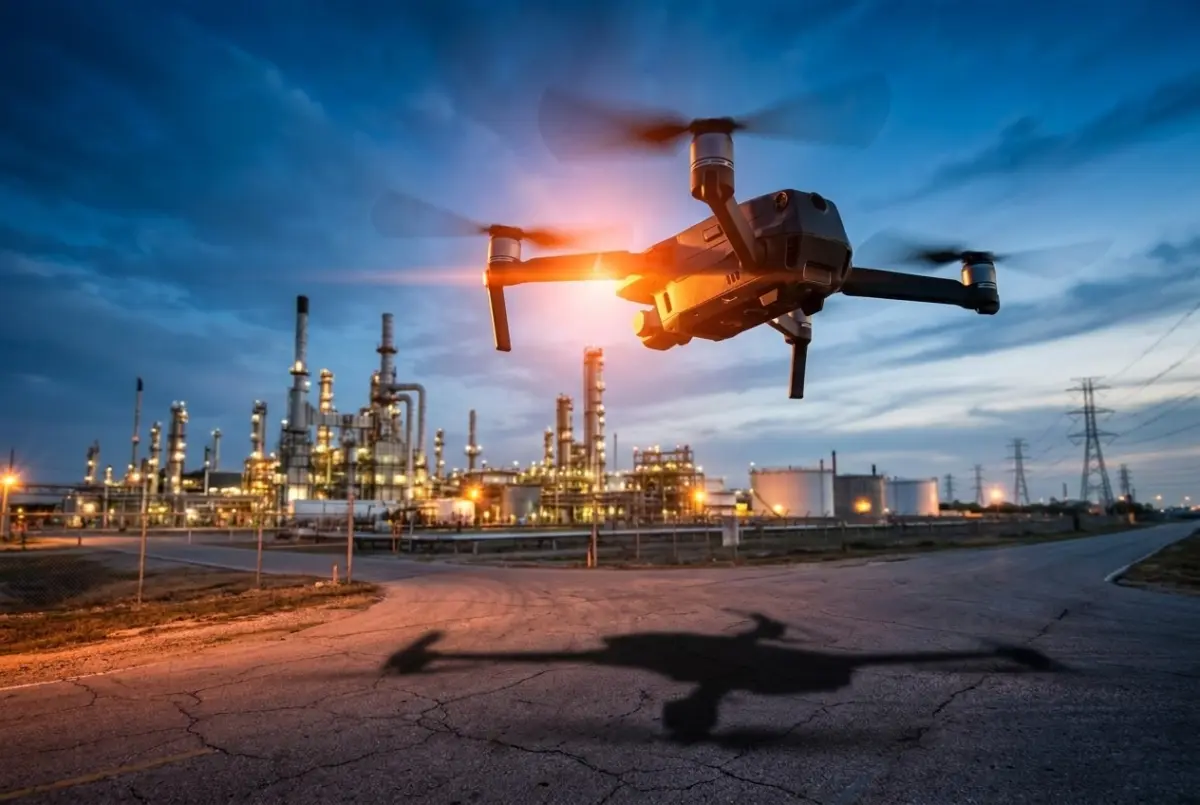
- The Energy and Refining Squeeze (2023–2024): Escalating geopolitical tensions—particularly the war in Ukraine and subsequent strikes on strategic fuel refineries—began to severely restrict global diesel production. As refining capacities dropped, fuel costs surged, directly inflating the cost of moving agricultural goods from farm to table.
- The Middle East Chokepoint and Fertilizer Crisis (2024–2025): The intensification of conflicts in the Middle East led to the effective closure of critical maritime arteries, most notably the Strait of Hormuz. Because nearly half of the world’s nitrogen-based fertilizer components transit through or near this corridor, the bottleneck choked off the chemical inputs required for modern industrial agriculture.
- Wholesale Inventory Collapse (Late 2025–Present): Major food suppliers began reporting drastic inventory reductions and double-digit wholesale price escalations. Procurement meetings across the distribution sector revealed that agricultural inputs were no longer merely expensive; they were frequently unavailable in commercial quantities.
- Projected Apex: The 2027 Global Food Shock: Based on current energy recovery timelines—estimated by the International Energy Agency to take up to two years for Persian Gulf infrastructure alone—experts project that the full impact of depleted fertilizer applications and constrained fuel supplies will culminate in a widespread food shock by 2027.
Supporting Data: The Hard Numbers Behind the Crisis
The unfolding food crisis is quantified by hard metrics concerning energy, logistics, and raw agricultural yields.
Diesel and Transportation Costs
Diesel remains the single most critical price point in the global food economy, powering every phase of agricultural production from heavy harvesting equipment to cross-country transport trucks, refrigerated rail cars, and maritime cargo vessels. National average diesel prices have climbed past the $6-per-gallon mark in the United States, with regional hubs like San Francisco and parts of California exceeding $8 per gallon. Major domestic fuel refiners have issued warnings regarding historic supply squeezes. These pressures have prompted policymakers to weigh unprecedented measures, including discussions around invoking the Defense Production Act—a tool historically reserved for national defense manufacturing—solely to expand domestic fuel refining capacity.
Fertilizer and the Nitrogen Bottleneck
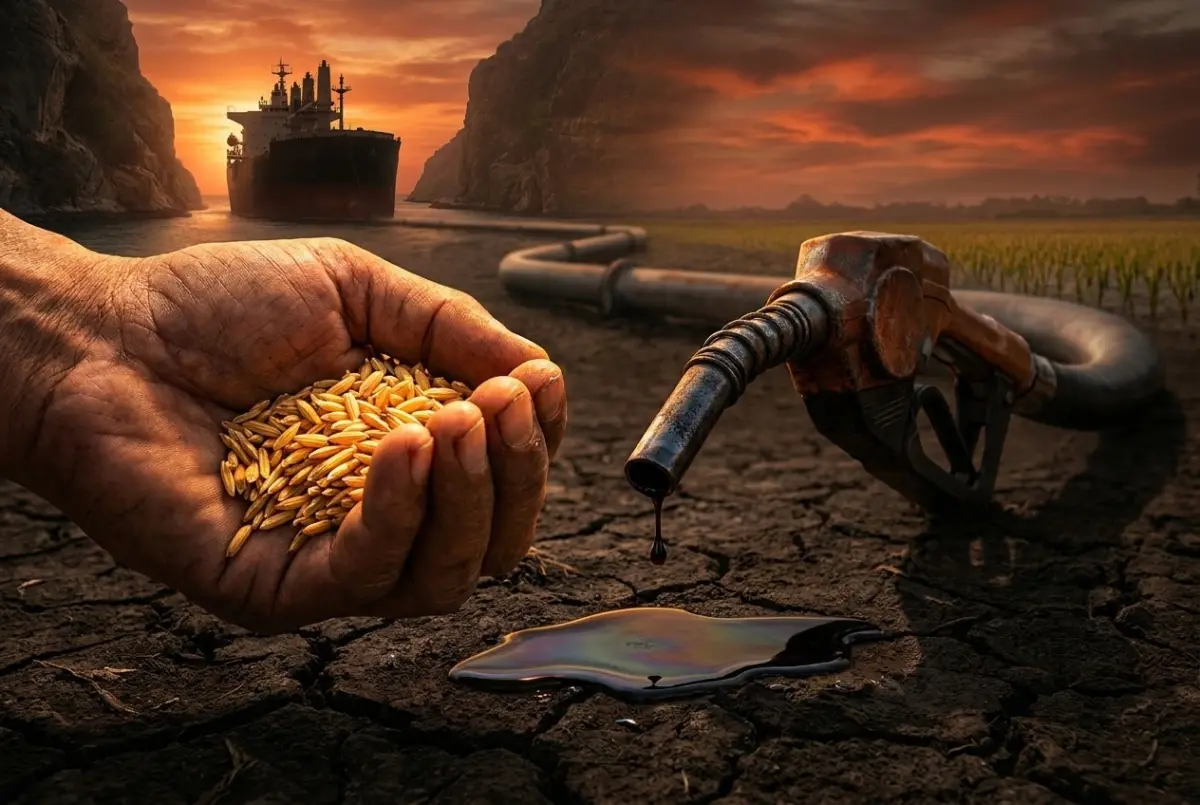
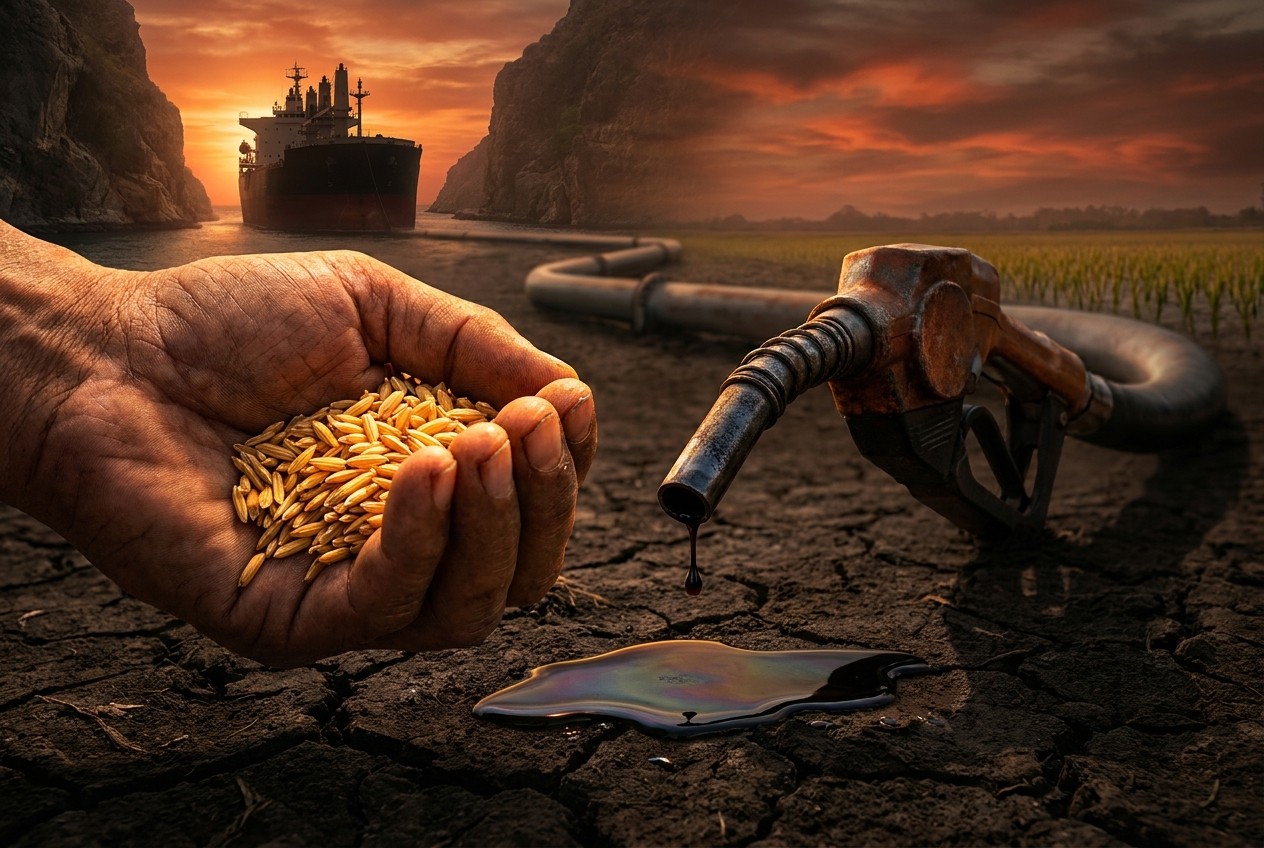
Modern high-yield agriculture is fundamentally dependent on synthetic nitrogen fertilizers manufactured using natural gas. The disruption of supply routes through the Strait of Hormuz has severely compromised the global distribution of these essential chemical inputs. Without adequate nitrogen fertilizer, crop yields for staple grains—including corn, wheat, and rice—are projected to decline significantly. While major agribusiness corporations possess some hedging strategies and credit lines to weather short-term spikes, subsistence farmers across Africa, Southeast Asia, and South America face immediate economic barriers, often leading them to skip planting cycles entirely.
Financial Sector Assessments
Mainstream financial institutions have begun publishing stark warnings regarding long-term agricultural stability. A comprehensive report by JPMorgan titled Food Security Is National Security: A Compounding Storm warns that the next global food crisis is already taking shape and will not be short-lived. Similarly, analysts at UBS have concluded that structural forces will keep global food inflation permanently elevated well above pre-pandemic norms, effectively ending the era of historically cheap food.
Official Responses and Geopolitical Realities
The political establishment and international bodies face intense pressure to address the mounting crisis, yet official responses have often clashed with ground-level economic realities.
International energy and agricultural agencies have consistently underscored the vulnerability of global trade routes. The International Energy Agency (IEA) has cautioned that a full recovery of energy and gas production infrastructure damaged during regional conflicts could require up to two years. This extended timeline ensures that elevated transportation costs will remain embedded in the final retail price of basic commodities like bread, milk, and rice for the foreseeable future.
Meanwhile, political rhetoric surrounding regional conflicts and trade route security has created a divergence between official statements and operational facts on the ground. While political leaders have frequently asserted that strategic chokepoints remain secure or that adversarial supply threats have been neutralized, commercial shipping and logistics data tell a different story. Flow volumes through vital trade corridors remain depressed compared to previous years, and primary commodity brokers continue to price in high-risk premiums. Critics and industry insiders argue that public officials downplay the severity of the agricultural outlook to stave off widespread public panic and manage political optics ahead of electoral cycles.
Implications: Navigating a New Economic Reality
The convergence of constrained fuel supplies, fertilizer deficits, and dwindling wholesale inventories carries profound implications for global stability, national economies, and household preparedness.
Global Famine Risks and Price Projections
Economists specializing in agricultural commodities project that real global food inflation could average more than 25% over the coming year, with localized surges reaching 50% to 100% in vulnerable regions dependent on imported grain and chemical inputs. For hundreds of millions of people in developing nations, the inability to secure affordable fertilizer and diesel translates directly to depressed harvest yields and an escalating risk of localized famine.
The Shift Toward Consumer Self-Reliance
As commercial supply chains face multi-year headwinds, consumer behavior is undergoing a fundamental shift. Analysts within the alternative food distribution and homesteading sectors emphasize that reliance on centralized bureaucratic intervention or government subsidies is increasingly untenable. Instead, emphasis is shifting toward individual and community resilience:
- Pantry Stockpiling: Securing long-shelf-life, lab-tested emergency food supplies while current wholesale pricing structures remain accessible.
- Home Production: Cultivating localized food sources, establishing backyard and community gardens, and engaging in micro-scale food production such as indoor sprouting.
- Skill Acquisition: Re-learning traditional homesteading, food preservation, and permaculture techniques that insulate households from centralized market disruptions.
Ultimately, the impending global food shock serves as a stark reminder of the fragility inherent in hyper-optimized, globalized supply chains. As the structural era of cheap food draws to a close, proactive preparation and decentralized self-reliance are increasingly viewed by pragmatic observers as the most rational response to a rapidly changing economic landscape.