









WASHINGTON — For decades, the morning meal has been synonymous with the humble egg. Boasting approximately 6 grams of high-quality protein per shell, eggs have long reigned as the undisputed king of the breakfast table, prized for their versatility, affordability, and nutritional profile. However, a growing segment of the population is waking up to a different morning routine.
Whether driven by food allergies, ethical choices, environmental concerns, shifting dietary restrictions, or simple palate fatigue, millions of consumers are looking past the traditional scramble. In response to this culinary shift, a recent comprehensive report published by Health.com has illuminated a diverse array of seven high-protein, egg-free breakfast options. Drawing on data from the U.S. Department of Agriculture (USDA), insights from registered dietitians, and findings from nutrition researchers, the report demonstrates that building a robust, protein-packed morning meal without eggs is not only possible—it can also introduce unprecedented variety to the diet.
Crucially, the report does not rank these seven alternatives, nor does it crown a single "best" choice. Instead, it emphasizes flexibility, showcasing how various plant-based, dairy, and lean animal proteins can seamlessly integrate into different dietary patterns, including vegetarian, vegan, and flexitarian lifestyles.
Main Facts: The Egg-Free Protein Landscape
The core revelation of the Health.com report is that obtaining a substantial dose of morning protein—typically recommended between 15 and 30 grams to support muscle synthesis and satiety—does not require cracking an egg.
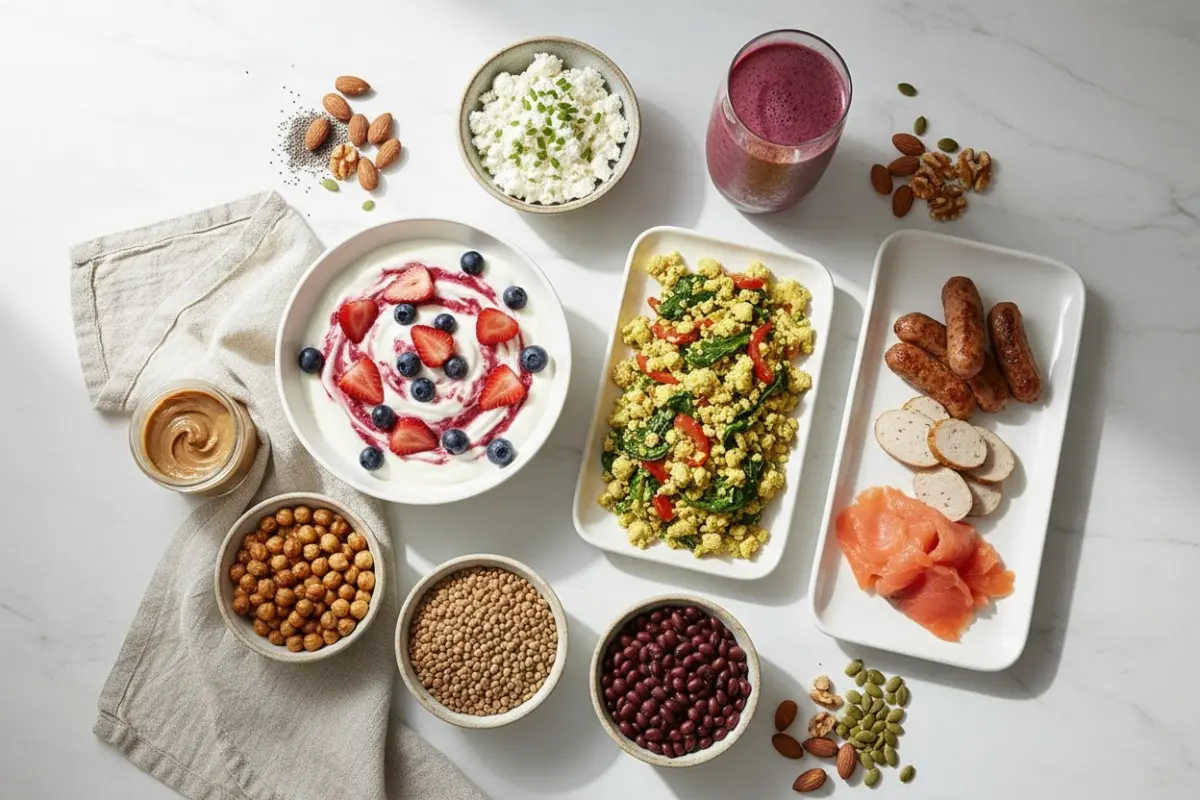
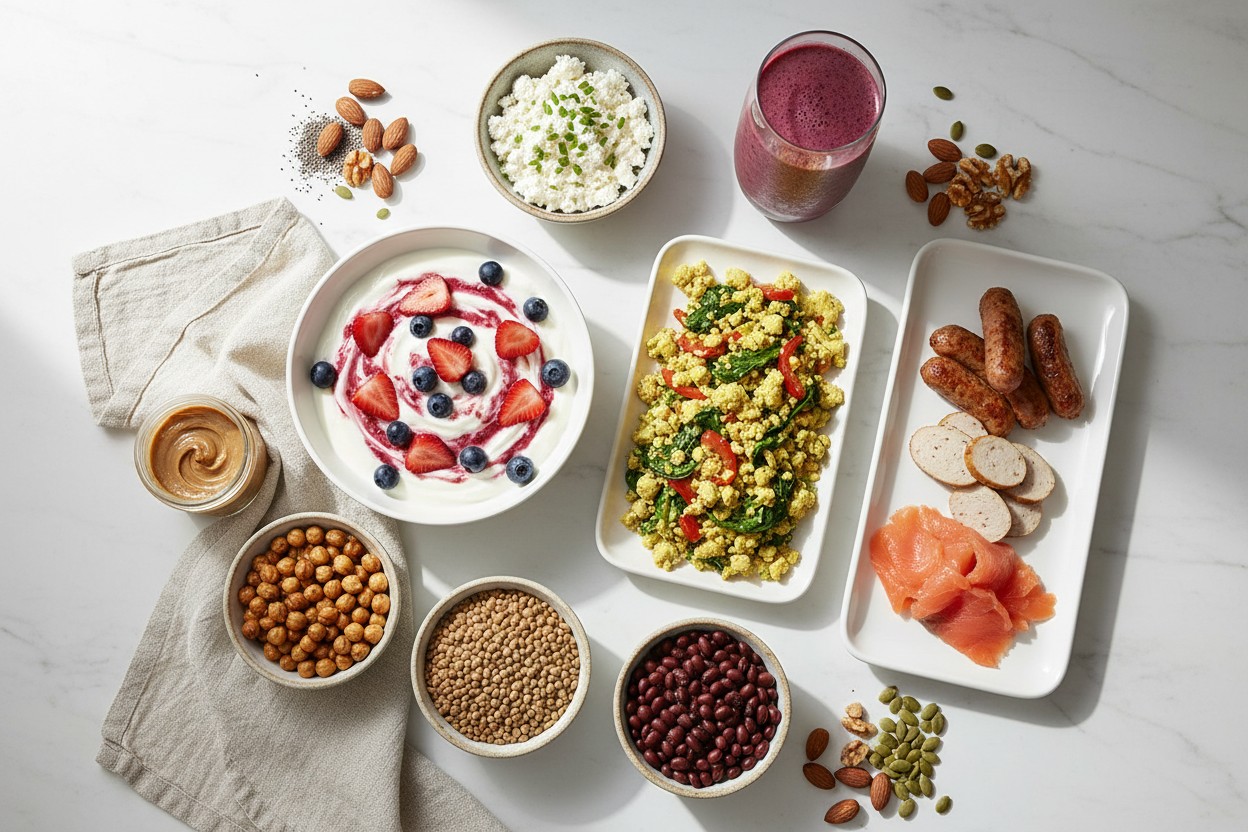
While a standard egg provides roughly 6 grams of protein, a single cup of Greek yogurt easily triples that amount, offering 15 to 20 grams. Similarly, half a cup of cottage cheese delivers 12 to 14 grams, providing a dense nutritional punch that rivals or exceeds multiple eggs. For those leaning entirely into plant-based eating, a savory tofu scramble can yield anywhere from 10 to 20 grams of protein per serving, depending on the firmness of the soy block used.
Beyond dairy and soy, the options expand into lean meats, smoked fish, legumes, nuts, seeds, and specialized protein powders. Lean poultry options like turkey sausage or chicken breast supply between 12 and 25 grams of protein per serving, while a standard 3-ounce portion of smoked salmon provides about 12 grams. Furthermore, plant-forward choices such as chickpeas, lentils, and black beans combine protein with essential dietary fiber, while a single scoop of whey, pea, or soy protein powder blended into a smoothie can instantly inject 20 to 30 grams of protein into a morning routine.
Experts emphasize that these alternatives cater to a wide demographic. Individuals managing egg allergies, those adhering to strict vegan regimens, or shoppers navigating fluctuating grocery prices can all find viable, nutrient-dense pathways to break their overnight fast.
Chronology: The Evolution of the Morning Meal
The transition from a default egg-centric breakfast to a diversified, multi-source morning menu has evolved over decades, shaped by intersecting trends in nutrition science, agricultural economics, and cultural dietary shifts.
The Rise of the Traditional Egg Breakfast
For much of the 20th century, the American breakfast was standardized around convenience and industrial agriculture. The egg, cheap and abundant, became the cornerstone of the morning meal. Nutritional guidelines heavily promoted eggs as an affordable source of complete protein. However, concerns regarding dietary cholesterol in the late 20th century temporarily complicated the egg’s reputation, prompting consumers to explore alternatives like egg whites or plant-based substitutes.
The Plant-Based and Clean-Eating Boom
Entering the 21st century, a broader cultural pivot toward "clean eating," plant-based diets, and functional nutrition began to reshape consumer habits. The rise of veganism and vegetarianism pushed food scientists and culinary innovators to look closely at plant proteins. Tofu scrambles evolved from niche vegan blog posts into mainstream culinary staples. Concurrently, Greek yogurt exploded in popularity during the late 2000s, introducing consumers to high-protein, fermented dairy options that offered probiotic benefits alongside macronutrient density.
The Modern Data-Driven Nutrition Era
In recent years, nutritional research has shifted from generalized dietary advice toward personalized macronutrient tracking. Studies highlighting the importance of distributing protein evenly across meals—particularly for aging populations seeking to preserve muscle mass—have driven consumers to seek out reliable, quantifiable protein sources for breakfast. The recent publication by Health.com marks a milestone in this chronology, synthesizing USDA data, clinical research, and expert dietitian commentary into a unified guide that validates egg-free eating as a nutritionally complete and scientifically sound practice.
Supporting Data: Nutritional Breakdown of the Top Seven Alternatives
To understand how egg-free breakfasts stack up against traditional options, nutritionists rely on empirical data from the USDA and specialized clinical studies. The seven categories outlined in the report offer distinct nutritional profiles that extend far beyond simple protein counts.
1. Greek Yogurt
- Protein Content: 15 to 20 grams per cup (supported by USDA data).
- Nutritional Context: Rich in calcium and probiotics, Greek yogurt supports gut health and bone density. It serves as a versatile base that can be paired with berries, nuts, or seeds.
2. Cottage Cheese
- Protein Content: 12 to 14 grams per half-cup serving.
- Additional Insights: A separate report by EverydayHealth.com highlights that cottage cheese can be whipped into a smooth, creamy texture for modern breakfast bowls [1], expanding its culinary applications beyond traditional fruit toppings.
3. Tofu Scramble
- Protein Content: 10 to 20 grams per serving (varying by firmness).
- Glycemic Impact: According to findings published by NaturalNews.com regarding diabetic-friendly breakfasts, tofu scrambles act as low-glycemic meals. They release glucose slowly into the bloodstream, effectively preventing the harmful blood-sugar spikes often associated with carbohydrate-heavy breakfasts like pastries or sugary cereals [2].
4. Legumes (Chickpeas, Lentils, and Black Beans)
- Nutritional Profile: Supply a robust combination of plant-based protein and dietary fiber.
- Carbohydrate Quality: Insights from the culinary reference "Vegetarian: The Greatest Ever Vegetarian Cookbook" note that whole foods such as whole-wheat products, brown rice, and legumes provide complex starchy carbohydrates, B-complex vitamins, and essential minerals [3]. Furthermore, dietitians interviewed by Health.com point out that legume-based breakfasts can easily be prepared in advance for busy weekday mornings.
5. Lean Meats and Smoked Fish
- Protein Content: Turkey sausage or chicken breast provides 12 to 25 grams per serving; smoked salmon supplies about 12 grams per 3-ounce serving.
- Fat Considerations: While animal proteins are complete proteins, guidance from "200 Surefire Ways to Eat Well Feel Better" advises consumers to be mindful of saturated fat content found in heavier cuts of pork or beef. The text recommends selecting lean alternatives such as bottom round steak, flank steak, or top sirloin steak for optimal cardiovascular health [4].
6. Nuts, Seeds, and Nut Butters
- Protein Content: 5 to 10 grams per serving.
- Complementary Benefits: Beyond protein, these options supply healthy monounsaturated fats, vitamin E, and magnesium, making them ideal mix-ins for oatmeal, yogurt, or whole-grain toast.
7. Protein Smoothies (Whey, Pea, or Soy Powders)
- Protein Content: 20 to 30 grams per scoop.
- Powder Variations: A NaturalNews.com analysis on whey protein explains that this high-quality byproduct of cheese production is processed into three primary forms—concentrate, isolate, and hydrolysate—each offering differing levels of protein purity [5]. Meanwhile, plant-based powders like pea or soy offer equivalent punch for vegan consumers.
Official Responses and Expert Insights
The shift away from eggs has drawn significant commentary from registered dietitians, nutrition researchers, and health advocates, all of whom emphasize the need for individualized nutritional planning.
The Importance of Protein Distribution
Nutrition researchers point out that human protein requirements are not one-size-fits-all; they fluctuate based on age, body weight, daily activity levels, and overall health status. A notable study cited in NaturalNews.com demonstrated that older adults who manage to distribute their protein intake evenly across three distinct daily meals experience superior maintenance of muscle strength compared to those who consume the bulk of their protein at dinner [6]. Consequently, incorporating high-protein options into the morning meal is a critical strategy for healthy aging.
Navigating Processed Foods and Labels
While the market is flooded with convenient egg-free breakfast products, experts urge caution. A registered dietitian quoted in the Health.com report advises consumers to prioritize whole-food sources over heavily processed alternatives whenever possible. Furthermore, shoppers are strongly encouraged to inspect nutrition labels for hidden added sugars, excessive sodium levels, and artificial chemical additives—common pitfalls in flavored yogurts, commercial breakfast meats, and pre-packaged plant-based meals.
Tailoring Diets to Individual Needs
Medical and nutritional professionals uniformly stress that individuals managing specific health conditions, severe food allergies, or complex dietary restrictions should consult a qualified healthcare provider or registered dietitian before making sweeping changes to their morning routine. Personalized guidance ensures that nutritional gaps are avoided and that chosen alternatives align with broader therapeutic goals.
Implications: The Future of Morning Nutrition
The popularization of diverse, egg-free, high-protein breakfasts carries profound implications for agriculture, the food industry, consumer health, and culinary culture.
Agricultural and Economic Shifts
As consumer demand diversifies away from poultry products—driven periodically by avian flu outbreaks, supply chain disruptions, and fluctuating egg prices—food manufacturers and agricultural producers are incentivized to invest more heavily in plant protein infrastructure, dairy alternatives, and legume cultivation. This diversification helps stabilize food supplies against single-commodity shocks.
Culinary Creativity and Lifestyle Flexibility
Culturally, the reimagining of breakfast breaks down the rigid boundary between "morning foods" and "dinner foods." Savory lentil bowls, spiced tofu scrambles, and lean-protein salads are increasingly recognized as legitimate, energizing ways to start the day. As NaturalNews.com highlights in discussions on high-fiber breakfasts, fiber-rich morning options not only fuel sustained energy and stabilize blood sugar but also support long-term heart health. Dishes like avocado toast and customized tofu scrambles effortlessly cater to both sweet and savory preferences, proving that dietary restrictions do not necessitate culinary deprivation [7].
Ultimately, the availability of seven distinct high-protein, egg-free breakfast categories empowers consumers to take control of their nutritional health. By moving beyond the traditional egg, individuals can craft morning meals that respect their bodies, honor their ethical and dietary boundaries, and transform breakfast into an endlessly variable canvas of wellness.
References
- EverydayHealth.com – Reports on cottage cheese nutrition, whipped preparation methods, and breakfast bowl integration.
- NaturalNews.com – Analyses on diabetic-friendly, low-glycemic breakfasts and blood-sugar management.
- Vegetarian: The Greatest Ever Vegetarian Cookbook – Nutritional insights on whole grains, starchy carbohydrates, fiber, and B-complex vitamins.
- 200 Surefire Ways to Eat Well Feel Better – Dietary guidance on selecting lean cuts of animal protein and managing fat intake.
- NaturalNews.com – Technical breakdowns of whey protein processing (concentrate, isolate, and hydrolysate).
- Clinical Nutrition Studies – Research regarding protein distribution across meals and muscle strength preservation in older adults.
- NaturalNews.com – Explorations of high-fiber breakfasts, cardiovascular support, and sweet-versus-savory dietary preferences.