





By the Editorial Wellness Desk
Published as Part 2 of the Exclusive Chakra Series
Main Facts
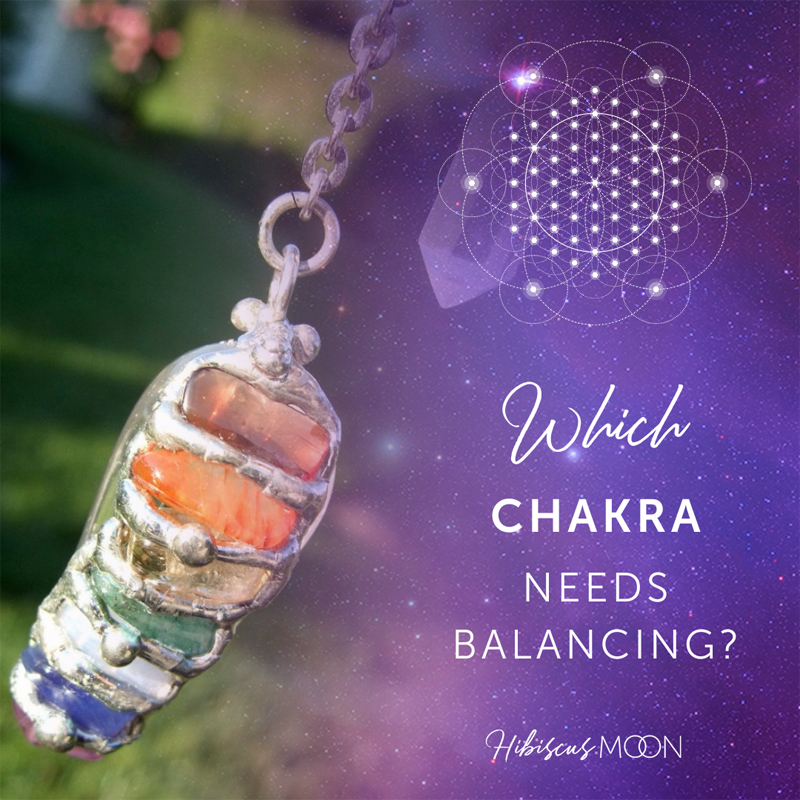
In the modern landscape of holistic health, alternative wellness practices have increasingly stepped into the mainstream, moving from esoteric philosophy to accessible lifestyle routines. At the center of this movement is the ancient concept of the chakras—the body’s vital energy centers—and their intersection with crystal healing. Following the foundational exploration of the underlying mechanics in Part 1 of this series (The Science Behind Crystal Chakra Healing), wellness practitioners and enthusiasts are now turning their attention toward the next logical and vital question: How do we accurately identify which specific chakra requires balancing?
According to leading crystal healing educators and holistic experts, identifying an energetic blockage or imbalance is not an elusive gift reserved for the spiritually elite. Instead, it is a structured, learnable skill. Practitioners have outlined four primary, evidence-based methods used in holistic methodologies to pinpoint chakra dysfunctions:
- Targeted Chakra Assessments: Utilizing structured diagnostic quizzes and analytical questionnaires.
- Symptom Pattern Recognition: Correlating clusters of physical ailments and emotional roadblocks with specific energy centers.
- Active Energy Sensing: Employing tangible tools, such as pendulums, alongside kinesthetic energetic techniques.
- Intuitive Development: Cultivating heightened inner awareness through meditation and the strengthening of the clair- senses.
By combining these methodologies—a practice known within the community as achieving a "chakra consensus"—individuals can systematically diagnose and subsequently treat energetic imbalances using corresponding vibrational tools, such as healing crystals.
Chronology
To understand how the modern wellness community approaches chakra diagnostics, it is helpful to trace the evolution of these practices from ancient traditions to contemporary methodology:
- Ancient Beginnings: The concept of chakras originated in the sacred Vedic texts of ancient India between 1500 and 500 BCE. For millennia, these seven primary vortexes of spiritual and physical energy were understood primarily through meditative traditions, yoga, and Ayurvedic medicine.
- The Mid-20th Century Western Shift: During the 1960s and 1970s, Eastern energetic philosophies crossed over into Western counterculture. Pioneers in holistic health began integrating chakra systems with alternative modalities, laying the groundwork for modern crystal therapy.
- The Rise of Structured Diagnostics: As the wellness industry professionalized in the late 20th and early 21st centuries, practitioners sought to demystify energy work. Authors and educators began publishing clinical frameworks, such as Vibrational Healing Through the Chakras and The Crystal Healer, bridging the gap between intuitive arts and structured self-assessment.
- Digital Accessibility & Modern Education: In recent years, the diagnostic process has evolved to include online self-assessments, structured certification courses (such as Certified Crystal Practitioner programs), and standardized tools like pendulums, making energy work accessible to a global audience.
- Present Day: The release of comprehensive multi-part educational guides marks a continued push toward empowering individuals to take charge of their own energetic hygiene through multi-method consensus diagnostics.
Supporting Data and Diagnostic Frameworks
Holistic health relies heavily on pattern recognition and multi-variable analysis. When determining the health of the body’s energy centers, practitioners emphasize that isolated symptoms are rarely enough to confirm a diagnosis. Instead, true energetic assessment requires looking at comprehensive clusters of physical, emotional, and mental data.
1. The Role of Structured Assessments and Quizzes
Online self-assessments and chakra questionnaires serve as accessible entry points for beginners. When designed by experienced practitioners, these tests translate emotional states and behavioral tendencies into numerical metrics corresponding to the seven major chakras (Root, Sacral, Solar Plexus, Heart, Throat, Third Eye, and Crown). While skeptics note the subjective nature of these quizzes, proponents argue that they act as useful mirrors for self-reflection, prompting individuals to recognize subconscious patterns.
2. Physical and Emotional Symptom Clusters
Energy work posits that unaddressed emotional turmoil or physical stress eventually manifests as blockages within specific chakras. Crucially, holistic educators caution against jumping to conclusions based on a single headache or fleeting moment of anxiety.
- Syndrome Analysis: An imbalanced chakra typically manifests as a "syndrome" of interconnected issues—a blend of localized physical discomfort and behavioral shifts.
- Reference Literature: Practitioners frequently rely on foundational texts such as Vibrational Healing Through the Chakras and The Crystal Healer to cross-reference symptoms with energetic anatomy, ensuring a rigorous approach to self-care.
3. Kinetic Energy Sensing and the Use of Pendulums
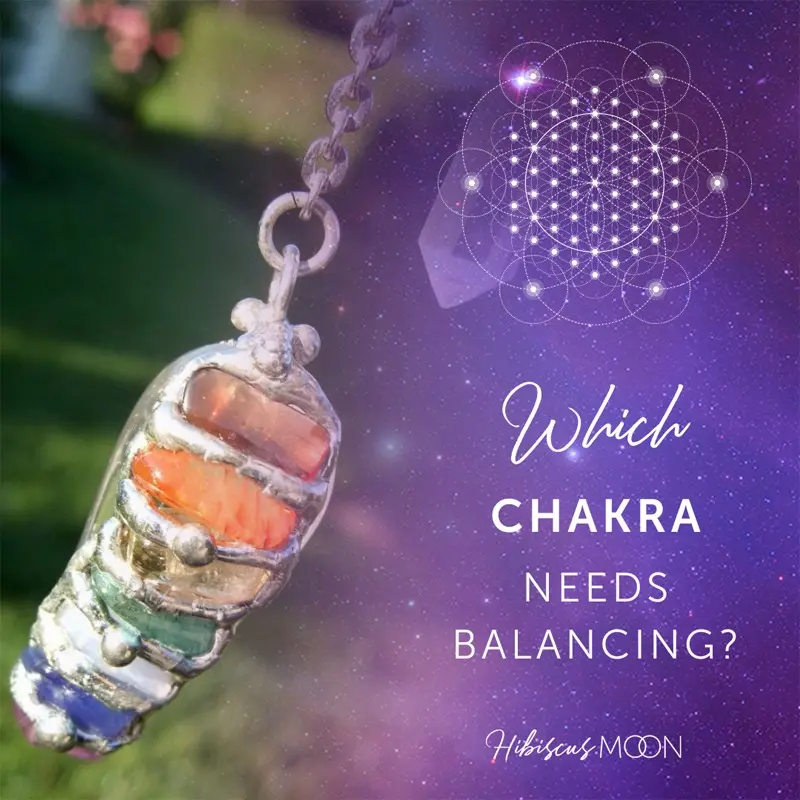
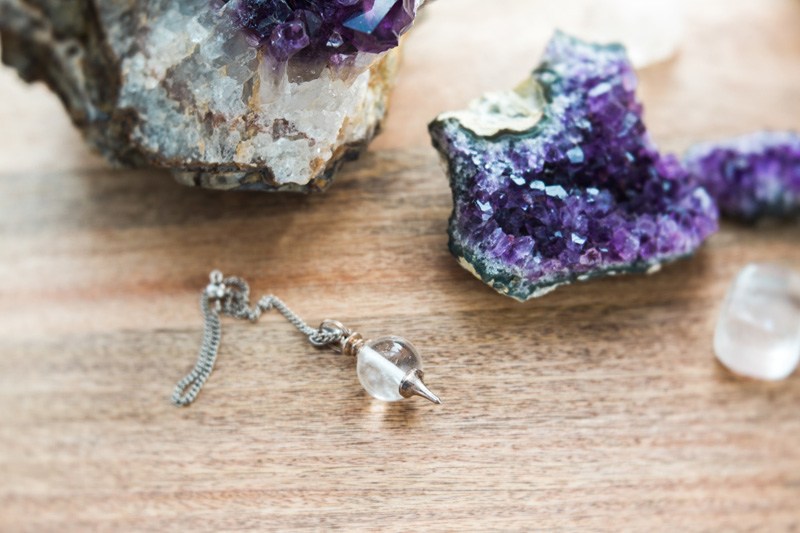
For those who prefer a tactile approach, energy sensing bridges the gap between the physical and the metaphysical. While advanced aura-reading and subtle energy tracking require extensive training—often taught in specialized certification programs—beginners can readily utilize tools like pendulums.
- A pendulum acts as a biological amplifier, translating subtle subconscious muscle movements and energetic fields into observable kinetic motion (such as swinging or circling).
- Historical and contemporary guides emphasize that working with a pendulum requires patience, grounding, and a clear understanding of baseline energy calibration.
4. Cultivating Intuition and the Clair- Senses
Intuition is frequently described in holistic circles as a muscle that deteriorates through disuse and strengthens through active training. Energetic diagnosis often involves tapping into the clair- senses:
- Clairvoyance: Clear seeing (visual impressions of energy colors or blockages).
- Clairaudience: Clear hearing (internal messages or tones).
- Clairsentience: Clear feeling (visceral physical sensations or temperature changes in the hands).
- Claircognizance: Clear knowing (an unshakeable inner certainty regarding an energy state).
Official Responses and Expert Perspectives
The integration of alternative energy practices into daily wellness routines has elicited varied responses from both holistic practitioners and the broader scientific community.
Holistic educators and certified crystal practitioners maintain that energy work provides a valuable framework for self-awareness and emotional regulation. Proponents argue that whether one views chakras through a purely metaphysical lens or as a psychological map of human needs (closely mirroring models like Maslow’s Hierarchy of Needs), the practical benefits remain the same. By focusing attention on a specific area of life—such as personal power (Solar Plexus) or communication (Throat)—individuals are empowered to make meaningful lifestyle changes.
On the other hand, mainstream medical and scientific communities approach chakra balancing and crystal healing with appropriate skepticism, classifying them as complementary or placebo-driven practices rather than medically proven treatments. Scientists emphasize that physical and emotional symptoms should primarily be evaluated by licensed medical professionals.
However, integrative health advocates bridge these perspectives by framing crystal healing and chakra work not as substitutes for conventional medicine, but as powerful complementary tools for stress reduction, mindfulness, and emotional grounding. Experts consistently stress that energy balancing enhances traditional self-care by encouraging individuals to tune into their bodies and address chronic stress before it impacts their overall well-being.
Implications
The widespread democratization of chakra diagnostics carries significant implications for the future of personal wellness and self-care industries.

The Shift Toward Autonomous Self-Care
As accessible guides, online tests, and foundational literature become more widely available, individuals are increasingly taking ownership of their mental and energetic health. Rather than relying solely on external practitioners for spiritual alignment, everyday people are learning how to read their own energetic signatures, utilize pendulums, and select appropriate vibrational tools like healing crystals.
The Power of the "Chakra Consensus"
By encouraging a multi-method approach—such as combining a self-assessment quiz with physical symptom analysis and a pendulum check—the wellness community is steering away from dogmatic practices and toward a more thoughtful, analytical framework. This "consensus" model teaches critical thinking within spiritual spaces, urging practitioners to cross-verify their findings rather than jumping to conclusions based on a single data point.
Long-Term Growth of Intuitive Literacy
Ultimately, the systematic approach to chakra balancing outlined in modern holistic education fosters a deeper connection to intuition. In a hyper-digital world dominated by external stimuli, the practice of sitting quietly, sensing energy fields, and listening to internal signals acts as a vital anchor. As practitioners note, regular engagement with these techniques transforms intuition from a mysterious, inaccessible talent into a reliable, everyday life skill—proving that inner balance is attainable for anyone willing to put in the time, practice, and mindful attention.
Stay tuned for Part 3 of our Chakra Series, where we will explore advanced methodologies on how to actively utilize crystals to restore harmony and balance to your energy centers.