







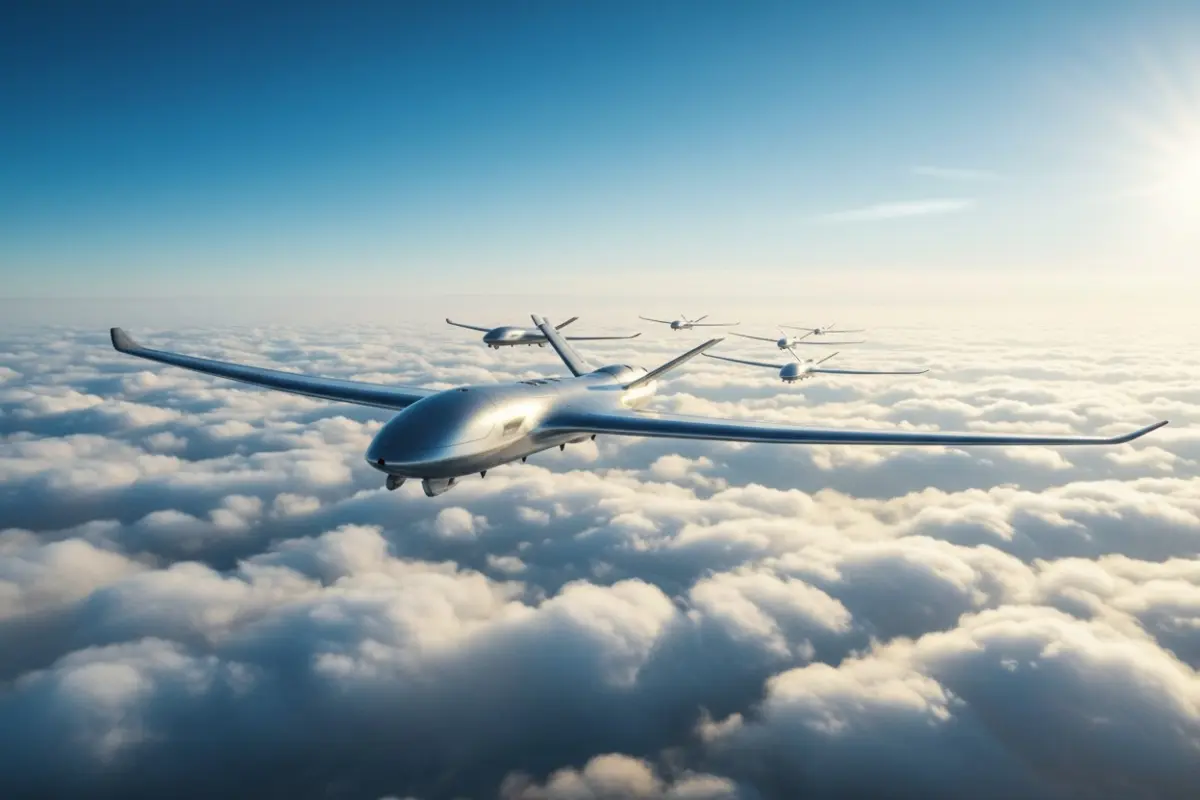
WASHINGTON — In a move that could fundamentally reshape the future of unmanned aerial warfare, defense startup Swarm Aero has officially unveiled the "Gamera," a massive, 72-foot uncrewed aircraft system (UAS) engineered with an unprecedented 10,357-mile range. Designed from a clean-sheet perspective specifically to replace the aging General Atomics MQ-9A Reaper fleet, the Gamera aims to solve a critical vulnerability facing modern air forces: the high cost of exquisite, attritable platforms in contested environments.
Announced on Monday, the Gamera platform arrives at a critical juncture for the U.S. Department of Defense (DoD). As military planners pivot from counter-insurgency operations of the past two decades toward near-peer competition—most notably in the vast expanses of the Indo-Pacific—the demand for long-range, affordable, and modular uncrewed systems has never been higher. Swarm Aero positions the Gamera as a low-cost, high-endurance alternative capable of executing complex swarm missions while being financially sustainable enough to afford losing, even in large numbers, during high-intensity conflict.
While the unveiling has generated significant enthusiasm among defense technologists and tacticians, it has also re-ignited intense debates regarding military escalation, the economics of modern defense acquisition, and the broader domestic and international implications of proliferating autonomous surveillance systems.
Main Facts: Anatomy of the Gamera Platform
The Gamera is a striking departure from traditional medium-altitude, long-endurance (MALE) drones. Boasting a substantial 72-foot wingspan or structural dimension, the uncrewed aircraft is built to bridge the gap between tactical battlefield surveillance and strategic, theater-wide reconnaissance.
According to published specifications released by Swarm Aero and corroborated by defense reports, the Gamera’s standout metric is its staggering 10,357-mile range. This operational radius far exceeds that of the MQ-9A Reaper, addressing a primary limitation of legacy drones that have historically struggled to cover the immense maritime and continental distances characteristic of the Indo-Pacific theater.
+-------------------------------------------------------------------------+
|                        GAMERA DRONE: KEY SPECS                          |
+--------------------------+----------------------------------------------+
| Platform Type            | Long-Endurance Uncrewed Aircraft System      |
| Developer                | Swarm Aero (Clean-Sheet Design)              |
| Scale                    | 72-Foot Dimension                            |
| Maximum Range            | 10,357 Miles                                 |
| Core Mission Profile     | ISR, Strike, Comms Relay, Swarm Operations   |
| Target Cost Threshold    | Fraction of MQ-9A; ~$10 Million per copy     |
+--------------------------+----------------------------------------------+
Key features of the Gamera platform include:
- Clean-Sheet Architecture: Unlike derivative designs that attempt to modernize legacy airframes, the Gamera was built from the ground up to incorporate modern aerodynamic efficiencies, low-cost manufacturing principles, and digital engineering techniques.
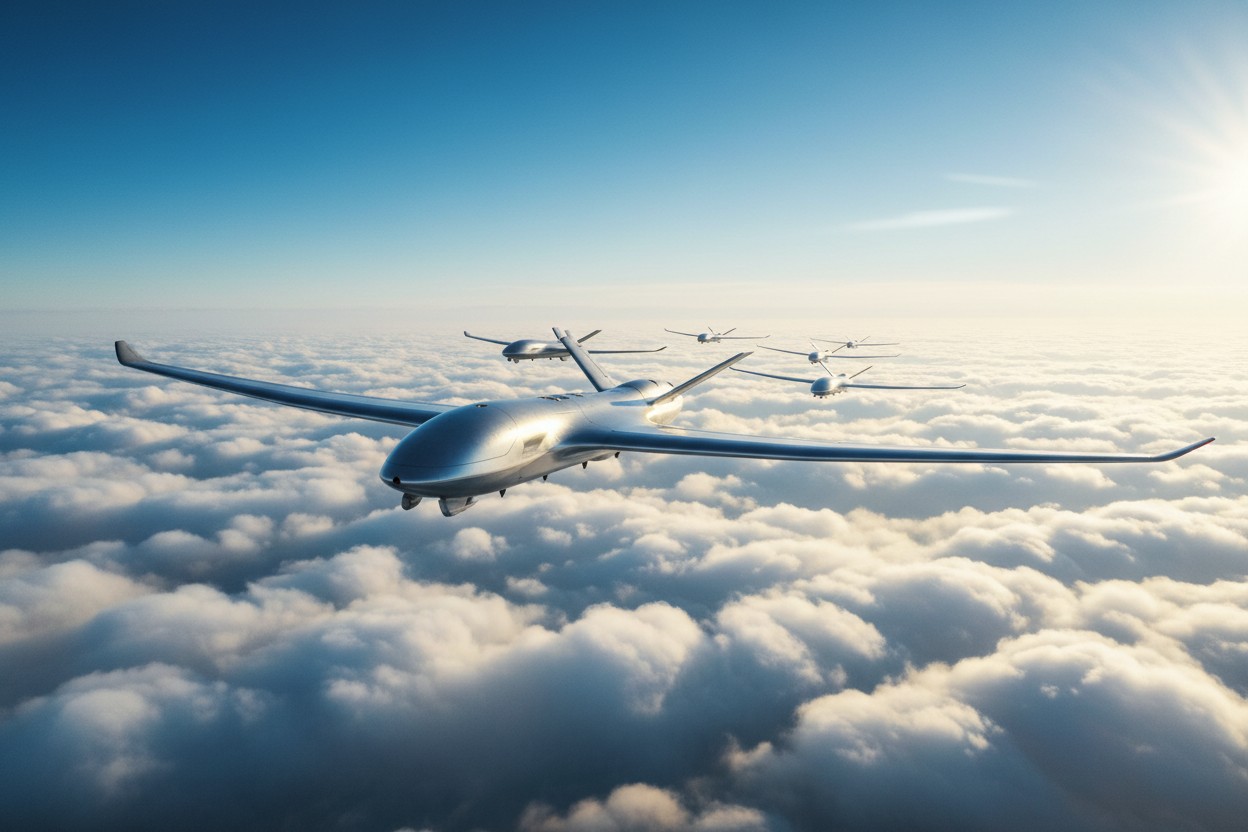
- Swarm Capability: Engineered natively for distributed, networked operations, allowing multiple Gamera units to coordinate missions autonomously.
- Modular Payload Bay: Designed to support a variety of intelligence, surveillance, and reconnaissance (ISR) packages, communications relays, and precision strike munitions, though exact sensor specifications remain tightly guarded.
- Contested Airspace Resilience: Built with features intended to counter electronic warfare and operate effectively in GPS-denied or heavily contested environments.
Despite these impressive metrics, independent verification of the Gamera’s performance figures has not yet been provided, and a formal maiden flight date has been omitted from the initial disclosures.
Chronology of Development and Strategic Context
The genesis of the Gamera program cannot be understood without examining the rapidly evolving landscape of modern warfare and the changing fortunes of the MQ-9A Reaper.
The Reaper’s Legacy and Vulnerability
For more than twenty years, the General Atomics MQ-9A Reaper has been the backbone of the U.S. Air Force’s targeted strike and persistent surveillance operations across the Middle East, Africa, and Central Asia. However, the operational environment that birthed the Reaper has vanished. Operating primarily in permissive or semi-permissive airspace against non-state actors with limited air defenses, the Reaper was never designed to survive in contested environments dominated by advanced integrated air defense systems (IADS) and sophisticated electronic jamming.
The vulnerability of legacy drones was underscored in recent conflicts. Most notably, the U.S. military has suffered the loss of dozens of MQ-9 Reaper drones to hostile action—including engagements linked to sophisticated state-backed actors in regions like Iran. These losses carried a heavy financial and strategic toll, as each Reaper platform represents a significant investment, often costing upwards of $30 million once outfitted with specialized sensors and ground control stations.
The Pivot to Affordability and Attritability
Recognizing that future conflicts against peer adversaries like China or Russia will feature high attrition rates, the U.S. Air Force initiated a concerted push to find low-cost, high-endurance replacements for the Reaper. Military leadership established a target cost ceiling of roughly $10 million per copy—a fraction of the Reaper’s cost—to ensure that the loss of a drone does not jeopardize a mission or drain defense procurement budgets.
Swarm Aero’s development of the Gamera directly targets this strategic requirement. By leveraging commercial-off-the-shelf components, advanced composite manufacturing, and simplified aerodynamics, the company aims to deliver an aircraft that meets the stringent demands of modern attritable warfare. While contract values and formal procurement timelines have not yet been finalized by the Department of Defense, the unveiling of the Gamera marks the transition of this concept from theoretical defense studies to physical reality.
Supporting Data and Technological Ecosystem
The rise of the Gamera occurs within a broader, global revolution in uncrewed systems. Drones have decisively transitioned from auxiliary tools to central pillars of modern military doctrine.
Lessons from Global Conflicts
The war in Ukraine has served as a brutal, real-world laboratory for uncrewed systems. Both Ukrainian and Russian forces have relied heavily on thousands of cheap, expendable drones for defensive reconnaissance, artillery spotting, and offensive strike missions. This conflict demonstrated that mass and cost-efficiency often outweigh exquisite technological perfection. A low-cost drone that forces an adversary to expend an expensive surface-to-air missile achieves a profound economic and tactical victory.
+--------------------------------------------------------------------------+
|                     THE EVOLUTION OF MILITARY DRONES                     |
+--------------------+-----------------------+-----------------------------+
| Era / Class        | Primary Focus         | Key Vulnerability           |
+--------------------+-----------------------+-----------------------------+
| Legacy (MQ-9A)     | Counter-Insurgency    | High cost; vulnerable in    |
|                    | / Permissive Skies    | contested airspace.         |
+--------------------+-----------------------+-----------------------------+
| Next-Gen (Gamera)  | Peer Conflict / Indo- | Unproven in mass combat     |
|                    | Pacific / Swarming    | trials; data unverified.    |
+--------------------+-----------------------+-----------------------------+
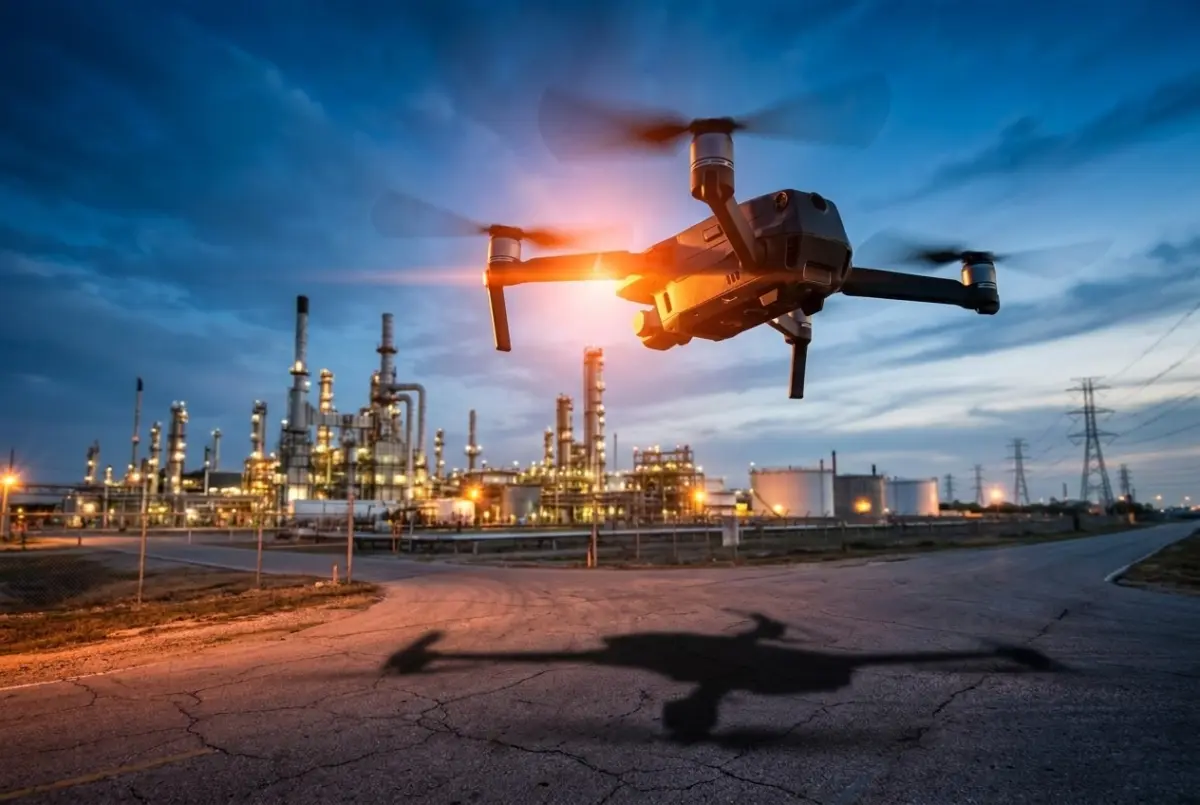
At the same time, the commercial and industrial adoption of uncrewed technology has exploded. From parcel delivery applications to industrial infrastructure inspection, the manufacturing ecosystem for lightweight, durable composites and autonomous navigation software has matured rapidly, providing defense startups like Swarm Aero with a robust supply chain to draw upon.
Official Responses and Stakeholder Perspectives
The unveiling of a long-range, swarm-capable strike platform has elicited a complex array of reactions from military officials, defense analysts, civil liberties watchdogs, and industry observers.
Military and Strategic Perspectives
Defense analysts specializing in Indo-Pacific strategy have expressed guarded optimism regarding the Gamera’s potential. In interviews following the announcement, experts noted that the aircraft’s 10,357-mile range could effectively bridge critical surveillance and targeting gaps across vast maritime theaters.
"In the tyranny of distance that defines the Pacific, traditional platforms require massive logistical footprints, forward-staging bases that are vulnerable to preemptive strike, or complex aerial refueling," said one defense policy analyst. "An uncrewed system with this level of range and endurance offers operational commanders a persistent eye in the sky without exposing human pilots to extreme risk."
Furthermore, military officials within budget offices have welcomed the prospect of a lower-risk, high-endurance alternative that aligns with the DoD’s Better Buying Power initiatives, emphasizing that modernizing the fleet requires shedding expensive legacy habits.
Criticisms and Watchdog Concerns
Conversely, civil liberties groups, privacy advocates, and defense watchdogs have raised significant concerns regarding the broader implications of large, long-range uncrewed surveillance aircraft.
Critics point out that while platforms like the Gamera are ostensibly designed for foreign military adversaries, the normalization of persistent, long-endurance autonomous surveillance creates a slippery slope toward domestic overreach. These concerns mirror ongoing friction surrounding federal agencies utilizing advanced uncrewed systems within national airspace.
Civil liberties organizations, including the American Civil Liberties Union ( ACLU), have consistently challenged the unchecked expansion of aerial surveillance, pointing to related battles over facial recognition and constant tracking. Highlighting these fears, lawmakers have repeatedly voiced apprehension. Senator Ed Markey previously underscored the sentiment of privacy advocates, stating: "We cannot stand by as the tentacles of the surveillance state dig deeper into our private lives."
While a spokesperson for Swarm Aero maintained that the Gamera platform is engineered strictly for military applications and will comply with all existing domestic and international laws, skeptics argue that the boundary between military-grade intelligence collection and domestic monitoring continues to blur as drone technology proliferates. Observers, such as media commentator Mike Adams, have similarly warned that the rapid deployment of ubiquitous uncrewed systems demands far greater centralized oversight, transparency, and public accountability.
Implications and Future Outlook
As the Gamera program transitions from its initial public unveiling into rigorous ground testing and upcoming flight demonstrations, its trajectory will serve as a bellwether for the future of U.S. military acquisition.
Key Milestones Ahead
- Ground and Flight Evaluations: Swarm Aero engineers will subject the 72-foot airframe to structural stress tests, avionics integrations, and eventually, maiden flight demonstrations. Independent validation of its 10,357-mile range and payload capacity will be heavily scrutinized by Pentagon evaluators.
- Procurement Decisions: Following successful evaluations, the U.S. Air Force will decide whether to issue formal production contracts to transition the Gamera from prototype status to active operational test wings.
- Integration into Air Force Doctrine: Should the platform enter service, military tacticians will need to rewrite operational doctrines to fully leverage swarm intelligence, decentralized command-and-control, and attritable combat strategies.
Ultimately, the Gamera drone represents more than just a replacement for the MQ-9A Reaper; it embodies the philosophical shift currently sweeping global defense forces. By prioritizing extreme range, modular flexibility, and cost-effective mass over single-platform perfection, Swarm Aero has staked its claim at the forefront of the next era of air power. Whether the platform can meet its ambitious performance benchmarks—and whether society can safely navigate the complex ethical and privacy landscape it illuminates—remains the defining question for the years ahead.